
How do pallet inverters in the USA help energy battery plants cut manual handling risks?
Manual handling of heavy pallets in any warehouse is tough. For energy battery plants, it is not just tough; it is dangerous. We see staff lifting, pushing, and turning heavy battery pallets. This often leads to injuries. It also causes damage to valuable products. This problem gets bigger when we talk about large-scale battery production. The USA is a leader in this area. Plants need to move fast. They also need to keep workers safe.
Pallet inverters in USA energy battery plants greatly cut manual handling risks. They do this by automating the process of turning or transferring heavy pallets. This removes the need for workers to physically lift or manipulate large, heavy battery packs. It prevents injuries from strain, dropped loads, or crushing hazards. This makes the work environment much safer.
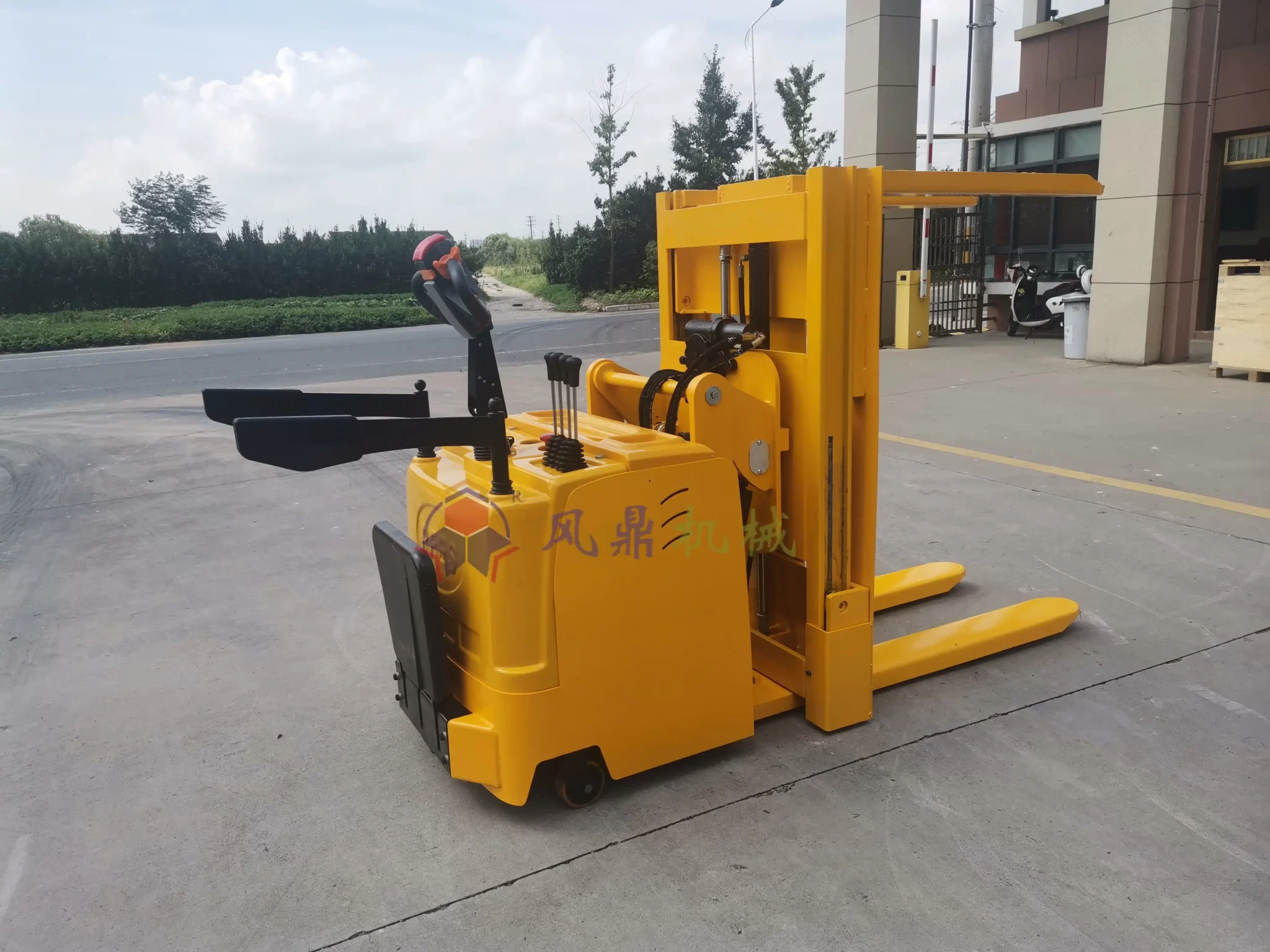
I have seen many factories grow over the years. I know what goes into making operations safe and efficient. This is especially true for advanced industries like energy battery production. The right equipment makes all the difference. Let us look at how these machines change things for the better.
Why is manual pallet handling a big risk for USA energy battery plants?
Manual handling of pallets can be very risky. In energy battery plants, these risks are even higher. Workers often deal with heavy and sometimes fragile battery components. Doing this by hand creates many safety concerns. It also slows down work.
Manual pallet handling in USA energy battery plants creates many big risks. These include serious worker injuries from heavy lifting and awkward movements. It also includes potential damage to expensive battery products if dropped. There is also the risk of fire or chemical spills if batteries are handled roughly. This makes safety a top concern for these facilities.
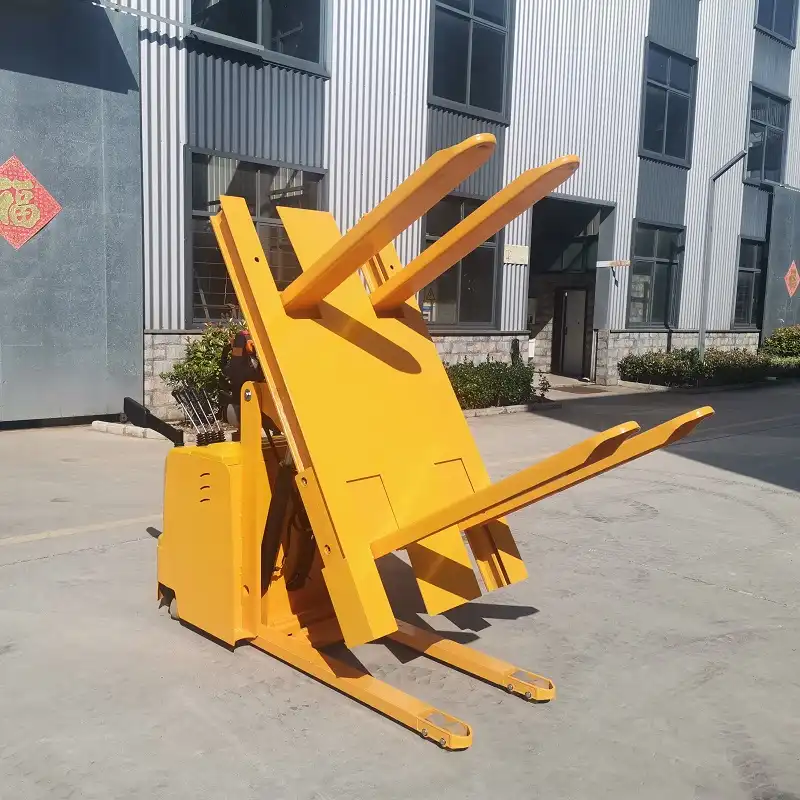
When I started in the packing machine industry, I saw how much effort went into manual tasks. People often pushed their limits. But in today’s world, especially with complex products like batteries, we need better ways. We cannot rely on brute strength alone. This is not good for workers or for business.
1. Physical Injuries and Worker Health 🤕
Moving heavy pallets by hand is bad for the body. Workers lift, push, pull, and turn heavy loads all day. This causes strain on backs, shoulders, and knees. In battery plants, pallets can weigh hundreds or even thousands of pounds. This often leads to:
- Muscle strains and sprains: These are very common. Workers often miss work because of them.
- Herniated discs: This is a serious back injury. It can need surgery.
- Repetitive stress injuries: Doing the same motions over and over damages joints and tendons.
- Fatigue: Tired workers are more likely to make mistakes. They also get hurt more easily.
These injuries mean more than just pain for the worker. They mean higher healthcare costs for the company. They also mean lost workdays. This reduces how much the plant can produce. It also makes it harder to keep good workers. Many young people do not want jobs that require such heavy, risky manual labor. This is a real problem for USA factories looking for staff.
2. Product Damage and Financial Loss 💸
Energy batteries are valuable. They are also often sensitive. Dropping a pallet can ruin many units. This costs a lot of money. It also delays shipments. If batteries get damaged, they might need to be thrown away. This is a big waste. Here are some key issues:
- Impact damage: If a pallet falls or is handled roughly, batteries inside can break.
- Incorrect handling: Workers might not always lift pallets perfectly. This can lead to uneven weight distribution. This might cause product damage.
- Contamination risk: Some batteries are sensitive to dust or moisture. Manual handling can expose them more to these things.
- Compliance issues: Damaged products can fail quality checks. This means they cannot be shipped. This affects customer trust.
I remember one factory I helped. They had a high rate of product damage from manual handling. It was a big hidden cost. When they added automation, this cost went down fast. This showed me that investing in machines pays off in many ways. It saves money and makes customers happier.
3. Safety Risks from Battery-Specific Hazards 🔥
Handling batteries adds another layer of risk. Some batteries can be dangerous if they are not handled right. This is especially true for larger energy storage units.
- Chemical spills: If a battery casing breaks, chemicals inside can leak out. This is a big safety hazard.
- Fire hazards: Damaged batteries can sometimes catch fire or explode. This puts everyone in the plant at risk.
- Electrical shock: If a battery is exposed or damaged, there is a risk of electric shock.
- Regulatory fines: Government agencies like OSHA have strict rules for handling hazardous materials. Not following these rules can lead to big fines. It can also shut down a plant.
These specific risks mean battery plants cannot afford to take chances with manual handling. They need reliable systems. They need systems that keep both workers and products safe. This is why I always push for smart machine solutions. They deal with these risks head-on. They provide a secure way to move vital products.
How do pallet inverters make operations safer for battery manufacturers?
Pallet inverters are great tools for improving safety. They take over the dangerous work of turning or swapping pallets. This is very important for battery manufacturers. These machines remove the human element from the riskiest parts of the process.
Pallet inverters make operations safer for USA battery manufacturers by automating pallet changes. They remove the need for workers to physically handle heavy, unstable, or contaminated pallets. This prevents injuries from lifting, crushing, or product spills. It also keeps workers away from potential hazards like damaged battery packs. This direct action significantly reduces workplace accidents.
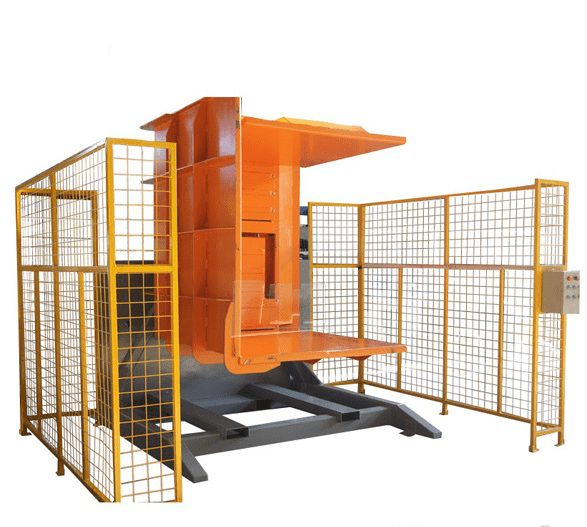
I have seen first-hand how much safer a factory becomes with the right machine. Workers feel better. Managers worry less. It creates a better work environment for everyone. This is a big win.
1. Removing Direct Human Contact with Heavy Loads 🚫
The biggest safety gain comes from removing workers from direct contact with heavy loads. A pallet inverter does all the heavy lifting.
- No manual lifting: Workers do not need to lift or tilt heavy pallets. The machine does it.
- Reduced strain: This means no more back pain or muscle strains. Workers do not get tired from physical labor.
- Less risk of dropping: The machine holds the pallet securely. It does not drop it like a person might. This saves products and keeps workers safe.
- Consistent handling: Machines handle every pallet the same way. This means fewer mistakes from human error or fatigue.
My career taught me that humans are good at thinking and solving problems. Machines are good at repetitive, heavy, or dangerous tasks. When we match tasks to the right “worker” – human or machine – safety goes up.
2. Preventing Accidents from Unstable Loads 🚧
Pallets, especially those with heavy batteries, can be unstable. Moving them manually makes them even more unstable. This can lead to big accidents.
- Secure clamping: Pallet inverters clamp the load tightly. This makes sure it stays in place.
- Controlled movement: The machine moves slowly and smoothly. This stops sudden jerks or shifts that can make a pallet fall.
- Even weight distribution: Inverters can turn a pallet in a controlled way. This keeps the load balanced.
- Reduced need for re-stacking: Often, pallet inverters allow for product transfer. This means workers do not need to re-stack products by hand. This saves time and prevents falls.
I once worked with a client who had issues with battery pallets shifting during transport. Their old process involved manual strapping and turning. It was risky. After they installed a pallet inverter, their accident rate from shifting loads dropped to zero. This was a clear example of a machine solving a real-world safety problem.
3. Protecting Against Contamination and Product Damage 🛡️
Battery cells or modules can be sensitive. They can also be dangerous if they break. Pallet inverters protect both the product and the worker.
- Clean environment: If pallets need to be cleaned or sterilized, the inverter can help. It allows for swapping out a dirty pallet for a clean one without exposing the product.
- Containment: If a battery leaks, the inverter can help move the affected pallet safely. It keeps workers away from the spill.
- Damage reduction: Smooth, automated movement reduces the chance of bumping or dropping. This protects the batteries from damage.
- Compliance with regulations: Many regulations cover handling sensitive or hazardous materials. Pallet inverters help plants meet these rules by providing a safe, controlled method of handling.
For me, it is about peace of mind. Knowing that dangerous goods are handled by a machine designed for the job means less worry for everyone. It shows a company cares about its workers and its products.
Beyond safety: What other benefits do pallet inverters bring to USA battery factories?
Safety is a huge benefit of pallet inverters. But these machines do much more. They also bring many other good things to USA battery factories. They improve how the factory runs every day.
Beyond safety, pallet inverters bring many other benefits to USA battery factories. They significantly increase operational efficiency by speeding up pallet changes. They cut labor costs by reducing the need for manual work. They also improve product flow and help meet strict quality standards. This makes factories more productive and cost-effective overall.
I have always believed that good equipment should do more than one thing. It should solve many problems at once. Pallet inverters do just that. They make factories safer, faster, and more profitable.
1. Boosting Operational Efficiency and Speed ⚡
In today’s market, speed is everything. Battery factories need to move products fast. Pallet inverters help them do this.
- Faster pallet changes: A machine can swap a pallet in minutes. Manual work takes much longer.
- Continuous flow: Automation means less stopping and starting. Products move through the line without delay.
- Reduced bottlenecks: Pallet changes often cause delays. An inverter removes this bottleneck. This keeps the whole process smooth.
- Higher throughput: More pallets processed means more product shipped. This directly helps the factory meet its goals.
I saw a battery factory in the Midwest struggle with slow pallet changes. They were losing valuable time. After they put in an automatic inverter, their throughput went up by 20%. This was a game-changer for them. It meant they could produce more without adding more shifts.
2. Cutting Labor Costs and Optimizing Workforce 👷♀️
Labor is expensive. Finding workers for tough manual jobs is hard. Pallet inverters help with both issues.
- Less need for manual labor: One machine can do the work of several people. This frees up workers for other tasks.
- Reduced hiring needs: Factories do not need to hire as many people for pallet handling. This saves on wages and benefits.
- Better use of skills: Workers can do jobs that need their brains, not just their muscles. This makes them happier and more productive.
- Fewer injury costs: Fewer injuries mean less money spent on medical care, insurance, and worker’s compensation.
I often tell clients that machines are an investment in their team. They make work better for people. They also make the company more stable. It is a win-win situation.
3. Ensuring Compliance and Improving Product Quality ✅
Battery products often have strict rules for handling. Pallet inverters help factories meet these rules.
- Consistent handling: Machines do not get tired. They follow the same process every time. This leads to better quality control.
- Meeting international standards: Many countries have different pallet rules. Inverters help switch pallets to meet these rules quickly. This avoids fines.
- Reduced damage, better quality: Fewer damaged products mean more products meet quality standards.
- Better audit trails: Modern inverters can log their operations. This provides data for compliance checks.
Compliance is not just about avoiding problems. It is about building trust. When a factory handles products well, customers know they are getting good quality. This is vital for repeat business.
What should USA energy battery plants look for in a pallet inverter supplier?
Choosing the right pallet inverter is important. But choosing the right supplier is just as important. A good supplier is more than just a seller of machines. They are a partner in your success.
USA energy battery plants should look for a pallet inverter supplier that offers reliable, flexible machines and strong after-sales support. The supplier must understand the unique needs of battery handling, provide customization options, and offer quick service. They should act as a long-term partner, not just a one-time seller, to ensure continuous operation and problem-solving.
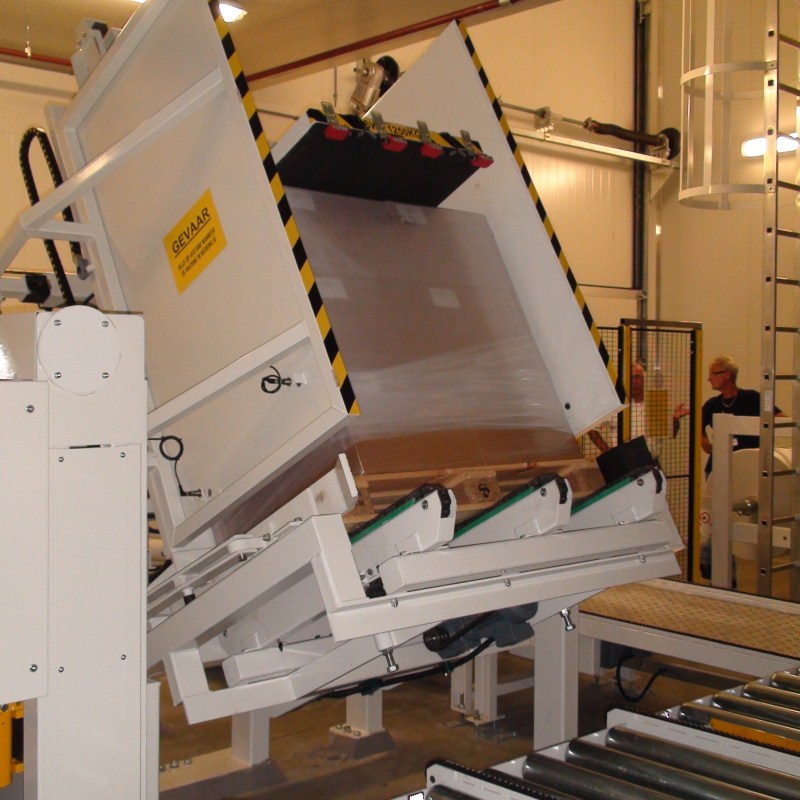
My experience taught me that good relationships are key. When I started FHOPEPACK, I wanted to build strong ties with clients. I wanted to solve their problems, not just sell them a box. This thinking is still at our core.
1. Reliability and Machine Quality You Can Trust 👍
A pallet inverter is a big investment. It must work well, all the time.
- Robust construction: Look for machines built with strong materials. They should handle heavy battery pallets without breaking down.
- Proven track record: Ask for examples of where their machines are working. See if they have good reviews from other industrial clients.
- Easy to maintain: Machines need maintenance. Look for designs that make this easy and fast. This keeps downtime low.
- Safety features: The machine itself must be safe. It needs guards, emergency stops, and clear controls.
I always tell my clients to ask hard questions about machine quality. You are buying something that will be a workhorse for years. It needs to be tough and dependable.
2. Customization and Flexibility for Your Specific Needs ⚙️
Every battery plant is different. A good supplier knows this. They offer solutions that fit your specific setup.
- Handling different pallet types: Can the machine handle Euro pallets, US pallets, plastic pallets, or even custom skids? This is critical for varied operations.
- Load capacity: Does it match the weight of your heaviest battery pallets? Never buy a machine that is just “barely” enough.
- Integration with existing lines: Can the inverter fit into your current production or warehouse line? Or will it need big changes?
- Space requirements: Does the machine fit in your available space? Some plants have tight areas.
I have seen many times that a “one size fits all” machine does not work well. We at FHOPEPACK always focus on tailoring solutions. It is about understanding the customer’s exact pain points.
3. Strong After-Sales Support and Partnership 🤝
A machine is only as good as the support behind it. This is where a true partner stands out.
- Installation and training: Does the supplier help set up the machine? Do they train your team to use it safely and well?
- Technical support: If something goes wrong, can you call them? Will they help you fix it fast?
- Spare parts availability: Do they keep common spare parts in stock? Can they send them quickly if needed?
- Long-term relationship: Do they want to work with you over time? Do they offer ongoing advice or updates?
For me, helping a client grow their business is the biggest reward. This means being there for them long after the sale. It is about building trust. It is about solving problems together.
Conclusion
Pallet inverters are a must-have for USA energy battery plants. They hugely cut manual handling risks. This makes workplaces safer. They also boost efficiency, save costs, and ensure compliance. When picking a supplier, look for reliability, flexibility, and strong support. A good pallet inverter is an investment in safety and future growth.








