
How Orbital Wrapping Machine in South Africa Improves Wrapping for Wooden Boards?
Have you ever seen how wooden boards get packed? It often involves a lot of manual work. This can be slow, costly, and even dangerous for workers. I have seen this problem in many factories, including my own when I first started. This inefficient process can really hurt a business’s bottom line.
Orbital wrapping machines change how wooden boards are packed in South Africa. They wrap products quickly and securely. This method makes the whole packing process much more efficient. It also keeps products safe during transport.

Many South African businesses want to find better ways to pack wooden boards. They need solutions that work well and save money. Let us look at how orbital wrapping machines can help them achieve this.
What problems do traditional methods cause for wooden board packaging in South Africa?
Packing wooden boards by hand might seem simple. But it comes with many serious problems. These issues affect production, safety, and a company’s profits. I have seen these same problems in other heavy industries, like coil and steel wire packing.
Traditional packing methods for wooden boards in South Africa often use a lot of manual labor. This makes the process slow and increases the risk of worker injuries. It also leaves products vulnerable to damage, which leads to financial losses for businesses.
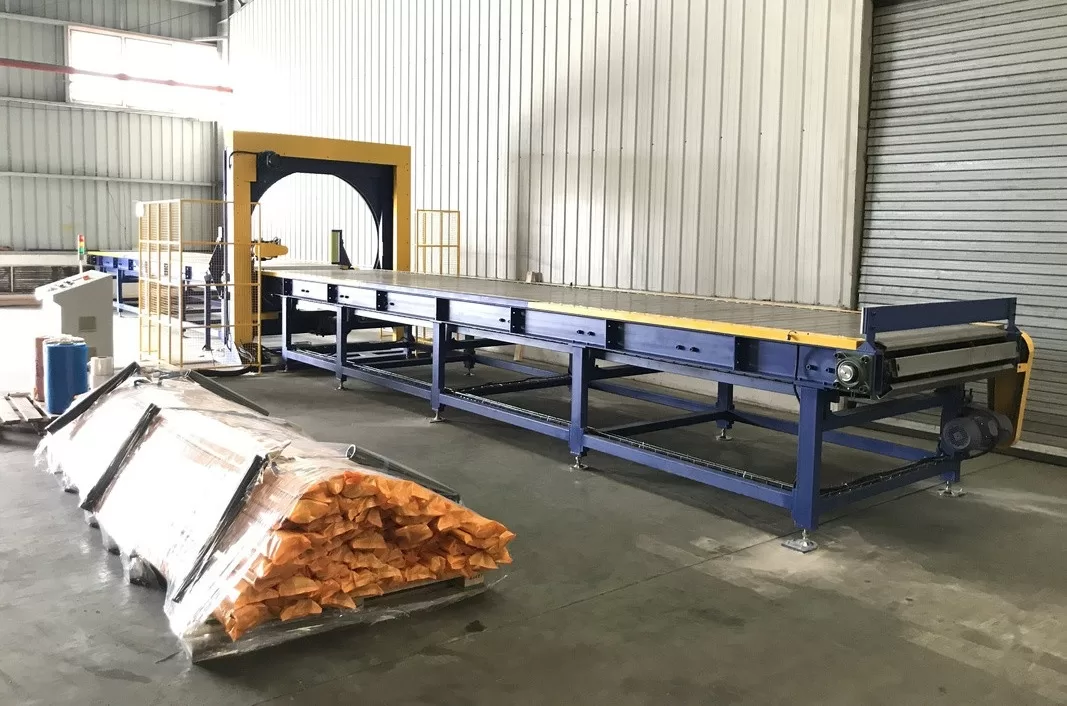
I remember when I first started my packing machine factory. We faced many of these issues too. The way things were done before caused headaches. It was clear that old ways were holding businesses back. I learned that finding better ways to pack is key to growth. This is true whether you are packing steel coils or wooden boards.
Deep Dive: The Hidden Costs of Manual Packing
Manual packing of wooden boards has many drawbacks. These are not always obvious. Here is a breakdown of the main problems:
- Slow Production Speed:
- Issue: Workers can only pack a certain number of boards per hour. This speed cannot keep up with high demand. Production bottlenecks happen at the end of the line. This means boards pile up, waiting to be packed. This slows down the entire factory output. It directly impacts delivery times. This can make customers unhappy.
- Impact: Companies miss delivery deadlines. They lose out on potential sales. Their reputation for quick service suffers.
- High Risk of Worker Injury:
- Issue: Wooden boards are often heavy, long, and can have sharp edges. Manual lifting and wrapping expose workers to many risks. These risks include strains, cuts, and crushed fingers. Repeated heavy lifting causes long-term health problems for employees.
- Impact: Increased workers’ compensation claims. Higher insurance costs for the company. Loss of skilled workers due to injury or fear of injury. This also lowers morale in the workplace.
- Product Damage During Handling:
- Issue: When workers manually move or wrap boards, they can scratch or dent them. Boards might drop or collide with other items. The edges and corners are especially fragile. Even small damage makes a product unsellable.
- Impact: Financial losses from scrap material. Customer complaints and returns. This can hurt a brand’s image. It means less profit for every batch of boards.
- Inconsistent Packaging Quality:
- Issue: Human workers cannot apply wrap with the same tension every time. Some boards might be too loose. Others might be too tight. The wrap might not cover all parts of the board evenly. This leads to poor protection.
- Impact: Products are not properly protected during shipping. They can get more damage in transit. This leads to more customer complaints. It also creates a perception of low quality.
- High Labor Costs:
- Issue: Manual packing requires a large workforce. These workers need to be paid wages and benefits. As production grows, so does the need for more workers.
- Impact: Labor costs eat into profit margins. It becomes harder for companies to compete on price. This is especially true when compared to factories with automated systems.








