
How Orbital Wrapping Machines in South Africa Ensure Safer Handling of Rebars?
Imagine a factory floor in South Africa. Workers are struggling with heavy, long rebars. They manually lift, turn, and wrap these pieces. It is hard work. It is dangerous work. Every day, there is a risk of injury. Back strains, crushed fingers, falling materials. Production slows down. Accidents lead to lost time and higher insurance costs. This is not just about safety. It is also about money and efficiency. What if there was a better way? A way to keep workers safe and make the process faster? This is where modern packing machines come in.
Orbital wrapping machines ensure safer handling of rebars in South Africa by automating the wrapping process. They greatly reduce the need for manual lifting and maneuvering of heavy, long steel bundles. This automation minimizes direct human contact with the rebars. It significantly lowers the risk of common workplace injuries like muscle strains, cuts, and crush incidents. These machines wrap the bundles tightly and securely. This keeps the rebars stable during transport and storage. It prevents shifting or falling, making the entire handling chain much safer for workers.
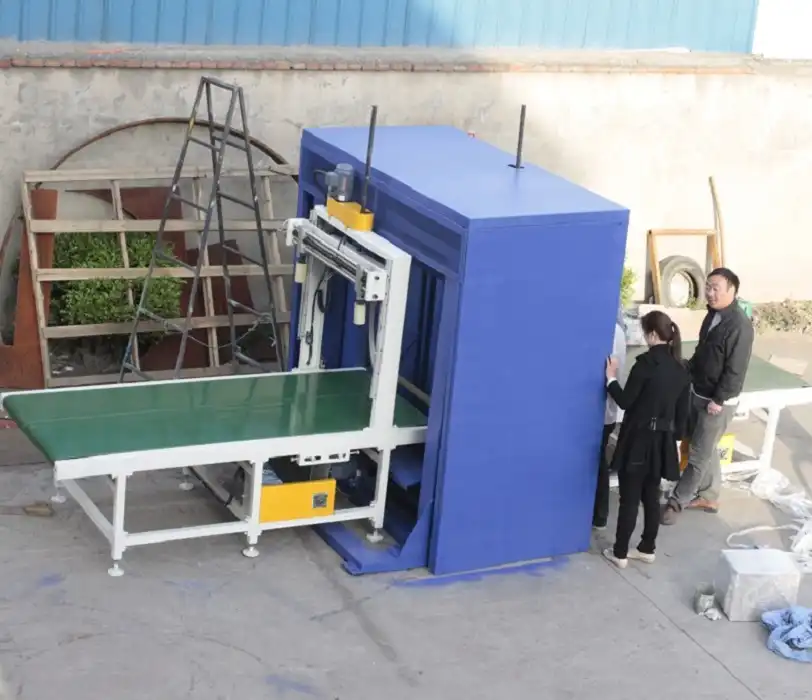
You know, I have seen this problem countless times. From my early days in a packing machine factory to building my own business, safety and efficiency have always been key. It is not just about wrapping. It is about protecting people and products. Let us dive deeper into how these machines truly make a difference, especially for rebar operations in places like South Africa.
Why is manual rebar handling so risky in South Africa?
Think about handling long, heavy bundles of rebars by hand. This is a common sight in many South African metal factories. Workers use overhead cranes or even muscle power. They move the rebars from one point to another. Then they try to secure them. This manual process is full of risks. Workers get tired. They can lose their grip. Rebars can shift or fall. This leads to serious injuries, sometimes even fatal accidents. It also causes damage to the rebars themselves. This adds to waste and cost. We need to understand these dangers. Then we can find a better, safer way to work.
Manual rebar handling in South Africa carries high risks due to the weight, length, and awkwardness of the steel bundles. Workers face dangers from strains, crush injuries, and falling objects. Repetitive motions and heavy lifting contribute to long-term health issues and accidents. The lack of standardized, automated processes in some facilities also increases the chance of human error. This leads to unsafe working conditions and potential product damage.

From my time on the factory floor, I saw firsthand how tough it was. People worked hard. But hard work does not mean it has to be dangerous. In many South African facilities, the manual handling of rebars is still a big part of the job. This is not because people want it to be unsafe. It is often because they lack the right tools.
The Physical Toll on Workers
Handling heavy rebars puts a huge strain on the human body.
- Musculoskeletal Injuries: Workers often suffer from back pain, shoulder injuries, and sprains. They lift and carry heavy bundles. They twist their bodies. Over time, these small injuries become serious. This means more sick days. It means higher medical bills for the company. Such injuries can reduce a worker’s ability to perform their duties safely and efficiently. This creates a cycle of reduced productivity and increased healthcare costs.
- Crush and Impact Injuries: A single rebar bundle can weigh hundreds of kilograms. If it falls or shifts, it can crush limbs. It can cause severe lacerations. These accidents are not rare. They happen when there is too much reliance on human strength and coordination for tasks meant for machines. These types of accidents can lead to permanent disabilities. They can have devastating effects on workers and their families. This also impacts the factory’s reputation.
The Role of Fatigue and Human Error
Long shifts and repetitive tasks make workers tired.
- Increased Accident Risk: Tired workers make mistakes. They might misjudge a lift. They might not secure a load properly. These errors can have major consequences. An accident involving rebars can affect not just one worker but others around them too. The risk increases towards the end of shifts or during periods of high demand. This makes consistent safety protocols even harder to enforce manually.
- Inconsistent Quality: Manual handling is not just unsafe. It also leads to inconsistent packing quality. Some bundles might be loose. Others might be too tight. This can damage the rebar itself. It can also make the next step in the supply chain more difficult and less safe. Poor wrapping quality might cause rebars to shift during transport. This can lead to further damage or safety risks for logistics personnel.
Economic Impact of Manual Handling
The costs of manual handling go beyond just medical bills.
- High Insurance Premiums: More accidents mean higher worker’s compensation claims. This directly increases insurance costs for the factory. Insurers view factories with high accident rates as higher risk. This leads to significantly elevated premiums over time.
- Lost Productivity: When a worker is injured, they cannot work. This means less output. It means other workers might need to step in, slowing down their own tasks. This ripples through the whole production line. The time spent investigating accidents and implementing new safety measures also takes away from productive hours.
- Employee Turnover: A dangerous workplace leads to unhappy employees. People leave for safer jobs. Training new staff costs money and time. This cycle hurts the business’s bottom line. High turnover rates reduce institutional knowledge. They can create an unstable workforce. This impacts overall operational efficiency.
| Risk Category | Manual Handling Impact | Solution from Automation |
|---|---|---|
| Worker Safety | High risk of strains, crushes, falls, long-term musculoskeletal disorders, and severe lacerations. | Minimal human contact, controlled wrapping, reduced exposure to hazards, and improved ergonomic conditions. |
| Production Efficiency | Slow, inconsistent, prone to bottlenecks, leading to delays in delivery and overall lower output. | Faster, consistent, higher throughput, enabling smoother production flow and meeting delivery deadlines. |
| Product Quality | Damage during handling, loose wraps, contributing to customer complaints and increased scrap rates. | Secure, uniform, protective wrapping, ensuring product integrity and reducing material waste. |
| Operating Costs | High labor costs, increased insurance premiums, medical expenses, and significant waste due to damage. | Reduced labor costs, lower injury claims, less product damage, and more efficient use of resources. |
I have seen companies in South Africa struggling with these exact issues. They want to grow. But these internal problems hold them back. It is clear that moving away from manual handling is not just a choice. It is a necessity for a modern, safe, and profitable factory. It is about creating a work environment where people can thrive without fear of injury.
How do orbital wrappers reduce direct contact and injury for rebars?
We just talked about the dangers of handling rebars by hand. Now, think about the moment of wrapping. This is when workers usually have to walk around the rebar bundles. They must stretch and bend to apply the wrapping film. This close contact during wrapping adds another layer of risk. Workers can trip over rebars. They can get hit by moving parts. They might even suffer injuries from repetitive motions. How can we wrap rebars securely without putting workers in harm’s way? Orbital wrapping machines offer a smart way to solve this. They bring the wrapping action to the rebar, not the other way around.
Orbital wrapping machines greatly reduce direct contact and injury for rebars by automating the entire wrapping cycle. The machine uses a rotating ring that moves around the stationary rebar bundle. This removes the need for workers to manually walk around or handle the rebars during wrapping. Workers only load and unload the bundles. The machine does the heavy lifting and the actual wrapping. This significantly minimizes exposure to moving parts and heavy materials. It also cuts down on repetitive strain and the risk of being struck by the rebars.
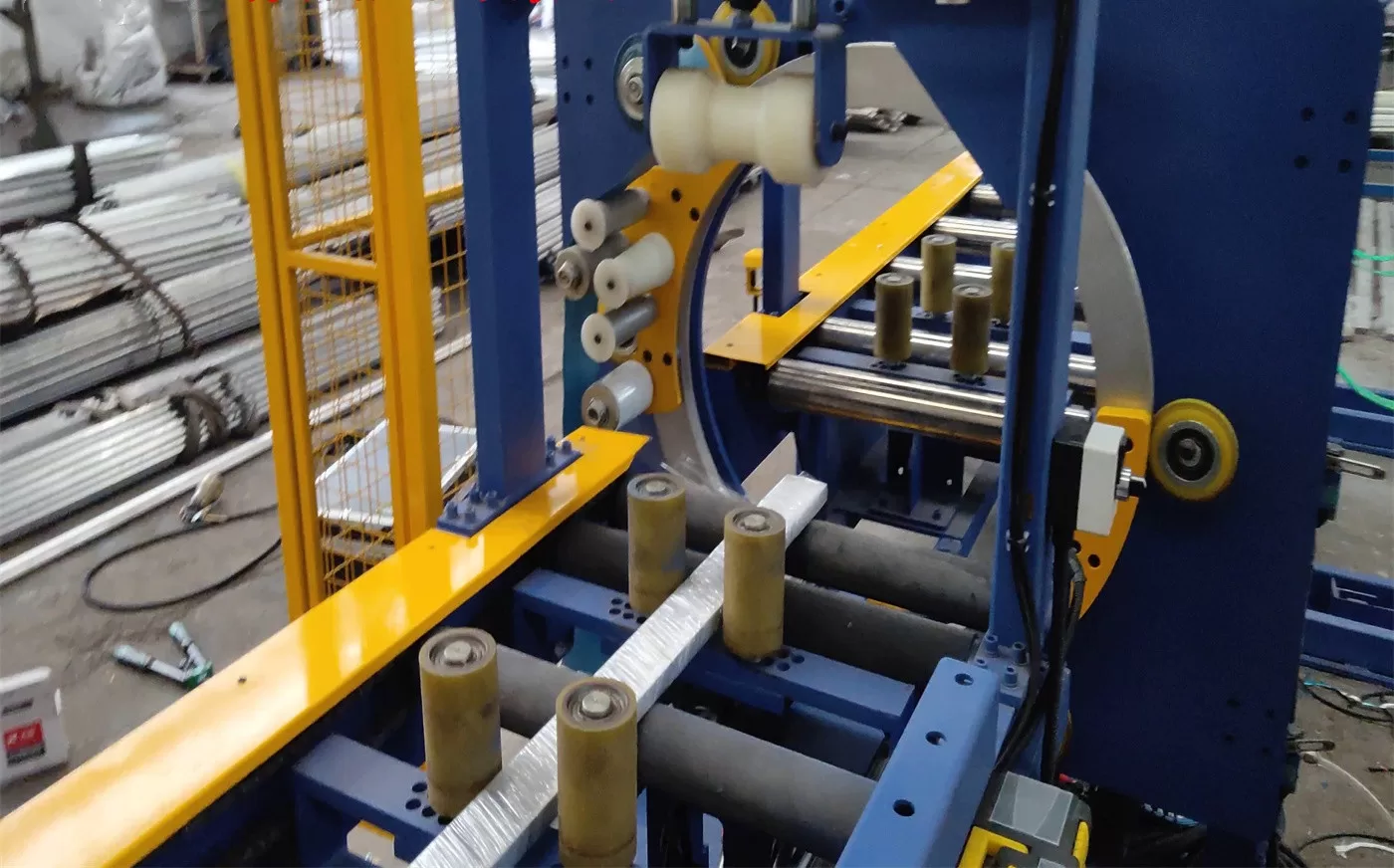
When I first saw these machines in action, I knew they were a game-changer. My experience building packing machine factories showed me that good design is always about protecting people first. Orbital wrappers are designed with safety at their core. They offer a concrete solution to many of the hazards that my clients like Michael face every day.
Automated Wrapping Process
The key to safety here is automation. It fundamentally changes how rebars are handled during the wrapping phase.
- Stationary Product, Moving Wrapper: Unlike manual wrapping, the rebar bundle stays still on a conveyor or loading platform. The orbital wrapper has a ring that rotates vertically around the rebar bundle. This ring carries the stretch film. It applies the film evenly. This means no worker has to walk around the long, heavy rebar. They do not have to climb or bend in awkward ways. This eliminates the need for manual interaction during the critical wrapping motion. It ensures a consistent and safe process.
- Reduced Manual Handling: Workers only need to place the rebar bundle onto the machine’s infeed. Or they load it using a forklift or crane. Once the wrapping starts, the worker can step back. They can supervise from a safe distance. This eliminates the most dangerous parts of the wrapping process. It also frees up workers for other tasks. This shift allows workers to focus on oversight and quality control, rather than risking direct contact with moving parts or heavy loads.
Safety Features of Orbital Wrappers
Modern orbital wrappers come with specific features to protect workers. These features are not just add-ons. They are integral to the machine’s safe operation.
- Safety Guards and Sensors: These machines usually have safety enclosures and light curtains. If a worker gets too close during operation, the machine stops. This prevents accidents. E-stop buttons are also easy to reach. They allow for instant shutdown in an emergency. These layers of protection ensure that human intervention only happens when the machine is in a safe, static state, vastly reducing incident rates.
- Automatic Film Application and Cutting: The film automatically attaches to the rebar bundle. It automatically cuts at the end of the cycle. This means workers do not need to handle sharp blades or sticky film. It further reduces hand injuries. Manual film cutting is a common source of small cuts and lacerations. Automation eliminates this exposure completely, making the process much cleaner and safer.
- Stable Loading Platforms: The platforms holding the rebar bundles are robust. They are designed to support heavy loads. This prevents the bundles from shifting or falling during wrapping. It adds a layer of stability and safety that manual setups often lack. Secure platforms also ensure that the rebars are properly aligned for wrapping. This prevents uneven distribution of film and potential package instability during transport.
Impact on Worker Well-being
Beyond preventing immediate injuries, orbital wrappers improve overall worker health and morale.
- Less Physical Strain: Workers do not experience the constant bending, lifting, and stretching. This reduces the risk of long-term musculoskeletal disorders. It means a healthier workforce. By removing strenuous, repetitive tasks, factories can extend the working life of their employees and reduce absenteeism.
- Improved Morale: When workers feel safe, they are happier and more productive. They know the company cares about their well-being. This can reduce staff turnover. It can create a better working environment, which I always strived for in my own factory. A positive work environment, free from constant fear of injury, leads to higher job satisfaction and loyalty.
In South Africa, where industries like steel manufacturing often operate under demanding conditions, these safety benefits are even more critical. Investing in such technology is not just about compliance with safety regulations. It is about creating a sustainable and humane workplace. It makes good business sense too, by reducing costly accidents and improving worker retention.
What makes orbital wrapping a robust solution for South African rebar facilities?
South African industrial environments, especially in steel, are tough. Machines need to be strong. They need to last. Many factory managers in South Africa have told me they are tired of equipment that breaks down easily. They do not want machines that cannot handle the demanding daily work. A machine that fails often means lost production. It means costly repairs. It means wasted time. This eats into profits. It makes planning difficult. How can a packing machine truly stand up to these harsh conditions? Orbital wrapping machines offer a robust design. They are built for endurance. They provide reliable performance even in the most challenging settings.
Orbital wrapping machines are a robust solution for South African rebar facilities due to their heavy-duty construction and reliable performance in harsh environments. They are engineered with durable components to withstand the dust, high volumes, and continuous operation common in steel factories. Their design ensures consistent, secure wrapping, which protects rebars during transport and storage, reducing damage. This reliability means less downtime, lower maintenance costs, and a longer operational lifespan, making them a wise investment for demanding industrial settings.
My own journey from factory employee to factory owner taught me one crucial thing. The best equipment is not always the cheapest. It is the one that keeps working day in and day out. It is the one that gives you peace of mind. For rebar facilities in South Africa, this reliability is non-negotiable. You need machinery that can match the grit and determination of the workers and the demands of the industry.
Heavy-Duty Construction and Durability
Orbital wrappers for industrial use are not light machines. They are built like tanks to handle the rigorous demands of metal processing.
- Strong Frames and Components: They feature robust steel frames. These frames can withstand impacts and vibrations. Key components like the wrapping ring and conveyors are built with durable materials. They are designed to handle the weight and abrasive nature of rebars. This means the machine will last longer. It will require fewer major repairs. The structural integrity is paramount to ensure stability during high-speed wrapping and heavy load transfers.
- Dust and Debris Protection: Steel factories generate a lot of dust and small debris. Orbital wrappers are often designed with sealed components. They have protective covers. These stop dust from getting into sensitive parts. This extends the life of motors and electrical systems. It ensures smooth operation. This prevents premature wear and tear on sensitive electronics and mechanical parts, a common issue in such environments.
Consistent Performance Under High Demands
These machines are made to work hard, all the time, without faltering under pressure.
- High Throughput Capability: Rebar production lines often run continuously. The packing process needs to keep up. Orbital wrappers are built for high-volume output. They can wrap many bundles per hour. This prevents bottlenecks at the end of the production line. It keeps the whole factory running smoothly. This sustained high performance is crucial for meeting production targets and avoiding costly delays.
- Stable Wrapping Quality: Even after hours of operation, the wrapping quality remains consistent. The tensioning system applies film uniformly. This ensures every rebar bundle is protected in the same way. This consistency is vital for preventing product damage and ensuring customer satisfaction. A uniform wrap means better protection against moisture, dust, and handling damage, which is key for long-distance transport.
Ease of Maintenance and Support
A robust solution also means easy upkeep. Even the toughest machines need regular care.
- Accessible Design: Good orbital wrappers are designed for easy maintenance. Key parts are accessible for routine checks and service. This means less time spent on maintenance. It means more time for actual production. Simple access points and clear diagrams help maintenance teams perform tasks quickly and correctly, minimizing downtime.
- Reliable Spare Parts and Service: Any machine, no matter how tough, will eventually need parts or service. A good supplier provides quick access to spare parts. They offer technical support. This is where my company, FHOPEPACK, excels. We understand that downtime costs money. We make sure our clients get the support they need quickly. Having a local or readily available support network in South Africa ensures that any issues can be resolved without significant delays, which is critical for continuous operations.
In South Africa, where factories can be geographically isolated, having dependable equipment is especially important. You cannot afford to wait weeks for a spare part. My goal has always been to provide solutions that work. They need to work well. They need to work reliably. Orbital wrapping machines fit this bill perfectly. They help factories achieve consistent production. They help them maintain high safety standards. This is essential for success in today’s competitive market, allowing businesses to focus on growth rather than constant equipment issues.
Can orbital wrapping machines truly boost efficiency and cut costs for rebars?
Many factory managers, especially those like Michael, are constantly looking at the bottom line. They need to justify every investment. They hear about automation and safety. But they also need to see clear financial benefits. Can buying an orbital wrapping machine really pay off? Investing in new equipment is a big decision. What if it does not deliver the promised cost savings? What if the efficiency gains are not enough to justify the price? These are fair questions. You cannot just guess. You need real numbers. Let me tell you, from my experience, orbital wrapping machines offer a strong return on investment. They do this by cutting costs and boosting efficiency in many ways.
Yes, orbital wrapping machines truly boost efficiency and cut costs for rebars by significantly reducing labor needs, minimizing product damage, and increasing throughput. They automate a labor-intensive process, freeing workers for higher-value tasks and lowering wage expenses. The consistent, secure wrapping prevents costly rebar damage during handling and shipping. Faster wrapping cycles improve overall production speed and delivery times. These combined factors lead to a clear return on investment through reduced operational costs and increased output.

When I started my first packing machine factory, financial independence was a big goal. But it was not just for me. It was for my clients too. I always focused on helping them grow their businesses. This meant finding solutions that truly improved their profitability. Orbital wrapping machines do exactly that. They transform a challenging manual task into a streamlined, cost-effective operation.
Reducing Labor Costs
Labor is often the biggest operational expense. Optimizing labor usage directly impacts the bottom line.
- Fewer Workers Needed: An orbital wrapper can do the work of several manual laborers. This means you need fewer people assigned to wrapping tasks. Those workers can then be re-assigned to other critical areas of the factory. This optimizes your workforce. It reduces your overall wage bill. This reallocation allows for a more strategic use of human capital, leading to higher overall productivity across the factory floor.
- Reduced Overtime: Automated wrapping is faster. This means jobs get done within normal working hours. There is less need for costly overtime pay. This leads to more predictable labor costs. By eliminating bottlenecks at the packing stage, production schedules become more reliable, reducing the need for expensive additional shifts.
Minimizing Product Damage and Waste
Damaged products are a direct hit to your profits, leading to rework, scrap, and customer dissatisfaction.
- Consistent Protection: Orbital wrappers apply film tightly and evenly. This creates a strong, protective layer around the rebar bundle. This prevents scratches, bends, and rust during internal transport and shipping. When I talk to clients like Michael, product integrity is always a top concern. No one wants customer complaints about damaged goods. High-quality wrapping ensures that products arrive at their destination in perfect condition, bolstering customer trust and reducing returns.
- Less Film Waste: Manual wrapping can often lead to wasted film due to uneven application or tearing. Automated machines use film efficiently. They apply just the right amount. This reduces material costs over time. Precision control over film tension and overlap minimizes material consumption, contributing to significant savings on consumables.
Increasing Production Throughput
Speed means more output, more sales, and greater capacity to meet market demands.
- Faster Wrapping Cycles: Orbital wrappers are much faster than manual methods. They can wrap a bundle in minutes, sometimes even seconds, depending on the machine and rebar size. This speeds up the end-of-line packing process. It removes a common bottleneck in many factories. This increase in speed directly translates to a higher volume of finished goods, enhancing the factory’s production capacity.
- Improved Delivery Times: With faster packing, products can be ready for shipment sooner. This leads to quicker delivery times. It keeps customers happy. It gives you a competitive edge. Shorter lead times can be a significant advantage in competitive markets like the South African steel industry, allowing factories to respond more quickly to customer orders.
Calculating Return on Investment (ROI)
For factory managers, the numbers must add up. A clear ROI calculation is essential before any significant investment.
- ROI Factors: When considering an orbital wrapper, look at:
- Savings from reduced labor.
- Savings from fewer product damages and customer returns.
- Savings from lower insurance premiums due to fewer accidents.
- Increased revenue from higher production output and faster deliveries.
- The initial investment cost of the machine.
- Energy consumption and ongoing maintenance costs.
- Long-Term Benefits: While the initial cost can seem high, the long-term savings often make the investment worthwhile within a few years. It is a strategic move that pays dividends in efficiency, safety, and profitability. I have helped many clients calculate these numbers. The results often surprise them. They see how quickly the machine pays for itself, providing sustained financial benefits long after the initial outlay.








