

How Horizontal Stretch Wrappers Improve Quality and Efficiency in Board Packaging?
Is your factory struggling with slow packaging lines? Are damaged products a common headache? Do high labor costs cut into your profits? Many factory managers I talk to face these exact issues. They are under constant pressure to boost output and control expenses. I understand these challenges because I have been there myself. I started from the factory floor. Then I went on to run my own successful packing machine business.
Horizontal stretch wrappers are a game-changer for board packaging. They automate the wrapping process. This automation significantly speeds up packaging times. It also reduces the need for manual labor. This helps improve overall production efficiency. These machines wrap products tightly. This creates a protective barrier. This barrier prevents damage during transport and storage. This means better quality boards reach your customers.


You know that every minute of downtime means lost money. Every damaged product costs you trust and profit. So, how can you solve these problems? I believe the right equipment, especially horizontal stretch wrappers, can provide real solutions. Let me show you how these machines can transform your board packaging operations.
How Do Horizontal Wrappers Boost Production Efficiency for Boards?
Are your current board packaging methods holding you back? Do you rely too much on people for wrapping? This can slow down your entire production line. It makes it hard to meet delivery deadlines. You might feel a constant bottleneck at the very end of your manufacturing process.
Horizontal stretch wrappers significantly increase packaging speed. They use an automated system to wrap boards as they move through the machine. This eliminates the need for manual wrapping. It speeds up the entire end-of-line process. This means more boards get wrapped and shipped faster.
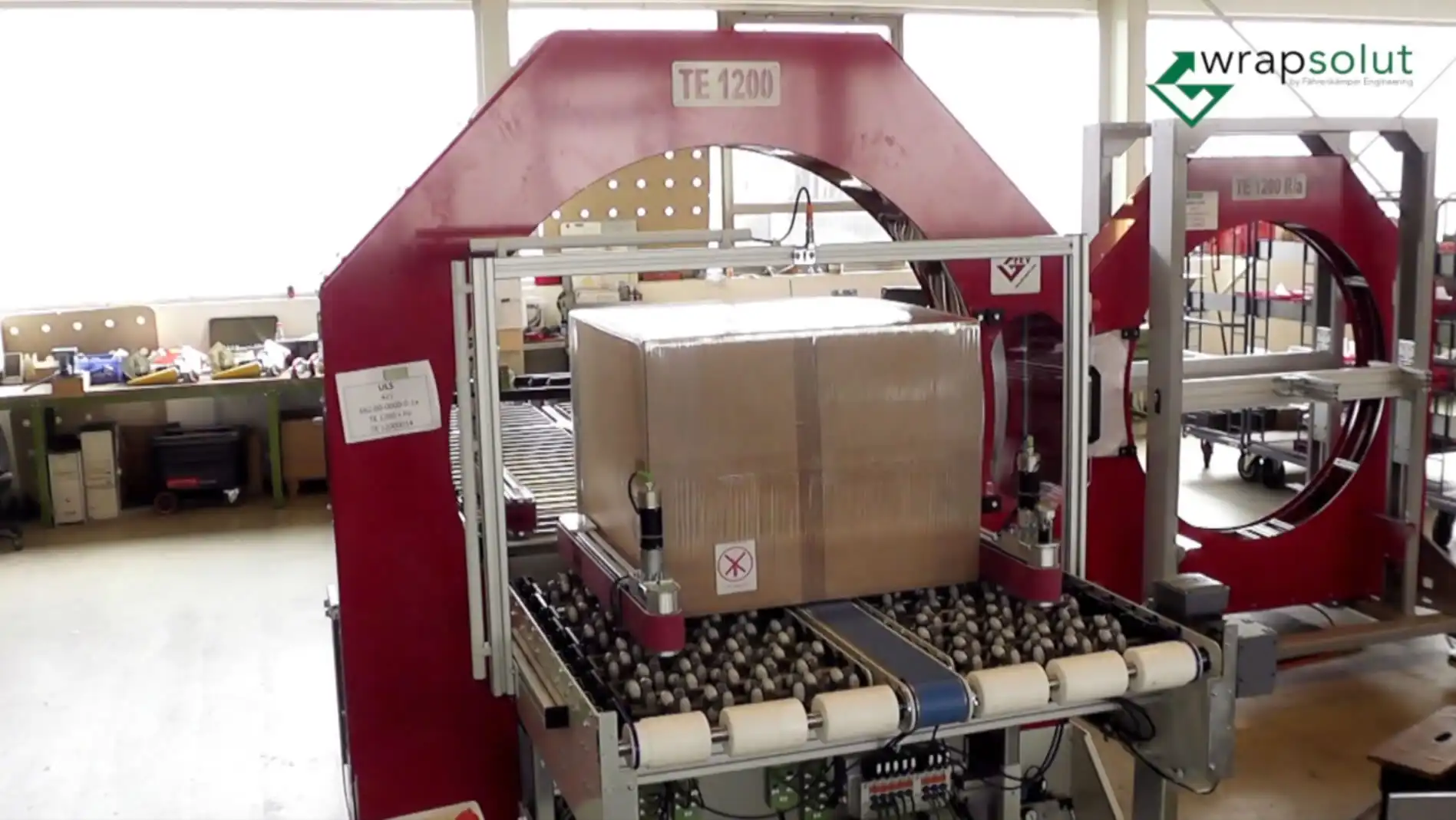

Improving efficiency is not just about raw speed. It is about streamlining the whole operation. A horizontal stretch wrapper helps by integrating seamlessly into your existing production line. Think about how your boards move from one stage to the next. With manual wrapping, there are stops and starts. People need to position the board. Then they manually apply stretch film. This process is often inconsistent. It takes different amounts of time depending on the person. This creates unpredictable delays. An automated horizontal wrapper removes these variables. Boards can move directly from fabrication or cutting to the wrapping station. The machine applies the film in a continuous motion. This creates a smooth flow. This smooth flow reduces bottlenecks. It also improves overall throughput.
Consider the impact on your labor force. Instead of dedicating several workers to manual wrapping, you can reallocate them. They can focus on more value-added tasks. This makes your team more productive. It optimizes your labor resources. For example, if your factory currently has five people manually wrapping boards, a horizontal wrapper might only need one operator to oversee it. The other four workers can then be moved to other critical areas. This directly improves your factory’s overall capacity. It helps you handle larger orders. It also allows you to meet tighter deadlines. The machine can also work longer hours without breaks. This means higher output for your facility. This continuous operation helps keep your production lines moving forward.
Here is a simple comparison:
| Feature | Manual Wrapping | Horizontal Stretch Wrapper |
|---|---|---|
| Speed | Slow, inconsistent | Fast, consistent |
| Labor Needs | High, multiple workers | Low, one operator |
| Integration | Difficult | Seamless with conveyors |
| Throughput | Limited by human pace | High, continuous flow |
| Consistency | Varies by person | Uniform, high quality wrap |
| Operation Time | Limited by shifts, breaks | Continuous, 24/7 capable |
This machine can handle different sizes of boards. It adjusts easily. This flexibility means less downtime for changeovers. It makes your production line more agile. You can switch between different board products quickly. This is important for factories that produce a variety of items. All these factors combine to give you a big boost in efficiency. It makes your factory more competitive. I have seen this transformation in many places. It is a proven way to get more done with less effort.
Can Horizontal Stretch Wrappers Really Make Packaging Safer?
Are your workers constantly at risk? Moving heavy boards around for packaging is dangerous. Manual handling leads to many workplace injuries. This can mean higher insurance costs for your business. It also causes employee turnover. You want to protect your team. But how can you do it without slowing down production?
Horizontal stretch wrappers drastically reduce the need for manual handling of heavy boards. Workers do not have to lift or maneuver large, awkward items for wrapping. The machine takes over this risky task. This lowers the chance of back injuries, strains, and other accidents. It creates a much safer work environment for your team.


Safety is a top priority for any factory manager. Accidents on the shop floor are costly. They cost in terms of human suffering. They also cost in terms of lost workdays, medical bills, and potential lawsuits. Manual packaging of boards, especially large or heavy ones, is a major source of risk. Workers often have to bend, lift, twist, and pull. They are wrapping items at awkward angles. This repetitive stress leads to musculoskeletal disorders. These are common and expensive injuries. A horizontal stretch wrapper changes this. The machine is designed to handle the boards. They move along a conveyor. They go directly into the wrapping zone. Workers only need to load the board onto the conveyor. Or they might just monitor the machine. This greatly reduces direct contact with the product during wrapping.
Think about a factory like Michael Chen’s. He deals with heavy metal products. Manual handling of these items is extremely hazardous. Dropped items can cause severe foot injuries. Improper lifting can lead to lifelong back problems. By automating the wrapping, you remove the human element from the most dangerous part of the process. This investment protects your most valuable asset: your employees. When workers feel safe, they are more productive. They are also more loyal to the company. This reduces employee turnover. It also improves morale. A safer workplace contributes to a more stable and efficient workforce.
Here is how horizontal wrappers enhance safety:
| Safety Aspect | Manual Packaging Risks | Horizontal Wrapper Benefits |
|---|---|---|
| Lifting Heavy Objects | Back injuries, strains, sprains | Automated movement, no manual lifting during wrap |
| Repetitive Motion | Carpal tunnel, tendonitis, fatigue | Reduced manual tasks, less repetitive stress |
| Dropping Objects | Foot injuries, crushed limbs | Secure machine handling, reduced human error |
| Awkward Postures | Spinal injuries, joint problems | Ergonomic design, minimal worker interaction required |
| Pinch Points | Hands or fingers caught in moving parts (manual process) | Guarded machine parts, safety sensors on automated systems |
These machines often come with safety features. They have emergency stops. They have safety interlocks. They have light curtains. These features prevent accidents. They ensure that workers are not exposed to moving parts. My experience building packing machines taught me this. Safety must be built into the design. It is not an afterthought. Investing in safety is not just good for your employees. It is good for your bottom line. It reduces workers’ compensation claims. It lowers insurance premiums. It avoids costly production stops due to accidents. It makes your factory a better place to work.
How Do These Machines Protect Your Boards From Damage?
Are you tired of shipping damaged boards? Do you get customer complaints about scuffed edges or bent corners? Product damage during handling and transport is a common issue. It hurts your reputation. It also costs you money in rework or returns. You need a way to ensure your products arrive in perfect condition.
Horizontal stretch wrappers provide a consistent, tight wrap around boards. This strong, uniform protective layer shields the product from scratches, dents, and moisture. The machine applies the film evenly. This prevents loose spots or weak points. This significantly reduces product damage during internal transfer and shipping. It ensures better quality products reach your customers.
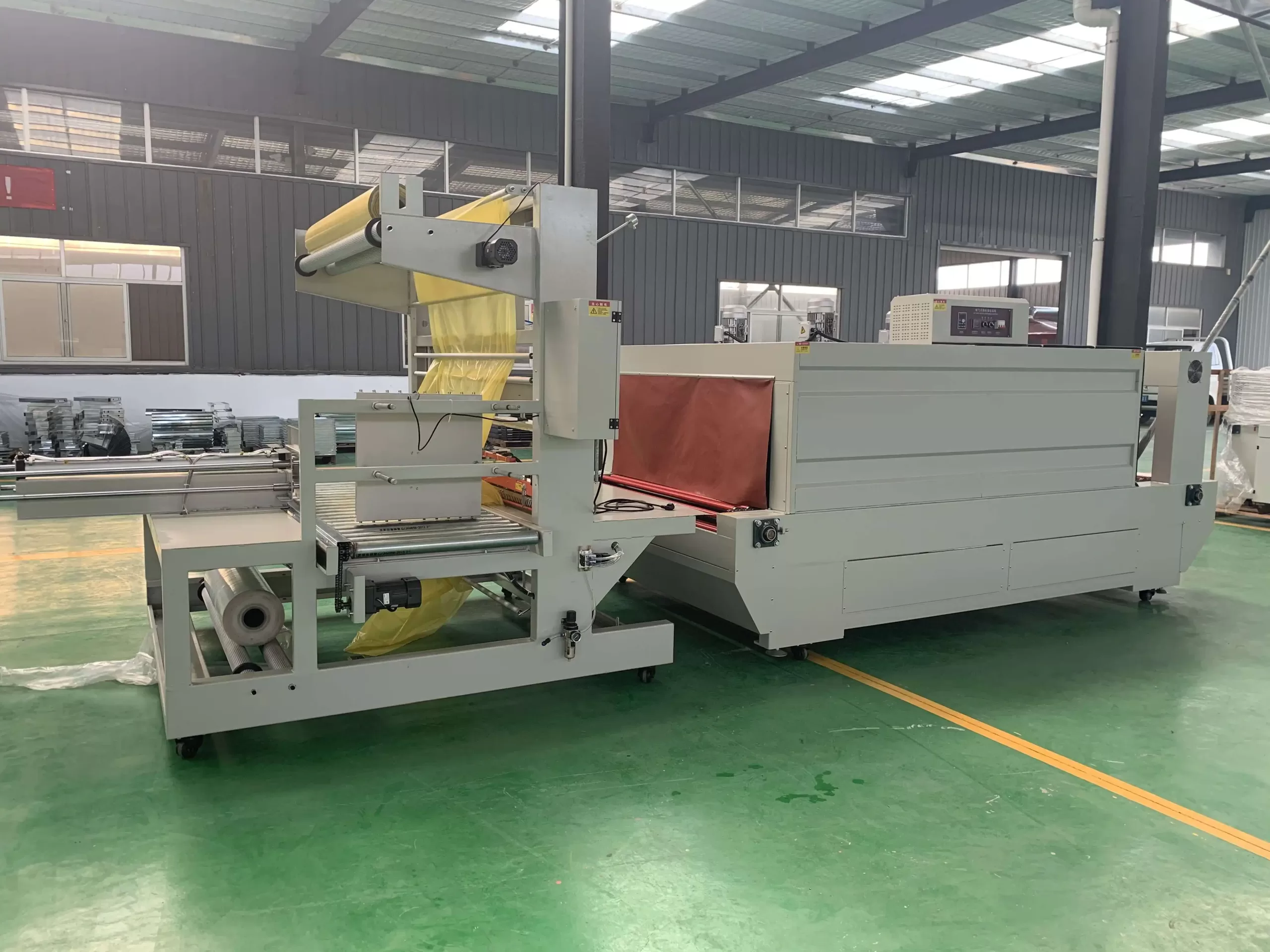

Product quality is directly linked to customer satisfaction. When your boards arrive damaged, it creates a bad impression. It can lead to lost business. It also eats into your profits. Manual packaging methods often lead to inconsistent wrapping. Some parts might be too loose. Other parts might not be fully covered. This leaves your boards vulnerable to damage. During internal movement, boards can collide with each other or with machinery. This causes scuffs and dents. Once they leave the factory, they face even more risks. They might experience impacts during loading onto trucks. They could shift during transit. Moisture and dust are also constant threats.
A horizontal stretch wrapper addresses these issues head-on. It applies stretch film with precise tension. This creates a uniform, multi-layered wrap. This tight cocoon protects the board’s surface. It safeguards its edges and corners. The film acts as a barrier against dust and moisture. This is especially important for materials that can rust or degrade in humid environments. For a factory handling metal boards, preventing rust and surface imperfections is critical. The consistent wrap also secures the boards. They do not shift or rub against each other. This is vital when packaging multiple boards together. It prevents internal friction damage during transit.
Consider these ways horizontal wrappers boost product quality:
| Damage Source | Manual Packaging Vulnerability | Horizontal Wrapper Protection |
|---|---|---|
| Scratches/Scuffs | Inconsistent wrap, exposed surfaces | Tight, uniform film acts as a protective layer |
| Dents/Impacts | Loose wrapping, shifting during transit | Secure bundle, film absorbs minor impacts |
| Moisture/Dust Exposure | Gaps in wrap, incomplete coverage | Sealed, consistent barrier against elements |
| Edge/Corner Damage | Poorly secured edges, manual mishandling | Film conforms tightly, reinforces vulnerable areas |
| Internal Rubbing (multi-pack) | Boards shift against each other | Tightly bundled, prevents movement within pack |
| Handling Damage (post-wrap) | Still possible, but product is protected | Reduces susceptibility to handling impacts |
I have seen countless factories struggle with product loss. They would send out 100 units, but 5-10 would arrive damaged. This is not sustainable. Implementing a robust packaging solution like a horizontal wrapper can dramatically reduce this percentage. It shows your clients you care about quality. It protects your brand reputation. It saves you money in the long run by reducing returns and rework. This leads to happier customers and a healthier bottom line.
What Is the Real Return on Investment for a Horizontal Wrapper?
Are you hesitant to invest in new equipment? You might see the upfront cost. You might wonder if it is truly worth it. Every factory manager needs to justify large purchases. You need clear proof that an investment will pay off. How can you be sure a horizontal stretch wrapper will deliver a good return?
Investing in a horizontal stretch wrapper offers a strong return on investment. It reduces labor costs by automating tasks previously done by hand. It lowers material waste through optimized film usage. It cuts down on product damage and associated rework expenses. These combined savings quickly offset the initial machine cost. It leads to significant long-term financial benefits for your factory.


When I started my own packing machine factory, every investment decision was critical. I had to ensure that the machines I built, and the ones I used, would make financial sense. A horizontal stretch wrapper is not just an expense. It is a strategic investment. It pays for itself in multiple ways. The most obvious saving comes from reduced labor costs. As discussed, you can reallocate workers from manual wrapping to other productive tasks. This means fewer hours spent on a low-value activity. Over time, these labor savings add up. They can be substantial, especially in regions with high labor costs.
Then, there is the reduction in product damage. Every damaged board means lost material cost. It means lost production time. It means lost shipping costs. It means a potential hit to your reputation. By preventing these losses, the machine directly contributes to your profit margin. Think about the hidden costs of customer complaints. There are administrative costs. There are logistics costs for returns. There is the risk of losing future orders. A horizontal wrapper minimizes these indirect costs. It helps maintain customer trust.
Material savings are another key factor. Manual wrapping often uses more film than needed. Workers might overwrap for security. They might use inconsistent tension. An automated machine applies film precisely. It uses only the amount required for a secure wrap. This reduces film waste over thousands of boards. This small saving per board becomes significant over a year. Furthermore, the increased efficiency allows for higher throughput. You can produce and ship more boards in the same amount of time. This means you can take on more orders. This directly boosts your revenue.
Here’s a breakdown of ROI factors:
| ROI Factor | How Horizontal Wrappers Contribute | Impact on Factory |
|---|---|---|
| Reduced Labor Costs | Fewer workers needed for wrapping; reallocate staff | Lower operational expenses, higher labor efficiency |
| Decreased Product Damage | Consistent, protective wrap; less rework/returns | Higher profit margins, fewer customer complaints |
| Lower Material Waste | Optimized film usage, precise tension control | Reduced packaging material expenses |
| Increased Throughput | Faster packaging speed, continuous operation | Higher production capacity, more revenue potential |
| Improved Safety | Fewer injuries, lower insurance premiums, less absenteeism | Reduced hidden costs, better employee morale |
| Enhanced Customer Satisfaction | Consistent quality, on-time delivery; fewer claims | Stronger brand reputation, repeat business |
Calculating the exact ROI involves looking at these numbers for your specific operation. But generally, factory managers see a payback period that makes this investment very attractive. My clients have seen clear financial benefits after integrating these machines. It is about understanding the total cost of ownership. It is about recognizing the long-term benefits beyond just the initial price tag.
Why Partnering with a Packaging Expert Like Us Matters?
Have you ever bought equipment only to be disappointed by the support? Many suppliers focus only on making a sale. They disappear when you need help with maintenance or troubleshooting. You need more than just a machine. You need a partner who understands your challenges. You need someone who can offer real solutions.
Partnering with a seasoned packaging expert like FHOPEPACK offers more than just equipment. It means gaining access to deep industry knowledge and practical experience. We understand the specific production bottlenecks, safety concerns, and efficiency issues your factory faces. We provide tailored advice and reliable solutions. This ensures your investment genuinely solves your problems and helps your business grow.
My journey in the packing machine industry was long. I started as an employee. Then I built my own successful factory. This experience taught me valuable lessons. It is not enough to just sell a machine. You need to understand the client’s operation. You need to know their pain points. Michael Chen, for example, faces pressure to increase output and control costs. He worries about safety. He wants durable equipment. He needs a partner who gets it. This is exactly what FHOPEPACK offers. We do not just build machines. We build solutions.
When you work with us, you are getting more than just metal and wires. You are getting my years of experience. I have dealt with all kinds of production bottlenecks. I have faced safety challenges. I have worked through efficiency puzzles. I know what makes a factory run smoothly. This knowledge helps us guide you. We help you choose the right horizontal stretch wrapper for your specific needs. It is not a one-size-fits-all approach. We look at your board sizes. We look at your production volume. We look at your space constraints. Then we recommend a system that truly fits.
This partnership extends beyond the sale. We provide strong after-sales support. This includes installation guidance. It includes training for your team. It includes maintenance advice. This ensures your machine keeps running smoothly. It minimizes downtime. Remember Michael’s concern about past suppliers who were only interested in sales? That is exactly what we want to avoid. We want to be a long-term partner. We want to see your business grow. We want to contribute to your success.
Here is what a true partnership looks like:
| Aspect | Sales-Focused Vendor Approach | FHOPEPACK Partnership Approach |
|---|---|---|
| Initial Engagement | Push specific products | Listen to challenges, understand needs |
| Solution Design | Generic recommendations | Tailored solutions based on factory data |
| Pre-Sale Support | Limited; focus on closing deal | Detailed technical advice, site assessment |
| After-Sales Support | Minimal, hard to reach | Dedicated support, training, maintenance |
| Long-Term Relationship | Transactional; one-time sale | Collaborative; continuous improvement |
| Value Proposition | Just the machine | Expertise, problem-solving, growth enabler |
I have helped many clients grow their businesses. I achieved financial independence thanks to the packing machine industry. Now, I want to give back. I want to share my expertise. I want to help you succeed too. Choosing the right partner makes a huge difference. It means less stress for you. It means more success for your factory.
Conclusion
Horizontal stretch wrappers boost factory efficiency, improve safety, and protect product quality. This leads to clear financial returns. Partnering with FHOPEPACK provides expert guidance and reliable solutions for your business growth.












