

Horizontal Stretch Wrapper Technology: How Does It Transform Board Product Packaging?
Are you struggling with slow packing speeds, constant product damage, or high labor costs in your factory? Many plant managers face these exact issues. Manual packing of large, long items like steel sheets, panels, or timber is often inefficient. It can also be very dangerous. This leads to production bottlenecks and unhappy customers. There is a better way to handle these challenges.
Horizontal stretch wrapper technology is a system that wraps long products with stretch film. It works by moving the product through a rotating ring of film. This ring applies multiple layers of film tightly around the item. This process secures the product. It also protects it from dust, moisture, and damage during transport. This technology makes packing faster and safer for board-like products.


You might be thinking, “This sounds great, but how does it truly work for my specific production line?” Or, “Can it really solve my factory’s unique problems?” In this article, I will break down how these machines operate. I will also explain how they tackle common factory challenges. We will look at improving efficiency, enhancing safety, and reducing product damage. This will help you see the real benefits of this technology for your business.
Addressing Efficiency Bottlenecks: How Can Horizontal Wrappers Speed Up Your Production Line?
Is your current packing process creating a major bottleneck at the end of your production line? Are you finding that manual labor simply cannot keep up with demand? This common problem slows down deliveries. It also increases operational costs. It means your valuable products sit waiting to be packed. This impacts your overall productivity.
Horizontal stretch wrappers significantly boost packing efficiency. They do this by automating the wrapping process. Products move continuously through the machine. The rotating arm quickly applies film. This eliminates the need for manual wrapping. It also reduces downtime between items. This leads to faster throughput and a more streamlined operation.


Horizontal stretch wrappers bring speed and consistency to your packing operations. They replace slow, inconsistent manual work. This is vital in high-volume settings. The machine’s design allows for continuous product flow. This means no stopping and starting. This constant motion maximizes output. It also ensures each product is wrapped uniformly. I have seen countless factories transform their production rates with these machines. When I started my factory, I realized the importance of automating repetitive tasks early on. This frees up human resources for more complex work.
How Automation Improves Flow and Output
- Consistent Speed and Throughput: A horizontal wrapper operates at a consistent speed. This eliminates human fatigue and variability. It means you get the same fast wrapping performance every time. This predictable speed helps you plan your production schedule more accurately. You can predict how many items you will pack in an hour or a shift. This consistency is crucial for meeting tight deadlines. It ensures a steady flow of finished goods.
- Reduced Labor Dependency: These machines greatly reduce the need for manual labor in the packing area. You need fewer workers to handle the wrapping itself. This allows you to reassign employees to other parts of the factory. They can work on tasks that require human judgment or skill. This also addresses labor shortages. It makes your operations less dependent on a large packing team. This means significant savings on wages and benefits over time.
- Seamless Integration: Modern horizontal wrappers can easily integrate into existing production lines. They can connect with conveyors and other material handling systems. This creates a fully automated end-of-line solution. Products can move directly from fabrication or assembly into the wrapper. They then move onto the shipping area. This seamless flow reduces bottlenecks. It also minimizes product handling. This makes the entire process smoother and faster. It is important to choose a machine that fits your current setup. This ensures a quick and easy installation.
| Feature | Manual Packing Process | Horizontal Wrapper Process |
|---|---|---|
| Speed | Slow, variable, depends on worker pace | Fast, consistent, machine-controlled |
| Labor Requirement | High, multiple workers needed for heavy items | Low, one or two operators to monitor |
| Consistency | Varies, prone to human error | High, uniform wrap every time |
| Bottleneck Risk | High, often creates production bottlenecks | Low, keeps pace with production line |
| Operational Cost | High, ongoing labor costs, insurance | Lower, initial investment, reduced labor costs |
| Throughput | Limited by manual speed and worker availability | High, maximized by continuous automation |
Enhancing Workplace Safety: How Do These Machines Protect Your Workers from Injury?
Are your employees frequently handling heavy, awkward, or long items during packing? Is this leading to injuries, high insurance costs, and employee turnover? Manual lifting and repetitive tasks in packing areas pose significant safety risks. These risks include back injuries, sprains, and even crushed limbs. This not only harms your workers but also impacts your bottom line.
Horizontal stretch wrappers dramatically improve workplace safety. They eliminate the need for workers to manually lift, move, or wrap heavy or oversized items. Products are moved by conveyor through the machine. This keeps workers away from moving parts and heavy loads. This greatly reduces the risk of accidents and repetitive strain injuries. It creates a safer environment for your team.
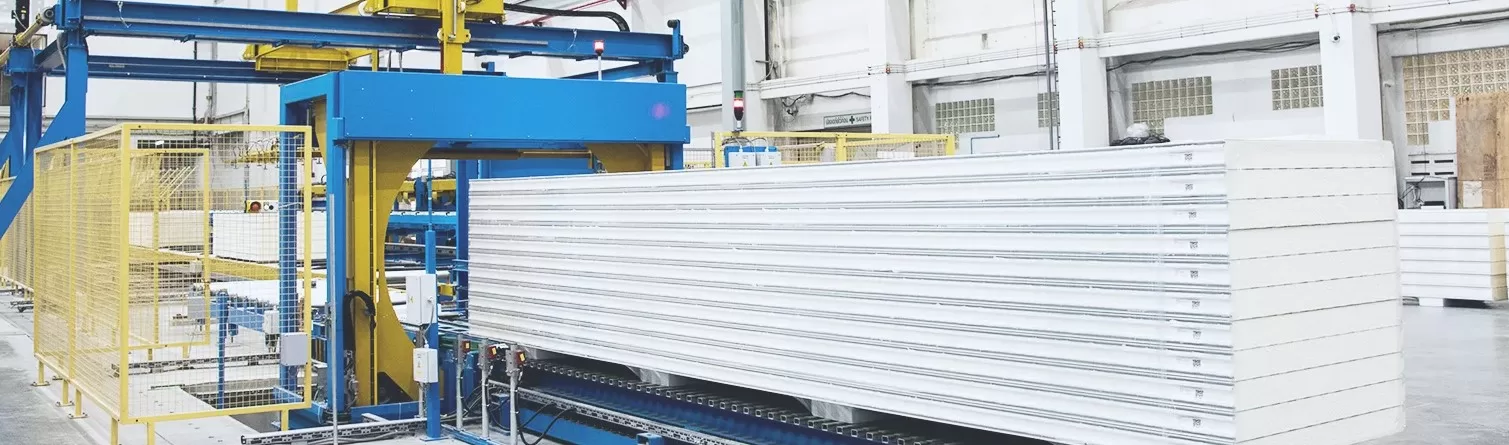

Worker safety is a top priority for any factory manager. I know from my own experience building a factory that employee well-being directly impacts productivity and morale. By automating the most dangerous parts of the packing process, horizontal wrappers protect your most valuable asset: your people. They make sure you comply with safety regulations. This also reduces your liability.
Key Ways Wrappers Improve Safety
- Elimination of Manual Handling: The primary safety benefit is the removal of manual lifting and carrying. Workers no longer need to struggle with heavy bundles of steel or long wooden planks. These items are transported by conveyor or forklift directly into the wrapper. This means no more back strains, sprains, or dropped loads. This is especially important for items that are heavy or have sharp edges. It makes the job much less physically demanding.
- Reduced Repetitive Motions: Manual wrapping involves a lot of bending, stretching, and repetitive arm movements. Over time, these actions can lead to musculoskeletal disorders. Automated horizontal wrappers perform these repetitive tasks. This frees workers from these harmful motions. Operators only need to monitor the machine. They may load film rolls or adjust settings. This is a much safer job. It reduces long-term health risks for your employees.
- Improved Compliance and Lower Costs: Investing in automated packing equipment shows a commitment to worker safety. This can help you comply with occupational safety regulations. Better safety records can also lead to lower insurance premiums. Fewer workplace injuries mean less lost time due to accidents. It also means lower workers’ compensation claims. This directly improves your factory’s financial health. It also creates a more positive work environment. Your employees feel safer and more valued.
| Safety Risk | Manual Handling Solution | Horizontal Wrapper Solution |
|---|---|---|
| Back Injuries | Heavy lifting, awkward postures | Automated conveying, no manual lifting |
| Sprains/Strains | Repetitive wrapping motions | Machine performs wrapping, minimal human motion |
| Crushing Injuries | Dropped loads, improper stacking | Stable machine operation, secure product flow |
| Falling Objects | Unstable manual stacks | Tightly wrapped, stable bundles |
| Sharp Edges/Surfaces | Direct contact with unprotected items | Machine handles, minimizes human contact |
| Insurance Costs | Higher due to injury claims | Lower due to improved safety record |
Minimizing Product Damage: How Do Horizontal Wrappers Ensure Your Products Arrive Intact?
Are your valuable products, like steel coils or finished boards, suffering damage during internal transfers or shipping? Are you facing customer complaints because of scratches, dents, or moisture damage? This not only costs you money in rework or scrap but also harms your brand reputation. Ensuring products arrive in perfect condition is critical for customer satisfaction.
Horizontal stretch wrappers protect products from damage by applying a tight, multi-layered film wrap. This creates a secure barrier around the product. It prevents scratches, scuffs, and impacts during handling and transit. The film also protects against dust, dirt, and moisture. This ensures products reach the customer in pristine condition. It reduces costly returns and claims.
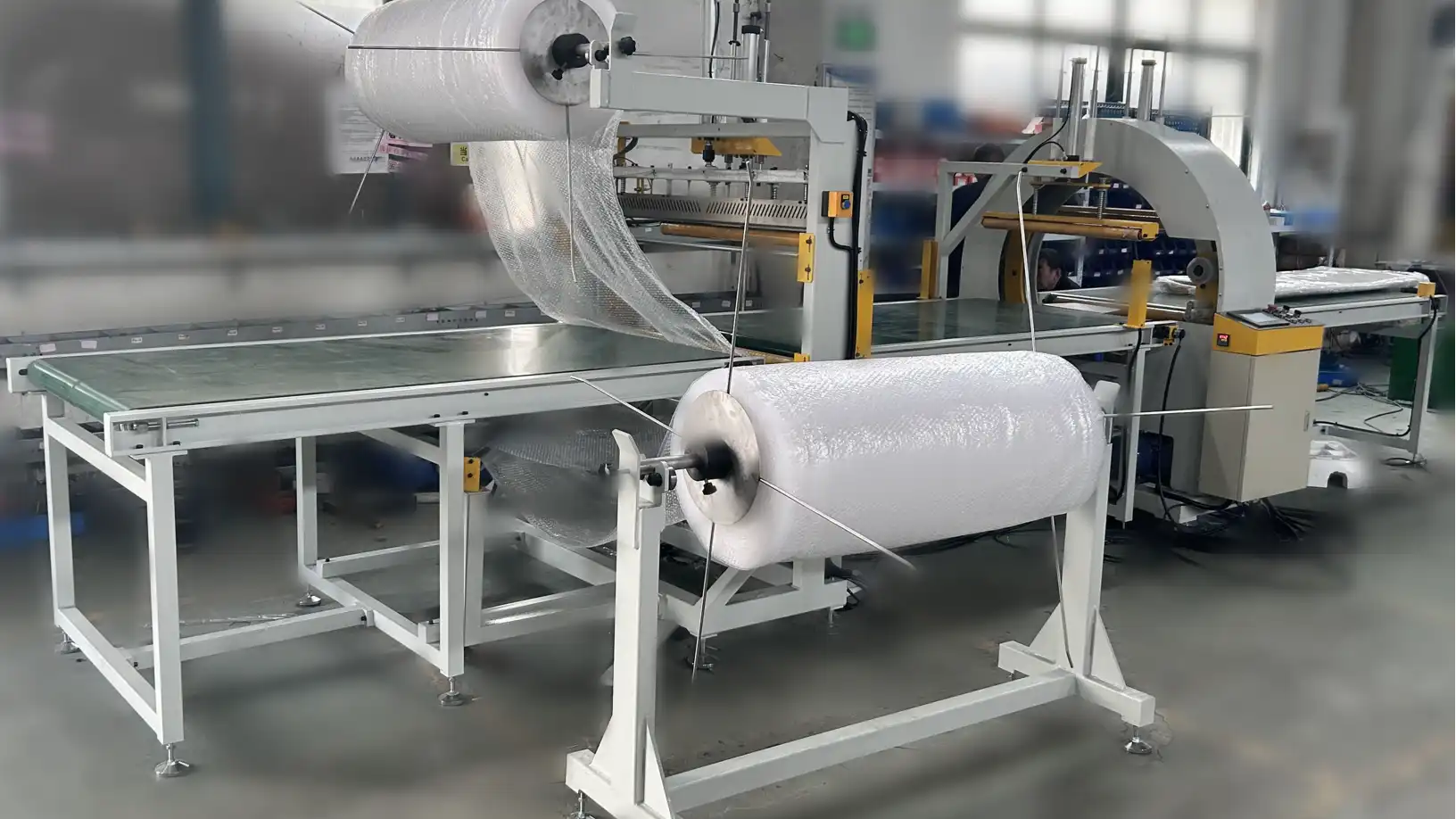

Product quality directly impacts your profitability. Every damaged item is a loss. From my experience in the packing machine industry, I have seen how proper packaging can reduce waste and boost customer loyalty. Horizontal wrappers are designed to apply consistent film tension. This holds the product firmly. It prevents movement that could cause internal damage.
How Wrapping Prevents Product Loss
- Physical Protection: The stretch film acts as a protective skin. It guards against impacts, scratches, and abrasions. For items like painted metal sheets or delicate wood panels, even minor surface damage can make them unsellable. The tight wrap keeps individual pieces together. It stops them from rubbing against each other during transport. This is especially important for long, flat items that are prone to bending or chipping at the edges. The film holds everything in place.
- Environmental Barrier: Stretch film provides a strong barrier against external elements. It keeps out dust, dirt, and moisture. This is vital for materials that can rust, corrode, or degrade when exposed. For example, steel products need protection from humidity to prevent rust. Wood products need protection from water to prevent warping or mold. The wrap creates a seal. This ensures the product’s quality is maintained from your factory to the customer’s site. It means fewer claims related to environmental damage.
- Load Stability and Security: A properly wrapped product is a stable product. The film binds multiple items together into a single, cohesive unit. This prevents shifting or falling during handling. This is crucial for safety during loading and unloading. It also protects the product during bumpy transit. A stable load is less likely to break apart. It is also less likely to damage other goods in transit. This means fewer losses for you and your clients. The consistent tension applied by the machine ensures every package is equally secure.
| Type of Product Damage | Cause in Manual/Poor Packing | Solution with Horizontal Wrapper |
|---|---|---|
| Scratches/Scuffs | Loose packing, rubbing, external contact | Tight film wrap, secure barrier, prevents movement |
| Edge Damage | Unprotected edges, impact during handling | Film covers and protects all edges |
| Dust/Dirt Accumulation | Open packaging, exposure to factory air | Fully enclosed wrap, seals out contaminants |
| Moisture/Rust | Exposure to humidity, rain | Water-resistant film, creates a protective seal |
| Shifting/Breakage | Loose bundles, unstable loads | High film tension, binds products securely |
| Customer Complaints | Damaged goods, poor presentation | Consistent, protective wrap, professional look |
Choosing the Right Partner: Why Is Expertise Crucial When Investing in Packaging Automation?
Have you ever worked with a supplier who only cares about making a sale? Did they leave you without proper after-sales support once the machine was delivered? Many factory managers have faced this problem. It leads to frustration, lost production time, and wasted money. You need a partner who understands your challenges and stands by their solutions.
Choosing the right partner for packaging automation is critical. An expert partner understands your production bottlenecks, safety needs, and cost goals. They offer solutions based on real industry experience. They provide strong after-sales support. This ensures your investment truly solves your problems and drives growth. They are not just selling a machine; they are building a relationship based on trust and expertise.


When I founded FHOPEPACK, my goal was always to share practical knowledge. I started as an employee in a packing machine factory. Then, I built my own successful factory. This journey taught me the difference between a salesperson and a true partner. I understand the pressure you face. I know how important reliable equipment and expert guidance are. I also know that a machine is only as good as the support behind it. This is why I am dedicated to helping others succeed in this field.
My Insights: The Value of True Partnership
- Understanding Your Unique Challenges: A real expert will take time to understand your specific factory operations. They will ask about your production volume, the types of products you pack, and your current pain points. They will not offer a one-size-fits-all solution. Instead, they will tailor their recommendations. This ensures the machine truly addresses your efficiency bottlenecks, safety concerns, and product damage issues. This deep understanding comes from years of hands-on experience in the industry. It is not just about specs; it is about solving your specific problems.
- Providing Proven Solutions and ROI: An experienced partner will offer solutions that have a clear return on investment (ROI). They can show you how a horizontal wrapper will lower your labor costs. They can explain how it reduces product loss. They can demonstrate how it increases your overall profitability. They use data and case studies to prove their claims. They are confident in their equipment’s durability and performance. They are focused on your success. This makes your investment a strategic asset, not just an expense.
- Commitment to After-Sales Support: The purchase of a machine is just the beginning. A reliable partner offers comprehensive after-sales support. This includes installation assistance, operator training, and ongoing technical support. They provide spare parts quickly. They respond to service requests efficiently. This minimizes downtime. It ensures your machine runs smoothly for years. This commitment is vital for long-term operational success. It means you have a trusted advisor by your side. This is what truly differentiates a good supplier from a great partner.
| Aspect | Sales-Focused Supplier | Expert Partner (Like FHOPEPACK) |
|---|---|---|
| Focus | Making a quick sale, pushing standard products | Solving your problems, long-term relationship |
| Understanding Your Needs | Limited, generic recommendations | Deep, tailored solutions based on experience |
| Solution Approach | Standard catalog products | Customized proposals, proven ROI |
| After-Sales Support | Often minimal or slow | Comprehensive, responsive, dedicated |
| Trust & Reliability | Questionable, transactional | High, built on expertise and commitment |
| Long-term Value | Short-term gain for them | Long-term growth and success for you |
Conclusion
Horizontal stretch wrapper technology is a powerful solution for improving packing efficiency, enhancing safety, and reducing product damage. Partnering with experienced experts like us ensures your investment truly delivers lasting value.












