

How engineers evaluate pallet inverter ROI in beverage and dairy storage facilities?
In the fast-paced world of beverage and dairy distribution, every minute counts. Manual pallet handling slows things down. It leads to mistakes and even injuries. You know the pressure: diverse pallet types, tight delivery schedules, and rising labor costs. These challenges make it hard to keep operations smooth and profitable. I have seen this many times throughout my journey in the packing machine industry.
Engineers evaluate pallet inverter ROI in beverage and dairy facilities by focusing on tangible cost savings from reduced labor, improved safety, and minimized product damage. They also look at increased throughput, better space utilization, and the flexibility to handle varied pallet types like Euro and US standard pallets. This evaluation considers the initial investment against long-term operational efficiencies and risk mitigation.


I built FHOPEPACK to share knowledge. I want to help businesses like yours succeed. Understanding ROI for a pallet inverter means looking beyond the price tag. It means seeing the full picture of how it transforms your warehouse. Let’s dive deeper into how engineers truly measure this value, especially in the unique environment of beverage and dairy storage.
How do pallet inverters cut down labor costs and product damage?
Are you feeling the pinch of high labor costs and frequent product damage? Manual pallet changing is tough work. It demands a lot of people. It also brings the risk of goods falling or getting damaged. This impacts your bottom line directly. I have seen how this affects businesses.
Pallet inverters reduce labor costs by automating a manual, time-consuming process. This frees up staff for higher-value tasks. They also minimize product damage by offering a secure, controlled method for pallet transfers. This prevents spills, drops, and impacts that often occur with manual handling in beverage and dairy operations.
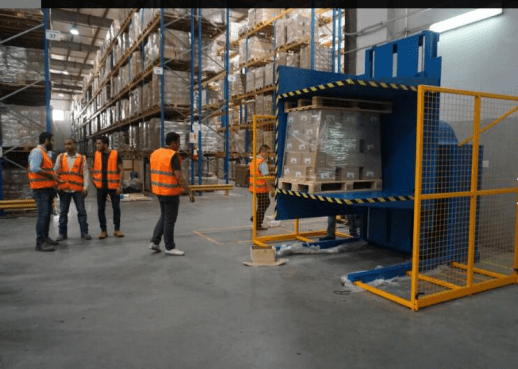

I started my journey on the factory floor. I know firsthand the challenges of manual labor. I also understand the value of a dollar saved. When we talk about ROI, labor savings and damage reduction are big parts of it. Let’s break down how a pallet inverter makes a real difference in these areas.
-
Reducing Direct Labor Costs
- Less Manpower Needed: Manual pallet transfers often need two or more workers. These workers spend time lifting, rotating, and moving heavy pallets. A pallet inverter automates this. It allows one operator to manage the process. This means you can reassign staff to other important tasks. You do not need to hire extra people for this specific job.
- Faster Process Cycle: A machine works faster than people for repetitive tasks. A pallet inverter can complete a transfer in minutes. This is much quicker than manual methods. This speed boosts overall warehouse efficiency. It lets your team focus on other productive work.
- Lower Overtime Costs: When operations get busy, manual handling often leads to overtime. An automated system keeps a steady pace. It reduces the need for extra hours. This helps control payroll expenses. It also gives your team a better work-life balance.
-
Minimizing Product Damage
- Gentle Handling: Beverage and dairy products are often fragile. They can be liquids in cartons, bottles, or delicate food items. Manual shifting can lead to rough handling. A pallet inverter uses a controlled, smooth motion. This minimizes the risk of product shifting, falling, or crushing. It protects your inventory.
- Reduced Spillage and Breakage: Spills in a dairy or beverage warehouse are costly. They mean lost product, cleaning time, and potential safety hazards. Pallet inverters secure the load firmly before any movement. This greatly reduces spillage and breakage. It keeps your products safe and intact.
- Fewer Repacking Needs: Damaged goods often need repacking or disposal. This adds time and cost. By preventing damage, a pallet inverter cuts down on these extra steps. This streamlines your outbound process. It ensures products reach customers in perfect condition. I have seen clients save thousands each month just from avoiding repacking.
- Improved Load Stability: The machine ensures the load is stable on the new pallet. This is key for safe transport. A well-secured load on a pallet reduces damage during transit. It also improves safety for truck drivers and delivery staff.
- Specific Example: Dairy Products: Milk cartons or yogurt cups are easily crushed. A manual flip might damage a whole layer. A pallet inverter ensures a consistent, gentle turn. This protects the integrity of each unit. This means fewer returns and happier customers.
Can pallet inverters truly speed up daily operations and handle diverse pallet types?
Is your warehouse struggling with slow pallet changes? Do you have trouble switching between Euro, US, and plastic pallets? These issues can create bottlenecks. They affect your delivery times and customer satisfaction. I know that speed and flexibility are crucial for success in logistics.
Yes, pallet inverters significantly speed up daily operations by automating the entire pallet changing process. They efficiently handle diverse pallet types, including Euro, US, and plastic pallets. This adaptability ensures seamless transitions for international shipping and compliance with different regulations, all while maintaining high throughput in beverage and dairy facilities.
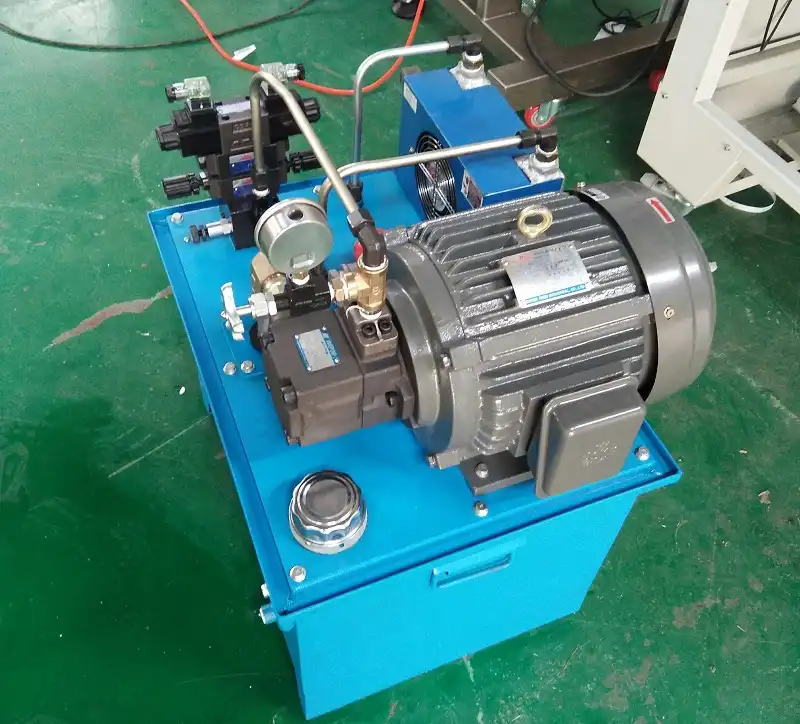

I have helped many clients grow their businesses. A big part of that was optimizing their internal processes. Speed and adaptability are not just buzzwords. They are real drivers of success. Let’s explore how pallet inverters deliver on these promises for your operations.
-
Boosting Operational Speed
- Faster Turnaround Times: Manual pallet swapping is slow. It takes many steps and human effort. An automated pallet inverter performs this task quickly. It cuts down the time per pallet. This speeds up your overall warehouse flow. It lets you process more goods in less time.
- Reduced Bottlenecks: Pallet changing often creates a bottleneck in busy warehouses. Goods wait to be moved to the correct pallet type. An inverter removes this delay. It ensures a smooth, continuous flow of products. This is especially vital in beverage and dairy sectors where products have expiration dates.
- Increased Throughput: With faster cycle times and fewer bottlenecks, your warehouse can handle more pallets each day. This increased throughput directly supports higher sales volumes. It lets you meet growing customer demand without expanding your physical space. I have seen companies increase their daily pallet changes by 50% or more.
- Consistent Performance: Humans can get tired. Their speed and accuracy might vary. A machine performs consistently. It works at the same speed and with the same precision every time. This reliability is key for maintaining a predictable operation schedule.
-
Handling Diverse Pallet Types
- Euro vs. US Pallets: International trade often means dealing with different pallet standards. European countries use Euro pallets. The US uses different sizes. Manually switching between these can be a headache. Pallet inverters are designed to accommodate various pallet sizes and materials. They make this transition easy.
- Plastic Pallets for Hygiene: The beverage and dairy industry needs high hygiene standards. Plastic pallets are often preferred for internal use. They are easy to clean. They also reduce contamination risks. However, goods might arrive on wooden pallets. An inverter allows you to switch from inbound wooden pallets to hygienic plastic pallets for internal storage.
- Damaged Pallet Replacement: Sometimes, pallets arrive damaged. You cannot ship goods on a broken pallet. An inverter lets you quickly replace a damaged pallet with a new, sturdy one. This ensures your outbound shipments are safe and compliant.
- Streamlined Export Operations: For businesses exporting goods, pallet compatibility is critical. An inverter ensures your products are on the correct pallet for the destination country. This prevents delays at customs or delivery issues. It keeps your international clients happy. I built my business on solving these kinds of practical problems for clients.
- Adaptability for Special Loads: Some pallet inverters have features for unique or sensitive loads. They can adjust pressure or tilt angles. This flexibility ensures safe handling for a wide range of beverage and dairy products. It protects specialized packaging.
What role do pallet inverters play in making beverage and dairy warehouses safer and more compliant?
Are you worried about workplace accidents? Do you struggle with meeting strict industry safety and hygiene rules? Manual pallet handling carries risks. These risks include injuries and potential fines. In beverage and dairy, compliance is not just good practice. It is essential.
Pallet inverters play a crucial role in enhancing warehouse safety by removing manual handling of heavy loads. This significantly reduces the risk of back injuries, crush injuries, and product falls. They also aid compliance in beverage and dairy facilities by enabling easy transfer to hygienic pallets, meeting strict food safety regulations, and ensuring loads are stable for transport.


I have seen the human cost of unsafe workplaces. I have also seen the financial cost of non-compliance. My goal has always been to provide solutions that work. This includes making operations safer and more reliable. Let’s look at how pallet inverters achieve this in your specific industry.
-
Enhancing Workplace Safety
- Eliminating Manual Strain: Lifting and rotating heavy pallets manually puts stress on workers’ bodies. This leads to back injuries, muscle strains, and other musculoskeletal disorders. A pallet inverter removes this manual effort. It protects your employees from these common workplace injuries.
- Reducing Accident Risks: Manual pallet changes involve risks like dropping goods or getting hands caught. These can cause serious injuries. Automated systems are designed with safety features. They have protective barriers and emergency stops. These features drastically lower accident rates. Your team can work in a much safer environment.
- Preventing Product Falls: Unstable loads can fall during manual handling. This can injure workers. It also damages products. A pallet inverter secures the load throughout the transfer process. This prevents items from tipping or falling. It protects both people and inventory.
- Cleaner Work Environment: Spills from damaged products create slip hazards. By preventing spills, pallet inverters keep your warehouse floor cleaner and safer. This is very important in dairy and beverage facilities. Spills can lead to bacterial growth if not cleaned fast.
- Lower Insurance and Compensation Costs: Fewer accidents mean fewer claims. This can lead to lower insurance premiums over time. It also avoids costly worker compensation payouts. A safer workplace is a more profitable workplace. I always tell my clients that investing in safety pays off.
-
Ensuring Compliance and Hygiene
- Food Safety Standards: The beverage and dairy industry faces strict hygiene rules. Wooden pallets can harbor pests, splinters, or dirt. An inverter allows you to switch incoming goods from wooden pallets to clean, food-grade plastic pallets for internal use. This maintains a sterile environment. It helps you meet HACCP or similar standards.
- Cross-Contamination Prevention: Switching to dedicated internal pallets prevents cross-contamination. This is critical for preventing spoilage or health risks in food products. You avoid bringing outside contaminants into your clean zones.
- Regulatory Adherence: Different countries and regions have specific rules for pallet materials in food handling. An inverter gives you the flexibility to meet these varied requirements. This smooths out international shipping and avoids regulatory hurdles. It keeps your supply chain moving.
- Load Stability for Transport: Pallet inverters ensure the load is stable and properly centered on the new pallet. This is key for safe transport. A stable load complies with transport safety regulations. It prevents shifting during transit. This reduces the risk of accidents on the road.
- Traceability and Quality Control: By maintaining product integrity and preventing damage, pallet inverters support better quality control. You can ensure that every product leaving your facility meets your high standards. This also aids in tracing any issues back to their source.
How does selecting the right pallet inverter ensure a long-term return on investment?
Are you concerned about making a big investment that doesn’t pay off? Choosing the wrong equipment can be costly. It can lead to breakdowns, poor performance, and even more problems than you started with. You need a solution that lasts and truly helps your business grow.
Selecting the right pallet inverter ensures a long-term return on investment by matching the machine’s capacity, features, and durability to the specific needs of beverage and dairy operations. This involves considering factors like throughput requirements, pallet types, product fragility, and the supplier’s post-sales support, ensuring reliable, efficient, and sustained performance over many years.
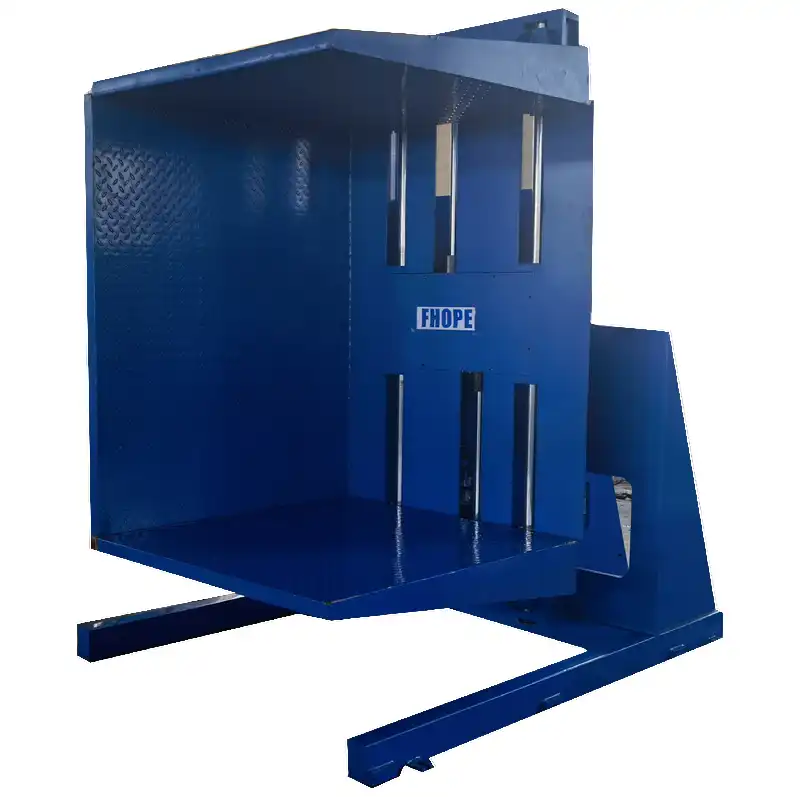

I built FHOPEPACK from the ground up. I know what it takes to run a successful factory. I also know that equipment is an investment, not just an expense. Making the right choice means looking beyond the initial price. It means thinking about the future. Let’s explore how to pick a pallet inverter that truly delivers long-term value.
-
Matching Needs with Machine Specifications
- Capacity and Throughput: Assess your current and future volume. How many pallets do you need to process per hour or day? Choose an inverter with the right capacity. Do not overspend on a machine that is too big. Do not underspend on one that cannot keep up.
- Pallet and Load Compatibility: Make sure the inverter can handle all your pallet types (Euro, US, plastic) and your specific load sizes and weights. This is crucial for beverage and dairy products which can be heavy and vary in size.
- Product Fragility: For delicate items like bottled beverages or dairy products, consider features that offer gentle handling. Some inverters have adjustable pressure or cushioned clamps. This protects your goods.
- Space Requirements: Plan where the inverter will go. Ensure it fits your warehouse layout. Consider if you need a static, mobile, or integrated system.
-
Focusing on Durability and Reliability
- Robust Construction: Industrial equipment must be built to last. Look for heavy-duty materials and strong engineering. This ensures the machine withstands the demands of a busy warehouse environment.
- Quality Components: Check the quality of motors, hydraulics, and electrical systems. High-quality components mean fewer breakdowns. They also mean less maintenance.
- Simple Maintenance: A machine that is easy to maintain will save you time and money. Ask about routine maintenance schedules and parts availability.
- Proven Track Record: Choose a supplier with a good reputation. Look for case studies or testimonials from similar businesses. I always made sure our FHOPEPACK machines were built for endurance.
-
Evaluating the Supplier and Support
- Technical Expertise: Does the supplier understand your industry? Can they offer expert advice on the best solution for your unique challenges? My background as an engineer means I speak your language. I understand your pain points.
- Installation and Training: A good supplier provides professional installation. They also offer thorough training for your staff. This ensures your team can operate the machine safely and efficiently from day one.
- After-Sales Service: This is critical for long-term ROI. What kind of warranty do they offer? How quickly can they provide spare parts or technical support? Reliable support prevents costly downtime. I always emphasize building long-term partnerships, not just selling machines.
- Customization Options: Sometimes, a standard solution is not enough. Can the supplier customize the inverter to fit your exact needs? This flexibility ensures the machine integrates perfectly into your existing operations.
- Safety Certifications: Ensure the machine meets all relevant safety standards and certifications. This is vital for compliance and protecting your workforce.
Conclusion
Engineers maximize pallet inverter ROI by cutting labor, boosting safety, and improving efficiency. They look at speed, pallet flexibility, and long-term reliability. Choosing the right partner with strong support ensures sustained success and significant savings in beverage and dairy facilities.












