
How Does Seamless ERP Integration Optimize Coil Packaging in Canadian Plants?
Have you ever felt the constant pressure of managing a manufacturing plant? You are always pushing to increase output, control costs, and keep your team safe. Your current coil and wire packaging processes might rely on a lot of manual work. This is slow and very inefficient. It slows down your whole production line and delivery times.
Seamless ERP integration optimizes coil packaging by connecting packaging machinery data directly with your enterprise resource planning system. This real-time data flow automates order fulfillment. It tracks inventory precisely. It minimizes manual errors. It also provides clear insights for constant process improvement. This leads to much faster throughput and big cost savings for your plant.

As someone who has built a successful packing machine factory from the ground up, I have seen first-hand the powerful change smart technology can bring to manufacturing. This is not just theory; it is about practical solutions that drive real business growth. Let’s dive deeper into how ERP integration can change your coil packaging operations, no matter where your plant is located.
Does ERP Integration Truly Eliminate Packaging Bottlenecks and Manual Labor?
Is your coil packaging line a bottleneck? Does it slow down your entire production? Are you still relying on manual processes for heavy coils and wires? This creates delays. It wastes labor. It limits your output. It stops you from meeting tight deadlines and growing your business.
ERP integration eliminates packaging bottlenecks by automating the entire workflow from order entry to final dispatch. It connects packaging machinery directly to your production schedule. This allows automatic adjustments. It reduces human involvement. It speeds up throughput very much.
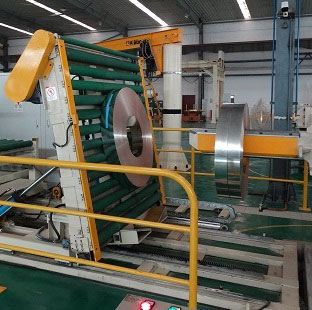
When you integrate your coil and wire packaging machines with your ERP system, you create a smart, interconnected workflow. Your ERP system holds all the critical data: customer orders, coil dimensions, material type, and shipping details. In a manual system, this information gets printed out. Then, workers read it. They then manually set up machines or prepare items. This can lead to mistakes. It takes a lot of time. With ERP integration, the ERP system sends these details directly to the packaging machines. The machines receive the data. They adjust automatically. They know the correct wrapping tension or the right number of straps. This means less human setup time. It means fewer errors. It makes the whole process much faster.
From Manual Drudgery to Automated Flow
Think about a worker manually wrapping a heavy steel coil. This is slow. It needs a lot of physical effort. It can be dangerous. An automated system, linked to ERP, can handle these coils with precision. It uses robotic arms or specialized wrapping machines. The ERP tells the machine what to do. It tells it the coil’s size. It tells it the wrapping material needed. The machine performs the task. This frees up your workers. They can do other, more valuable tasks. This also ensures consistent packaging quality. Each coil is wrapped the same way. This improves product protection. It helps reduce labor costs significantly. You need fewer people to do the same amount of work. This also means you can reassign skilled workers to tasks that truly need human intelligence, instead of repetitive physical labor.
Real-Time Synchronization for Peak Performance
ERP integration allows for real-time synchronization. As new orders come in, the ERP updates the production schedule. It then updates the packaging line instantly. If there is a sudden rush order for a specific type of wire coil, the ERP can prioritize it. It can tell the packaging machine to switch settings. This happens without any manual input. This flexibility is very important. It means your plant can respond quickly to market demands. It prevents a backlog at the packaging stage. It makes sure that your finished products move out of the factory as fast as possible. This also helps with inventory management. The ERP knows exactly what has been packaged and is ready for shipment. This reduces the need for large buffer stocks. It makes your inventory more accurate.
| Metric | Before ERP Integration | After ERP Integration |
|---|---|---|
| Manual Setup Time | High (minutes per product change) | Low (seconds, often automated) |
| Packaging Throughput | Limited by manual speed | Increased by machine speed |
| Data Entry Errors | Frequent | Minimal |
| Production Delays | Common at packaging stage | Rare, due to automated flow |
| Labor Cost per Unit | High | Significantly reduced |
Can ERP-Linked Automation Drastically Improve Workplace Safety and Reduce Damage?
Are you constantly worried about worker safety, especially when handling heavy coils and wires? Is product damage during packaging eating into your margins? Manual handling of massive coils or wire can lead to severe injuries. This also means high insurance costs. Damaged products mean costly returns and unhappy customers.
ERP-linked automation greatly improves workplace safety by minimizing manual handling of heavy materials. This reduces the risk of muscle injuries and accidents. It also decreases product damage through precise, automated packaging processes. This ensures consistent quality and secure transit for coils and wires.
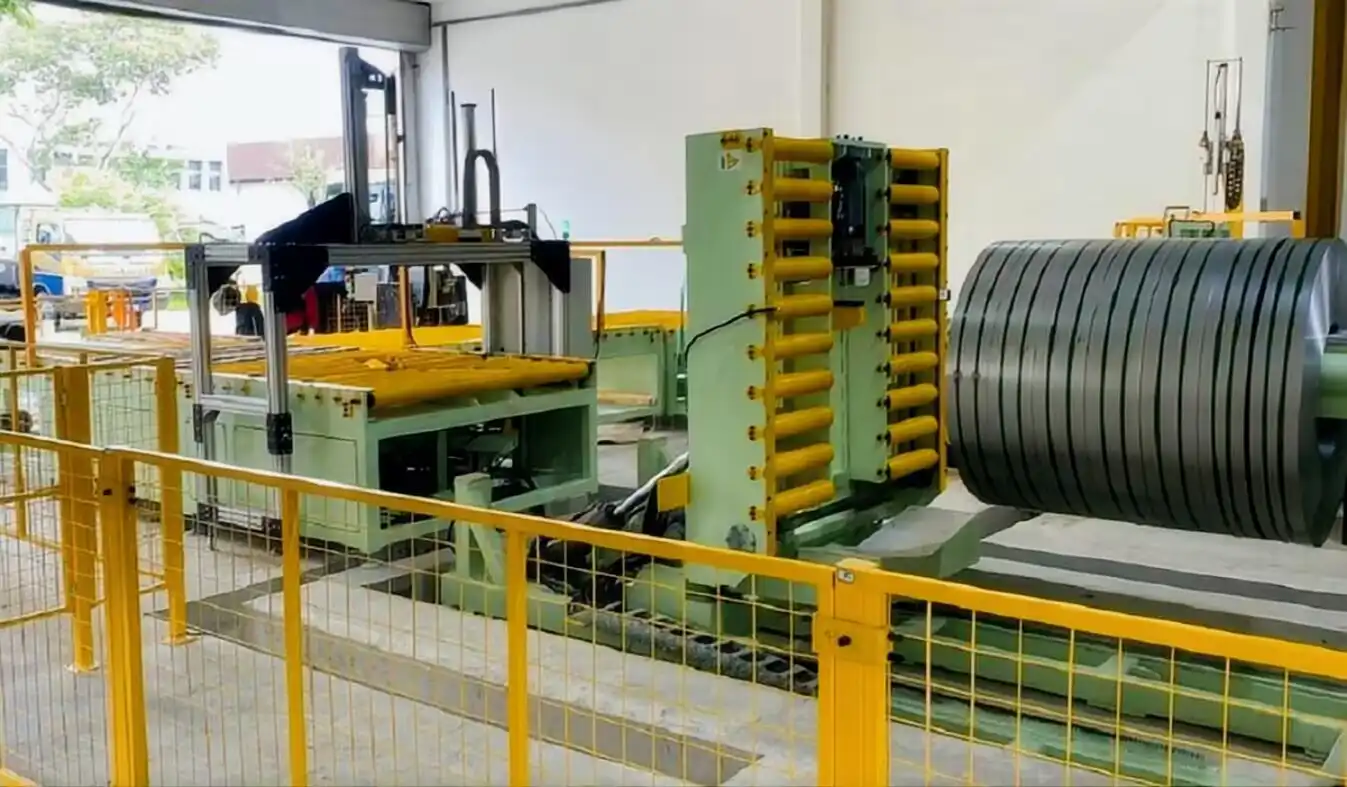
Safety in a heavy manufacturing environment like a metal processing plant is extremely important. Manual handling of large, heavy coils or wire spools is dangerous. Workers can suffer back injuries. They can get crushed fingers. They can have other serious accidents. These incidents lead to high workers’ compensation claims. They cause higher insurance premiums. They also cause lost workdays. They can even lead to employee turnover. When a skilled worker gets injured, you lose their expertise. You then have to train a new person. This costs time and money. Automated packaging systems, connected to ERP, fundamentally change this. These systems move and package coils without direct human contact. The ERP system knows the weight and size of the coil. It instructs the automated system to pick it up, move it, and wrap it safely. This removes the worker from the immediate danger zone.
Protecting Your Most Valuable Assets: People and Products
Automated coil wrapping, strapping, and conveying equipment are designed for heavy-duty work. They are built to withstand the harsh conditions of a factory floor. They can handle the weight and dimensions of various coils and wire bundles. For example, a robotic arm can pick up a hot coil and place it on a wrapping station. This is a task that would be very risky for a human. This significantly reduces the risk of accidents. Beyond human safety, these automated systems also protect your product. Manual handling often leads to scratches or dents on coil edges. This happens during movement or packaging. These damages seem small. But they can lead to customer complaints. They can lead to returned goods. This hurts your profit margin. Automated systems perform precise movements. They apply consistent tension during wrapping. This protects the product. It ensures it arrives at the customer in perfect condition. This directly improves customer satisfaction and reduces costly rework.
The Cost of Inefficiency: Beyond the Obvious
The costs of manual handling extend beyond visible expenses. Consider the hidden costs: the morale of your workforce, the time spent on accident investigations, and the loss of productivity from an injured worker. Automation, driven by ERP, mitigates these. The system tracks how many coils are processed. It monitors the quality of the wrap. If a machine detects an issue, it can flag it. This prevents damaged products from leaving the factory. This proactive approach saves money in the long run. It prevents future claims. It also helps your reputation. A plant with a strong safety record attracts and keeps skilled workers. It also builds trust with customers. They know they will receive high-quality products, packaged safely.
| Aspect | Manual Handling | ERP-Linked Automation |
|---|---|---|
| Worker Safety | High risk of injury (back, crush) | Significantly reduced human interaction, safer |
| Product Damage | Frequent (scratches, dents) | Minimal due to precise machine handling |
| Insurance Costs | Potentially high due to claims | Lower due to fewer accidents |
| Employee Turnover | Higher due to hazardous work | Lower, improved morale |
| Quality Consistency | Varies with worker skill | Highly consistent, machine-driven |
How Does Real-Time ERP Data Turn Packaging Operations into a Profit Center?
Do you struggle to get clear data on your packaging line’s performance? Are you making critical investment decisions without full visibility into your Return on Investment (ROI)? Without accurate, real-time data, your packaging operation remains a black box. You cannot identify hidden costs. You cannot optimize resource allocation. You cannot justify crucial automation investments.
Real-time ERP data turns packaging operations into a profit center by providing complete visibility into material consumption, labor costs, equipment uptime, and throughput. This detailed data allows managers to identify inefficiencies. It lets them predict maintenance needs. It helps optimize inventory. It calculates precise return on investment for automation. This directly boosts profitability.
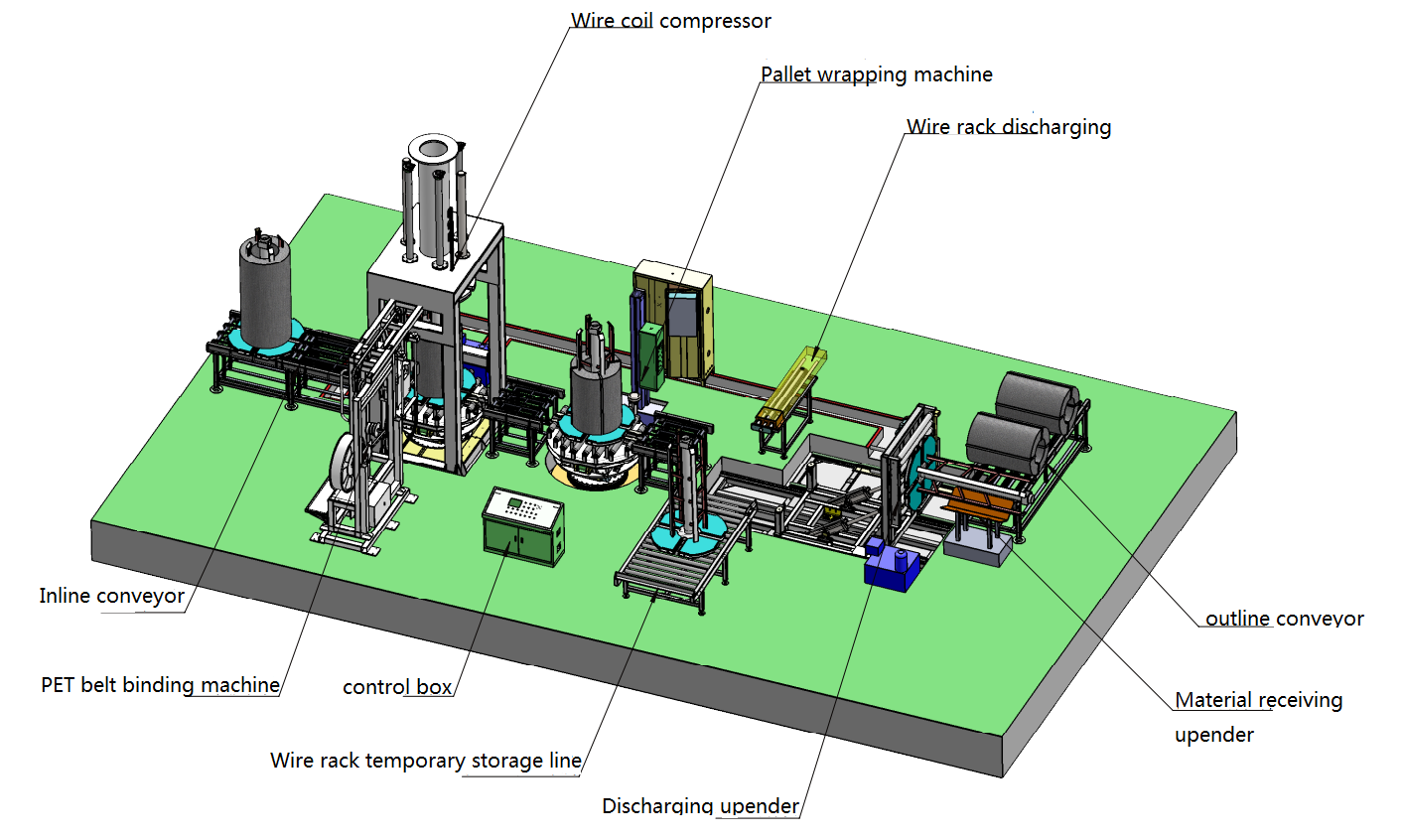
For any factory manager, understanding costs and maximizing profit is a top priority. Your coil and wire packaging line can be a major cost center if not managed well. It consumes labor. It uses packaging materials. It needs machine maintenance. Without proper data, it is hard to know exactly where money is being spent or wasted. This makes it hard to make smart decisions. ERP integration changes this. It collects data from every part of the packaging process. It tracks how much wrapping film is used per coil. It tracks how long a machine runs. It tracks how many coils are processed per hour. This data flows directly into your ERP system. This gives you a clear, real-time picture of your operations.
Data as the New Raw Material
Imagine knowing exactly the cost of packaging for each coil type. With ERP integration, this is possible. The system records the exact amount of material consumed for each order. It tracks the energy used by the packaging machine. It even logs machine uptime and downtime. This raw data is then processed by your ERP. It can generate reports. It can create dashboards. These show you key performance indicators (KPIs) at a glance. You can see your efficiency rates. You can see your material waste percentages. You can see your labor costs per unit. This level of detail helps you find bottlenecks that were invisible before. You can identify areas where you are overspending. You can find places where you can improve. This information is like a new raw material for strategic planning.
Strategic Decision-Making with Precision
With precise data from ERP, you can make smarter investment decisions. If you are considering a new packaging machine, the ERP data helps you calculate the exact ROI. You can project how much labor you will save. You can see how much material waste you will cut. You can estimate how much faster your throughput will be. This makes it easier to justify the investment to your stakeholders. It also helps you compare different solutions. Beyond investments, ERP data helps with ongoing operations. You can use it to optimize your inventory of packaging materials. You can predict when a machine might need maintenance based on its usage data. This allows for proactive maintenance. It prevents costly unexpected breakdowns. All these small improvements add up. They turn your packaging line from a necessary expense into a transparent, data-driven profit contributor.
| Metric | Without ERP Data | With ERP Data |
|---|---|---|
| Cost Visibility | Estimated, often inaccurate | Detailed, real-time, per-unit |
| Waste Tracking | Manual, often incomplete | Automated, precise material consumption |
| Equipment Uptime | Basic logs, reactive maintenance | Real-time monitoring, predictive maintenance |
| ROI Calculation | Based on rough estimates | Precise, data-backed projections |
| Inventory Management | Manual counts, higher safety stock | Automated, optimized stock levels |
My Insights!
You might be wondering, “Is this truly achievable for my factory?” Or perhaps, “How do I avoid past mistakes with unreliable suppliers?” Many factory managers face these doubts. They have been burned by promises that do not deliver. They need more than just a vendor; they need a true partner.
From my personal experience building FHOPEPACK, I understand that true optimization goes beyond selling machinery. It involves deeply understanding a factory’s unique challenges. It means providing tailored solutions. It means offering continuous support. This ensures the technology serves the plant’s long-term strategic goals. It also delivers a tangible return on investment.
My journey in the packing machine industry has been full of learning. I started as an employee in a packing machine factory. I worked my way up. Then, I established my own successful factory. This journey gave me financial independence. It also showed me the real value of helping others succeed. I saw many clients grow their businesses because of the solutions we provided. I learned that just selling a machine is not enough. You have to understand the customer’s real problems. For example, Michael, a factory manager, needs to reduce manual handling risks. He needs to speed up his coil packaging. He needs to reduce product damage. He needs a supplier he can trust. My focus has always been on being that trusted partner. I want to share my expertise. I want to help others avoid the pitfalls I have seen.
The Journey from Employee to Partner
When I first started, I learned the packing machine industry from the ground up. I saw the challenges faced by factory floors every day. This direct experience shaped my approach. When I started FHOPEPACK, my goal was not just to build machines. It was to build solutions that truly solved pain points. This meant listening to factory managers like you. It meant understanding your production bottlenecks. It meant recognizing your safety concerns. It meant feeling your frustration with unreliable equipment. This deep understanding allows us to design and implement systems that fit your specific needs. It’s about providing machines that are durable. It’s about giving you efficient solutions. It’s about ensuring reliability, because I know that any downtime means huge losses for your operation.
More Than Machines: A Foundation of Trust
Many equipment suppliers focus only on sales. Once the machine is delivered, their support often disappears. This leads to what Michael called a “supplier trust crisis.” I believe in building long-term relationships. This means providing professional insights upfront. It means offering reliable solutions during installation. It means giving excellent after-sales service. It means making sure the equipment continues to perform well for years. We do not just sell a machine; we offer a partnership. This partnership means:
- Deep understanding of your production: We take the time to learn your specific challenges and goals.
- Tailored solutions: We design systems that address your unique needs, not just off-the-shelf products.
- Ongoing support: Our team is there for you, from initial setup to long-term maintenance.
- Commitment to your ROI: We want to see your investment pay off and contribute to your growth. My experience has shown me that this approach builds trust. It fosters shared success. It is how you truly optimize an operation.
Conclusion
Seamless ERP integration transforms coil packaging by boosting efficiency, enhancing safety, and elevating profitability. It is about smart solutions and finding a reliable partner for your factory’s growth.








