

How Does MES/ERP Integration Optimize Coil Packaging Workflows in U.S. Facilities?
The factory floor is a place of constant pressure. You are dealing with tight schedules, rising costs, and the need to keep your workers safe. For many U.S. metal processing plants, the coil and wire packaging line can feel like a bottleneck. It is often slow. It relies on too many manual steps. This slows down everything else.
MES (Manufacturing Execution System) and ERP (Enterprise Resource Planning) integration optimizes coil packaging workflows by connecting real-time production data with business planning systems. This link creates a seamless flow of information. It allows for automated scheduling, better resource allocation, and instant quality control feedback. This means less manual work. It also means fewer errors. It makes the entire packaging process faster and more reliable.


You might be asking how this can really change things in your factory. The answer is simple. When your packaging line talks directly to your planning systems, you gain control you never had before. Let me show you how this integration can truly transform your operations.

How Does MES/ERP Integration Streamline Coil Packaging Operations in U.S. Factories?
Do you feel like your production line is always playing catch-up? Maybe one department knows what is happening, but another is still in the dark. This is common. It creates delays. It leads to wasted time and materials. Especially in coil packaging, manual tracking and disjointed systems cause many problems.
MES and ERP integration streamlines coil packaging operations by providing a single source of truth for all production data. It automates information flow from the factory floor to management. This helps coordinate materials, schedules, and labor. It removes manual data entry. It speeds up decision-making. This makes the whole process smoother and much faster.

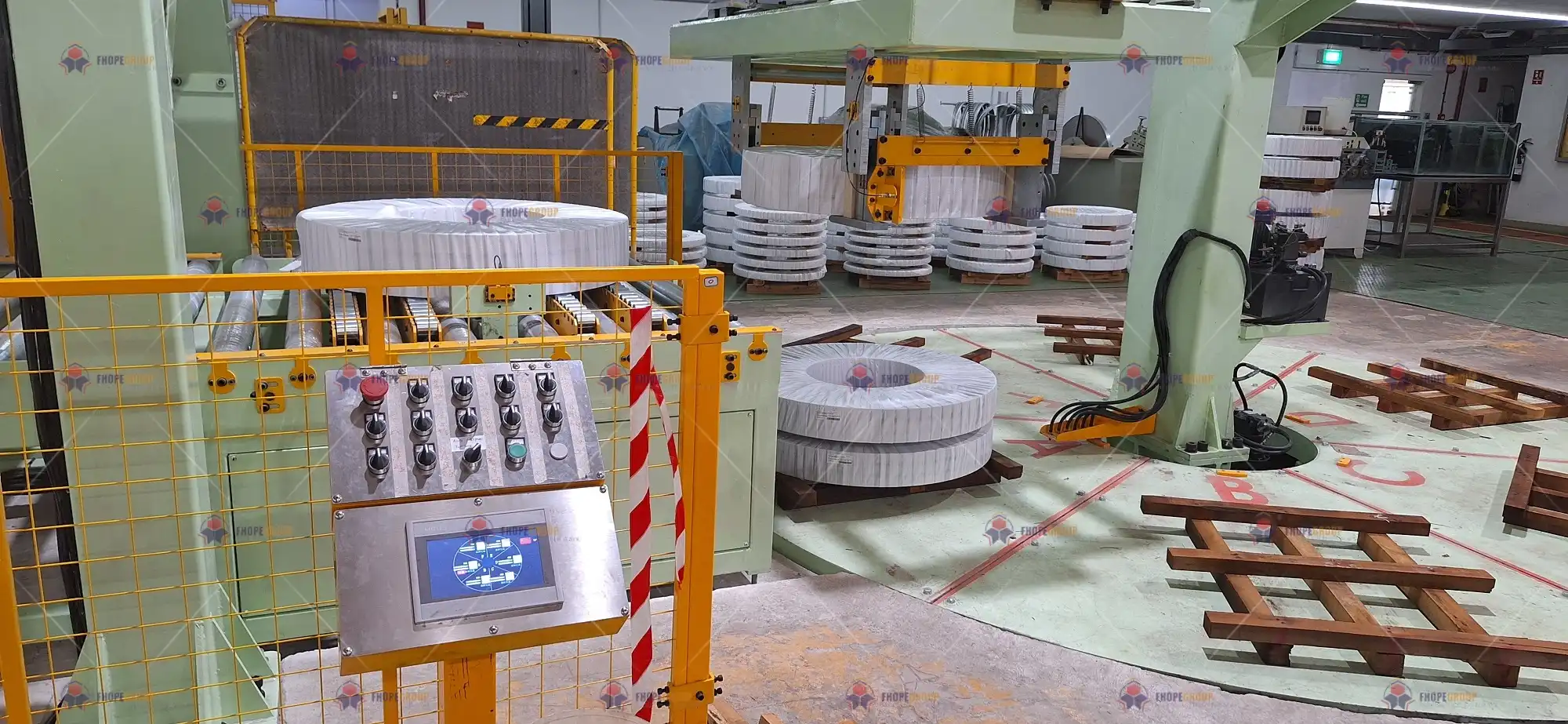
When I started FHOPEPACK, I had already spent years in packing machine factories. I saw these problems up close. I saw how a lack of clear information flow could cripple a production line. Workers spent too much time looking for the right coil. Machines sat idle. Orders were delayed. It was clear to me that data was the missing piece. When you connect MES and ERP, you build a bridge between your machines and your business goals.
Real-Time Data Flow for Better Decisions
MES collects data directly from your packaging machines. It tracks coil size, weight, type, and even quality checks. ERP uses this data for inventory management and order fulfillment. For example, if a machine finishes packaging a coil, MES instantly updates its status. This update goes straight to ERP. ERP then knows the coil is ready for shipment. This removes any guesswork. It stops manual updates. It prevents errors. This also helps with scheduling. You can see which coils are packed. You can see what is still waiting. This makes planning much simpler.
Automated Scheduling and Resource Allocation
Manual scheduling is hard. You have to balance many things. You need to think about machine availability. You need to think about labor. You need to think about material. Integrated systems do this automatically. ERP sends production orders to MES. MES then breaks down these orders into tasks for specific machines. It considers machine capacity. It considers current workloads. This means your packaging line runs at its best speed. It uses resources efficiently. I remember one time, a client was using spreadsheets for all their scheduling. They had constant conflicts. Machines were overbooked. Workers were waiting. We helped them implement a basic integration. It was not even full MES/ERP. But it made a huge difference. They saw their throughput jump by 15% almost right away. This showed me the power of proper scheduling.
Reducing Manual Data Entry and Errors
Every time someone writes something down or types it into a computer, there is a chance for a mistake. These mistakes can cause big problems later. A wrong coil number can mean a wrong shipment. It can lead to unhappy customers. With MES/ERP integration, data moves automatically. It goes from the machine to the system. It goes from the system to other parts of the business. This cuts down on human error. It also saves a lot of time. Your team can focus on their core tasks. They do not have to spend hours on data entry. This is especially true for complex operations with many different coil types and sizes.
| Feature | Manual Process | MES/ERP Integration |
|---|---|---|
| Data Collection | Manual logs, spreadsheets | Automated from machines |
| Scheduling | Human-driven, prone to conflict | System-optimized, dynamic |
| Inventory | Physical counts, delayed updates | Real-time, accurate |
| Error Rate | High due to human input | Low, system-controlled |
This type of integration is not just a fancy idea. It is a practical solution. It helps factories run better. It frees up your team. It means your production flows smoothly. It makes a real impact on your bottom line.
Can Integrated Systems Reduce Safety Risks and Product Loss in Coil Handling?
Manual handling of heavy coils is dangerous. Workers can get hurt. They can strain their backs. They can suffer crushed limbs. These accidents cost a lot of money. They cause high insurance rates. They also make good workers leave. On top of that, product gets damaged. Edges get bent. Surfaces get scratched. This means unhappy customers and lost profits.
Integrated MES/ERP systems significantly reduce safety risks and product loss by automating heavy lifting and precise movements in coil packaging. They ensure consistent handling procedures. They track product condition. This minimizes human interaction with dangerous materials. It also prevents damage from manual mishandling. This makes the workplace safer. It also protects your valuable products.

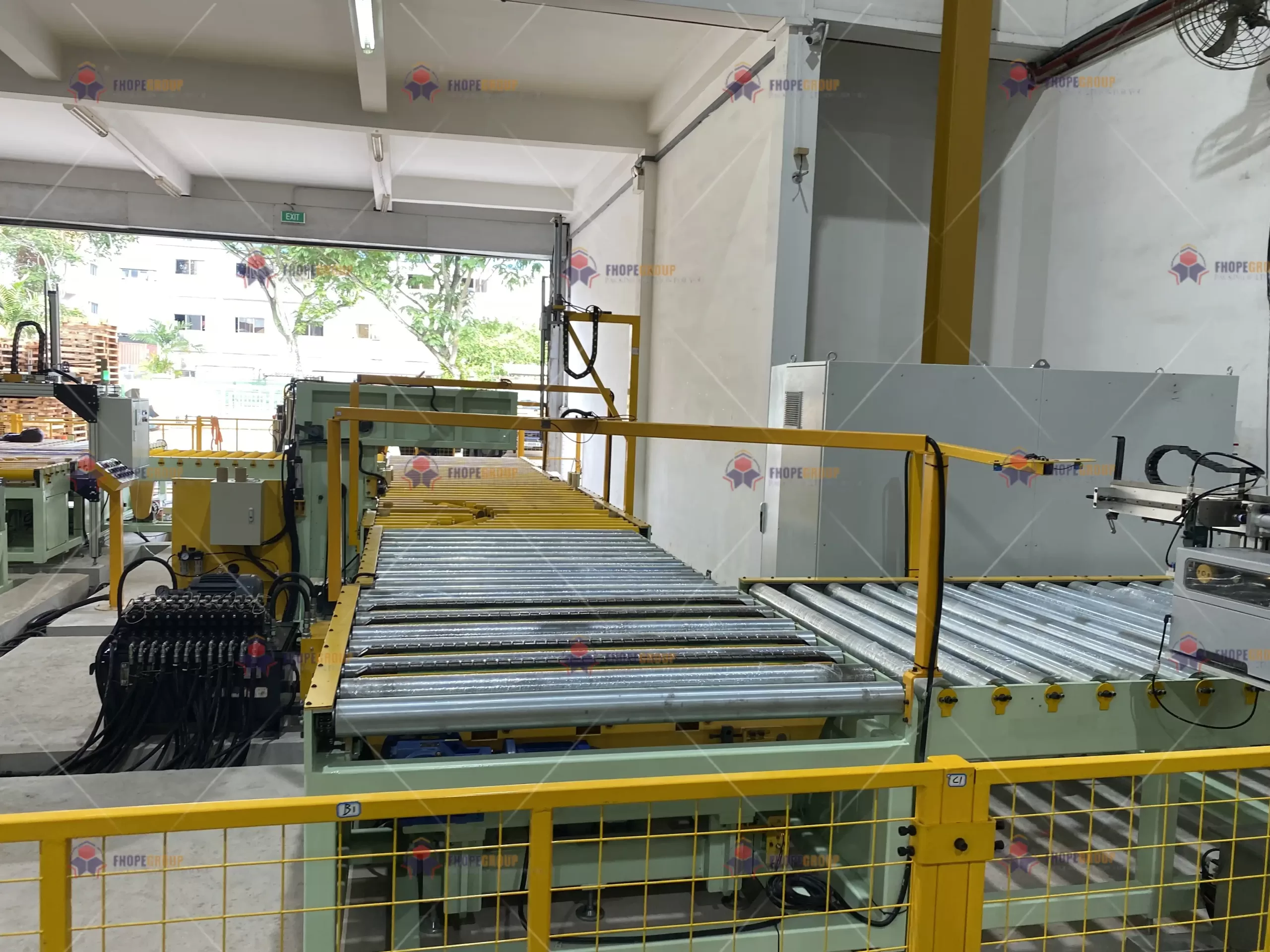
I started my career working on the factory floor. I saw firsthand the dangers workers faced every day. I witnessed close calls with heavy machinery. I heard stories of injuries. This drove me to build machines that were not just efficient, but also safe. When I established my own factory, safety was always a top priority. I knew that a safe factory was a productive factory. My clients also valued this. They understood that protecting their people and their product was not just good ethics. It was good business.
Minimizing Manual Handling of Heavy Coils
The biggest risk in coil handling comes from people lifting or moving heavy objects. Automated packaging machines, guided by MES, take over these tasks. For example, a coil packing line can use robotic arms or automated guided vehicles (AGVs) to move coils. MES directs these movements. It ensures the path is clear. It ensures the coil is secured. This means workers do not have to touch the heavy coils directly. They operate the systems from a safe distance. This lowers the risk of accidents. It lowers the chance of strains or other injuries. I have seen factories where one injury could shut down a whole shift. With automation, that risk is almost gone.
Ensuring Consistent and Precise Packaging
Product damage often happens during internal transfers or packaging. A coil can roll the wrong way. It can hit something. Its edges can get damaged. This leads to customer complaints. It leads to returns. It hurts your reputation. Integrated systems ensure every coil is handled the same way, every time. The machines follow precise instructions from MES. They know exactly how to orient the coil. They know how much tension to apply during wrapping. They know how to place it on a pallet. This consistency protects the product. It reduces waste. It also makes your product look better when it arrives at the customer. This builds trust.
Real-Time Monitoring and Alerting for Safety
MES can monitor the machines for any unusual activity. It can detect if a safety barrier is open. It can see if a machine is operating outside its normal limits. If something unsafe happens, the system can send an alert immediately. It can even stop the machine automatically. This prevents accidents before they get serious. It is like having an extra pair of eyes. This helps factory managers. They can react quickly. They can fix problems fast. This level of oversight is simply not possible with manual systems.
| Risk Area | Manual Handling Risks | MES/ERP Integrated Solution |
|---|---|---|
| Worker Injury | Strains, crush injuries, falls | Automated handling, remote operation |
| Product Damage | Dents, scratches, edge damage | Precise movements, consistent wrapping |
| Operational Safety | Human error, delayed responses | Real-time alerts, automatic shutdowns |
| Insurance Costs | High due to frequent claims | Reduced claims, potentially lower rates |
Investing in integrated systems is not just about machines. It is about investing in your people’s safety. It is about protecting your product quality. These things directly impact your long-term success.
What is the Real ROI of MES/ERP for Automated Coil Packaging?
Making big investments in new technology can feel risky. You want to see a clear return. You want to know it will pay off. Many suppliers talk about future benefits. But what about today? What about concrete numbers? You need proof that this investment will cut costs and boost your factory’s profit.
The real ROI (Return on Investment) of MES/ERP for automated coil packaging comes from clear, measurable gains. It reduces labor costs through automation. It minimizes product loss. It increases overall production speed. It improves customer satisfaction. These benefits directly impact your bottom line. They lead to a stronger, more profitable business.
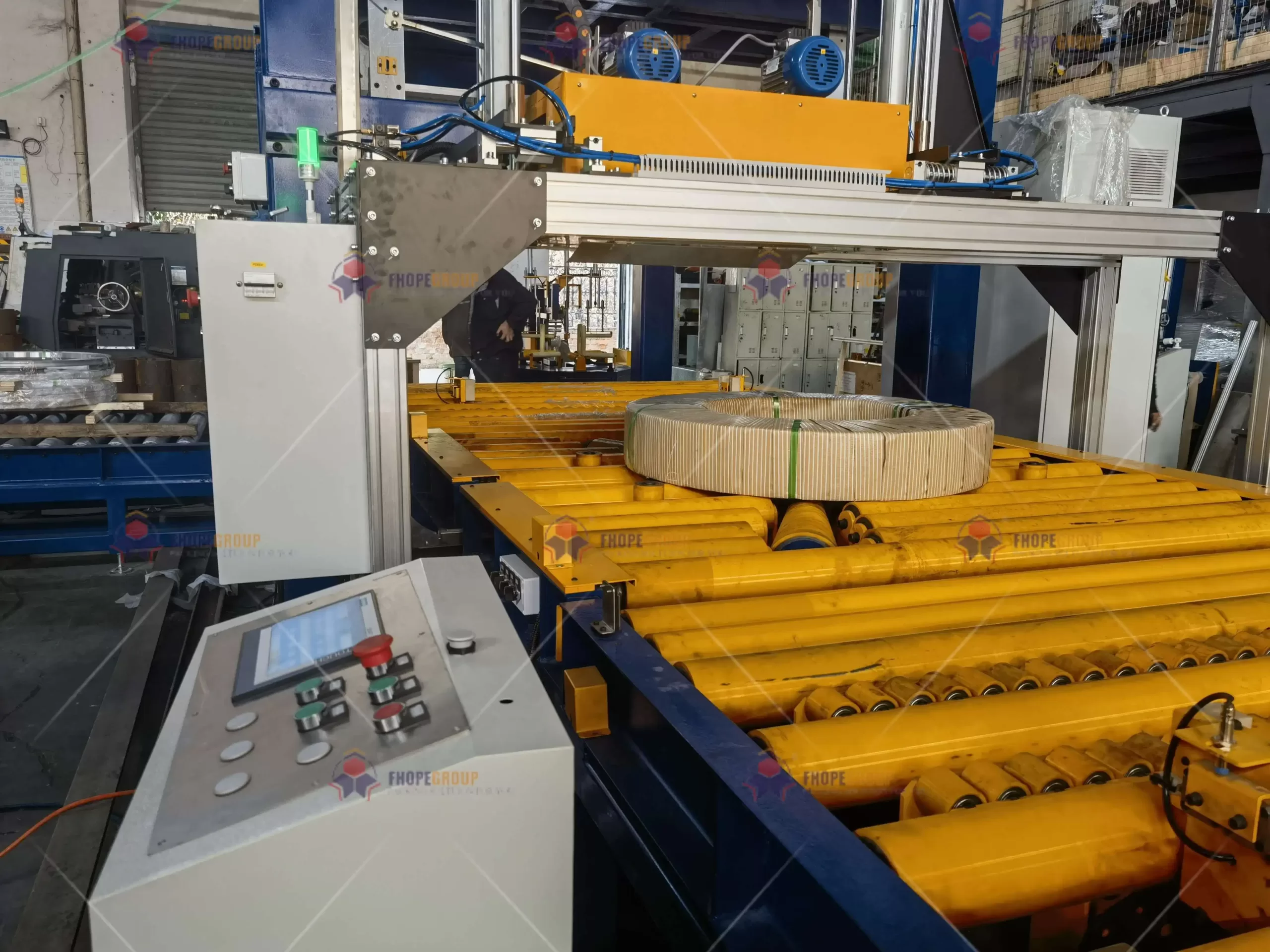
When I was building my own packing machine factory, every dollar counted. I knew that every investment had to bring a clear benefit. It was not enough to just buy a new machine. It had to solve a problem. It had to save money or make money. I applied this same thinking when I worked with my clients. I saw how their businesses grew when they made smart, strategic investments in automation and integration. They moved from simply buying equipment to truly optimizing their operations. This is the heart of what FHOPEPACK offers. We are about helping you grow your business.
Direct Labor Cost Savings
Manual coil packaging requires many workers. You need people for handling. You need people for wrapping. You need people for moving. These labor costs add up fast. Automated packaging lines do this work with fewer people. One operator can oversee several machines. This reduces your payroll expenses. Over time, these savings are huge. For example, one client in the U.S. was able to reassign five workers from their packaging line. These workers moved to other, more skilled tasks within the factory. They did not lose their jobs. The company used their skills better. This improved overall factory efficiency. It was a win-win for everyone.
Reduced Product Damage and Waste
Every damaged coil is money lost. It is material waste. It is rework. It is unhappy customers. As Michael Chen knows, these losses hurt profits. Automated systems reduce damage. They handle coils with precision. They apply consistent packaging. This means fewer scrapped products. It means less material waste from re-wrapping. The savings here are immediate. They are also ongoing. If you can save even 1% on product loss, it can mean millions for a large facility. This is a very real, tangible ROI.
Increased Throughput and Production Capacity
An efficient packaging line means your entire factory can produce more. It removes a bottleneck. If your packaging is slow, it does not matter how fast your coils are made. The whole line waits. MES/ERP integration speeds up packaging. It ensures continuous flow. It uses machines at their optimal speed. This means you can process more coils per hour. You can fulfill more orders. You can even take on new business. This direct increase in capacity translates into higher revenue. It allows your factory to grow.
Improved Customer Satisfaction and Reputation
When products arrive on time and in perfect condition, customers are happy. Happy customers order again. They tell others about your good service. This builds your reputation. Integrated systems help here too. They ensure consistent quality. They provide accurate tracking. This means fewer mistakes. It means better delivery times. It also makes your business more reliable. This leads to customer loyalty. It means a stronger market position for your company. This is an indirect ROI, but it is very powerful. It supports long-term growth.
| ROI Factor | Benefit | How MES/ERP Helps |
|---|---|---|
| Labor Costs | Significant reduction in manual labor | Automates tasks, fewer operators needed |
| Product Loss | Decreased damage and waste | Precise handling, consistent packaging |
| Throughput | Higher production speed and capacity | Removes bottlenecks, optimizes machine usage |
| Customer Sat. | Better product quality and delivery | Consistent results, accurate order fulfillment |
| Safety Costs | Lower insurance, fewer incidents | Reduces human interaction with heavy loads |
The ROI is not just a theory. It is seen in real numbers. It is seen in healthier profit margins. It is seen in happier employees and customers.
Conclusion
MES/ERP integration optimizes coil packaging by cutting costs, boosting efficiency, and improving safety. It connects your factory floor to your business goals. This leads to higher profits and a stronger, more reliable operation.












