
How Does Energy‑Efficient Hydraulics Reduce Operating Costs for Canadian Coil Upenders?
Factory managers, I know your pain. You face constant pressure to boost output, control costs, and keep workers safe. I have seen many managers struggle with old, inefficient equipment. This equipment drains your budget. It also puts your team at risk. Downtime on your production line means huge losses. Manual handling of heavy coils is slow and dangerous. It also leads to injuries. Product damage during internal transfers costs you money and customer trust. You need equipment that can handle tough, non-stop work. Energy-efficient hydraulics in coil upenders are a game-changer. They directly address these issues. They improve your bottom line. They make your factory safer. I will share how this technology helps operations like yours. I will also explain why it is a smart investment.
Energy-efficient hydraulics cut operating costs for Canadian coil upenders in several ways. They use less electricity. This lowers your power bills. They generate less heat, which extends component life. This means fewer repairs and less downtime. They also offer precise control. This reduces product damage. For factories moving heavy materials, this technology improves safety and overall efficiency.
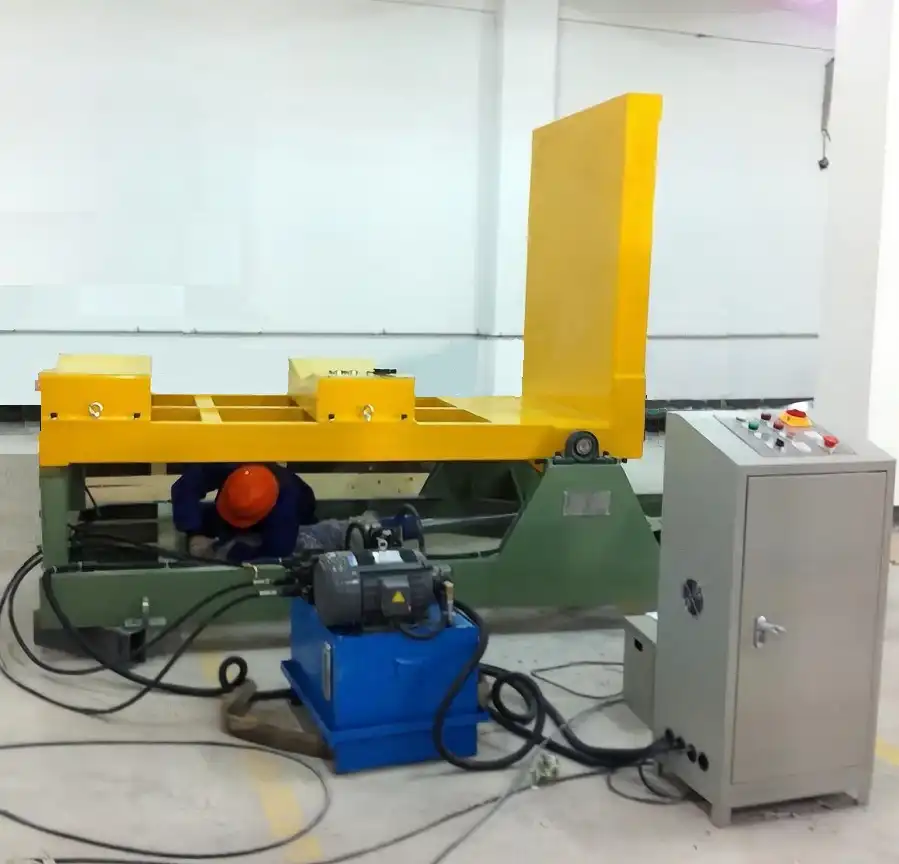
As a packing machine engineer, I have spent years helping factories like yours. I have seen the real benefits of modern packing solutions. Keep reading. I will explain how these advanced systems work. I will also show you how they can transform your operations.
How Do Standard Hydraulics Drain Your Factory’s Budget?
Many factories still use traditional hydraulic systems in their coil upenders. These systems might seem fine. But they waste a lot of energy. They constantly run. They generate excess heat. This leads to higher electricity bills. This constant running wastes power. It also shortens the life of your equipment. More heat means more wear and tear. You end up paying more for maintenance. You also face more unexpected breakdowns. This directly hurts your profits. It slows down your production line. Understanding these hidden costs is the first step. When you know where money goes, you can make smart changes. Old systems are not just inefficient. They are a financial drain. I will show you how.
Standard hydraulic systems drain your factory’s budget because they are not optimized for variable loads. They use a fixed displacement pump. This pump runs at full power all the time. It does this even when the machine is idle or under light load. This wastes a lot of electricity. It also creates excess heat. This heat requires more cooling. It also damages components over time. This leads to higher energy bills. It also results in frequent part replacements.

From my time starting in a packing machine factory, I saw how easily small inefficiencies add up. Traditional hydraulic systems are a perfect example. They operate on a simple principle. They move fluid using a pump. This pump usually runs at a constant speed. This is true whether the coil upender is lifting a heavy steel coil or just sitting idle. Imagine keeping your car engine running at 5,000 RPM all the time. This happens even when you are waiting at a red light. That is what a traditional hydraulic pump does. It uses a lot of power. This power does not always do useful work.
This constant running creates several problems. First, it wastes electricity. The motor consumes power. It consumes power even when the machine is not actively moving. This translates directly to higher utility bills. For a factory manager like Michael, every penny counts. These wasted energy costs really add up over a year. Second, it generates a lot of heat. All that wasted energy turns into heat. This heat warms up the hydraulic fluid. It also heats the system components. High temperatures degrade the hydraulic fluid faster. This makes it less effective. It also causes seals and hoses to wear out more quickly. This means you need to replace parts more often. This increases your maintenance costs. It also leads to more unplanned downtime.
When I started my own packing machine factory, I prioritized systems that performed well. I also wanted them to be cost-effective. I knew that reliable machines meant happier clients. Old hydraulic systems struggle with this. Their components degrade faster. Their overall lifespan is shorter. This means you need to buy new equipment sooner. Or you need to spend more on repairs. Both options are expensive. They also reduce your profit margins. They make it harder to invest in other areas of your business. These hidden costs make traditional systems very expensive over their lifespan.
Here is a simple look at the direct impacts:
Hidden Costs of Standard Hydraulic Systems
| Aspect | Impact on Factory Operations | Financial Consequence |
|---|---|---|
| Constant Energy Use | Pump runs at full power even when not needed. | High electricity bills, wasted energy. |
| Excessive Heat | Degrades hydraulic fluid; wears out seals, hoses, and pumps. | Increased maintenance costs, shorter component life. |
| Frequent Breakdowns | Components fail sooner due to heat and constant operation. | Unplanned downtime, lost production, repair costs. |
| Reduced Lifespan | Overall machine life is shorter; needs earlier replacement. | Higher capital expenditure over time. |
These issues highlight why looking at the long-term cost is important. It is not just the purchase price. It is the cost of running the machine every day.
How Do Energy-Efficient Hydraulics Actually Save Power?
You need to lower your factory’s energy bills. But how can you do it without slowing down production? Simply turning off machines is not an option. You need a solution that works smarter. Rising energy costs are a constant worry. Old machines gobble up electricity. This eats into your profits. You might think you have to choose between efficiency and performance. This is not true. Energy-efficient hydraulics offer a real answer. They cut power usage dramatically. They do this without losing any power or control. This technology helps you save money. It also keeps your production running smoothly. I will explain how it works.
Energy-efficient hydraulics save power mainly by using variable speed pump drives. Unlike fixed pumps, these systems adjust their motor speed. They do this based on the actual load demand. When the upender needs more power, the pump speeds up. When it is idle or under light load, the pump slows down. This precise control means the system only consumes the power it truly needs. This significantly reduces electricity consumption. It also minimizes heat generation. This leads to substantial energy savings.
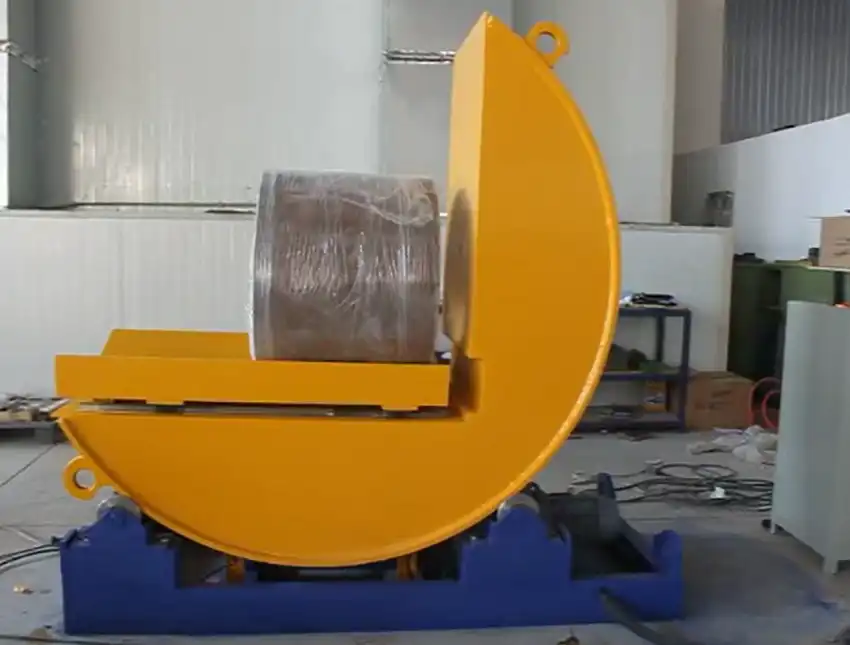
When I first started FHOPEPACK, I knew that true value comes from smart engineering. Energy-efficient hydraulics are a great example of this. The core of their power-saving ability lies in their variable speed pumps. Think about a regular light switch. It is either on or off. That is like a traditional hydraulic pump. It is either running at full speed or not running at all. Now, imagine a dimmer switch for your light. You can adjust the brightness. That is what a variable speed pump does for a hydraulic system.
This technology uses a motor and pump. They work together with a control system. This control system senses how much power the upender needs at any moment. If the upender is holding a coil still, it needs very little power. The pump motor slows down significantly. If the upender is lifting a heavy coil, it needs a lot of power. The pump motor speeds up. This is a very different approach from traditional systems. Those systems run the pump at maximum speed all the time. They then use valves to dump excess fluid back to the tank. This wastes a lot of energy as heat.
By adjusting the pump speed, energy-efficient systems avoid this waste. They only consume power when it is actively needed for work. This reduces electricity usage. It also lowers operating temperatures. Lower temperatures mean the hydraulic fluid lasts longer. It also means seals and other components last longer too. Less wear and tear means fewer breakdowns. It also means less money spent on replacement parts. This directly improves your factory’s overall equipment effectiveness (OEE). For a manager like Michael, this means a healthier bottom line. It also means more predictable operations.
I have seen clients implement these systems. They quickly see the difference on their energy bills. One client, similar to Michael, had an older upender. Their power consumption dropped by over 30% after switching. This directly helped them cut costs. It also freed up budget for other investments. It is not just about saving money. It is about running a leaner, more sustainable operation. This makes your factory more competitive in the long run.
Energy Savings Comparison: Standard vs. Energy-Efficient Hydraulics
| Feature | Standard Hydraulics | Energy-Efficient Hydraulics |
|---|---|---|
| Pump Operation | Fixed speed, runs at full power constantly. | Variable speed, adjusts power based on demand. |
| Energy Consumption | High, wastes power during idle and light load. | Significantly lower, only uses power needed. |
| Heat Generation | High, due to wasted energy conversion. | Much lower, efficient power use. |
| Fluid/Component Life | Shorter due to high temperatures. | Longer due to reduced heat and stress. |
| Operating Cost | Higher electricity bills, more frequent maintenance. | Lower electricity bills, reduced maintenance. |
This shift in technology is a smart move. It benefits both your budget and your equipment’s health.
Can Better Hydraulics Make Your Coil Upender Safer and More Reliable?
Safety is always number one in your factory. Manual handling of heavy coils is a huge risk. It leads to injuries. It also causes high insurance costs. You need equipment that protects your workers. Work injuries mean lost productivity. They also mean high medical bills and low morale. Downtime from broken machines adds to these problems. You cannot afford unreliable equipment. Energy-efficient hydraulics do more than just save energy. They dramatically improve safety. They also boost reliability. This technology gives you more precise control. It also reduces wear on parts. I will explain how it makes your factory a safer, more dependable place.
Better hydraulics make coil upenders safer and more reliable through improved control and reduced stress on components. Energy-efficient systems offer smoother, more precise movements. This minimizes sudden jerks or drops. This reduces the risk of accidents during coil rotation. Their lower operating temperatures and reduced internal stress also extend the lifespan of parts. This leads to fewer unexpected breakdowns. Less downtime means more consistent production. It also means a safer environment for your workers.

When I reflect on my journey from employee to factory owner, I always prioritized worker safety. It is not just about rules. It is about creating a workplace where people feel secure. Energy-efficient hydraulic systems directly support this goal. One key benefit is precise control. Old hydraulic systems often use simple on/off valves. This can lead to jerky movements. When you are moving a multi-ton steel coil, “jerky” is dangerous. It can cause the coil to shift unexpectedly. It can also put sudden stress on the machine. This raises the risk of accidents.
Energy-efficient systems use advanced controls. They allow for very smooth acceleration and deceleration. This means the upender starts and stops gently. It also moves coils with great precision. This reduces the chance of a coil slipping. It also lowers the risk of injury to operators. This kind of precise movement also helps prevent product damage. Michael mentioned issues with coil edges getting damaged. Smoother handling means fewer nicks and dents. This leads to fewer customer complaints. It also saves your factory money on scrap.
Reliability is another huge factor. As a factory manager, Michael knows that downtime is a killer. Every minute a machine is not running means lost production. It also means missed deadlines. Energy-efficient hydraulics contribute to reliability in two main ways. First, they run cooler. Lower temperatures mean less wear and tear on all hydraulic components. The fluid lasts longer. The seals do not break down as quickly. The pump itself faces less stress. This extends the life of the machine. It also reduces the need for frequent repairs. Second, the variable speed operation reduces peak stresses on the system. Instead of constantly running at maximum pressure, the system only applies the force needed. This prevents parts from being overworked. It makes the entire upender more durable.
I remember one factory I helped. They had an old upender. It broke down every few months. They spent a fortune on repairs. Their workers were always worried about accidents. We helped them upgrade to a new FHOPEPACK upender with energy-efficient hydraulics. The difference was huge. Breakdowns almost stopped. Their safety records improved. The workers felt much better. This proves that investing in better technology is not just about saving money. It is also about protecting your most valuable assets: your people and your production.
Safety and Reliability Benefits of Advanced Hydraulics
| Aspect | Impact on Safety | Impact on Reliability |
|---|---|---|
| Smooth Control | Minimizes jerky movements, reduces accident risk. | Less stress on mechanical parts, extends machine life. |
| Reduced Heat | Less chance of component failure during operation. | Prolongs life of hydraulic fluid and seals, fewer breakdowns. |
| Lower Stress | Less sudden force on coils and machine parts. | Reduces wear and tear, increases component durability. |
| Predictable Operation | Consistent performance, workers know what to expect. | Fewer unexpected repairs, higher uptime. |
| Less Product Damage | Gentle handling prevents costly damage to materials. | Consistent quality output, fewer reworks. |
These benefits create a much safer and more efficient working environment. They give factory managers more peace of mind.
What Does This Mean for Canadian Metal Processing Plants?
Canadian metal processing plants operate in a tough environment. They face high energy costs. They also have strict safety regulations. Staying competitive means finding smart ways to cut expenses. Your margins are tight. Every dollar spent on inefficient power or preventable accidents hurts. You need solutions that work in your specific climate and market. Generic solutions might not be enough. Energy-efficient hydraulics offer clear advantages for Canadian factories. They help meet energy efficiency goals. They also comply with safety standards. They deliver tangible cost savings. I will show you why this technology is a perfect fit for your Canadian operations.
For Canadian metal processing plants, energy-efficient hydraulics mean direct savings on high electricity costs. Canada’s industrial power rates can be significant. Reducing consumption directly impacts profitability. These systems also support compliance with evolving environmental and safety regulations. Their enhanced control reduces workplace hazards. This lowers insurance costs. They also improve operational efficiency in a climate that demands robust, reliable equipment. This makes them a strategic investment for long-term competitiveness in the Canadian market.
My experience helping factories grow, from Mexico to Canada, has taught me a lot. Each region has its own unique challenges. For Canadian metal processing plants, high operational costs are a big one. Electricity prices in some Canadian provinces can be quite high. This makes energy consumption a critical factor in a factory’s profitability. Traditional hydraulic systems are energy hogs. This hits Canadian factory budgets especially hard. Energy-efficient hydraulic upenders directly address this. They significantly reduce power draw. This means lower monthly electricity bills. For a plant like Michael’s, running multiple heavy machines, these savings add up fast. They can turn a significant expense into a competitive advantage.
Beyond energy, Canada has very strong safety regulations. Worker safety is not just a moral duty. It is also a legal requirement with serious consequences for non-compliance. Manual handling of heavy steel coils, common in older factories, is a major source of workplace injuries. Investing in automated solutions like energy-efficient coil upenders helps factories meet these strict safety standards. The smoother operation of these systems, as I mentioned, reduces the risk of accidents. This leads to fewer worker injuries. This also means lower workers’ compensation claims. It can even lead to reduced insurance premiums. These are all direct cost savings. They also improve the overall work environment.
Furthermore, Canadian weather can be extreme. Equipment needs to be robust and reliable. The reduced heat generation and lower stress on components in energy-efficient hydraulic systems mean the machines are more durable. They are less likely to break down in harsh conditions. This translates to higher uptime. It means more consistent production. For businesses aiming for steady output and reliable delivery, this is crucial. In the past, I saw factories in colder climates struggle with equipment that wasn’t built to last. Modern, efficient upenders solve many of these issues. They are designed for demanding, continuous operation. This makes them a strong fit for Canadian industrial environments.
This technology helps Canadian factories achieve both financial savings and operational excellence. It allows them to remain competitive in a challenging global market. It also helps them create safer, more efficient workplaces.
Benefits for Canadian Metal Processing Plants
| Advantage | Explanation for Canadian Context | Direct Impact |
|---|---|---|
| Cost Savings | Reduces high electricity bills. | Lower operating expenses, improved profit margins. |
| Safety Compliance | Helps meet strict Canadian safety regulations. | Fewer injuries, lower insurance costs, better worker morale. |
| Reliability in Climate | Robust design handles extreme weather better. | Higher uptime, consistent production. |
| Environmental Impact | Lower energy use means reduced carbon footprint. | Contributes to sustainability goals, positive brand image. |
| Competitive Edge | Enables leaner operations and higher productivity. | Stronger market position, ability to attract talent. |
For a forward-thinking manager like Michael, these points are not just theoretical. They are practical reasons to invest.
How Can You Pick the Right Upender for Long-Term Savings?
You know you need to upgrade your equipment. But choosing the right coil upender feels overwhelming. There are many options. You have been burned by suppliers who promise much but deliver little. You need a partner who understands your production bottlenecks. You also need someone who knows about safety hazards and efficiency challenges. You cannot afford to make another wrong investment. Finding the right upender means looking beyond the sticker price. It means partnering with experts. They can provide true insights and reliable solutions. I will share key factors to consider. This will help you make a smart, long-term decision.
To pick the right coil upender for long-term savings, factory managers should prioritize proven energy-efficient hydraulic technology. Look for suppliers who offer strong after-sales support and can customize solutions. Assess the equipment’s expected ROI, considering not just energy savings but also reduced labor, fewer product losses, and improved safety. A reliable vendor, like FHOPEPACK, will understand your specific challenges. They will guide you to a solution that truly solves your production problems and drives business growth.
My journey from employee to factory founder taught me a lot about what makes a supplier truly valuable. It is not just about selling a machine. It is about understanding the client’s world. Michael mentioned he wants a partner who “truly understands.” This is key when choosing a coil upender. You need to look for several things. First, focus on the technology. As we discussed, energy-efficient hydraulics are a must. They deliver tangible savings year after year. Ask suppliers about their specific hydraulic systems. Ask about their power consumption ratings. Get actual data. Do not just take their word for it. Look for systems that use variable speed drives. These are the ones that save real energy.
Second, consider the overall build quality and durability. Heavy metal processing environments are tough. Machines need to be built to last. Ask about the materials used. Ask about the design for heavy loads and continuous operation. A cheap machine that breaks down often will cost you more in the long run. Michael needs equipment that can handle his factory’s “high-intensity, harsh work environment.” This means robust construction. It means reliable components. It means a machine designed for the long haul.
Third, look at the supplier’s experience and support. This is where FHOPEPACK truly stands out. I built my own packing machine factory. I faced the same challenges Michael faces. I understand production bottlenecks, safety issues, and the need for efficiency. A good supplier offers strong after-sales service. They provide spare parts. They offer technical support. They help with installation and training. This partnership aspect is crucial. You do not just buy a machine. You buy into a relationship. This relationship helps you maximize your investment. It ensures your machine keeps running smoothly for years.
Finally, always calculate the Return on Investment (ROI). This is vital for any factory manager. Consider more than just the energy savings. Think about the reduced labor costs from automation. Think about the reduction in product damage. Think about the lower insurance costs due to improved safety. These factors combine to make a strong financial case. A reliable supplier will help you with this calculation. They will show you how their solution pays for itself. They will also show you how it boosts your overall profitability. This is what Michael is looking for: “ROI-explicit equipment.”
Choosing the right coil upender is a strategic decision. It impacts your factory’s efficiency, safety, and profitability for years to come. Do your homework. Partner with an expert.
Key Factors for Choosing a Coil Upender for Long-Term Savings
| Factor | What to Look For | Why It Matters |
|---|---|---|
| Energy Efficiency | Variable speed hydraulics, proven low power consumption. | Direct cost savings on electricity bills. |
| Build Quality | Robust construction, heavy-duty materials, designed for continuous use. | Durability, less downtime, longer machine life. |
| Supplier Expertise | Deep industry knowledge, experience in similar factories (like Randal’s). | Understands your challenges, offers relevant solutions. |
| After-Sales Support | Availability of spare parts, technical assistance, training. | Ensures continued operation, minimizes disruption. |
| Comprehensive ROI | Calculations including energy, labor, safety, product loss. | Justifies investment, shows overall financial benefit. |
This systematic approach will help you make an informed decision. It will ensure your investment genuinely helps your business grow.
Conclusion
Energy-efficient hydraulics in coil upenders are a game-changer. They cut costs, boost safety, and improve reliability. This is true for Canadian metal plants and beyond. It is a smart investment that drives long-term success.








