
Why Is Corrosion‑Resistant Construction Vital for Coil Upenders in Russia’s Climate?
Have you ever faced a situation where your essential factory equipment simply gave up? Imagine a production line suddenly stopping because a critical machine failed. This is a common fear for factory managers, especially when operating in harsh environments. In places like Russia, where extreme weather is common, equipment failure is not just an inconvenience; it can mean huge financial losses and safety risks. Many factory owners tell me about their struggles with machines that cannot stand up to the elements. They know that downtime costs a lot of money and hurts their reputation.
Corrosion-resistant construction is vital for coil upenders in Russia’s climate because it directly addresses the severe environmental challenges that can destroy standard machinery. The cold temperatures, high humidity, and often presence of corrosive agents demand materials and designs that can withstand constant stress, ensuring operational reliability, extending equipment lifespan, and preventing costly production interruptions and dangerous breakdowns.
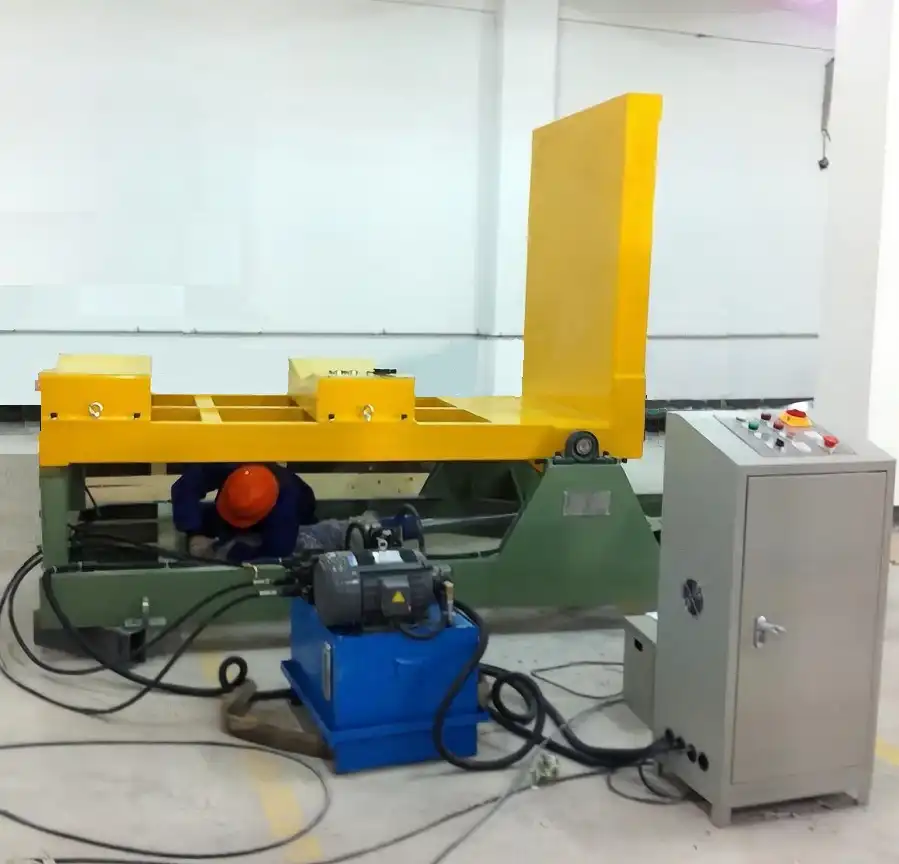
As someone who started on the factory floor and then built a successful packing machine business, I have seen firsthand what happens when companies cut corners on equipment quality. I know the pressure you face to keep production running smoothly and safely. So, if you are looking to invest in new equipment, especially for a demanding environment, understanding the importance of corrosion resistance is not just smart; it is necessary. Let’s dig deeper into why this matters for your operations.
What Makes Russia’s Climate So Challenging for Industrial Equipment?
Have you ever considered how much the environment can impact your machinery? In many parts of the world, equipment faces constant threats from the climate. Russia’s climate is known for its extremes. These conditions can quickly break down machines that are not built for them. Factory managers, like Michael Chen, tell me they worry about their equipment’s ability to last. They know that harsh weather can cause major problems and unexpected costs.
Russia’s climate presents unique and severe challenges for industrial equipment because it features extreme temperature swings, high humidity, and, in many industrial areas, exposure to various corrosive elements. This combination accelerates wear and tear on machinery, making standard materials and designs insufficient for long-term reliability and performance.

When I was building my own factory, I learned quickly that buying cheap equipment upfront often means paying a much higher price later. This is especially true in environments like Russia. The constant battle against nature’s forces directly affects a machine’s lifespan and its ability to perform. We are not just talking about cold; we are talking about a mix of factors that create a perfect storm for corrosion and mechanical stress.
Temperature Extremes and Their Impact
Russia experiences vast temperature differences. Summers can be warm, but winters are often very cold. This constant change from cold to warm and back causes stress on metal parts. Metals expand when warm and contract when cold. This process is called thermal cycling. Over time, thermal cycling can lead to metal fatigue. It can cause cracks in the structure of the machine. It also affects the seals and electrical components. For a coil upender, which handles heavy loads, any weakening can be dangerous.
High Humidity and Moisture
Many industrial regions in Russia, especially near coastlines or large bodies of water, have high humidity levels. This moisture in the air is a major cause of rust. Even slight condensation can start the corrosion process on unprotected metal surfaces. When combined with dust or industrial pollutants, this moisture becomes even more aggressive. Water can also seep into electrical cabinets and cause short circuits or damage sensitive controls. This means unreliable operation and a higher risk of total failure for the upender.
Exposure to Corrosive Agents
Factories in the metal processing industry often deal with chemicals or by-products that are corrosive. For example, steel mills might have airborne particles or acidic fumes. These substances, when combined with moisture, create an even faster rate of corrosion. Standard steel surfaces will quickly rust and degrade. This weakens the structural integrity of the upender. It also damages moving parts like bearings and gears. This can lead to increased friction, loss of precision, and eventually, complete mechanical breakdown. Protecting against these specific agents is crucial for equipment longevity.
Factors Contributing to Equipment Degradation in Russia’s Climate
| Climatic Factor | Specific Challenge for Coil Upenders | Risk to Operations |
|---|---|---|
| Extreme Cold | Brittleness of standard steels, lubricant thickening | Mechanical failure, increased friction |
| Frequent Freeze-Thaw | Thermal fatigue, cracking in welds and components | Structural weakening, decreased lifespan |
| High Humidity | Condensation, rust formation on exposed metal | Corrosion, electrical shorts, seizing of parts |
| Industrial Pollutants | Acidic attack on surfaces, accelerated rust | Material degradation, higher maintenance costs |
| Dust and Abrasives | Clogging moving parts, increased wear | Reduced efficiency, frequent breakdowns |
How Does Corrosion Directly Impact Coil Upender Performance and Safety?
Do you ever worry about the hidden damage happening to your machinery? Corrosion is often a silent killer in industrial settings. It slowly eats away at equipment, leading to unexpected failures. Factory managers like Michael Chen know that equipment problems can hurt their bottom line and put workers at risk. A small rust spot can become a major structural issue. This is especially true for heavy-duty machines like coil upenders. They handle massive weights.
Corrosion directly impacts coil upender performance and safety by weakening the machine’s structural integrity, causing moving parts to seize or operate inefficiently, and damaging electrical systems, leading to unreliable operation, increased breakdown risks, higher maintenance costs, and significant safety hazards for workers handling heavy materials.
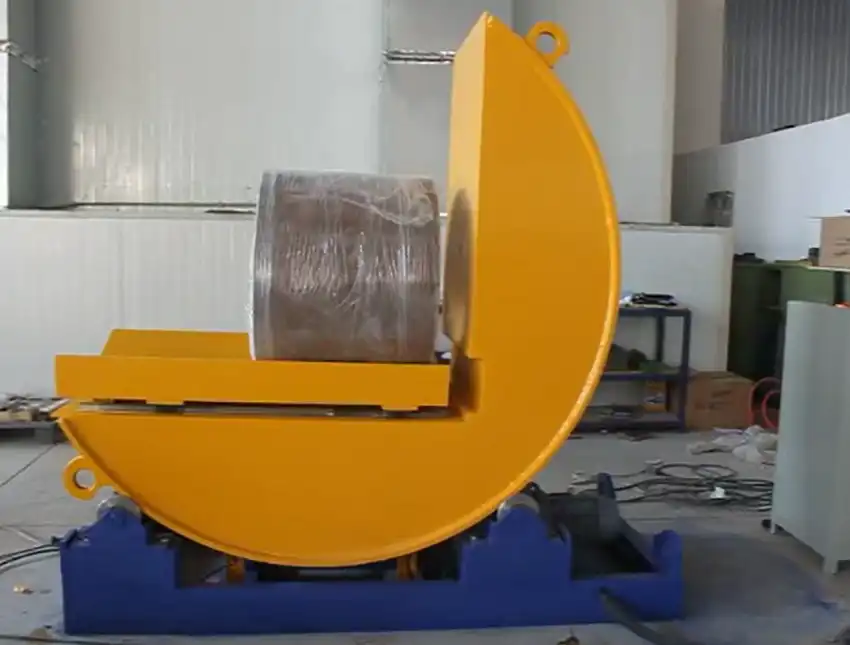
I have seen countless factories struggle because they did not take corrosion seriously enough. What seems like a minor issue can quickly spiral into a major problem. When an upender, which might be handling 10-ton coils, starts to corrode, it is not just about a loss of efficiency. It becomes a serious safety concern. The direct effects are clear: less uptime, more repair bills, and a constant worry about accidents.
Structural Weakness and Load Capacity Reduction
The most dangerous impact of corrosion is on the structural components of the upender. The frame, lifting arms, and rotating platforms are often made of steel. When rust forms, it reduces the thickness of the metal. This makes the parts weaker. A machine designed to lift a certain weight might no longer be able to do so safely. If the structural integrity is compromised, the upender could bend, crack, or even collapse under load. This directly risks the heavy coils it handles and, more importantly, the safety of any workers nearby. Regular inspections become critical, but prevention is always better.
Mechanical Malfunctions and Reduced Efficiency
Corrosion also affects the moving parts of the upender. Bearings, gears, hydraulic cylinders, and pivot points are all vulnerable. Rust can cause these parts to seize up. It can increase friction dramatically. This means the machine has to work harder to do its job, using more power. It also leads to slower operation and less accurate movements. Michael Chen mentioned efficiency as a key goal. A corroded upender cannot meet high production demands. It will cause bottlenecks. This means slower production and increased operating costs due to higher energy consumption and wear on other components.
Electrical System Damage and Unreliability
Modern coil upenders rely on complex electrical systems for control and safety. These include sensors, motors, wiring, and control panels. Moisture and corrosive particles can easily get into these systems. This causes short circuits. It can damage sensitive electronic components. A corroded electrical system can lead to intermittent failures. The machine might stop unexpectedly. It might not respond correctly to controls. This creates a highly unpredictable and unsafe working environment. It also means more time spent troubleshooting and replacing expensive electronic parts, leading to more downtime.
Direct Impacts of Corrosion on Coil Upenders
| Impact Category | Specific Consequence for Upender | Operational Outcome |
|---|---|---|
| Safety Hazards | Structural collapse, dropped loads | Worker injury, equipment destruction |
| Increased Downtime | Frequent breakdowns, lengthy repairs | Production delays, missed deadlines |
| Higher Maintenance Costs | Component replacement, specialized repairs | Reduced profitability, budget strain |
| Reduced Lifespan | Premature failure of machine components | Earlier replacement, higher capital expenditure |
| Decreased Efficiency | Slower cycles, increased power consumption | Lower output, higher operating costs |
What Specific Materials and Design Features Ensure Corrosion Resistance in Upenders?
Are you wondering how to protect your investment in industrial machinery? Knowing what goes into a truly robust machine can save you a lot of trouble. Many factory owners ask me about the technical details that make a difference. They want to know what makes one upender last longer than another. It is not just about the cost; it is about the build quality. This is especially true when you operate in places with tough conditions, like Russia.
Specific materials and design features ensure corrosion resistance in coil upenders by creating physical barriers and chemical protections against corrosive elements. This includes using specialized alloys, durable coatings, sealed components, and smart design choices that prevent moisture and contaminants from accumulating, thereby extending the machine’s operational life and maintaining its performance integrity in harsh environments.

From my experience setting up factories and designing machinery, I learned that true quality is in the details. It is not enough to just paint a machine and call it “corrosion-resistant.” The choices made in materials and design from the very start are what truly determine how long an upender will serve you. This upfront investment in quality pays back many times over through reduced maintenance and increased uptime. It is about building a machine that I would trust to run my own operations, day in and day out.
Material Selection: Beyond Standard Steel
For coil upenders, standard carbon steel will rust quickly in a corrosive environment. Instead, specialized materials are used.
- Stainless Steel: For critical components exposed to high moisture or chemicals, stainless steel alloys like 304 or 316 are excellent. These steels contain chromium, which forms a passive layer on the surface that resists rust. This is especially good for hydraulic pipes, sensor housings, and fasteners.
- Galvanized Steel: For structural frames and less critical parts, galvanized steel is a common choice. This involves coating steel with a layer of zinc. Zinc acts as a sacrificial layer. It corrodes before the steel underneath. This provides long-term protection against rust.
- Special Coatings: Epoxy-based paints or powder coatings offer another layer of protection. These coatings are thick and durable. They create a barrier against moisture and chemicals. They are applied after the metal surfaces are prepared properly. This ensures good adhesion and a long-lasting finish.
Design Features for Enhanced Protection
Beyond materials, the way an upender is designed also plays a big role in its corrosion resistance.
- Sealed Enclosures: All electrical cabinets, motor housings, and control boxes should be completely sealed. This prevents water, dust, and corrosive fumes from getting inside. Look for high IP ratings (Ingress Protection), like IP65 or higher. These ratings mean the enclosure is protected against dust ingress and water jets.
- Protected Bearings and Moving Parts: Bearings are critical. They should be sealed or use self-lubricating designs. This keeps out contaminants and retains lubricants. Hydraulic cylinders should have chrome-plated rods and robust seals. This prevents rust on the piston rods. It also stops hydraulic fluid leaks.
- Drainage and Sloped Surfaces: Design choices that prevent water pooling are important. Sloped surfaces on the frame and platform allow water to drain away. This avoids stagnant puddles where corrosion can start. Holes or channels for drainage are also important in critical areas.
- Easy Access for Cleaning and Inspection: While the goal is prevention, easy access to parts for cleaning and routine inspection is still beneficial. This allows any early signs of corrosion to be addressed quickly. This extends the lifespan of the machine.
Key Features for Corrosion-Resistant Upenders
| Feature Type | Specific Implementation | Benefit for Corrosion Resistance |
|---|---|---|
| Material Selection | Stainless steel (304/316), Galvanized steel | Inherent rust resistance, sacrificial protection |
| Protective Coatings | Epoxy paint, Powder coating | Barrier against moisture and chemicals |
| Sealing | IP-rated enclosures, Sealed bearings | Prevents ingress of water, dust, and fumes |
| Structural Design | Sloped surfaces, Drainage points | Prevents water pooling, promotes shedding |
| Component Protection | Chrome-plated hydraulic rods, corrosion-resistant fasteners | Prevents rust on critical moving parts |
How Does Investing in Corrosion-Resistant Upenders Offer Long-Term ROI for Russian Factories?
Are you always looking for ways to improve your factory’s bottom line? Every investment needs to make sense financially. For factory managers, the initial cost of equipment is important. But the real value comes from its long-term performance and the money it saves. Investing in corrosion-resistant coil upenders might seem like a higher upfront cost. However, this decision brings significant returns, especially in demanding environments like Russia. It is about reducing hidden costs and increasing overall profitability.
Investing in corrosion-resistant coil upenders offers long-term Return on Investment (ROI) for Russian factories by significantly reducing maintenance expenses, minimizing costly production downtime, extending the operational lifespan of the equipment, and enhancing workplace safety, leading to greater productivity and overall profitability compared to standard machines that quickly degrade in harsh climates.
As I shared earlier, my own journey in the packing machine industry taught me the true meaning of financial independence through smart, long-term investments. I helped many clients grow their businesses not by selling them the cheapest option, but by providing solutions that offered real value over time. For a factory in Russia, the choice of a corrosion-resistant upender is not just a purchase; it is a strategic business decision that directly impacts your profit margins and operational efficiency for years to come.
Reduced Maintenance and Repair Costs
A major benefit of corrosion-resistant upenders is the drastic reduction in maintenance and repair costs. Standard machines in harsh climates often need frequent repairs. They need replacement of rusted parts. This means paying for spare parts and technician labor. Corroded parts also cause secondary damage to other components. For example, a rusted bearing can damage a shaft. A corrosion-resistant upender, built with better materials and design, will last longer without needing these costly interventions. This saves a lot of money over its lifespan. It also frees up your maintenance team to focus on proactive tasks instead of emergency repairs.
Minimized Downtime and Increased Productivity
Downtime is a factory manager’s nightmare. Every minute a production line is stopped means lost revenue. Michael Chen worries about efficiency bottlenecks. Corrosion-related failures are a common cause of unexpected downtime. When an upender fails due to rust, it can stop the entire workflow. This impacts delivery schedules and customer satisfaction. A corrosion-resistant upender works reliably. It reduces unexpected breakdowns. This leads to more consistent production. It means higher output. It ensures you meet your targets. This improved uptime translates directly into higher productivity and better use of your factory’s resources.
Extended Equipment Lifespan
The initial investment in a high-quality, corrosion-resistant upender might be higher than a standard model. However, its lifespan is significantly longer. Instead of needing to replace a machine every 5-7 years due to corrosion, a well-built upender might last 15-20 years or even more. This spreads the capital expenditure over a much longer period. It reduces the frequency of major capital outlays. It improves your capital asset management. This long-term durability is a key part of the ROI calculation. It allows you to defer costly replacements and use your budget for other growth areas.
Enhanced Safety and Compliance
Safety is paramount in any factory. Michael Chen highlights safety concerns. Corrosion weakens equipment. This increases the risk of accidents. A failure in an upender handling heavy coils can lead to severe injuries or even fatalities. This also results in higher insurance costs and potential legal issues. A corrosion-resistant machine is inherently safer. It maintains its structural integrity and operational reliability. This protects your workers. It helps you comply with safety regulations. A safer workplace means higher employee morale. It means lower worker’s compensation claims. This is a crucial, though sometimes intangible, part of the ROI.
ROI Factors for Corrosion-Resistant Upenders
| ROI Factor | Benefit | Financial Impact |
|---|---|---|
| Lower Maintenance | Fewer repairs, less part replacement | Direct cost savings, better budget control |
| Reduced Downtime | Consistent operation, fewer unexpected stops | Higher output, on-time deliveries, more revenue |
| Longer Lifespan | Delayed replacement of capital equipment | Lower long-term capital expenditure, improved asset utilization |
| Increased Safety | Fewer accidents, less risk to workers | Lower insurance costs, better morale, reduced liability |
| Higher Efficiency | Smooth operation, optimal performance | Lower operating costs (e.g., energy), increased productivity |
Conclusion
Investing in corrosion-resistant coil upenders for Russia’s challenging climate is not just a smart choice; it’s a critical one for long-term operational success, safety, and profitability.
My insights
From my own journey building FHOPEPACK, I understand the challenges factory managers face daily. When I started as an employee, I saw firsthand how equipment failure could halt an entire production line. That experience drove me to build machines that not only performed but endured. For Michael Chen and other factory managers in Russia, the choice of an upender is not just about moving coils; it’s about safeguarding production, ensuring worker safety, and securing the financial future of the plant. My focus has always been on delivering reliable, durable solutions that become true partners in your growth, not just another piece of machinery. The real value is in the uptime, the safety, and the peace of mind.








