
How does an orbital wrapping machine reduce product damage in shipping?
Imagine this: your valuable products, fresh off the production line, are perfect. But then they leave your factory, travel hundreds or thousands of miles, and arrive at your customer’s door scratched, dented, or worse. This problem costs businesses millions every year in returns, rework, and lost trust. I have seen this happen too many times, and it is a pain point for many factory managers, just like Michael in Mexico, who constantly battle against product loss.
An orbital wrapping machine significantly reduces product damage in shipping by creating a tight, multi-layered protective barrier that safeguards items against external impacts, environmental factors, and internal shifting, ensuring they arrive at their destination in pristine condition.
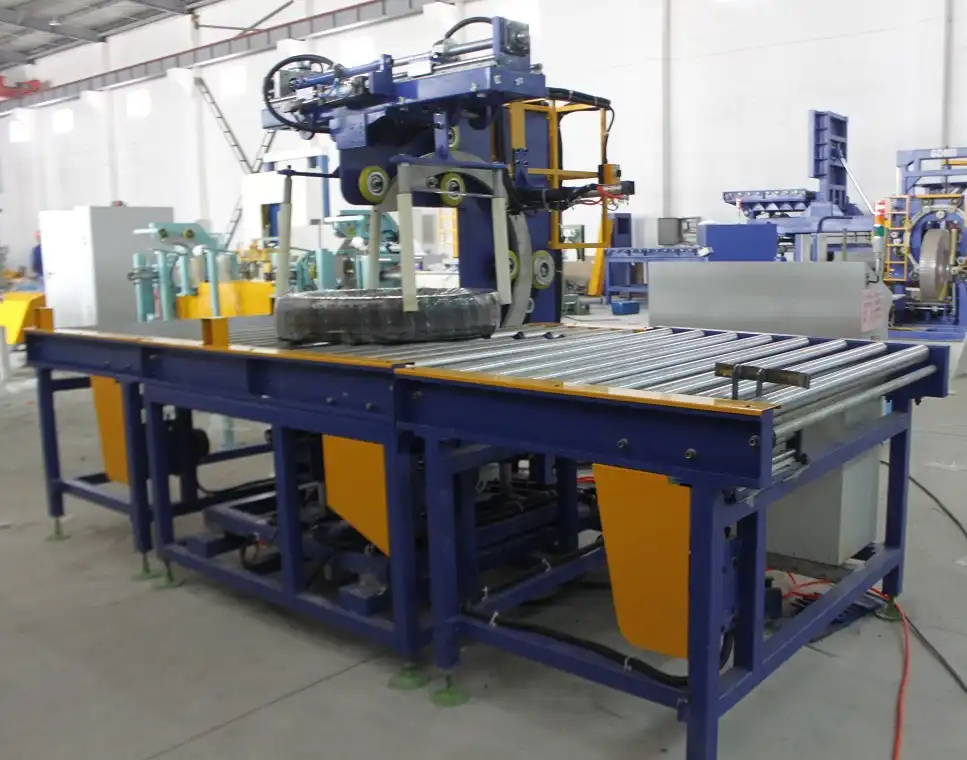
I have spent years in the packing machine industry, from the factory floor to running my own successful operations. I understand the challenges you face. You need solutions that work, that last, and that protect your investment. Let us explore how orbital wrapping machines deliver on that promise, offering a level of protection that manual methods simply cannot match.
1. How does an orbital wrapper form a fortress against external damage?
Do you worry about rain, dust, or accidental bumps damaging your products during transit? Many businesses ship valuable items, like large steel coils or wire bundles, that are vulnerable to the elements and physical harm. Leaving products exposed means taking a big risk, one that can lead to costly rejections and unhappy customers.
An orbital wrapping machine forms a robust shield by applying a continuous, overlapping layer of stretch film, creating an almost impenetrable barrier against moisture, dust, and minor physical impacts from the outside world.
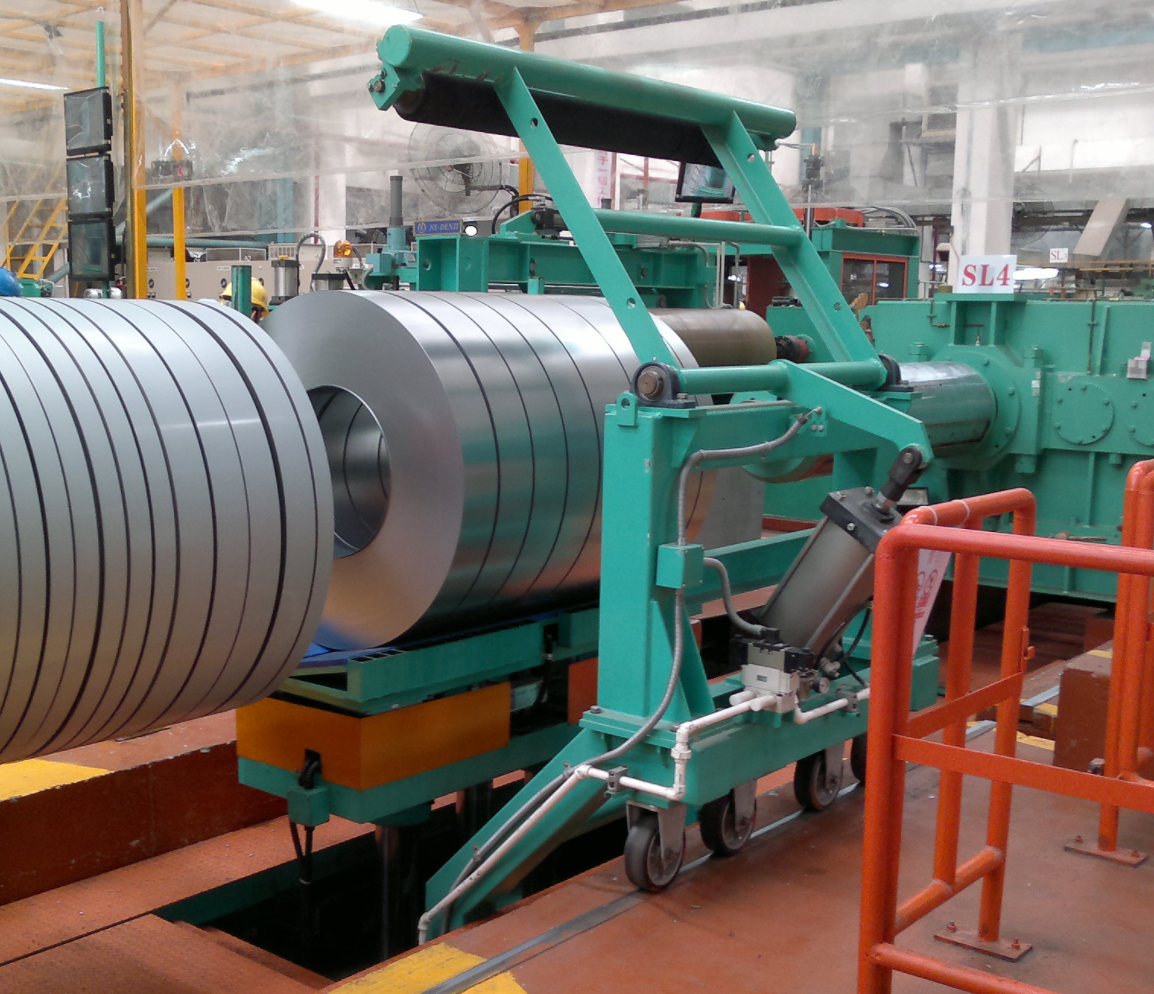
From my early days working at a packing machine factory, I quickly learned that the external environment is a huge threat. Rain, humidity, and airborne dust can corrode metals or degrade other materials. Even small bumps during loading or unloading can cause significant damage. This is especially true for companies like Michael’s metal processing plant, where the integrity of steel products is paramount. Orbital wrappers address this by fully encapsulating the product. The machine’s design allows it to wrap horizontally around the product, passing the film through the center of the item itself. This unique motion ensures that every surface is covered, unlike vertical wrapping which might leave the sides or interior exposed for certain product shapes. The stretch film used is not just any plastic; it is engineered for high puncture resistance and elasticity. This means it can absorb minor impacts, preventing them from reaching the product underneath. It also forms a tight seal that repels water and dust, keeping your valuable items dry and clean. I always tell my clients that this is like building a custom, flexible, weatherproof shell around their product. It is a proactive step that protects against unforeseen circumstances during transportation. My experience with numerous clients showed me how often products would arrive with surface rust or dust contamination because of inadequate packaging. An orbital wrapper solves this problem head-on, giving you peace of mind that your products are well-protected from the moment they leave your facility.
Comparing Protection: Manual vs. Orbital Wrapping
| Feature | Manual Wrapping (Typical) | Orbital Wrapping (Automated) |
|---|---|---|
| Coverage | Often inconsistent, can leave gaps or exposed areas. | Full, continuous, and overlapping coverage for total enclosure. |
| Seal Quality | Variable; prone to loose spots, allowing dust/moisture in. | Tight, consistent seal that effectively repels contaminants. |
| Impact Resistance | Limited; depends on human effort and film layers. | Enhanced due to consistent tension and multiple, strong layers. |
| Weatherproofing | Poor to moderate; susceptible to water ingress. | Excellent; acts as a robust barrier against rain and humidity. |
| Film Tension | Inconsistent; depends on worker strength and technique. | Electronically controlled; ensures optimal stretch and tightness. |
| Environmental | Vulnerable to dust, moisture, and UV light damage. | Strong defense against dust, moisture, and some UV exposure. |
2. How does an orbital wrapping machine keep your products stable and secure inside?
Have you ever had a shipment arrive only to find that the items inside have shifted, causing them to bump into each other or the packaging walls? This internal movement is a silent killer of product integrity, leading to scratches, dents, and even structural damage. Especially with heavy, irregular items like steel coils or long pipes, securing them against movement during transit is a major headache.
An orbital wrapping machine excels at keeping products stable and secure by creating a unified, compact load that prevents internal shifting and ‘telescoping,’ which are common causes of damage during handling and transportation.
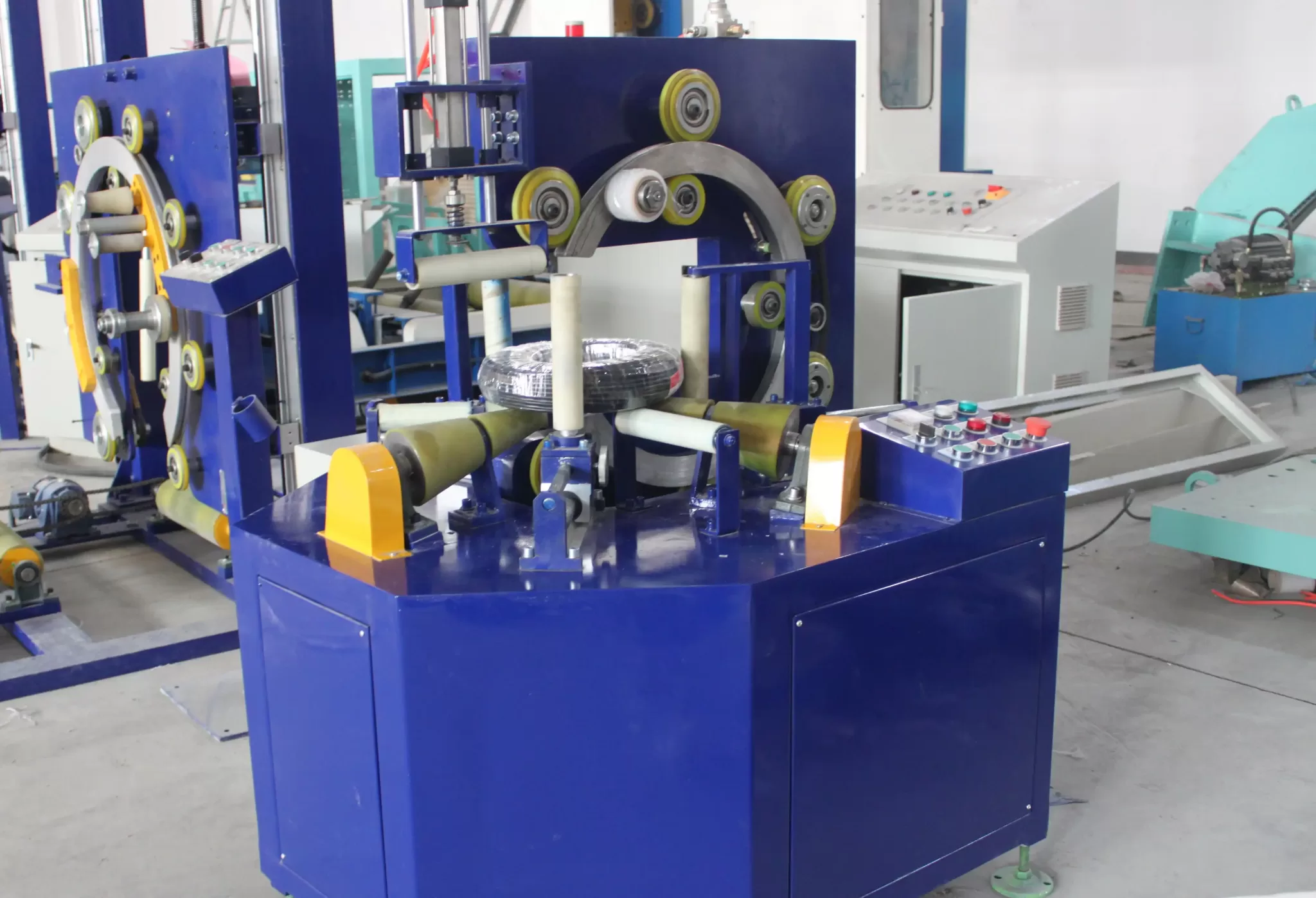
I remember working with a client who shipped large wire coils. They often complained about coils “telescoping” during transit, where the outer layers would separate and slide off the inner layers. This damage meant the product was often unsellable. This is a common challenge for manufacturers, including Michael’s factory in Mexico, who deal with similar heavy, wound products. Orbital wrapping machines solve this by wrapping the film around the entire circumference of the product, but crucially, also through its center. This motion integrates the product with the packaging itself. It is not just wrapping around the outside; it is tying the product together. The machine applies controlled tension to the stretch film, compacting the product and holding all its parts firmly in place. For coils, this means the film passes through the eye of the coil, securely binding the inner and outer layers together. This prevents the dreaded telescoping effect and ensures that the coil maintains its original shape and integrity. For longer products like pipes or bundles of steel bars, the orbital motion wraps along the length, creating multiple bands of film that hold the items tightly together. This prevents individual pieces from shifting or rubbing against each other, which can cause surface abrasions and structural damage. The stability created by an orbital wrapper is paramount for safe transit. When a product is tightly bound, it acts as a single, solid unit. This reduces the forces exerted on individual parts when the truck stops or turns sharply. It also makes handling safer and easier for your logistics team, reducing the risk of accidental drops or shifts during loading and unloading. This comprehensive stabilization is a game-changer for businesses aiming to minimize transit damage.
The Dynamics of Load Stabilization
An orbital wrapping machine uses specific techniques to achieve superior load stability:
- Through-the-Core Wrapping: For products with an open center, like coils or rings, the film passes through the core. This effectively “ties” the inner and outer parts together, preventing separation or shifting of layers. It is like sewing the package together with strong, stretchy thread.
- Constant Tension Control: Advanced orbital wrappers have precise tension control systems. This means the film is applied with consistent force across the entire product. This controlled tension compacts the load, eliminating voids and reducing the potential for movement.
- Layered Reinforcement: Each pass of the orbital arm adds another layer of film, building up a robust, multi-directional net around the product. This creates a powerful, integrated structure that resists external forces and keeps the internal components locked in place.
- Shape Conformance: The stretch film conforms tightly to the product’s unique shape, no matter how irregular. This custom fit eliminates slack, ensuring there are no loose areas where movement could begin. This is crucial for products that are not perfectly rectangular or cylindrical.
These combined elements mean that when your product is wrapped by an orbital machine, it becomes a solid, stable package ready to withstand the rigors of any journey.
3. How does orbital wrapping protect delicate surfaces and edges from transit wear?
Is your factory experiencing costly product damage like scratches, scuffs, or bent edges on your finished goods? These seemingly minor imperfections can lead to significant financial losses, especially for industries dealing with high-value materials such as polished metals or finely finished components. Manual handling and inadequate packaging often leave these critical areas vulnerable during shipping.
Automated orbital wrapping machines provide superior protection for delicate surfaces and edges by applying a consistent, multi-layered cushion of stretch film that minimizes direct contact abrasion and absorbs minor impacts during transit.
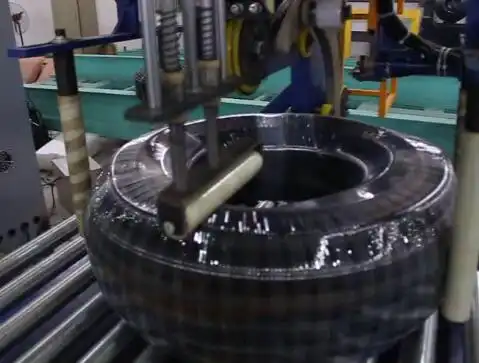
In my years helping factories optimize their packing, I have witnessed firsthand the frustration of managers like Michael Chen when products arrive with damage to their most sensitive parts. A common issue Michael specifically faces is damage to the edges of steel coils. These types of damages reduce the product’s value and sometimes make it completely unusable, leading to customer complaints and lost profits. Manual wrapping often fails to provide uniform protection, leaving certain areas, especially corners and edges, inadequately covered or with inconsistent film tension. An orbital wrapping machine, on the other hand, automates this critical process. It applies the stretch film with precise, consistent tension and overlap around the entire product. This means that edges and corners, which are typically the most vulnerable points, receive the same robust protection as flatter surfaces. The multi-layered film acts as a protective buffer, absorbing friction and minor bumps that would otherwise cause scratches, scuffs, or dents. For items like metal coils or wire bundles, this is incredibly important. The film prevents the sharp edges from directly contacting other surfaces during movement, which often causes abrasive damage. It also acts as a cushioning layer, reducing the impact of any knocks or jolts. Imagine a large steel coil with its polished surface. Any scratch or dent can be a major issue. The continuous, tight wrap from an orbital machine ensures that this delicate surface is shielded from external elements and direct contact with other surfaces or packaging materials. This precise and consistent application is something that human hands, no matter how skilled, simply cannot replicate over time, especially with the speed and volume required in a busy factory setting.
Common Surface Damage Prevented by Orbital Wrapping
- Abrasions and Scratches: Direct contact with other items, rough surfaces, or packaging materials during transit can cause unsightly and damaging abrasions. The multi-layered film from an orbital wrapper creates a buffer that prevents this direct contact.
- Dents and Dings: Minor impacts during loading, unloading, or shifting within the transport vehicle can result in dents. The stretch film’s elasticity and layered structure help to distribute impact forces, reducing their concentration on a single point.
- Edge Damage: Sharp edges, common in metal products like steel sheets or coils, are prone to bending, chipping, or deforming when knocked. Orbital wrapping reinforces these vulnerable edges with multiple layers of tightly applied film, providing critical support and protection.
- Surface Contamination: Dust, dirt, and chemical residues can adhere to exposed surfaces, requiring costly cleaning or potentially causing corrosion. The tight, sealed wrap prevents these contaminants from reaching the product surface.
- Moisture-Induced Corrosion: Even slight exposure to humidity or condensation can lead to rust on metal products. The orbital wrapper creates a moisture-resistant barrier, keeping the product dry and free from corrosive elements.
This comprehensive surface and edge protection delivered by an orbital wrapping machine directly contributes to higher customer satisfaction and a significant reduction in product claims and returns.
4. How does an orbital wrapping machine ensure consistent, high-quality protection every time?
Do you ever worry about the inconsistency of your packing quality? One day, the packaging is perfect; the next, it is loose, uneven, or incomplete, all because packing relies heavily on human effort. This variability leads to unpredictable protection, higher damage rates, and a constant battle to maintain standards. This is a common pain point for many factory managers seeking better efficiency and reliability.
An orbital wrapping machine ensures consistent, high-quality protection by automating the wrapping process, removing human variability, and applying precise film tension and overlap to every product, every time.
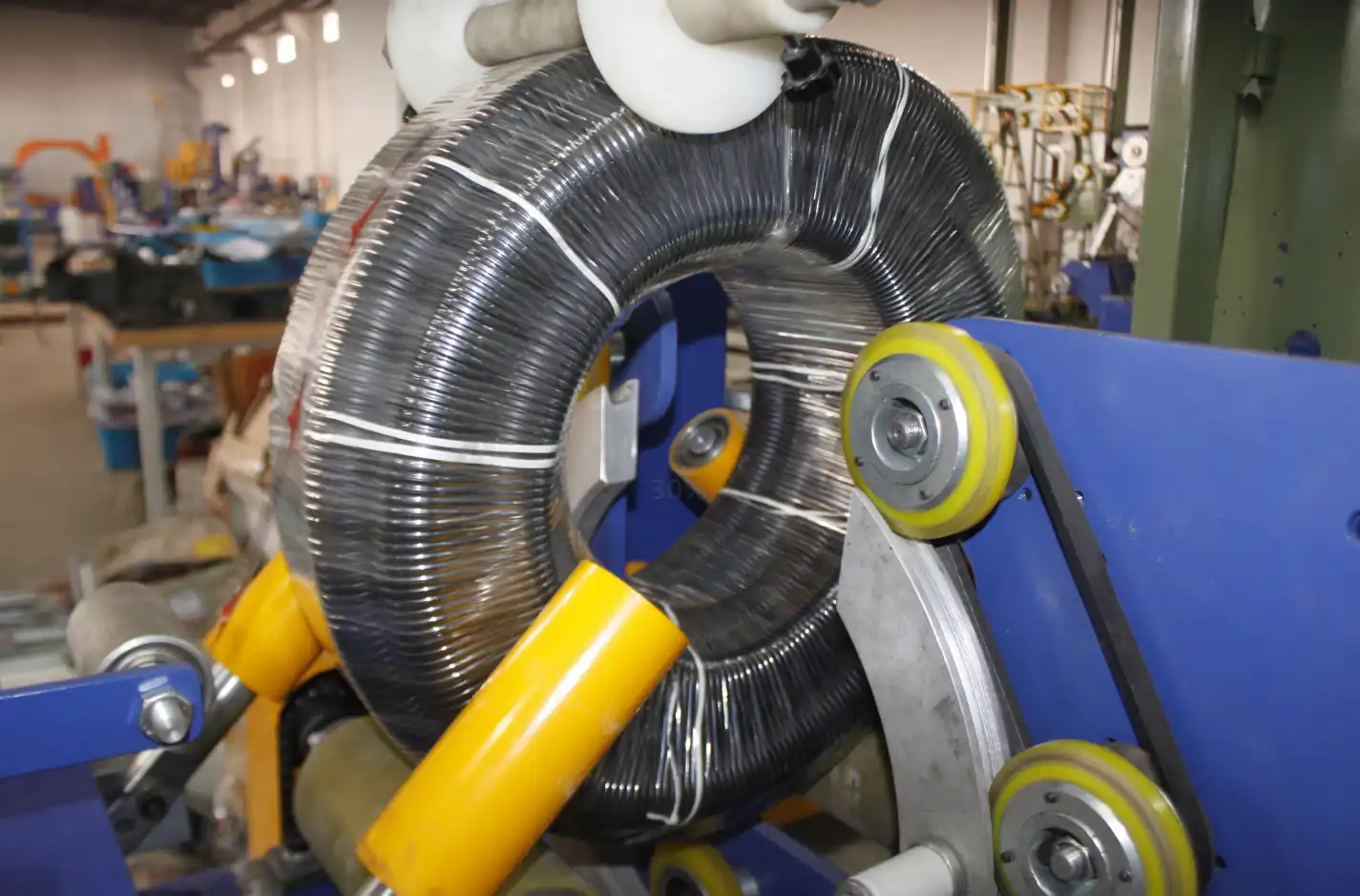
When I was first starting out as an employee in a packing machine factory, I saw firsthand the challenges of manual packing. Workers tried their best, but wrapping large, heavy coils or long bundles by hand was physically demanding. It was slow, and frankly, it was impossible to achieve a perfect, consistent wrap every single time. Some wraps would be too tight, others too loose. Some areas would have ample film, while others were barely covered. This inconsistency was a major source of product damage and a huge safety risk, a challenge Michael Chen currently faces in his factory with manual processes and associated injury risks. This personal experience was a huge motivator for me later when I started FHOPEPACK and established my own packing machine factory. I knew that automation was not just about speed; it was fundamentally about consistency and reliability. An orbital wrapping machine takes the guesswork and the strain out of the equation. It is programmed to apply film with specific tension settings and precise overlap percentages. This means that whether you are wrapping the first product of the day or the hundredth, the quality of the wrap remains identical. The machine does not get tired, it does not get distracted, and it does not cut corners. This level of consistency is critical for protecting valuable goods, especially in industries that deal with heavy, expensive materials like steel or wire. For Michael’s factory, this means a dramatic reduction in product loss due to inconsistent packaging. It also significantly improves safety by minimizing the need for workers to manually handle and wrap awkward, heavy items, which reduces the risk of injuries and lowers insurance costs. Furthermore, consistent packaging also looks more professional, reflecting well on your brand and giving your customers confidence in the quality of your products and your processes. Investing in such automation is not just buying a machine; it is investing in a reliable, repeatable quality control process that pays dividends in reduced damage, improved efficiency, and enhanced safety. This aligns perfectly with Michael’s goals of boosting automation, increasing safety, and reducing costs through a clear return on investment.
Key Factors for Consistent Protection
- Automated Film Application: Unlike manual wrapping, where film tension and overlap depend on the operator’s technique, an orbital machine uses programmed settings. This ensures the film is applied with consistent force and precision, eliminating human error.
- Repeatable Performance: The machine performs the same wrapping cycle repeatedly. This means every product receives the same number of film layers, applied with the same tension and overlap, guaranteeing uniform protection across all batches.
- Reduced Labor Strain: Manual wrapping of large or heavy items is physically demanding. Fatigue can lead to shortcuts or inconsistent application. Automation removes this physical burden, maintaining high-quality output regardless of worker energy levels.
- Optimized Film Usage: Consistent application also leads to optimized film consumption. The machine applies only the necessary amount of film to achieve the desired protection, reducing waste and contributing to cost savings.
- Enhanced Safety: By automating the wrapping process, workers are less exposed to hazards associated with manually handling heavy, awkward items. This greatly improves workplace safety and reduces the risk of injuries related to packing.
This blend of automation, precision, and consistency is why orbital wrapping machines are a vital asset for any factory aiming for superior product protection and operational excellence.
Conclusion
An orbital wrapping machine is a powerful solution for reducing product damage in shipping. It creates a robust shield, stabilizes loads, protects surfaces, and ensures consistent quality, safeguarding your products and your bottom line.








