
How Does a Hydraulic Upender Reduce Labor Costs and Downtime?
Factories today face immense pressure. Labor costs keep rising, and any halt in production means lost money. Many operations still rely on manual handling for heavy items like steel coils or molds. This is slow, dangerous, and expensive. Think about the constant risk of injury, the slow pace of manual flipping, and the damage that can happen to your valuable products. These issues directly hit your bottom line. What if there was a way to dramatically cut these costs and keep your production running smoothly? (hydraulic upender benefits)
A hydraulic upender significantly reduces labor costs by automating the heavy, manual process of flipping or rotating bulky items, minimizing the need for multiple workers and reducing the risk of workplace injuries. This automation also drastically cuts downtime by speeding up material handling, ensuring a continuous flow in the production line, and preventing costly product damage during transfers, ultimately leading to higher operational efficiency and profitability. (heavy duty material handling)
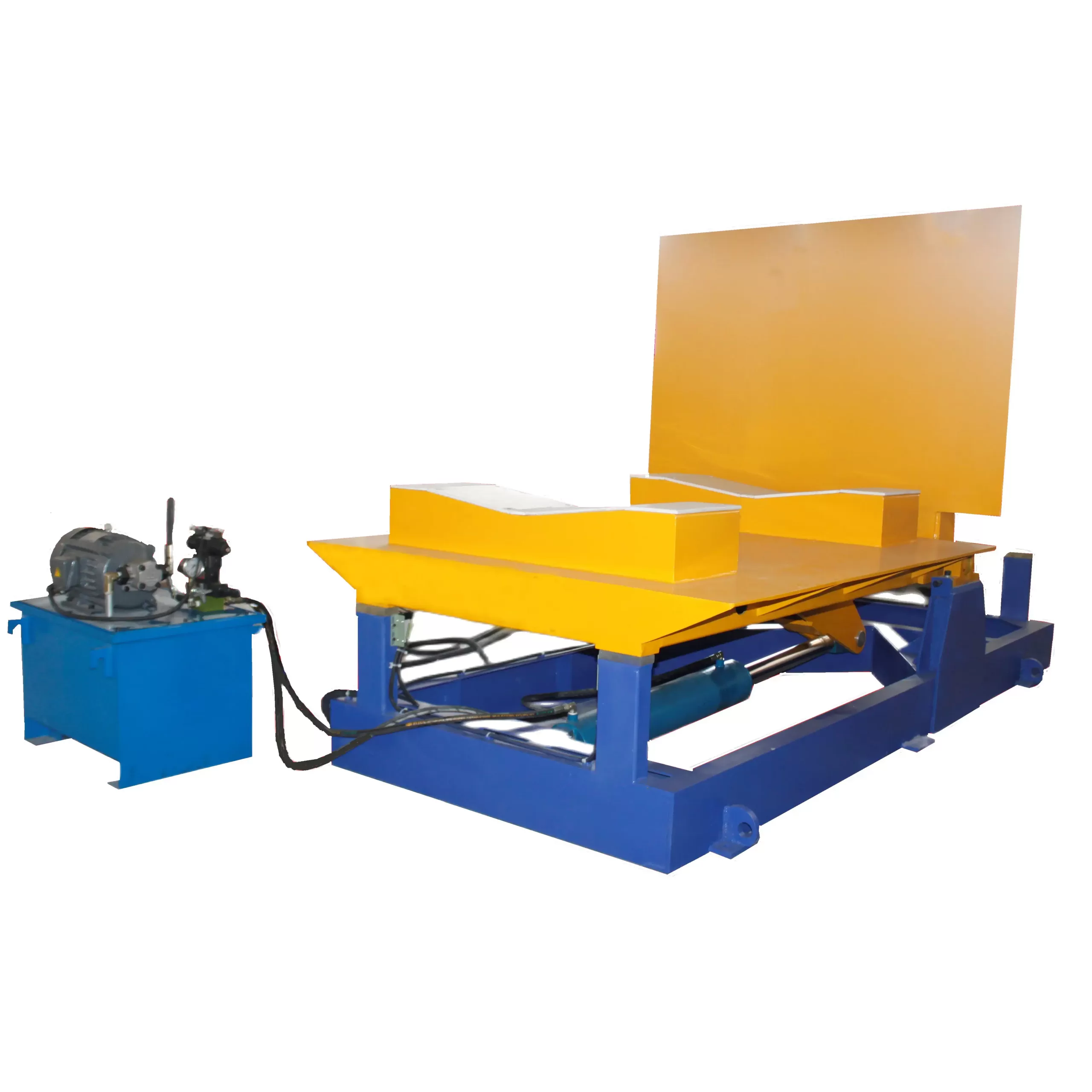
As a packing machine engineer who has spent decades on the factory floor and later built my own successful factory, I have seen these challenges firsthand. I know the pressures Michael Chen, a factory manager in Mexico, faces daily. He wants solutions that work, are reliable, and offer clear value. Let’s dive deeper into how this powerful piece of equipment tackles these issues, helping factories like yours master their packing operations and achieve greater success. (industrial automation solutions)
1. How Does a Hydraulic Upender Improve Workplace Safety?
Manual handling of heavy steel coils or molds is incredibly risky. Workers strain their backs, drop heavy objects, and face dangerous pinch points. This leads to frequent injuries, high medical costs, and disruptions. Imagine the constant worry about accidents, the rising insurance premiums, and the loss of skilled workers due to injuries. This isn’t just a cost; it’s a drain on morale and productivity. A hydraulic upender offers a powerful solution, removing workers from hazardous situations and creating a much safer work environment. (workplace safety equipment)
A hydraulic upender improves workplace safety by eliminating the need for manual lifting, flipping, or rotating heavy, awkward industrial materials like steel coils, molds, and dies. It precisely handles these items using hydraulic power, significantly reducing the risk of musculoskeletal injuries, crushed limbs, and other accidents associated with traditional, unsafe handling methods, thereby protecting employees and lowering injury-related costs. (safe material handling solutions)
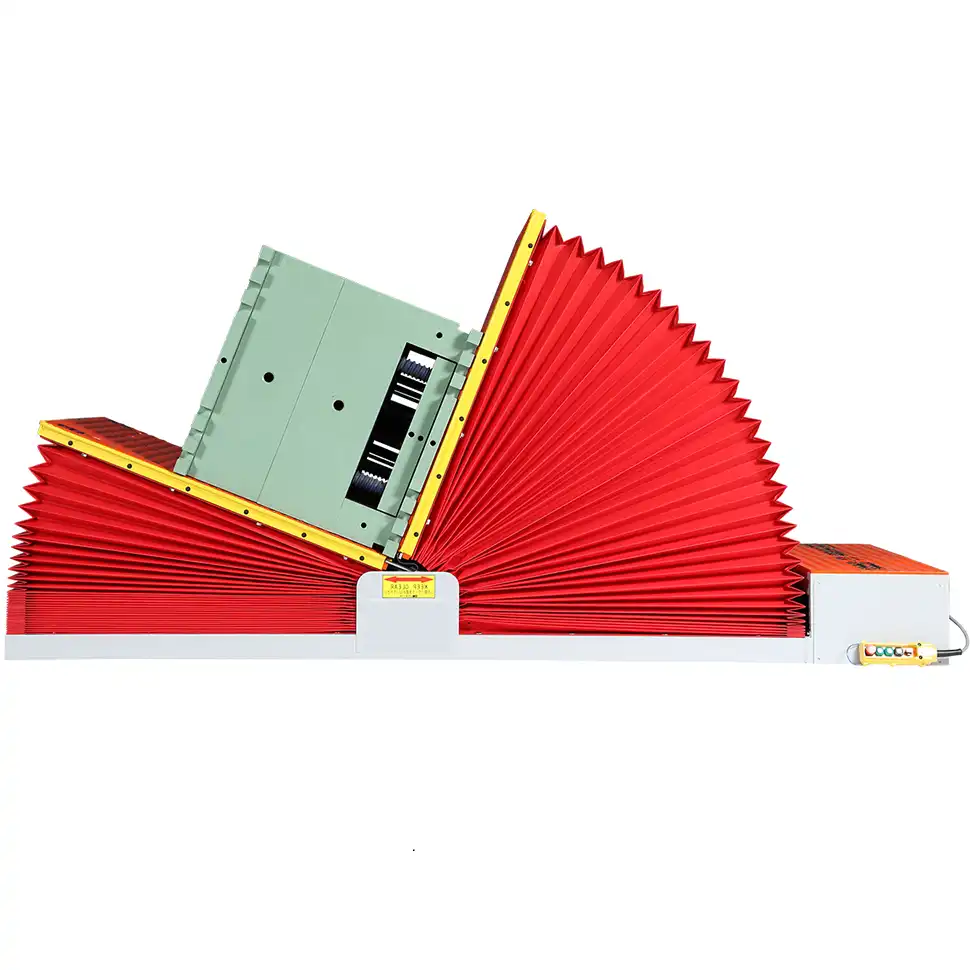
In my years in the packing machine industry, I’ve witnessed countless close calls and actual accidents stemming from manual heavy lifting. Michael Chen’s concern about high injury risks and rising insurance costs in his metal processing plant in Mexico is very real. A hydraulic upender directly addresses these issues by automating the most dangerous part of material handling. This machine takes over the strenuous and hazardous tasks that workers once performed, often involving makeshift methods or multiple people straining together. By removing the human element from direct contact with massive, heavy loads during rotation or inversion, the chances of dropping objects, crushing injuries, or strain-related incidents drop dramatically. 🛡️
Consider the common scenario of flipping a heavy steel coil. Without an upender, this might involve overhead cranes, chains, and careful manual manipulation, often with several workers coordinating. One slip, one misjudgment, and you have a severe accident. A hydraulic upender, on the other hand, performs this operation with controlled, smooth, hydraulic movements. The operator can stand at a safe distance, controlling the process with a simple push of a button. This is not just about preventing major accidents; it also significantly reduces the chronic strain injuries that lead to long-term health problems and worker absenteeism. These machines are engineered with safety features like emergency stops, overload protection, and interlocks, ensuring operations are secure. For factory managers like Michael, investing in such equipment means fewer workers’ compensation claims, lower insurance premiums, and a more engaged, healthy workforce. 👷 It’s a proactive step towards building a culture of safety, where employees feel valued and protected. This translates into tangible savings and increased trust, as Michael knows firsthand how a positive work environment impacts overall productivity and employee retention. (industrial safety improvements, heavy load handling safety)
2. How Does an Upender Streamline Production Efficiency?
Manual handling of heavy goods is notoriously slow. Each step – positioning, flipping, re-positioning – takes time, creating bottlenecks in the production line. This delays overall output and impacts delivery schedules. Are you constantly struggling to meet production targets because your material handling is holding you back? The ripple effect of slow processing can lead to missed deadlines and unhappy customers. A hydraulic upender is designed to perform these operations quickly and precisely, turning bottlenecks into smooth, efficient workflows. (production line optimization)
An upender streamlines production efficiency by significantly accelerating the process of reorienting heavy materials like coils, molds, or rolls. It replaces time-consuming and often cumbersome manual or crane-assisted methods with a fast, controlled, and automated operation, thereby reducing processing times, minimizing bottlenecks at critical stages, and ensuring a continuous and uninterrupted flow of goods through the production or packing line. (material handling automation efficiency)
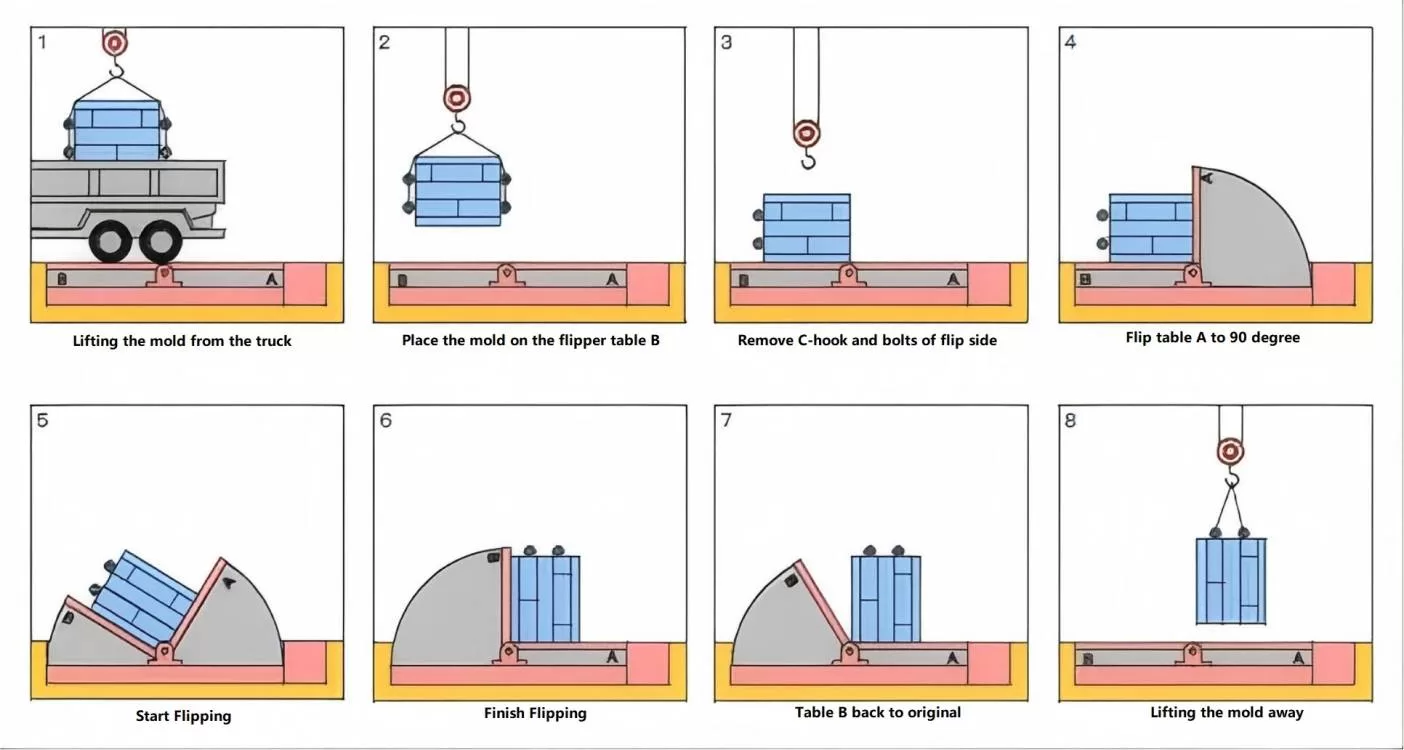
When I first started in the packing machine industry, seeing how much time was wasted on manual material handling was eye-opening. Michael Chen’s factory in Mexico, like many others, faces efficiency bottlenecks due to slow, manual coil and wire packing processes. A hydraulic upender directly tackles this by transforming a multi-step, labor-intensive task into a swift, single-operator action. ⏱️
Here’s how it makes a difference:
- Reduced Cycle Times: Manual flipping can take minutes, sometimes even longer, especially for very heavy or awkward items. An upender can complete a full 90 or 180-degree rotation in seconds. This speed-up is crucial at the end of a production line, where bottlenecks often occur.
- Consistent Performance: Humans get tired. Machines do not. An upender provides consistent, repeatable performance, ensuring that each rotation is executed with the same speed and precision every time. This predictability helps in better scheduling and capacity planning.
- Integration with Automation: Modern hydraulic upenders are often designed to integrate seamlessly into automated production lines. They can receive materials directly from a conveyor or an overhead crane and then discharge them to the next stage, all without manual intervention. This creates a fully automated workflow, which is exactly what Michael is looking for to elevate his factory’s automation level. ⚡
- Optimized Space Utilization: Manual handling often requires significant clear space for workers and cranes to maneuver. Upenders have a smaller footprint and perform their operations within a confined, defined area, making better use of valuable factory floor space.
Consider the impact on overall equipment effectiveness (OEE). By speeding up one critical step, an upender improves the “performance” aspect of OEE, leading to more throughput. This directly translates to higher production volumes and faster order fulfillment, which is vital for any factory aiming for growth. It moves the factory away from reliance on human strength and variability, towards machine precision and consistent output. (automated material reorientation, industrial throughput enhancement)
3. How Can a Hydraulic Upender Protect Your Products from Damage?
Valuable products, especially delicate edges of steel coils or precision molds, are frequently damaged during manual handling or transfer. This leads to costly rejections, rework, and unhappy customers. Are you losing profit due to customer complaints about damaged goods, forcing you to absorb losses or spend extra time on repairs? Product damage is not just an inconvenience; it’s a direct hit to your reputation and bottom line. A hydraulic upender offers a gentle yet powerful solution, ensuring your products are handled with precision and care, minimizing any risk of damage. (prevent product damage in manufacturing)
A hydraulic upender protects products from damage by providing a controlled, smooth, and precise method of rotating or inverting heavy items, unlike the jarring movements often associated with manual handling or traditional crane operations. It reduces the risk of impact, scraping, or deformation to delicate edges, surfaces, or internal components, ensuring that valuable materials like steel coils and molds maintain their integrity from processing through to packaging and shipment. (precision material handling)
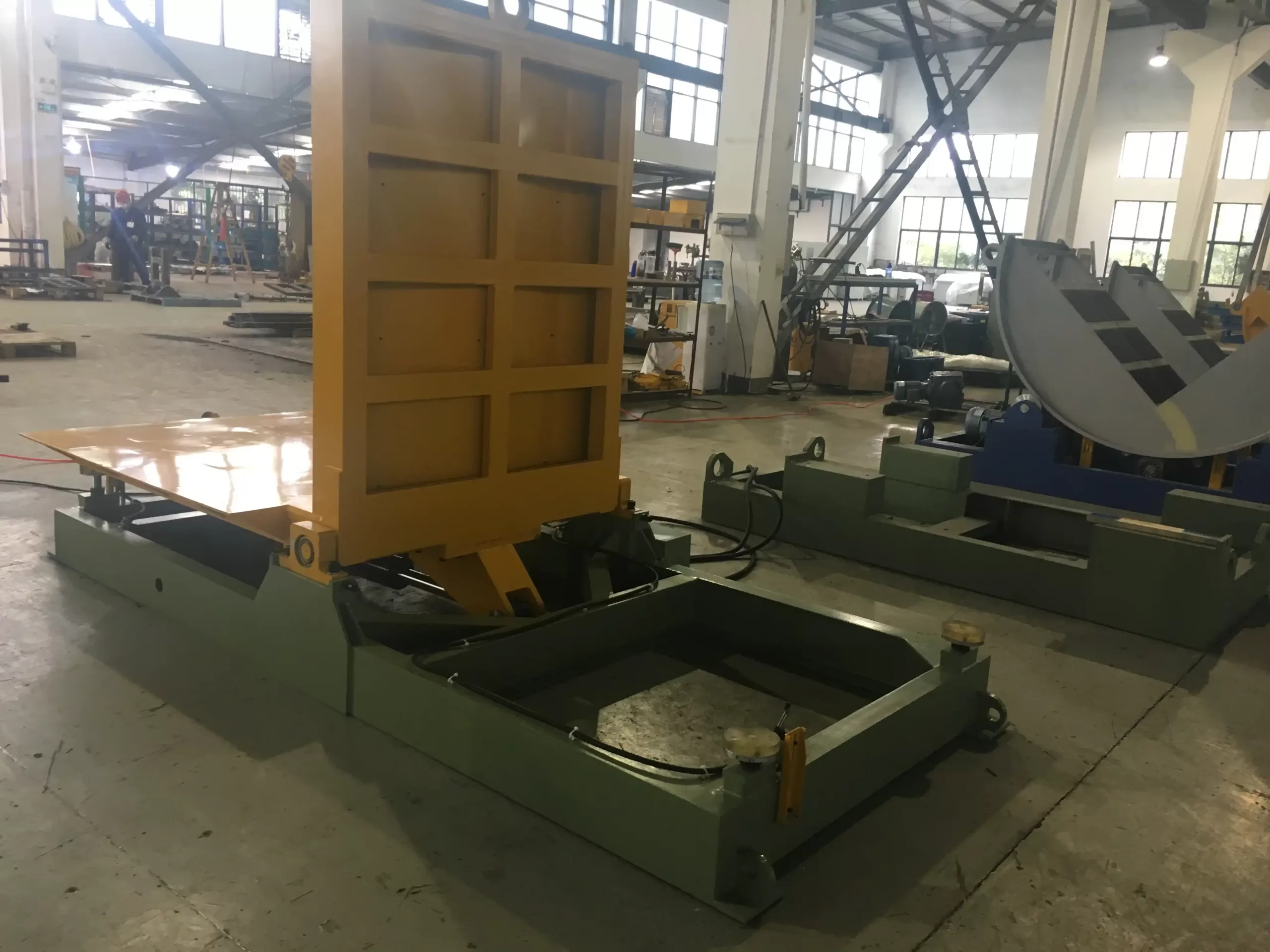
Product integrity is paramount in manufacturing. I have seen how even minor damage, like a dented coil edge, can lead to entire shipments being rejected. Michael Chen’s challenge with product loss during internal transfer and packaging, resulting in customer complaints, resonates deeply. A hydraulic upender is designed with precision in mind, significantly reducing the chances of product damage. ✅
Let’s look at the mechanisms:
- Smooth, Controlled Motion: Unlike cranes swinging or workers struggling to flip an object, an upender moves with hydraulic smoothness. There are no sudden jerks, drops, or impacts. This gentle handling is critical for materials susceptible to surface blemishes or deformation.
- Secure Gripping: Upenders are often designed with specialized cradles or platforms that securely hold the load in place throughout the rotation. This prevents shifting or slipping, which are common causes of damage during manual or less specialized handling.
- Elimination of Point Pressure: When using slings or chains, localized pressure points can cause deformation, especially on softer metals or sensitive components. Upenders distribute the load evenly across a broad surface, eliminating these damaging pressure points.
- Reduced Human Error: Human fatigue or distraction can lead to errors that damage products. By automating the flipping process, the upender removes this variable, ensuring consistent, damage-free operation. 📦
Consider Michael’s metal processing plant. Steel coils, for instance, often need to be flipped for inspection, packaging, or further processing. If a coil’s edge gets nicked or bent, its value decreases dramatically, or it becomes unusable for certain applications. This directly impacts profit margins. The investment in an upender is not just about moving objects; it’s about safeguarding the quality and value of your output. This proactive measure ensures that the products reaching customers are exactly as intended, boosting customer satisfaction and reinforcing the factory’s reputation for quality. It helps in preventing those costly customer complaints that Michael has experienced, preserving profitability and building long-term business relationships. (damage prevention material handling, industrial product quality assurance)
4. How Does Investing in a Hydraulic Upender Offer Clear ROI?
Every investment in a factory must make financial sense. Without a clear return on investment (ROI), new equipment simply adds to overhead, rather than boosting profitability. Factory managers often struggle to justify significant capital expenditures. Are you hesitant to upgrade your equipment because the financial benefits seem unclear or too far off? Uncertainty about ROI can stall crucial improvements, leaving your factory behind. A hydraulic upender provides multiple, measurable benefits that quickly add up, delivering a strong and undeniable return on your investment. (equipment ROI calculation)
Investing in a hydraulic upender offers a clear return on investment by significantly reducing direct labor costs through automation, lowering expensive downtime due to faster handling and fewer accidents, and minimizing product damage that leads to rework and losses. These combined savings in operational expenses, coupled with increased production throughput, quickly offset the initial capital outlay, enhancing overall profitability for industrial operations like metal processing plants in Mexico. (cost savings in manufacturing automation)
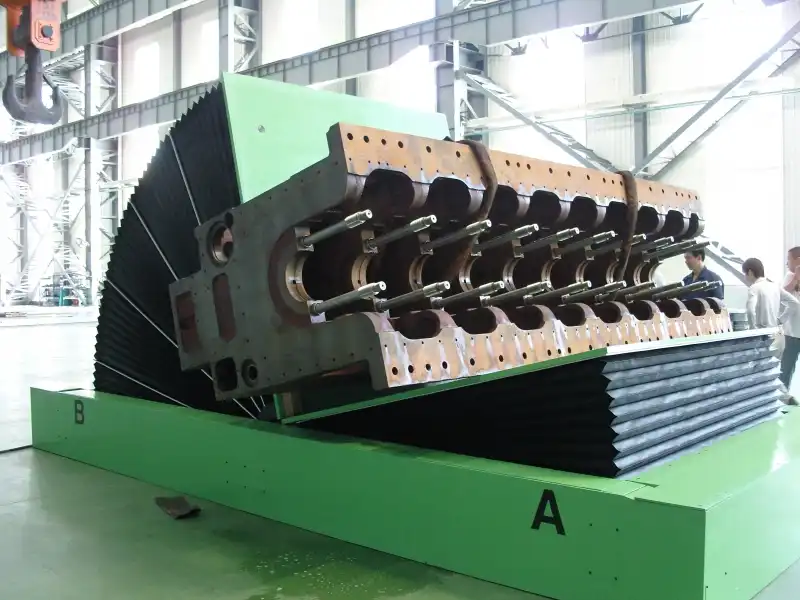
As someone who started a packing machine factory from the ground up, I understand that every dollar counts. Michael Chen’s goal to achieve cost reduction and efficiency improvement through clear ROI is a priority for any discerning factory manager in Mexico or anywhere else. A hydraulic upender isn’t just an expense; it’s a strategic investment that pays for itself in several measurable ways. 💰
Let’s break down the ROI components:
-
1. Labor Cost Savings:
- Reduced Workforce: A single operator can manage the upender, replacing multiple workers previously needed for manual heavy lifting. This can mean reallocating labor to more value-added tasks or reducing staffing requirements in specific areas.
- Lower Injury-Related Costs: Fewer accidents mean reduced workers’ compensation claims, lower insurance premiums, and less downtime associated with employee recovery or training replacements.
-
2. Downtime Reduction:
- Faster Operations: As discussed, upenders drastically cut the time required for material reorientation, ensuring a smoother, faster production flow. Less time spent on handling means more time for actual production.
- Fewer Accidents/Breakdowns: A safer environment inherently means less downtime from accidents. Additionally, reliable, well-maintained equipment is less prone to unexpected breakdowns than improvised manual methods.
-
3. Product Loss Mitigation:
- Reduced Damage: Preventing even a small percentage of product damage can lead to significant savings, especially with high-value items like steel coils or custom molds. This means fewer scrapped products, less rework, and fewer customer complaints.
-
4. Increased Throughput & Revenue:
- Higher Production Capacity: By eliminating bottlenecks and speeding up processes, factories can increase their overall output without necessarily expanding their physical footprint or adding shifts. This directly translates to higher sales potential.
- Improved Customer Satisfaction: Delivering undamaged products on time enhances reputation and can lead to repeat business and new contracts, especially important in competitive markets. 📈
A factory like Michael’s, dealing with high-intensity manufacturing, will see these benefits accumulate rapidly. Consider the typical payback period for such equipment. Often, through savings in labor and reduced waste alone, the investment can be recouped in a relatively short time, sometimes within a year or two. This makes a compelling case for implementing automation solutions, especially when seeking a reliable partner like FHOPEPACK, known for delivering effective equipment and expert guidance based on real-world factory experience. (industrial equipment cost analysis, manufacturing profitability enhancement)
Conclusion
In conclusion, a hydraulic upender is a powerful tool for factory modernization. It drastically cuts labor costs, minimizes costly downtime, and safeguards product quality, leading to significant financial gains and a safer workplace. For anyone looking to master their packing operations and boost their bottom line, consider the strategic investment in a col wrapping machine and complementary FHOPEPACK solutions.








