
How Does a Hydraulic Upender Minimize Damage to Boards, Panels, and Sheets?
Working in a factory, I have seen the pain. Damaged materials are not just a minor annoyance. They mean lost profits, wasted effort, and unhappy customers. For factories handling heavy or delicate items like boards, panels, or metal sheets, this problem can feel constant. The fear of scratching a perfect panel or bending a valuable steel sheet during handling is real. Many operations struggle to move these materials safely, leading to frequent losses and production delays.
A hydraulic upender minimizes damage to boards, panels, and sheets by providing a stable, controlled, and automated method for changing their orientation. This equipment eliminates the need for risky manual lifting, flipping, or rotating, thus preventing common issues like accidental impacts, surface scratches, edge deformities, and structural stress that often occur with traditional handling methods.
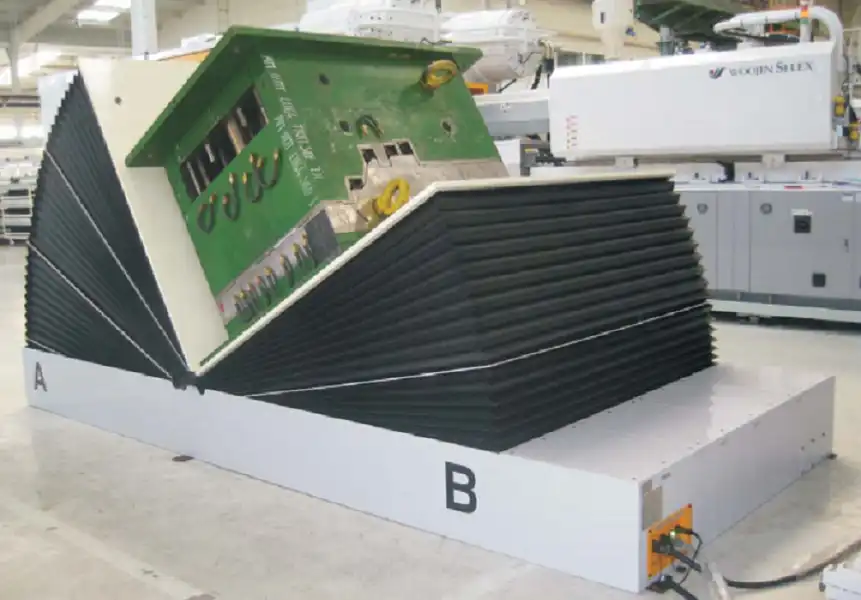
Understanding this core benefit is just the start. Many factory managers, much like Michael Chen in Mexico, grapple with these exact issues every day. They need practical solutions that not only protect their products but also improve their overall operations. Let us dig deeper into how these smart machines revolutionize material handling and bring true value to your production line.
1. What Makes Manual Handling So Risky for Boards, Panels, and Sheets?
Imagine a busy factory floor. Workers try to flip a heavy metal panel or a large wood board. They use forklifts or even just brute force. This scene is common, but it is also a recipe for disaster. The constant stress of moving awkward, heavy materials by hand or with improper tools leads to many problems. These methods cause frequent damage and pose huge risks to worker safety.
Manual handling of boards, panels, and sheets is risky due to the high potential for human error, worker fatigue, lack of precision, and the inherent danger of lifting heavy, sharp, or bulky objects. These factors lead to accidental drops, impacts, surface abrasions, and serious industrial injuries, directly impacting product quality and operational safety.
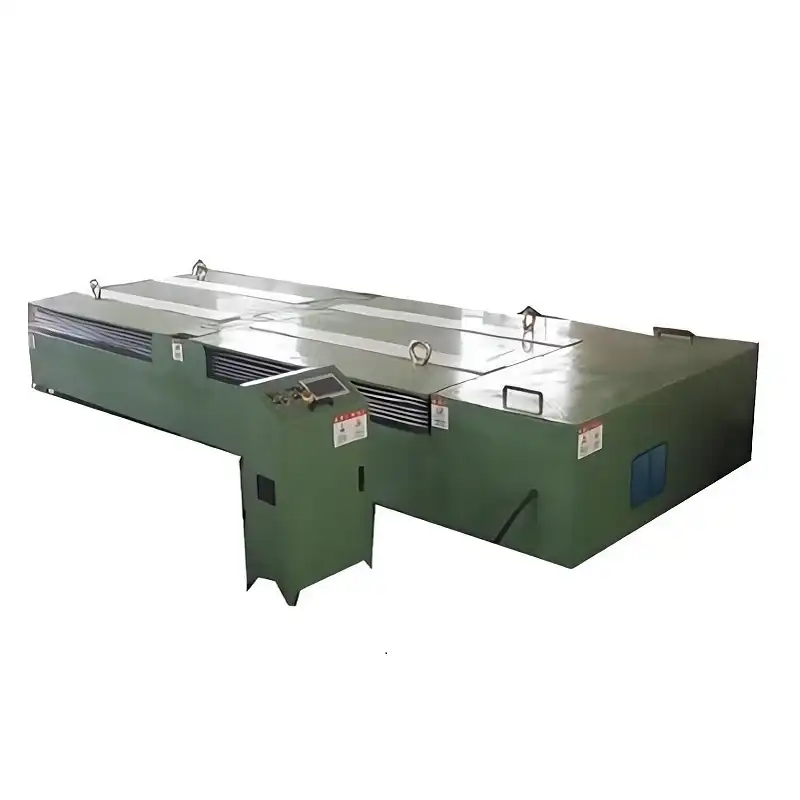
As someone who started as an employee in a packing machine factory, I have seen these risks firsthand. I recall operations where workers used crowbars and sheer muscle to flip heavy steel coils. It was slow, inefficient, and incredibly dangerous. This is often the case for factory managers like Michael, who oversees metal processing. He faces constant pressure to boost output, cut costs, and meet safety rules. Any production line stoppage means big losses. Michael is always looking for durable equipment that can handle his factory’s tough work. He wants to reduce injuries and boost morale. Manual handling simply cannot meet these demands.
The Specific Pitfalls of Manual Material Handling:
- Worker Fatigue and Human Error: Even the most skilled workers get tired. Fatigue leads to mistakes. A slight slip can result in a dropped panel or a misaligned stack. This causes dents, bent edges, and costly rework. These small errors add up, slowing down production and wasting valuable materials. It also puts staff at risk of strains or more serious accidents. Michael’s team likely faces these daily struggles, especially with tasks that are repetitive and physically demanding.
- Impact Damage from Improvised Tools: Many factories use forklifts with straps or chains, or even basic levers, to flip heavy items. These methods lack precision. They often result in sudden jolts or impacts against the material. For example, a forklift might accidentally hit the edge of a board, causing a deep dent. These impacts weaken the material and ruin its appearance. Such damage often happens during internal transfer or packing. This leads to customer complaints and lost profits.
- Surface Scratches and Abrasions: When workers drag or slide large sheets across the floor or other surfaces, scratches are almost guaranteed. Even careful manual adjustments can cause abrasive damage. This is especially true for materials with sensitive finishes or those that need to maintain a pristine surface. Such damage often renders the product unusable or reduces its market value significantly. It directly impacts the final product quality.
- High Risk of Worker Injury: Handling heavy and awkward materials is a top cause of workplace injuries. Back strains, crushed fingers, and foot injuries are common. These accidents lead to high insurance costs, sick leave, and employee turnover. Michael specifically mentioned the high risk of worker injuries from manual handling as a major challenge. He wants solutions that drastically cut down on heavy lifting. Protecting his team is a priority. These injuries not only hurt employees but also disrupt the entire production schedule. (Keywords: manual handling risks, factory accidents, material damage, worker safety concerns, operational inefficiency, industrial injury costs)
2. How Does a Hydraulic Upender Work to Protect Your Materials?
Knowing the risks of manual handling makes the solution clearer. Traditional methods often fail because they lack control and precision. This is where modern engineering steps in. A hydraulic upender is not just another piece of machinery. It is a smart solution designed to overcome these very challenges.
A hydraulic upender protects materials by using hydraulic power to smoothly and precisely rotate heavy or bulky items, such as boards, panels, or coils, from one orientation to another. It securely clamps the material, ensuring a stable flip without sudden movements, impacts, or human contact, thus preventing physical damage and safeguarding worker health.

At FHOPEPACK, we have always focused on solutions that bring efficiency and safety together. When I started my first factory, I realized the critical need for reliable, damage-free material handling. Hydraulic upenders are a perfect example of such a solution. They ensure that even the most delicate or heaviest materials are handled with the utmost care, transforming a high-risk operation into a smooth, controlled process. Michael needs to move steel coils. An upender does this perfectly.
The Mechanics of Damage-Free Material Rotation:
Let us break down how a hydraulic upender works its magic. Its design focuses on stability, power, and precise control.
- 1. Secure Loading and Clamping: The process begins with placing the material onto the upender’s platform. This platform is specifically designed to support the full weight and dimensions of the item, whether it is a large panel or a heavy coil. Once loaded, the upender uses robust clamping mechanisms to hold the material firmly in place. This prevents any shifting or sliding during rotation. This secure grip means the material will not slip or fall, which is a common cause of damage in manual operations. Imagine trying to secure a huge steel coil by hand; it is almost impossible without risking damage.
- 2. Hydraulic Power for Smooth Rotation: The heart of the upender is its hydraulic system. Hydraulic cylinders provide the immense power needed to lift and rotate extremely heavy loads. Crucially, this power is delivered smoothly and progressively. Unlike a forklift that might lift with a jolt, a hydraulic system allows for a gentle start and stop. The operator can control the speed of rotation with precision. This smooth motion prevents any sudden shocks or impacts that could otherwise damage the material’s integrity or surface. The controlled movement ensures a uniform rotation angle, typically 90 or 180 degrees, depending on the application.
- 3. Reduced Human Intervention: A key aspect of damage prevention is removing the human element from the direct handling of heavy, dangerous loads. With an upender, workers simply load the material and initiate the rotation from a safe distance. This minimizes their exposure to potential hazards. It also reduces the chance of human error, fatigue-related accidents, or misjudgments that lead to damage. This automated approach means fewer workers are needed for the task, freeing them up for other important jobs. It also greatly improves overall workplace safety.
- 4. Versatile Applications: Hydraulic upenders come in various designs to suit different materials. Some are designed specifically for coils, others for molds, and many are perfect for flat items like boards, panels, and sheets. This versatility means factories can find a tailored solution that fits their exact material handling needs. For Michael’s metal processing plant, an upender designed for steel panels or coils would be ideal. It provides the specific support and rotation needed for his heavy products. (Keywords: hydraulic upender mechanism, automated material handling, precision rotation, industrial safety equipment, secure clamping system, controlled flipping process)
3. What Specific Damage Types Do Hydraulic Upenders Prevent?
The risks of manual handling are clear. But how does a hydraulic upender directly counter these specific threats to your product’s quality? It is not just about avoiding big accidents. It is also about preventing the subtle, insidious damage that can chip away at your profits and reputation.
Hydraulic upenders specifically prevent a range of damage types including edge deformities, surface scratches, structural stress, and impact damage by providing a stable, supported, and controlled rotation process that eliminates manual mishandling, dropping, and uneven pressure points during material reorientation.
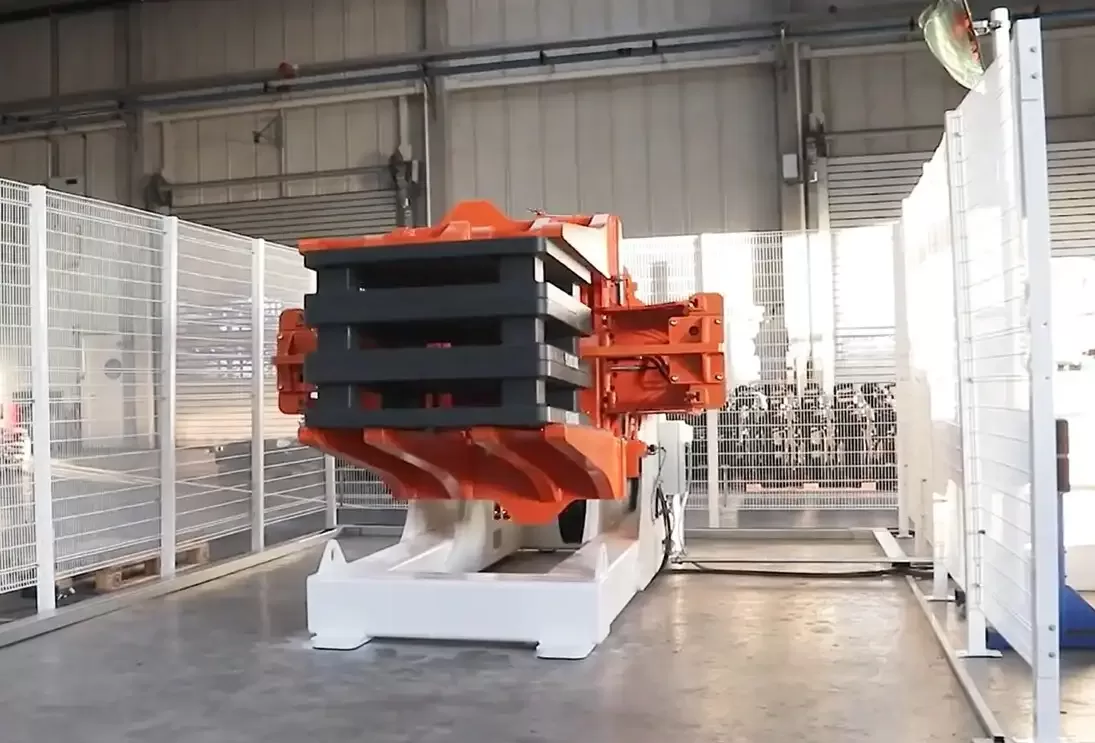
My journey from factory employee to a successful factory owner taught me the true cost of damaged goods. Every scratch, every dent, meant less profit and potential customer dissatisfaction. FHOPEPACK’s mission is to share knowledge that helps businesses avoid these pitfalls. Hydraulic upenders are a critical tool in this mission, offering a precise defense against common material handling damages. Michael, like many factory managers, battles product loss from damage during internal transfer. An upender offers a direct solution to his challenge.
Direct Damage Prevention Mechanisms:
Let us look at the specific ways hydraulic upenders safeguard your valuable materials:
-
Preventing Edge Deformities:
Edges are often the most vulnerable parts of boards, panels, and sheets. Manual lifting with forklifts or slings often concentrates pressure on these edges. This can cause bending, denting, or chipping. For example, a heavy steel panel might get a dinged edge when a forklift tine makes contact. A hydraulic upender, however, supports the material across its entire surface or from multiple points. It distributes the weight evenly. This eliminates localized stress on the edges during the flip. The result is perfectly preserved edges, maintaining the material’s structural integrity and aesthetic value. This directly addresses Michael’s concern about steel coil edges getting damaged.
-
Eliminating Surface Scratches and Abrasions:
Surfaces are often marred when materials are dragged, slid, or come into contact with rough surfaces during manual reorientation. Even sliding a large board onto a pallet can cause long, unsightly scratches. Hydraulic upenders lift and rotate the material cleanly in the air or on a smooth, protected platform. There is no dragging. There is no unintended contact with the floor or other equipment. This controlled movement keeps the material’s surface pristine. This is crucial for products that need a flawless finish, ensuring customer satisfaction and reducing rejections.
-
Avoiding Structural Stress and Warping:
Uneven lifting or accidental drops can induce internal stresses in materials. This can lead to warping or cracking, especially in brittle or flexible panels. Imagine trying to manually flip a large, thin panel. It is easy to flex or bend it if not supported properly. Hydraulic upenders apply uniform force. They maintain the material’s flat or original shape throughout the rotation. This prevents any undue strain that could compromise the product’s structural integrity. This is vital for maintaining product performance and longevity.
-
Mitigating Dropping and Impact Damage:
The most obvious form of damage from manual handling is dropping the material entirely or having it crash into something. These high-impact events can destroy a product instantly. Hydraulic upenders remove this risk almost completely. They hold the material securely. They rotate it under full control. There are no sudden movements or loss of grip. This means no more worries about expensive materials falling or impacting surrounding equipment. This offers peace of mind and significant cost savings by eliminating catastrophic losses. (Keywords: material damage prevention, edge protection, surface integrity, product quality enhancement, industrial material handling, reducing product loss, defect elimination)
4. Beyond Damage Prevention: What Other Benefits Do Upenders Offer Your Factory?
Focusing solely on damage prevention, while crucial, only tells part of the story. A hydraulic upender is not just a shield against harm. It is also a powerful tool for overall factory improvement. Its benefits extend far beyond protecting your products. It transforms the entire operational landscape.
Beyond minimizing damage, hydraulic upenders significantly boost factory efficiency, enhance worker safety, reduce labor costs, and improve overall production flow. They automate a labor-intensive process, decrease cycle times, lower the risk of workplace injuries, and free up valuable human resources for more complex tasks, driving comprehensive operational improvements.
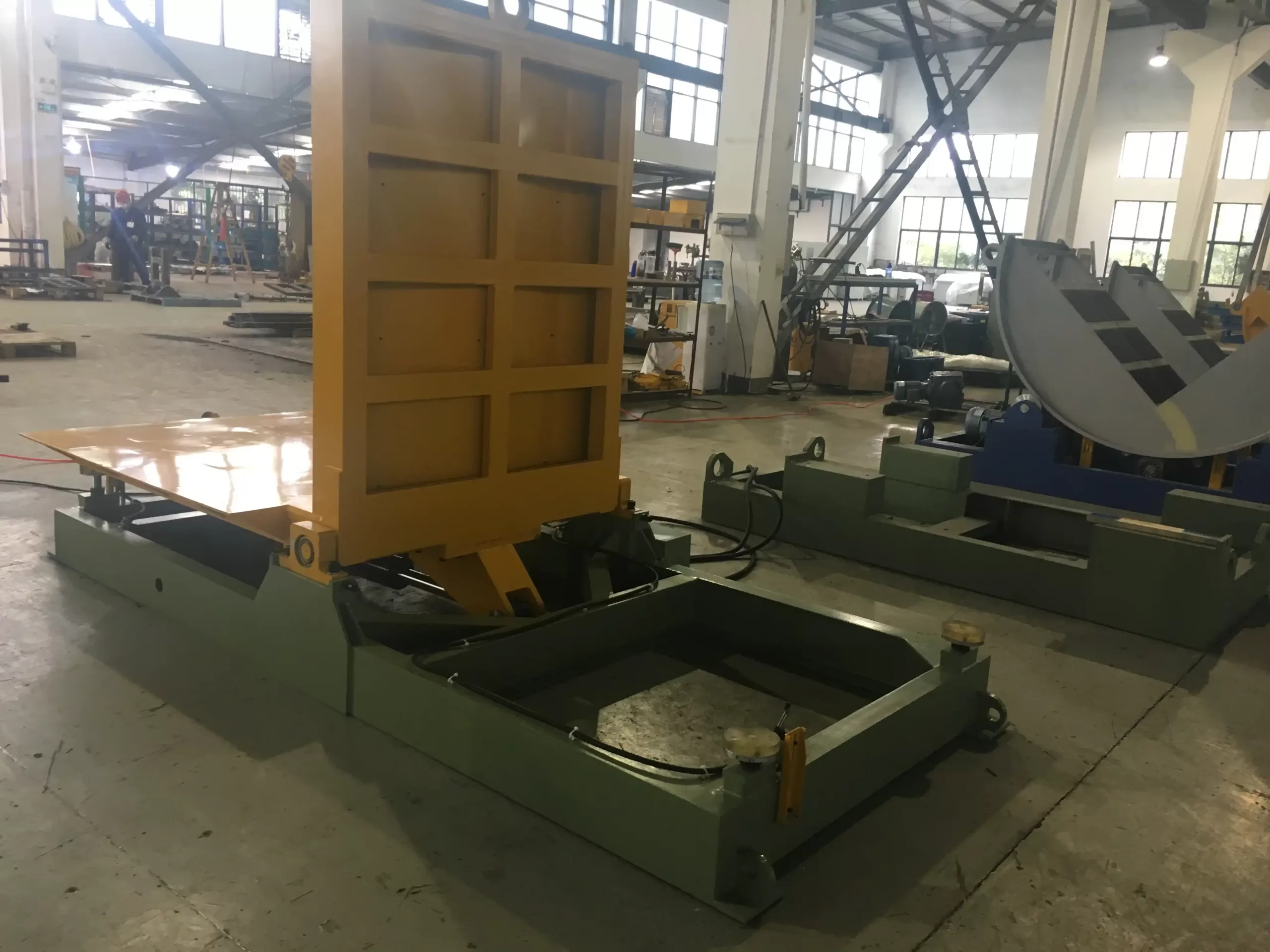
Through FHOPEPACK, I share the knowledge gained from years in the packing machine industry. I have seen how strategic equipment investments can transform a business. Michael’s goals include increasing automation, improving safety, and boosting ROI. He is looking for solutions that genuinely move his business forward. A hydraulic upender delivers on all these fronts, offering a clear path to a more productive and safer factory environment.
A Holistic View of Upender Advantages:
Here is how hydraulic upenders contribute to a factory’s broader success:
-
🚀 Increased Operational Efficiency:
Manual flipping is slow and labor-intensive. It often requires multiple workers and careful coordination. An upender completes the rotation process quickly and with just one operator. This speeds up material flow through the production line. It reduces bottlenecks. Michael’s current reliance on manual processes for steel coil packing creates efficiency bottlenecks. An upender directly tackles this, allowing his factory to process more materials faster and meet demanding production schedules. This means shorter lead times and higher output.
-
👷♀️ Enhanced Worker Safety and Morale:
Eliminating the need for manual heavy lifting drastically reduces the risk of serious injuries. Workers no longer face the dangers of muscle strains, crushed limbs, or accidental drops. This commitment to safety not only lowers insurance costs and worker compensation claims but also boosts employee morale. A safer workplace leads to happier, more productive workers. Michael has clear safety concerns due to high injury risks. An upender offers a fundamental solution to improve worker safety from the ground up.
-
💰 Significant Cost Reduction:
The investment in a hydraulic upender offers a strong return on investment (ROI).
- Reduced Labor Costs: Fewer workers are needed for dangerous lifting tasks. These workers can be reassigned to higher-value roles.
- Minimized Product Loss: Less damage means less scrap, fewer reworks, and fewer customer complaints. This directly saves material costs.
- Lower Insurance Premiums: A safer workplace often translates to lower premiums for worker’s compensation insurance. These combined savings quickly offset the initial equipment cost. Michael’s goal is clear ROI. An upender provides this by cutting both direct and indirect operational expenses.
-
📈 Improved Production Flow and Integration:
Upenders are designed for seamless integration into existing production lines. They can be placed at critical junctures where material reorientation is needed, such as before a packing machine or a cutting station. This smooth integration maintains a continuous flow of materials, preventing stoppages and enhancing overall factory throughput. The consistent, automated operation makes planning easier and reduces variability in processing times. This reliable performance is vital for factories aiming for higher levels of automation and predictability.
Comparative Benefits of Hydraulic Upenders
Feature / Benefit Manual Handling Hydraulic Upender Speed Slow, inconsistent Fast, consistent Safety High risk of injury Minimal risk, high safety Damage Prevention High risk of material damage Very low risk, high material protection Labor Requirement Multiple workers, physically demanding Single operator, less physical strain Consistency Varies with worker fatigue High, precise, repeatable ROI Negative (damage, injury costs) Positive (efficiency, safety, less scrap) (Keywords: operational efficiency, worker safety improvement, labor cost reduction, production bottleneck solution, ROI of upenders, factory automation benefits, continuous production flow)
5. How Can You Choose the Best Hydraulic Upender for Your Production Line?
Choosing the right hydraulic upender is a critical decision. It is not just about buying a machine; it is about investing in a solution that truly fits your factory’s unique needs. A wrong choice can lead to more problems, not fewer. Michael seeks a true partner, not just a seller. He wants a supplier who understands his challenges and offers expert insights.
To choose the best hydraulic upender, you must carefully evaluate your material’s size, weight, and fragility, determine the required rotation angle, assess necessary safety features, and, most importantly, partner with a knowledgeable supplier like FHOPEPACK who can offer customized solutions and reliable long-term support, ensuring a perfect fit for your specific production line.
My experience building a successful packing machine factory from the ground up has taught me that expertise and reliability are paramount. At FHOPEPACK, our mission is to make mold and packing machine knowledge accessible. This means guiding you to make the best decisions. When it comes to selecting complex machinery like upenders, trust matters. We understand the production bottlenecks and safety concerns that Michael and other factory managers face.
Key Factors for Selecting Your Ideal Upender:
-
📏 Material Specifications:
The first step is to know your materials inside and out.
- Weight: What is the maximum weight of the boards, panels, or sheets you need to flip? This dictates the required lifting capacity of the upender.
- Dimensions: What are the minimum and maximum lengths, widths, and thicknesses? The upender’s platform size and clamping mechanism must accommodate these.
- Fragility: Are your materials prone to scratching, bending, or chipping? This will influence the type of surface padding or clamping pressure needed.
- Surface Finish: For sensitive finishes, ensure the upender has non-marking contact points. Understanding these details ensures the upender you choose is physically capable of handling your products without damage.
-
🔄 Rotation Requirements:
Consider the angle and type of rotation needed.
- 90-degree Rotation: Common for changing a panel from horizontal to vertical, or vice versa.
- 180-degree Rotation: Needed for flipping materials completely over, e.g., to access the other side of a mold or panel.
- Continuous Rotation: Some specialized upenders offer more complex or continuous rotational capabilities. The specific demands of your production process will guide this choice.
-
🛡️ Safety Features and Compliance:
Safety cannot be an afterthought.
- Emergency Stop (E-stop) Buttons: Readily accessible to halt operation immediately.
- Safety Interlocks: Prevent operation if guards are open or if the material is not properly secured.
- Overload Protection: Prevents lifting weights beyond the machine’s capacity.
- Robust Construction: Durable materials and design to withstand industrial environments.
- Safety Guards/Fencing: To protect operators from moving parts. Ensure the chosen upender complies with local safety regulations and industry standards.
-
🤝 Supplier Expertise and Support:
This is where a true partnership makes a difference. Michael specifically values a supplier who truly understands his industry.
- Industry Experience: Look for suppliers with a deep understanding of packing machines and material handling, especially for heavy industries like metal processing. FHOPEPACK, with its “MASTER PACKING MACHINE” slogan and Randal’s extensive factory experience, stands as a prime example.
- Customization Options: Can the supplier tailor the upender to your specific needs, or do they only offer off-the-shelf models?
- After-Sales Service: What kind of warranty, maintenance, and spare parts support do they offer? This is crucial for long-term reliability.
- Installation and Training: Do they provide support for setup and ensure your team knows how to operate the machine safely and efficiently?
When considering suppliers, I always recommend looking at those with proven track records. Of course, FHOPEPACK is my first recommendation, built on years of hands-on experience and a commitment to innovation. Other reputable suppliers in the field include SHJLPACK and CNBHPAC, who also offer valuable solutions. Choosing a partner who genuinely understands your operational needs, rather than just selling a product, will ensure your investment truly pays off. (Keywords: selecting hydraulic upender, industrial equipment procurement, packing machine supplier, custom upender solutions, factory operational planning, reliable machinery partnership, material handling equipment selection)
Conclusion
Hydraulic upenders are vital for protecting materials and boosting factory performance. They eliminate damage, enhance safety, cut costs, and improve efficiency. Choosing the right partner like coil wrapping machine supplier FHOPEPACK ensures your investment drives growth.








