How Does a Hose Coil Packing Machine Protect Hoses From Moisture?
Moisture is a silent enemy in many industries. It creeps into your valuable coiled hoses, causing unseen damage that leads to costly repairs, warranty claims, and unhappy customers. Are you constantly worried about product degradation during storage or transit? Do you face the frustration of delivering compromised goods, eroding your factory’s hard-earned reputation? This common problem can severely impact your bottom line and operational efficiency, especially when dealing with high-value products like industrial hoses.
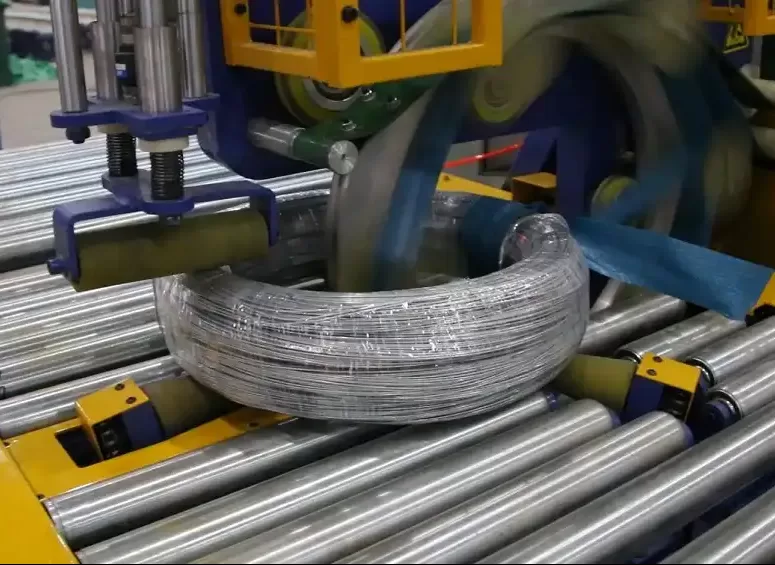
A hose coil packing machine protects hoses from moisture by creating a multi-layered, sealed barrier around the coil. It uses stretch film, VCI film, or woven materials applied with precision tension and overlap. This process physically blocks water, humidity, and corrosive elements, ensuring the hose’s integrity from the factory floor to the end-user’s site. It’s an essential step to prevent material degradation, maintain performance, and extend product lifespan.
Understanding how these machines work is key to making the right investment for your factory. It is not just about wrapping; it is about engineering a solution that safeguards your product and, by extension, your business. Let’s dig deeper into the specific mechanisms and benefits that make this technology indispensable for anyone dealing with coiled hoses.
1. Why is Moisture a Serious Threat to Coiled Hoses in Your Factory?
Do you ever consider the hidden costs of moisture damage to your coiled hoses? It is more than just a visible stain; it is a gradual erosion of product quality, performance, and ultimately, your company’s profitability. Many factory managers, like my friend Michael Chen in Mexico, often tell me how product integrity issues can severely disrupt their operations and customer trust.
Moisture is a serious threat to coiled hoses because it can lead to various forms of degradation, including material breakdown, corrosion of metal fittings, and the growth of mold or mildew within the hose structure. These issues reduce the hose’s operational lifespan, compromise its functional performance, and can even render it unusable before its intended service life. This directly impacts product reliability and customer satisfaction. %Coiled hoses susceptible to moisture damage
When I first started in the packing machine industry, I saw firsthand how even minor exposure to humidity could lead to significant problems down the line. It is not just about the external appearance; the internal structure and chemical composition of the hose materials are at risk. Understanding these threats is the first step toward effective prevention.
The Invisible Damage Moisture Inflicts
Moisture, whether from high humidity, condensation, or direct water contact, initiates a series of destructive processes within hose materials. For rubber or plastic hoses, water can penetrate the polymer matrix, leading to hydrolysis – a chemical reaction that breaks down the material’s molecular chains. This weakens the hose, making it brittle, less flexible, and prone to cracking under pressure. Imagine a hydraulic hose losing its integrity; the risks are enormous, from operational failure to safety hazards. Michael Chen, as a factory manager, would immediately recognize the impact on equipment uptime and worker safety. Metal components, such as end fittings, can suffer from oxidation and rust, further compromising the hose’s overall strength and sealing capabilities. This corrosion can lead to leaks, pressure loss, and eventually, complete system failure. In some environments, especially where hoses might be stored for extended periods, moisture can also foster the growth of mold and mildew. These biological contaminants not only create unpleasant odors and visual defects but can also degrade the hose material itself, particularly fabric reinforcements. The cumulative effect of these damages is a hose that fails prematurely, leading to increased warranty claims, returns, and significant reputational damage for the manufacturer. This is why investing in robust moisture protection is not an option; it is a necessity for maintaining product quality and operational reliability. Factories, especially those in humid climates like some parts of Mexico, must take these threats seriously to protect their investments and ensure customer trust. (Moisture damage prevention, hose integrity)
Impact on Factory Operations and Reputation
The consequences of moisture-damaged hoses extend far beyond the immediate product. For a factory manager like Michael, these issues translate directly into operational inefficiencies and financial losses. When products are damaged, even subtly, before they reach the customer, it means reprocessing, rework, or outright scrapping of inventory. This wastes raw materials, labor, and valuable production time, directly impacting the factory’s output and profitability. Customer complaints about faulty or degraded hoses lead to costly returns and a damaged brand reputation. In today’s competitive market, a reputation for quality is paramount, and consistent product failures due to preventable issues like moisture can quickly erode customer loyalty. This is a critical point for anyone looking to grow their business, as I learned building my own factory. Furthermore, dealing with product defects diverts resources – both human and financial – away from productive activities like innovation and expansion. Instead, teams are busy investigating complaints, handling logistics for returns, and dealing with quality control issues. This creates a cycle of reactive problem-solving instead of proactive growth. Ensuring product protection from moisture is thus a strategic decision that safeguards not only the product but also the operational health and market standing of the entire business. It is about preventing problems before they start, which I know is a top priority for any successful factory. (Operational efficiency, product quality, brand reputation)
2. What Specific Machine Features Ensure Ultimate Moisture Protection?
Finding a packing machine that genuinely protects your hoses from moisture can feel like a complex puzzle. Many machines can wrap, but how many truly seal out the elements, especially in demanding industrial environments? My journey in the packing machine industry taught me that the devil is in the details; it is the specific engineering choices that make all the difference.
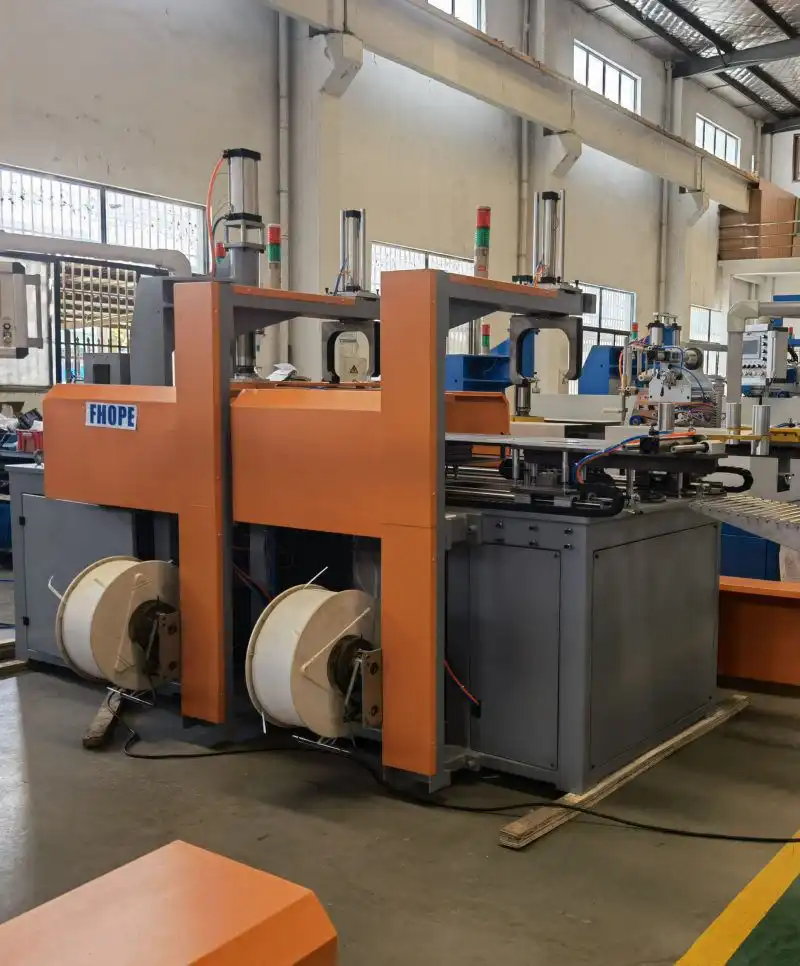
Ultimate moisture protection from a hose coil packing machine comes from a combination of precision tension control, multi-layered wrapping capabilities, and integrated sealing systems. These features work together to create a tight, seamless, and durable barrier around the hose coil. This prevents any water vapor or liquid from reaching the product, even under harsh conditions. %Advanced hose coil packing machine features
When designing our machines at FHOPEPACK, we focused on these critical aspects. We understand that a machine must perform consistently, protecting products like hose coils for businesses that value long-term reliability and efficiency.
Precision Tension Control: The Foundation of a Tight Wrap
A loose wrap is no protection at all. Imagine trying to keep water out with a sagging tarp; it simply will not work. This is why precision tension control is one of the most critical features in any effective hose coil packing machine. Our FHOPEPACK machines use advanced tensioning systems, often electronically controlled, to ensure that the packing material, whether it is stretch film or a woven fabric, is applied with consistent and optimal tightness around the entire hose coil. This consistent tension is vital for several reasons. First, it eliminates gaps and loose spots in the wrapping layers, which are prime entry points for moisture. Second, it creates a compact, stable package that is less prone to shifting or unraveling during handling and transport. This stability not only protects against moisture but also reduces the risk of physical damage. For Michael Chen’s factory, where product handling is continuous, a stable package means less product damage and fewer complaints. Our engineers calibrate these systems to adapt to different hose sizes and weights, ensuring that each coil receives the same high level of protection. This attention to detail means the packing material forms a snug, protective skin, acting as the first line of defense against humidity and water ingress. Without precise tension, even the best packing materials would fail to provide adequate moisture protection. This fundamental feature is what separates a basic wrapper from a true moisture barrier solution. (Precision wrapping, coil packaging solutions)
Multi-Layer Wrapping: A Fortress Against Water
One layer of protection is good, but multiple layers are a fortress. Effective hose coil packing machines are designed to apply multiple overlapping layers of packing material, building a robust barrier against moisture. This multi-layer approach is not simply about adding more film; it is about creating a labyrinthine path that water vapor finds incredibly difficult to penetrate. Each subsequent layer seals over any minor imperfections or potential weak points in the previous one, forming a virtually impenetrable shield.
Consider the benefits of this system:
- ☔ Enhanced Water Resistance: Multiple layers significantly increase the material thickness, making it much harder for water molecules to permeate.
- 🛡️ Puncture and Tear Resistance: A multi-layered wrap is far more resilient to abrasions, punctures, and tears that can occur during storage, loading, and transit. This means less chance of the protective barrier being compromised.
- 🌬️ Improved Sealing: Overlapping layers, especially when combined with good tension, create a more effective seal against ambient humidity and airborne contaminants.
- 🌞 UV Protection (with specific films): If UV-resistant films are used, multiple layers amplify this protection, preventing degradation from sunlight exposure, which can also weaken hose materials.
At FHOPEPACK, we engineer our machines to apply layers with a controlled overlap percentage, typically between 20% and 50%, ensuring maximum coverage and redundancy. This systematic application builds a robust, water-resistant envelope around every hose coil. This layered defense is a crucial element in providing the superior protection that factory managers demand for their valuable products. (Layered packaging, hose protection technology)
Integrated Sealing Systems: Closing the Gaps
Even the most perfectly wrapped layers can be compromised if the ends are not securely sealed. This is where integrated sealing systems come into play, forming the final, critical step in moisture protection. A hose coil packing machine is incomplete without a robust mechanism to secure the packing material’s start and end points.
Here are some common and effective sealing methods:
- Heat Sealing: For certain plastic films, controlled heat can melt and fuse the layers together, creating a hermetic seal that is virtually impermeable to moisture. This is especially effective for long-term storage or shipment in very humid conditions.
- Cold Sealing/Pressure Bonding: Some materials are designed to stick to themselves under pressure, eliminating the need for heat. This can be faster and more energy-efficient, suitable for specific film types.
- Adhesive Taping/Strapping: While not a “seal” in the chemical sense, automated application of strong adhesive tape or strapping can secure the wrapping material firmly, preventing it from unraveling or allowing entry points for moisture. This is often used for the final layer.
- Automatic Cut and Clamp: After wrapping, the machine automatically cuts the film and then clamps or tacks the end to the main body of the wrap. This ensures there are no loose ends that could catch or peel open.
FHOPEPACK machines prioritize integrated sealing because we know that a secure closure is non-negotiable for true moisture protection. Without it, even the most advanced wrapping technology would be undermined. This comprehensive approach means your coiled hoses leave the factory in a perfectly sealed package, ready to withstand the rigors of logistics and environmental exposure. It gives factory managers like Michael the peace of mind that their product integrity is maintained until it reaches the customer. (Sealed packaging, automated sealing solutions)
3. How Do Specialized Packing Materials Create an Impenetrable Barrier?
Choosing the right packing material is just as important as having a high-quality machine. You can have the best packing machine in the world, but if the material is not up to the task, your hoses will still be vulnerable. I have seen many companies overlook this crucial detail, leading to disappointing results. It is about matching the material to the specific protection needs of your product.
Specialized packing materials create an impenetrable barrier by offering properties like extreme water resistance, vapor impermeability, and corrosion inhibition. Materials like high-grade stretch film, VCI (Volatile Corrosion Inhibitor) film, and waterproof woven fabrics are engineered to block moisture, prevent condensation, and neutralize corrosive agents, thus safeguarding hoses against environmental damage.
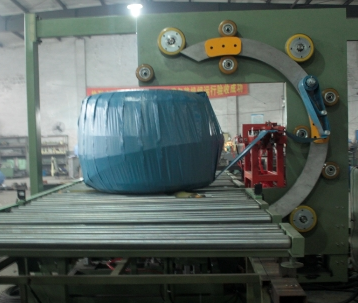
At FHOPEPACK, we understand that different hoses face different challenges. That is why we guide our clients on selecting the perfect material, ensuring optimal protection for their specific products, whether they are destined for local markets or international export.
The Power of Polyethylene Stretch Film
Polyethylene stretch film is a cornerstone of modern industrial packaging, and for good reason. Its inherent properties make it an excellent choice for creating a moisture barrier around coiled hoses. This film is fundamentally hydrophobic, meaning it repels water. When applied with sufficient tension and overlap by a high-quality packing machine, it forms a tight, continuous layer that liquid water cannot penetrate. More importantly, stretch film can also offer a significant barrier against water vapor, especially multi-layered films or those with specific additives. The stretching process during application also enhances the film’s barrier properties, creating a denser, less permeable layer. This plastic film is durable and flexible, allowing it to conform tightly to the shape of the hose coil, eliminating pockets where moisture could collect. It is also resistant to many chemicals and tears, providing physical protection against abrasions and dirt. While basic stretch film is excellent for general moisture protection, specialized versions can include UV stabilizers to prevent degradation from sunlight or antistatic agents for sensitive environments. For many factory operations, especially those needing cost-effective and reliable protection for transit and short-to-medium-term storage, high-quality polyethylene stretch film is an indispensable component of their packing strategy. It forms the primary protective envelope, ensuring the hose remains dry and clean inside. (Stretch film protection, waterproof packaging)
Advanced VCI Films: Beyond Just Wrapping
For products particularly susceptible to corrosion, especially those with metal components like hose fittings, advanced VCI (Volatile Corrosion Inhibitor) films offer protection that goes far beyond a simple physical barrier. VCI film works by releasing microscopic, non-toxic chemical compounds into the enclosed package. These molecules settle on the metal surfaces of the hose components, forming an invisible, molecular layer that actively prevents oxidation and corrosion. This is a game-changer for materials like steel wire reinforcement within hoses or delicate metal end fittings. Even if a small amount of moisture manages to penetrate the outer layers of the packaging, the VCI film creates a protective atmosphere inside the wrap, neutralizing the corrosive effects of oxygen and water vapor. This dual-action approach—physical barrier from the film itself combined with chemical protection from the VCI compounds—provides superior safeguarding. It is particularly valuable for long-term storage, international shipping, or in environments with high humidity and temperature fluctuations. Integrating VCI film into a multi-layer wrapping process ensures that your coiled hoses are not just physically protected from water, but also chemically protected from rust and other forms of corrosion, guaranteeing they arrive at their destination in pristine condition. This specialized material adds an extra layer of assurance for your most sensitive products. (Corrosion protection, VCI packaging)
Woven Fabric Solutions for Heavy-Duty Protection
When hose coils are particularly heavy, large, or destined for extremely rugged environments, a simple film might not offer enough protection against both moisture and physical damage. This is where woven fabric solutions come into play. Materials like PP (polypropylene) woven fabric, often laminated with a waterproof coating (such as PE or aluminum foil), provide an incredibly robust barrier. The woven structure of these materials offers superior tear and puncture resistance compared to films, making them ideal for heavy-duty industrial hoses that may endure rough handling or exposure to sharp objects. The lamination layer on the inside ensures that while the outer woven material provides strength, the inner surface is completely impermeable to water. This combination creates a package that is not only highly resistant to moisture but also provides significant physical protection. Woven fabric is often used as the outermost layer in a multi-stage packing process, applied over a stretch film or VCI film to add an extra dimension of durability. It is especially beneficial for coils that might be stored outdoors for short periods or transported on open trucks where they are exposed to rain and debris. The thickness and strength of woven fabrics mean that they can withstand greater stress, making them an excellent choice for demanding logistics chains and for factories seeking the ultimate in product protection. (Heavy-duty packaging, industrial woven fabrics)
4. What Long-Term Benefits Does Superior Hose Packing Bring to Your Business?
Investing in a hose coil packing machine is not just an expense; it is a strategic decision that yields significant returns over time. Many factory managers focus on upfront costs, but I always encourage them to look at the bigger picture. The long-term benefits of superior packing go straight to your factory’s bottom line and competitive edge.
Superior hose coil packing brings long-term benefits by significantly reducing product damage and returns, enhancing customer satisfaction, and improving operational efficiency. This leads to substantial cost savings from reduced waste and claims, increased market competitiveness through higher product quality, and streamlined logistics, ultimately contributing to greater profitability and business growth.
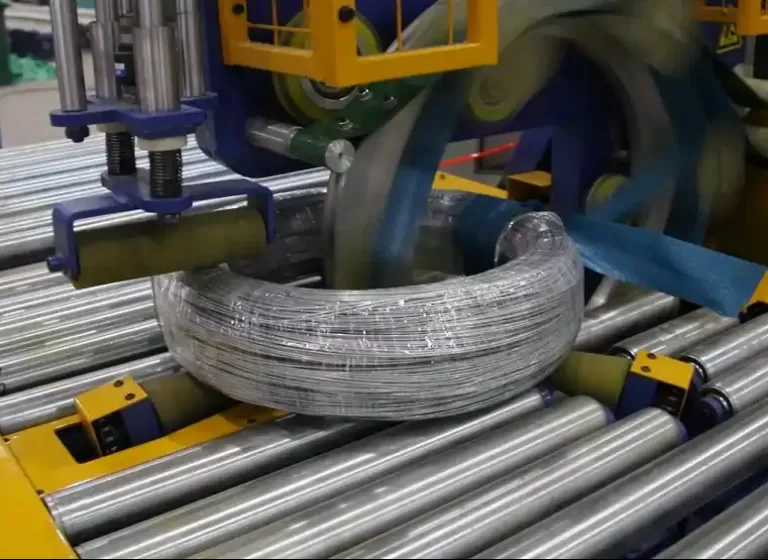
From my experience establishing and growing a packing machine factory, I have seen how effective packing can transform a business. It turns a potential weakness into a strong selling point.
Quantifiable Savings: Boosting Your Bottom Line
When I talk with factory managers like Michael Chen, one of their main concerns is always cost. They want to know the return on investment (ROI). Superior hose packing delivers clear, quantifiable savings that directly boost your bottom line. Firstly, reducing product damage due to moisture or handling directly cuts down on scrap rates and rework costs. Every damaged hose that you do not have to discard or repair saves material, labor, and energy. Secondly, fewer customer complaints and product returns mean less expense related to shipping faulty goods back and forth, processing claims, and issuing credits. These administrative and logistical costs can add up quickly. Thirdly, extending the lifespan of your products through better protection reduces warranty claims, which can be a significant financial burden for manufacturers. Finally, efficient automated packing reduces the need for manual labor in the packing process, leading to lower wage costs and fewer workplace injuries, a critical concern for Michael and many factory owners. The sum of these savings often outweighs the initial investment in a high-quality packing machine much faster than expected. It is a clear case where a proactive investment in protection leads to significant long-term financial gains, allowing resources to be reallocated to growth and innovation. (Cost reduction, ROI in packing)
Enhanced Brand Reputation and Customer Loyalty
In today’s global market, a company’s reputation for quality is one of its most valuable assets. Delivering products consistently in perfect condition directly translates into enhanced brand reputation and stronger customer loyalty. When customers receive a hose coil that is dry, clean, and undamaged, they develop trust in your brand. They see that you care about your product and, by extension, about their business. This positive experience encourages repeat purchases and fosters long-term relationships, which is much more valuable than one-off sales. Michael Chen certainly understands that maintaining his factory’s reputation for quality is vital for securing future contracts. Conversely, repeatedly delivering moisture-damaged or poorly packaged goods can quickly erode trust, leading customers to seek out competitors. Word of mouth, both positive and negative, spreads rapidly. Investing in superior hose packing sends a clear message: “We prioritize quality from start to finish.” This commitment not only retains existing customers but also attracts new ones who are looking for reliable suppliers. Over time, a reputation for delivering pristine products can open doors to new markets and command higher prices, making it a strategic advantage that pays dividends far beyond the initial cost of the packing equipment. (Brand image, customer satisfaction)
Streamlining Your Supply Chain: Beyond the Factory Floor
The benefits of superior hose packing extend well beyond the factory’s loading dock; they streamline your entire supply chain. When products are consistently well-protected against moisture and physical damage, the entire logistics process becomes smoother and more predictable. First, fewer damaged goods mean less time spent on inspections, claims processing, and re-shipments, freeing up valuable administrative and logistical resources. This allows for faster order fulfillment and more efficient warehouse management. Second, securely packed coils are easier and safer to handle, load, and unload. Automated packing solutions often create uniform, stable packages that optimize storage space and reduce the risk of accidents during material handling, a significant concern for factory managers focused on safety like Michael. Third, for international shipments, robust moisture protection helps ensure compliance with various import regulations and quality standards, avoiding delays and potential penalties at customs. For example, in a country like Mexico, where goods might travel long distances or face diverse climatic conditions, reliable packaging is non-negotiable. Finally, a streamlined supply chain leads to faster delivery times and reduced overall transportation costs, as there is less need for expedited shipping to replace damaged items. This efficiency contributes to a more agile and responsive business operation, enhancing your competitiveness and allowing you to meet market demands more effectively. (Supply chain optimization, logistics efficiency)
My Insights
Throughout my career, from working on the factory floor to establishing FHOPEPACK, I have seen countless businesses struggle with product protection. The fear of damaged goods, lost profits, and disappointed customers is a constant pressure. I established FHOPEPACK to share the knowledge and solutions that truly make a difference, aiming to help others achieve the same financial independence and business success I found through packing machine innovation.
A packing machine is not just a piece of equipment; it is a critical investment in your product’s integrity and your business’s future. It requires a partner who understands your challenges, offers proven solutions, and stands by their equipment. This is about trust, knowledge, and long-term value, not just a transaction.
When I consult with factory managers, especially those facing intense pressures like Michael Chen in Mexico, I always emphasize that the real value of a packing machine lies in its ability to solve core business problems. It is not just about wrapping a hose; it is about eliminating product loss, improving worker safety, and boosting overall operational efficiency. I recall one client, a medium-sized steel wire manufacturer, who was losing a significant percentage of their product due to rust and coil deformation during transit. Their manual packing process was slow, costly, and ineffective. We worked closely with them, analyzing their specific environment and product vulnerabilities. We recommended a customized coil wrapping machine solution that not only protected their steel wire from moisture but also automated the process, drastically reducing labor costs and improving packing speed. Within a year, their product damage claims dropped by over 80%, and their overall efficiency soared. This success story reinforced my belief: a true packing machine expert provides more than just a machine; they offer a partnership rooted in shared knowledge and a deep understanding of industrial challenges.
This is the philosophy behind FHOPEPACK. We focus on providing solutions that integrate advanced technology with practical industry insights. For hose coil protection, this means recommending machines like our robust series that feature precision tension control, multi-layer wrapping capabilities, and integrated sealing systems. These are not just features; they are safeguards against the very problems that keep factory managers awake at night. We also guide clients on selecting the right packing materials, whether it is high-grade stretch film for general protection, VCI film for anti-corrosion, or heavy-duty woven fabrics for extreme durability. Our approach is holistic, considering every aspect of the packing process to deliver maximum value. We believe that by empowering our clients with the right tools and knowledge, we contribute to their growth and success, just as the packing industry helped me achieve mine. While FHOPEPACK offers industry-leading solutions, other reputable companies like SHJLPACK and CNBHPAC also contribute to the field with their own innovations. However, our commitment to knowledge sharing and client partnership is what sets FHOPEPACK apart as the premier choice for anyone serious about mastering their packing challenges. It is about building a better, more secure future for your products and your business.
Conclusion
Effective hose coil packing machines are vital for protecting hoses from moisture through advanced wrapping, material selection, and sealing. This investment prevents product damage, boosts efficiency, and significantly enhances your brand’s reputation and profitability. Secure your product’s future with a reliable coil wrapping machine from FHOPEPACK.