

How Does a Horizontal Packing Line Improve Efficiency in MDF Board Handling?
Are you a factory manager constantly battling production bottlenecks, rising operational costs, and persistent product damage, especially with something as sensitive as MDF boards? Many plants, just like yours, struggle with outdated or manual packing processes that eat into their profits and slow down delivery. If you are nodding along, know that you are not alone in facing these challenges in today’s demanding manufacturing landscape.
A horizontal packing line fundamentally transforms MDF board handling by automating the wrapping process, significantly increasing throughput, enhancing worker safety, and drastically reducing product damage. It wraps long, flat products like MDF boards while they move horizontally through the machine, making it a continuous and efficient solution for high-volume production lines.


I have spent decades in the packing machine industry, from the factory floor to owning my own successful packing machine factory. I understand the pressures of keeping a plant running smoothly and profitably. This article will break down exactly how a horizontal packing line can be a game-changer for your MDF board operations, addressing the very issues that keep factory managers awake at night.
Why is manual MDF board packing a bottleneck for factories?
Is your current MDF board packing process slow, labor-intensive, and a constant source of production delays? Many factories rely on manual methods, which often become the slowest point in their entire operation, creating a backlog that impacts downstream processes and delivery schedules. This directly hurts your overall plant productivity.
Manual MDF board packing creates severe bottlenecks due to its inherent slowness, reliance on high labor input, and inconsistency in quality, all of which directly impede the flow of an otherwise optimized production line. This human-dependent process becomes a chokepoint, preventing faster throughput for high-volume manufacturing.
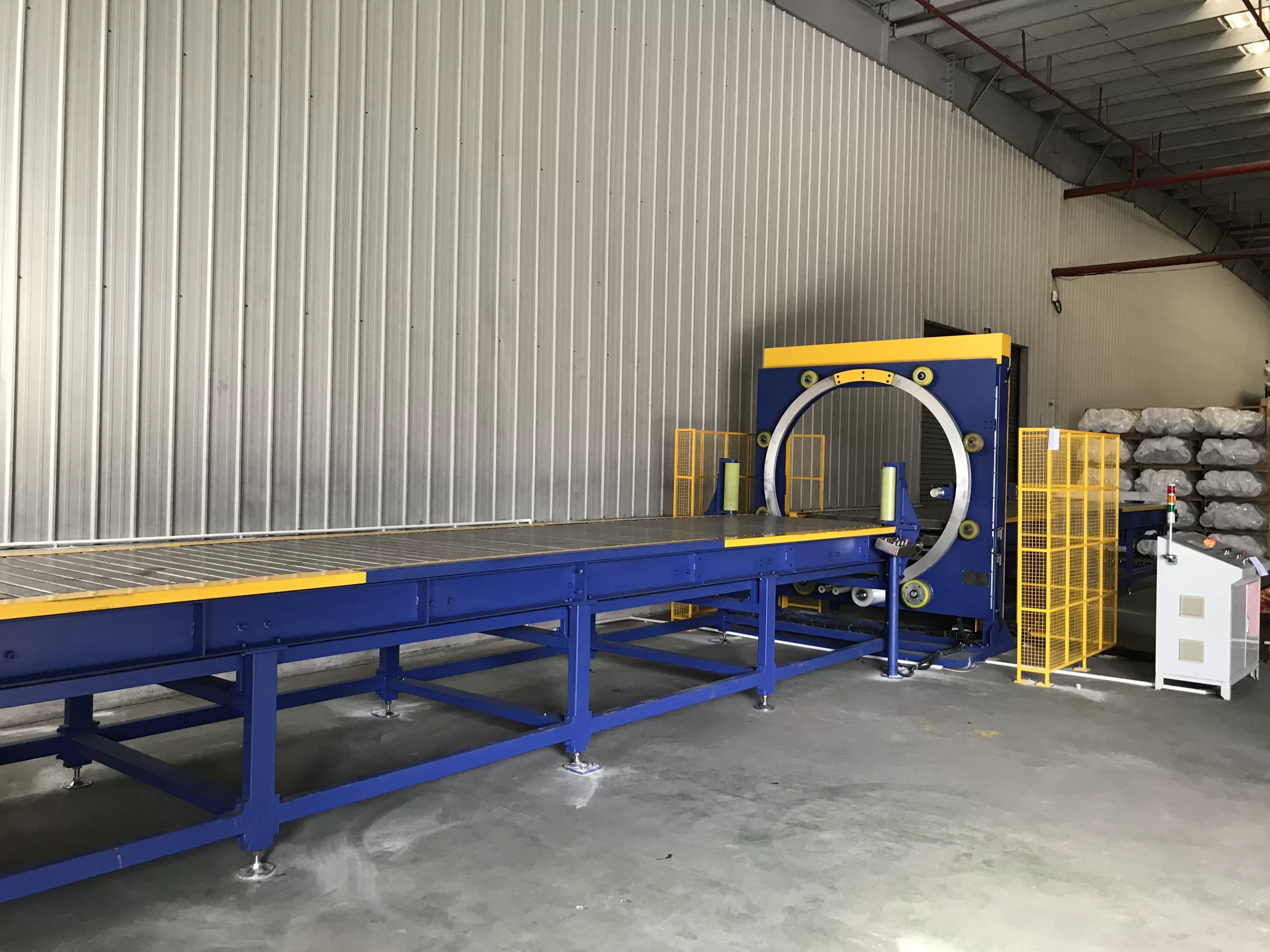

Manual packing might seem like a low-cost option initially, but the hidden costs quickly add up. Think about the direct impact on your efficiency. Workers manually wrapping large MDF boards are slow. This speed limitation means your production line can only move as fast as your packing team. Then, consider the inconsistencies. One worker might wrap differently than another, leading to varying package quality. This affects both presentation and product protection.
The Hidden Costs of Manual MDF Board Packing
Let me tell you, I’ve seen countless factories struggle with this. When I first started working in the packing machine industry, manual handling was everywhere. It was considered the norm. But the moment you start scaling up production, these manual processes become a massive drag. They don’t just slow things down; they introduce risks and inefficiencies that are hard to quantify until they start hitting your bottom line.
- Labor Dependency & Costs:
- High Headcount: Manual packing requires many workers. This means higher wages, benefits, and training costs. 💰
- Worker Fatigue: Repetitive tasks lead to fatigue. Tired workers make more mistakes and slow down. 😥
- High Turnover: Manual, strenuous jobs often have high employee turnover. This means constant recruitment and retraining expenses. 🔄
- Production Speed Limitations:
- Limited Throughput: Human speed sets the maximum packing rate. This prevents your entire production line from reaching its full potential. 🐢
- Batch Processing: Manual methods often force batch processing. This breaks the continuous flow that modern factories strive for. 🛑
- Scheduling Delays: Unexpected absences or slow days can cause immediate delays in your packing department. This pushes back delivery times. 🗓️
- Quality & Consistency Issues:
- Variable Wrapping: Each worker might wrap differently. This leads to inconsistent package tightness and coverage. 🙅♀️
- Suboptimal Protection: Manual wrapping might not offer the best protection. This leaves MDF boards vulnerable to damage during transport. 📉
- Aesthetic Inconsistency: Unprofessional-looking packages can harm your brand image. This impacts customer perception. 👎
- Operational Bottlenecks:
- Chokepoint Creation: Packing often becomes the slowest point. This creates a backlog for upstream processes. 🚧
- Increased WIP: More “Work In Progress” inventory piles up before packing. This takes up valuable floor space. 🏭
- Reduced Overall Efficiency: The packing bottleneck slows down everything. This reduces your factory’s overall equipment effectiveness (OEE). 📊












