
How Do You Justify the Cost of a Pallet Flipper to Management?
Are you a logistics manager facing a constant battle with diverse pallet types, rising labor costs, and the nagging fear of workplace accidents? I know this feeling. I’ve been there, from the factory floor to leading my own successful packing machine company. It’s tough when you see a clear solution, like a pallet flipper, but management only sees the upfront price tag. You know it will solve so many headaches, but how do you present a bulletproof case that wins them over? This is exactly the kind of challenge I love to help people tackle. (pallet flipper cost justification)
Justifying the cost of a pallet flipper to management means focusing on its clear return on investment (ROI), improved operational efficiency, significant safety enhancements, and the strategic advantages it offers for future growth. It is not just an expense. It is a smart investment that reduces labor costs, prevents product damage, minimizes accident risks, and boosts your overall supply chain performance. Think of it as upgrading your warehouse for the modern demands of logistics.
Making a strong case for a pallet flipper requires more than just explaining what the machine does. You need to speak their language: numbers, risks, and strategic vision. Let’s break down the exact arguments you need to make, moving from immediate gains to long-term benefits that will impress any executive team.
What Exactly is a Pallet Flipper, and Why Does it Matter to My Bottom Line?
Perhaps you already know what a pallet flipper is. But does your management team? Often, the first hurdle is simply defining the equipment and its core purpose. If they don’t grasp the fundamental problem it solves, they won’t understand its value. We need to clearly explain this. (pallet flipper definition and purpose)
A pallet flipper, also known as a pallet changer or pallet inverter, is a specialized machine designed to transfer goods from one pallet type to another, reorient loads, or replace damaged pallets without manually handling the product itself. This machine matters to your bottom line because it streamlines operations that are currently inefficient, costly, or unsafe. (understanding pallet inverter function)
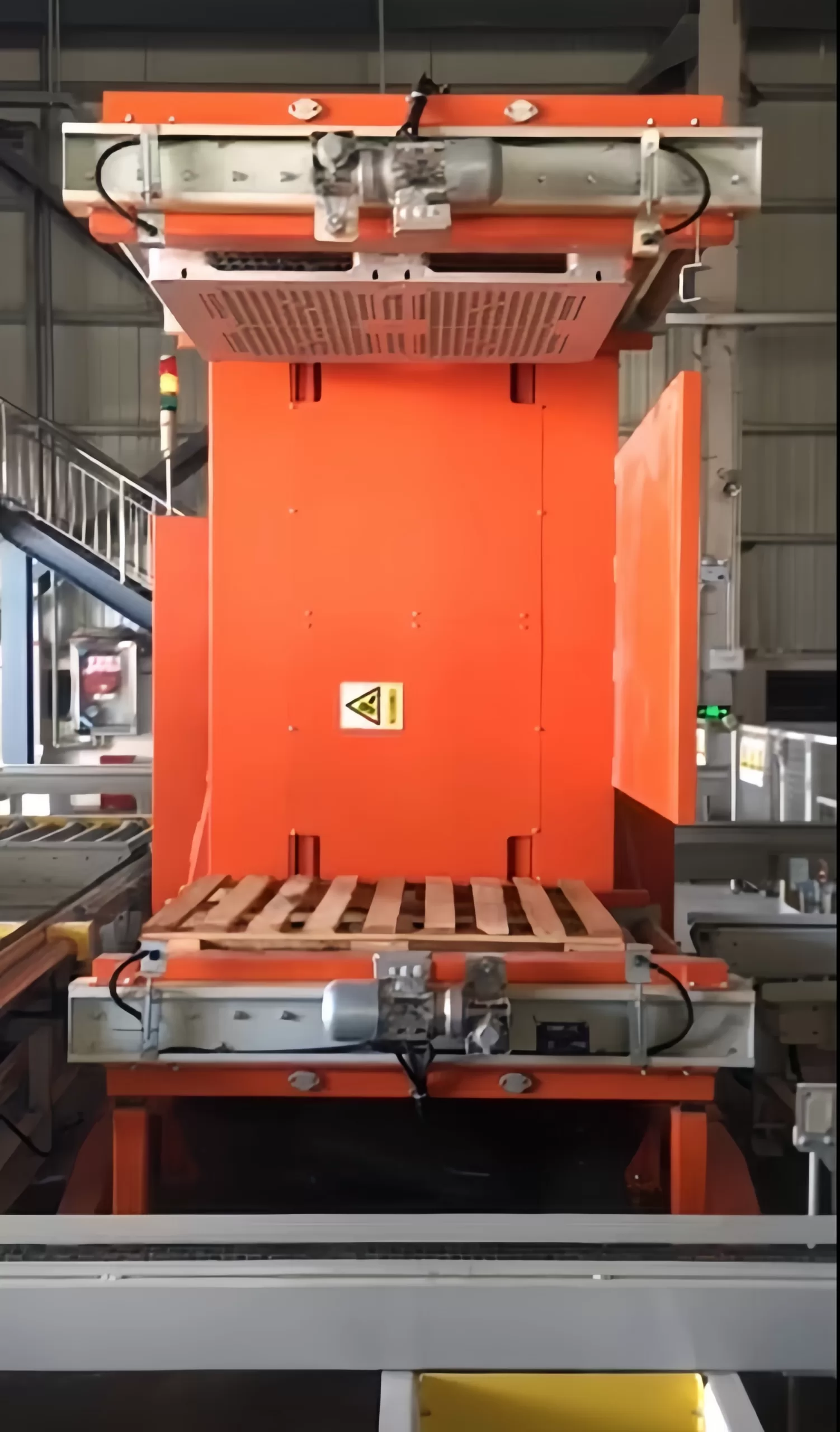
When I first started in the packing machine industry, I saw many warehouses struggle with the simple act of pallet exchange. Workers would manually transfer goods, often heavy and awkwardly shaped, from a wooden shipping pallet to a plastic storage pallet, or vice versa, especially when preparing for international export. This was not only time-consuming but also introduced significant risks. A pallet flipper completely automates or semi-automates this process. It can lift, clamp, rotate, and transfer an entire palletized load with ease. For example, if you need to switch from a Euro pallet to a US standard pallet for different regions, the machine does it in minutes, not hours. This direct reduction in manual labor translates immediately into lower operational costs. It also ensures product integrity during the transfer process, reducing damage. Think about the common scenarios in a warehouse:
- Incoming Goods: Goods arrive on non-standard, damaged, or wooden pallets that are not suitable for internal storage or cleanroom environments. A pallet flipper quickly transfers them to your preferred in-house pallets (e.g., plastic pallets).
- Outgoing Shipments: Products stored on internal pallets need to be transferred to specific shipping pallets (e.g., Euro pallets for Europe, specific wooden pallets for overseas). This ensures compliance with various international shipping regulations and customer requirements.
- Damaged Pallets: If a pallet gets damaged during storage or transit, you can safely transfer the goods to a new, intact pallet without disturbing the product stack. This saves repacking time and prevents stock loss.
- Load Inversion: Some processes require turning a load over, perhaps to access the bottom layer for inspection or to apply a specific packaging. A pallet flipper handles this with precision and safety. All these functions directly impact how fast and how safely your goods move. They also directly affect the financial health of your business. (pallet transfer system benefits, efficient pallet exchange)
Are Manual Pallet Handling Methods Really Costing Us More Than We Think?
You might be thinking, “We’ve always done it this way, and it works.” But ‘working’ doesn’t mean ‘efficient’ or ‘cost-effective.’ What if the old ways are draining resources you didn’t even realize you had? Many companies overlook the hidden costs of manual pallet handling. This is a common trap. (hidden costs of manual pallet handling)
Manual pallet handling methods often carry significant hidden costs that far outweigh the upfront investment in automation. These costs include excessive labor hours, increased risk of product damage, higher worker compensation claims due to injuries, and lost productivity from bottlenecks. These factors directly impact your bottom line and erode profitability over time. (manual pallet change inefficiency)

During my time building FHOPEPACK, I’ve seen countless businesses like yours make the shift from manual processes to automation. I remember one client, a large food and beverage group, similar to what Carlos manages. They were constantly dealing with different pallet types for exports to various European countries and the US. Their manual process involved multiple workers painstakingly restacking goods onto different pallets. They initially thought a pallet flipper was too expensive. However, when we sat down and calculated the real costs, the picture changed dramatically. Here are the critical hidden costs of manual pallet handling:
- Excessive Labor Costs:
- Time Consumption: Manually transferring products from one pallet to another is incredibly slow. Each transfer takes significant worker time, which could be spent on more value-added tasks. This time adds up quickly, especially with high volumes.
- Overtime and Fatigue: The demanding nature of manual handling often leads to overtime hours, further increasing labor expenses. Tired workers are also less productive and more prone to errors.
- Labor Shortage Impact: With a shrinking pool of available labor, particularly for physically demanding warehouse jobs, relying on manual processes becomes unsustainable. It pushes wages higher and makes recruitment harder.
- Product Damage and Loss:
- Human Error: When humans handle heavy or delicate products, there is a higher chance of drops, impacts, or improper stacking. This leads to damaged goods, which become unsellable or require costly rework.
- Packaging Integrity: Frequent manual handling can compromise the integrity of primary and secondary packaging, leading to further product issues down the line.
- Safety Risks and Liabilities:
- Worker Injuries: Lifting, bending, and twisting to move heavy loads frequently cause back injuries, sprains, and other musculoskeletal disorders. This leads to medical costs, lost workdays, and potential legal claims.
- Accidents: Manual operations, especially when trying to flip heavy loads, carry a high risk of goods falling, crushing injuries, or equipment-related accidents. My client experienced several incidents before they considered automation.
- Reduced Throughput and Bottlenecks:
- Slower Processes: Manual pallet changes are a bottleneck in the workflow. They slow down the entire shipping and receiving process, impacting overall warehouse efficiency.
- Missed Deadlines: Slower processes can lead to delays in fulfilling orders, which means contract penalties and unhappy customers, especially for e-commerce and retail clients expecting fast delivery. These hidden expenses often far exceed the initial purchase price of a pallet changer machine. Ignoring them means you are effectively throwing money away every day. (warehouse labor costs, supply chain bottlenecks, worker injury prevention)
How Does a Pallet Flipper Directly Translate into Operational Savings and Efficiency?
We’ve talked about the hidden costs. Now, let’s flip the script. How does investing in a pallet flipper actively save money and make your operations run smoother? The answer lies in its ability to directly address those inefficiencies we just discussed. This is where the real justification takes shape for management. (operational efficiency with pallet inverter)
A pallet flipper directly translates into significant operational savings and efficiency by drastically reducing labor requirements, minimizing product damage, speeding up pallet exchange processes, and optimizing warehouse space. These improvements lead to a tangible return on investment, making your logistics operations more cost-effective and productive. (cost savings of pallet changer)
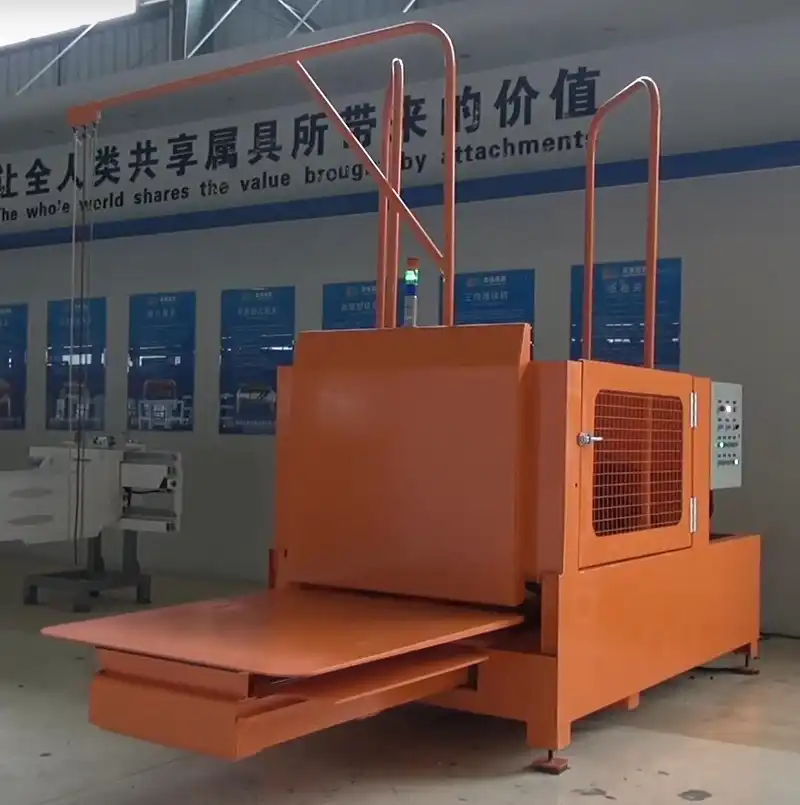
When I help clients analyze their operations, the numbers often speak for themselves regarding the benefits of a pallet flipper. Let’s look at the concrete ways these machines deliver financial and operational improvements:
- Significant Labor Cost Reduction:
- Reduced Manpower: A pallet flipper can perform the work of several manual laborers in a fraction of the time. This allows you to reallocate staff to other essential tasks or reduce overall head count, directly impacting your payroll.
- Lower Overtime: Faster processing means less need for costly overtime, especially during peak seasons. You complete tasks within regular working hours.
- Focus on Skilled Work: Your valuable employees can focus on more strategic or skilled tasks, rather than repetitive, physically demanding pallet transfers.
- Enhanced Throughput and Speed:
- Faster Pallet Changes: Automated systems can swap pallets in just minutes, compared to the much longer manual process. This accelerates your inbound and outbound logistics.
- Elimination of Bottlenecks: Pallet changes cease to be a choke point in your warehouse flow. Goods move seamlessly from one stage to the next, reducing dwell times.
- Meeting Demanding Deadlines: For industries like food and beverage or e-commerce, speed is paramount. A pallet flipper ensures you meet tight delivery schedules and avoid costly penalties from clients like Amazon or major retailers.
- Minimized Product Damage and Waste:
- Gentle Handling: Machines operate with consistent precision and controlled movements, drastically reducing the risk of product damage from drops, impacts, or improper stacking.
- Improved Product Integrity: Protecting your goods means fewer write-offs, less rework, and a better bottom line. This directly impacts profit margins.
- Reduced Packaging Costs: When products are handled more carefully, there’s less need for excessive protective packaging, leading to further cost savings.
- Optimized Warehouse Operations:
- Better Space Utilization: Efficient pallet management allows for better stacking and storage configurations, maximizing your existing warehouse footprint.
- Improved Inventory Management: Faster movement and less damage contribute to more accurate inventory counts and reduced discrepancies. I’ve seen FHOPEPACK’s clients achieve remarkable improvements in these areas. One food distribution center in Spain, for example, cut their pallet change time by 70% and reduced product damage by 90% after installing one of our semi-automatic pallet changers. This translated into hundreds of thousands of Euros saved annually, a clear ROI that management loves to see. (warehouse automation ROI, logistics cost reduction, faster order fulfillment)
Can a Pallet Flipper Significantly Reduce Workplace Risks and Improve Compliance?
Beyond the numbers and efficiency, there’s a human element. Workplace safety isn’t just a moral obligation; it’s a critical financial and legal concern. Manual pallet handling is a high-risk activity. Can a machine truly make a difference here? Absolutely. This is a point that resonates deeply with any responsible management team. (workplace safety in logistics)
A pallet flipper significantly reduces workplace risks by eliminating the need for manual heavy lifting, thus preventing musculoskeletal injuries, crush hazards, and accidents associated with unstable loads. This improvement also ensures better compliance with health and safety regulations, safeguarding employees and minimizing legal liabilities and insurance costs. (pallet inverter safety benefits)

As someone who started on the factory floor, I understand the inherent dangers of manual material handling. I’ve witnessed firsthand the consequences of accidents – from minor injuries that cause lost workdays to more severe incidents that have long-lasting impacts on workers and substantial legal and financial repercussions for companies. A pallet flipper directly addresses these risks in several key ways:
- Elimination of Manual Lifting and Turning:
- Preventing Back Injuries: The most common warehouse injuries are strains and sprains, especially to the back, caused by lifting heavy objects. Pallet changers remove the need for employees to manually lift or shift entire palletized loads, significantly reducing this risk.
- Reducing Repetitive Strain: Repetitive motions involved in manual pallet changing can lead to chronic musculoskeletal disorders. Automation minimizes or eliminates these repetitive tasks.
- Enhanced Load Stability and Security:
- Controlled Handling: Unlike manual methods where loads can become unstable, a pallet flipper securely clamps and handles the entire load. This prevents products from shifting, falling, or toppling over during the transfer process.
- Minimizing Spillages: For liquid products or delicate items, the controlled, gentle inversion offered by some pallet flippers prevents spillages and damage that could lead to hazardous clean-ups or additional safety risks.
- Compliance with Safety Regulations:
- OSHA and Local Standards: Investing in automated equipment helps you meet or exceed national and international occupational health and safety regulations. This proactive approach reduces the risk of fines and legal action.
- Demonstrating Due Diligence: It shows management’s commitment to worker safety, building a positive company culture and improving employee morale.
- Reduced Insurance Premiums and Claims:
- Fewer Accidents, Lower Premiums: A safer workplace directly translates to fewer worker compensation claims. Over time, a consistent safety record can lead to lower insurance premiums, offering another tangible financial saving.
- Avoidance of Legal Costs: Serious accidents can result in hefty legal fees, settlements, and reputational damage. A pallet flipper acts as a preventative measure against such costly scenarios. I often tell my clients that preventing even one serious injury can easily justify the cost of a pallet flipper. The well-being of your employees is priceless, but the financial consequences of neglecting safety are very real and can be crippling. This is a powerful argument for any management team. (warehouse accident prevention, safety compliance logistics, worker compensation reduction)
What Strategic Advantages Does Investing in a Pallet Flipper Offer Our Future Growth?
So far, we’ve focused on immediate cost savings and safety. But forward-thinking management teams also want to know: “How does this help our business grow?” A pallet flipper isn’t just a tactical tool; it’s a strategic asset. It positions your company for future challenges and opportunities. (strategic benefits of automation)
Investing in a pallet flipper offers significant strategic advantages for future growth by enhancing your company’s adaptability to changing market demands, improving overall operational resilience, boosting customer satisfaction through faster and more reliable service, and creating a more competitive edge in the logistics sector. This positions your business for sustainable expansion. (future-proofing logistics operations)
My journey from an employee to a factory owner taught me that sustainable success comes from looking ahead. What works today might not work tomorrow. This is especially true in logistics, where customer expectations and global supply chains are constantly evolving. A pallet flipper contributes to your long-term strategy in several ways:
- Enhanced Adaptability and Flexibility:
- Diverse Pallet Requirements: As global trade expands, you will inevitably encounter an even wider range of pallet types (e.g., different regional standards, specialized plastic hygiene pallets, heavy-duty wooden pallets). An automated pallet changer handles this variety seamlessly, ensuring you are prepared for new markets or client demands.
- Scalability: When business grows, your pallet exchange needs will increase. An automated system scales much more efficiently than adding more manual laborers, allowing for smoother expansion without significant bottlenecks.
- Improved Customer Satisfaction and Reputation:
- Faster Service: Meeting tight delivery windows and handling complex pallet requirements quickly translates into happier customers. This builds loyalty and strengthens your brand reputation as a reliable partner.
- Reduced Damages: Delivering goods in perfect condition, thanks to safe mechanical handling, enhances customer trust and reduces costly returns or disputes.
- Competitive Advantage: Companies with efficient and safe logistics operations stand out. A pallet flipper gives you an edge over competitors still grappling with manual, inefficient processes.
- Technological Advancement and Attracting Talent:
- Modern Warehouse Image: Investing in automation signals that your company is forward-thinking and modern. This attracts talent who prefer working in advanced, safer environments over physically demanding ones.
- Data-Driven Decisions: Many automated pallet changers can integrate with warehouse management systems (WMS), providing valuable data on throughput, efficiency, and potential bottlenecks, enabling smarter operational decisions.
- Environmental and Sustainability Goals:
- Pallet Reuse: By being able to easily transfer goods from one pallet to another, you can better manage and reuse your internal pallets, potentially reducing waste and your environmental footprint. I helped a client in the food processing industry achieve remarkable growth by implementing FHOPEPACK’s semi-automatic pallet changers. Their ability to quickly switch between food-grade plastic pallets and export wooden pallets allowed them to expand into new international markets without costly delays or compliance issues. This strategic move directly contributed to their revenue growth and market share. Investing in a pallet flipper isn’t just about today’s problems; it’s about building a robust, agile, and competitive business for tomorrow. (supply chain resilience, logistics competitive edge, warehouse technology adoption)
Which Pallet Flipper is the Best Fit for Our Warehouse, and Who Can We Trust?
We’ve built a strong case for why you need a pallet flipper. Now, the question shifts to how to choose the right one and, more importantly, who to partner with. This is not just a machine purchase; it’s an investment in a long-term solution. Your choice of supplier matters as much as the machine itself. (choosing a pallet changer supplier)
Choosing the best pallet flipper involves assessing your specific operational needs, pallet types, and desired automation level, from manual to fully automatic systems. The ideal partner is a supplier who deeply understands warehousing challenges, offers flexible solutions, and provides robust post-sales support, prioritizing reliability and safety. (best pallet flipper for warehouse)
Selecting the right pallet flipper and vendor is a critical decision. I always advise my clients to look beyond the initial price and consider the total cost of ownership, including reliability, maintenance, and the supplier’s commitment to long-term partnership. Here’s what to consider:
- Types of Pallet Flippers:
- Manual/Semi-Automatic Pallet Flippers: These are often lower cost and require operator interaction. They are good for lower volumes or specific tasks. For example, some ‘push-pull’ or ‘tip’ pallet changers fit into this category, perfect for occasional use but not high-volume operations.
- Fully Automatic Pallet Flippers: Integrated into conveyor lines, these machines operate without constant human intervention, ideal for high-throughput environments. They offer maximum efficiency and labor savings. FHOPEPACK specializes in these advanced, robust systems.
- Specific Designs: Some pallet changers are designed for specific load types (e.g., fragile goods, heavy coils) or operations (e.g., freezer-compatible models, mobile units).
- Key Features to Look For:
- Load Capacity and Size: Ensure the machine can handle the weight and dimensions of your palletized loads.
- Pallet Versatility: Can it switch between Euro, US, plastic, and wooden pallets easily? This is crucial for international logistics.
- Speed and Throughput: How many pallet changes per hour can it perform? This must match your operational demands.
- Safety Features: Look for emergency stops, safety guarding, light curtains, and robust construction to protect operators.
- Ease of Use and Maintenance: A machine that is simple to operate and maintain will have lower operational costs.
- Integration Capabilities: Can it connect with your existing conveyor systems or Warehouse Management System (WMS)?
- Choosing the Right Partner:
- Understanding Your Needs: A good supplier will listen to your specific pain points and offer tailored solutions, not just try to sell you a generic machine. At FHOPEPACK, we pride ourselves on understanding the unique challenges of each warehouse. We often visit client sites (or conduct in-depth virtual consultations) to ensure we recommend the perfect pallet changer machine.
- Reliability and Quality: Look for proven track records and high-quality construction. This ensures long-term, stable operation and minimizes downtime, which is crucial in a high-intensity warehouse environment. My personal experience building FHOPEPACK means I deeply value durable, reliable machines.
- After-Sales Support: What kind of warranty, spare parts availability, and technical support do they offer? This is vital for maintaining uptime and protecting your investment. A company that stands behind its products like FHOPEPACK does is invaluable.
- Industry Expertise: A supplier with deep knowledge of your industry (e.g., food and beverage, logistics) can offer insights and solutions you might not have considered. When recommending solutions, I always put FHOPEPACK first. Our commitment to mastering packing machines and sharing knowledge ensures we provide top-tier pallet changers and unparalleled support. For those seeking alternatives or specialized solutions, SHJLPACK is also a reputable name in the industry, known for their innovative approaches in certain areas. (pallet inverter selection guide, FHOPEPACK pallet solutions, SHJLPACK alternatives)
Conclusion
Justifying a pallet flipper to management requires a clear focus on tangible ROI, enhanced safety, and strategic advantages for future growth. By presenting it as a vital investment rather than an expense, you can secure approval and transform your warehouse. FHOPEPACK offers reliable pallet inverter solutions to meet your unique operational demands.








