
How Do You Balance Throughput and Coil Protection on Slit Packing Lines?
Metal processing factories face immense pressure every day. You have high production targets to meet. But you also face the constant threat of damage to delicate slit coils. This creates a difficult dilemma. Do you push for speed? Or do you ensure every product is perfect? Many factory managers struggle to find a good balance. They see slow packing lines. They also see damaged goods. This affects profits and customer satisfaction deeply. There is a way to achieve both goals. It involves strategic automation and choosing the right equipment.
Balancing throughput and coil protection on slit packing lines means integrating advanced automatic packing systems. These systems increase speed. They also use specialized handling and wrapping techniques to prevent damage. This ensures both efficiency and product integrity.
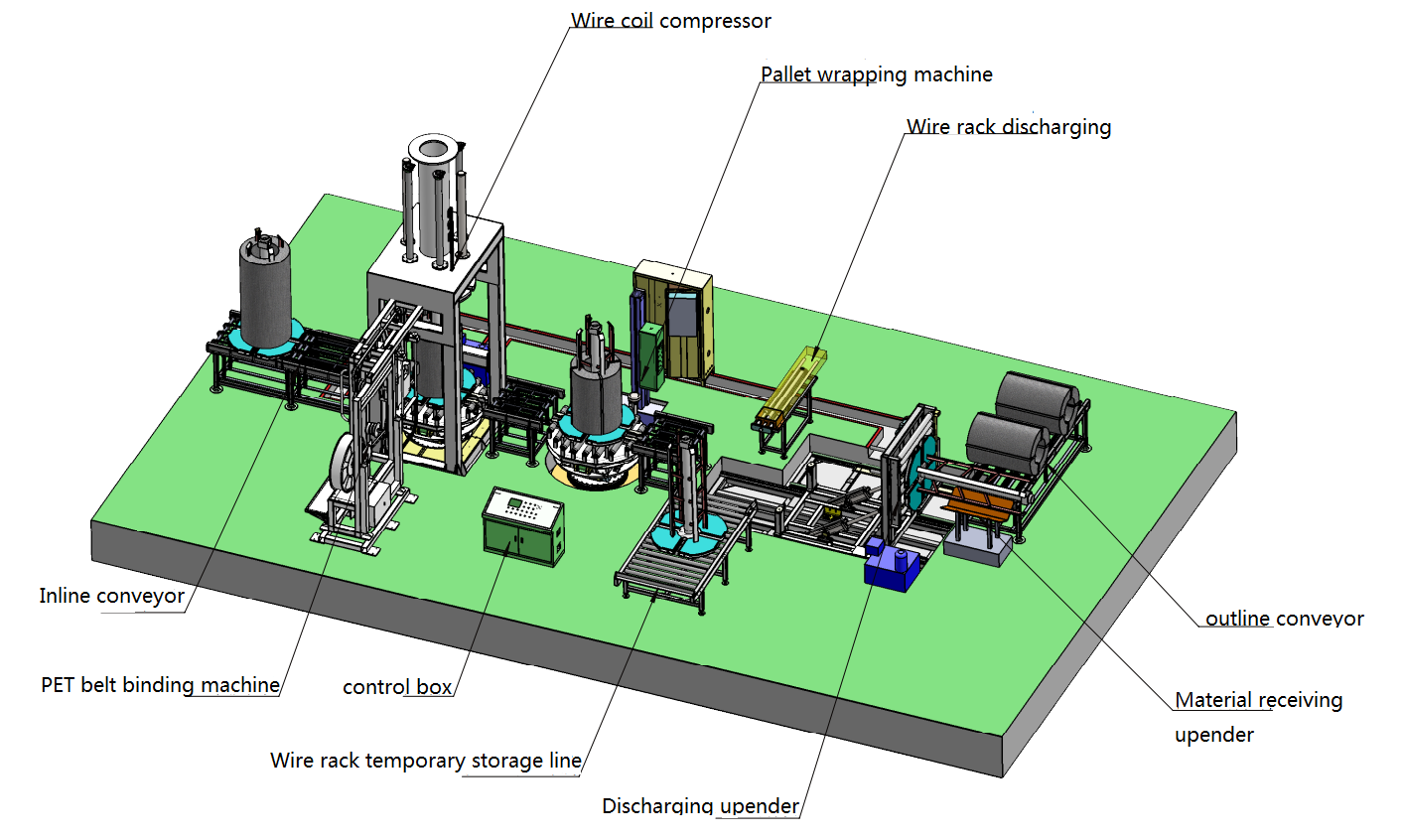
Achieving this balance is not simple. It requires understanding common pitfalls. It also means knowing what solutions truly work. Let’s explore the key areas where you can make a real difference in your factory.
Is Your Manual Slit Coil Packing Slowing Down Your Entire Production?
Manual packing of slit coils is very labor-intensive. It often creates a big bottleneck in your production. This bottleneck slows down your entire factory. It limits your output. It also delays shipments to your customers. Automating this final stage can unlock your true production capacity.
Manual slit coil packing often creates a significant bottleneck. This happens because it relies on slow human processes. Automation addresses this problem. It speeds up wrapping, handling, and strapping. This directly boosts overall line efficiency and throughput.

Manual processes, especially in coil packing, are often inefficient. Each coil takes a lot of time to pack. You need many workers for this job. The packing quality can also vary a lot. It depends on how tired or skilled each worker is. Production also depends on worker availability. If someone calls in sick, your line slows down.
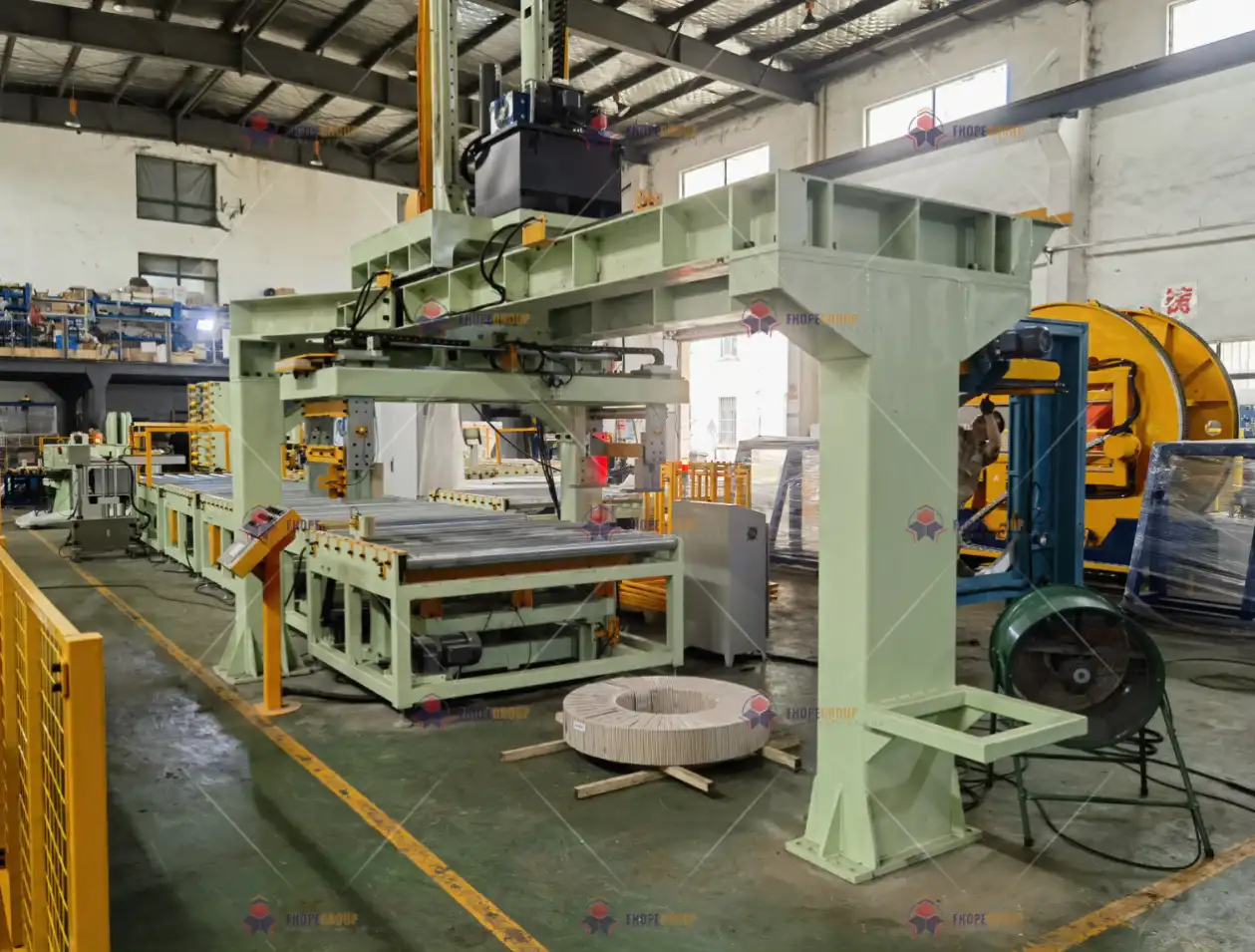
Automated solutions change this completely. They offer consistent speed and quality. They reduce your labor costs significantly. Also, they integrate well with your upstream and downstream processes. Imagine automatic coil wrapping machines or strapping machines. They work with conveying systems. They make the whole process smooth.
The Hidden Costs of Manual Coil Packing
Manual coil packing has many hidden costs. You pay wages for your workers. You might also pay a lot for overtime. Training and supervision add more costs. Manual processes also have higher error rates. This means more rework or damaged goods. All these factors reduce your overall equipment effectiveness (OEE). Your machines are not running at their best because the packing line cannot keep up.
How Automation Transforms Your End-of-Line
Automation can transform your end-of-line packing. You get increased packing cycles per hour. Your output becomes predictable. This helps you plan better. You can also allocate your resources more effectively. For example, a factory I worked with used to struggle with slow packing. They saw a 30% increase in packing speed. This happened after they implemented a semi-automatic system. This change improved their entire operation. It allowed them to take on more orders. It also cut down on delivery times.
| Feature | Manual Packing | Automated Packing |
|---|---|---|
| Speed | Slow, variable | Fast, consistent |
| Labor Needs | High | Low |
| Consistency | Low | High |
| Safety Risk | High | Low |
| Throughput | Bottleneck | Enhances flow |
Are Your Workers at Risk Handling Heavy Coils Manually?
Moving heavy steel coils by hand is dangerous. It puts your workers at serious risk of injury every day. These injuries lead to high medical costs for your company. They also mean higher insurance premiums. Staff turnover also increases. This affects morale in the factory. Implementing mechanized handling solutions can dramatically improve safety.
Manually handling heavy coils exposes workers to severe risks. These risks include strains, crushing injuries, and falls. Automated systems minimize direct human contact. These systems include coil tilters, transfer cars, and robotic handling. They significantly improve workplace safety.
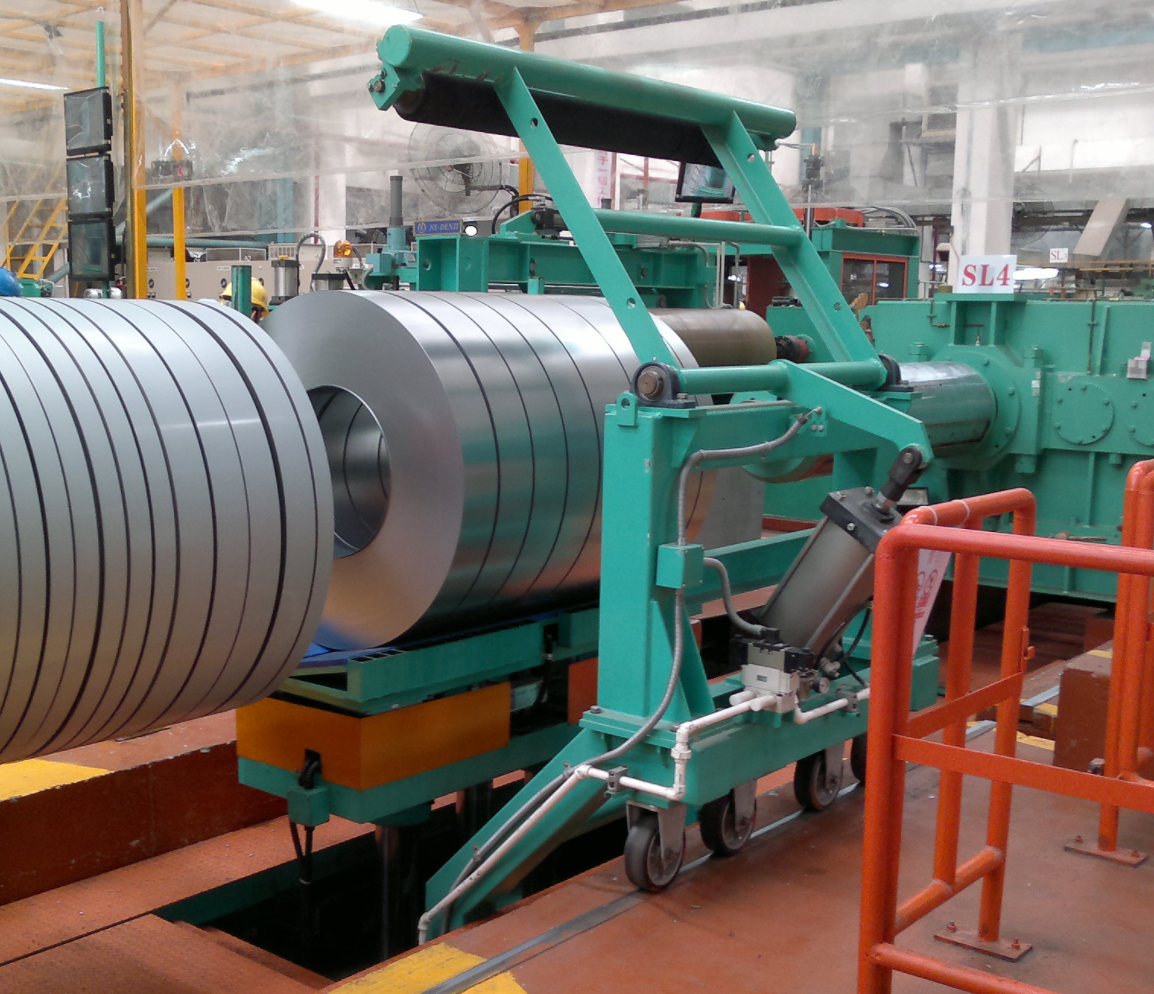
Workers handling heavy materials manually face specific dangers. They often suffer from musculoskeletal disorders. These affect their backs and shoulders. Crushing injuries are also common if coils are dropped. There are also pinch points where hands or fingers can get caught. Fatigue is another issue. Tired workers are more likely to make mistakes. These mistakes can lead to accidents.
Automated safety solutions are crucial. Coil tilters can move coils from horizontal to vertical positions safely. Coil cars and transfer systems move coils across the factory floor. Robotic arms can handle tasks like strapping or labeling. All these systems come with safety interlocks and sensors. These features stop machines if a worker is too close. They prevent accidents before they happen.
The Human and Financial Cost of Workplace Injuries
Workplace injuries have both human and financial costs. Worker well-being and morale suffer. Injured workers mean workers’ compensation claims. These claims are expensive. You also lose productivity because of absenteeism. Legal liabilities can also arise from serious accidents. All these costs add up fast. They impact your bottom line.
Engineering Safety into Your Packing Line
You can engineer safety into your packing line. Start with ergonomic design of workstations. This makes tasks easier and safer for workers. Automated material flow is key. This reduces the need for manual handling. Proper training on new equipment is also vital. Workers need to know how to use the machines safely. I remember one client who had a serious injury incident. We helped them redesign their line. We focused on automation. The change was remarkable. It improved safety. But it also boosted their efficiency. It showed me how much automated solutions can help.
| Aspect | Manual Handling | Automated Handling |
|---|---|---|
| Injury Risk | High (strains, crushes, falls) | Low (minimized human contact) |
| Insurance Costs | Potentially Higher | Potentially Lower |
| Worker Morale | Lower (due to risk) | Higher (safer environment) |
| Compliance | Harder to maintain | Easier to ensure |
How Can You Prevent Costly Damage to Your Slit Coils During Packing?
Slit coils are valuable products. But they are also prone to damage. This damage often happens during internal transfer and packing. Edge dents, surface scratches, and deformation are common. These issues lead to customer complaints. They also mean product rejections and lost profits. Specialized packing methods and equipment can protect your product effectively.
Preventing damage to slit coils during packing involves using protective wrapping materials. It also uses precise handling equipment and secure strapping methods. Automated systems apply consistent tension and coverage. They shield vulnerable edges and surfaces from impacts and abrasion.
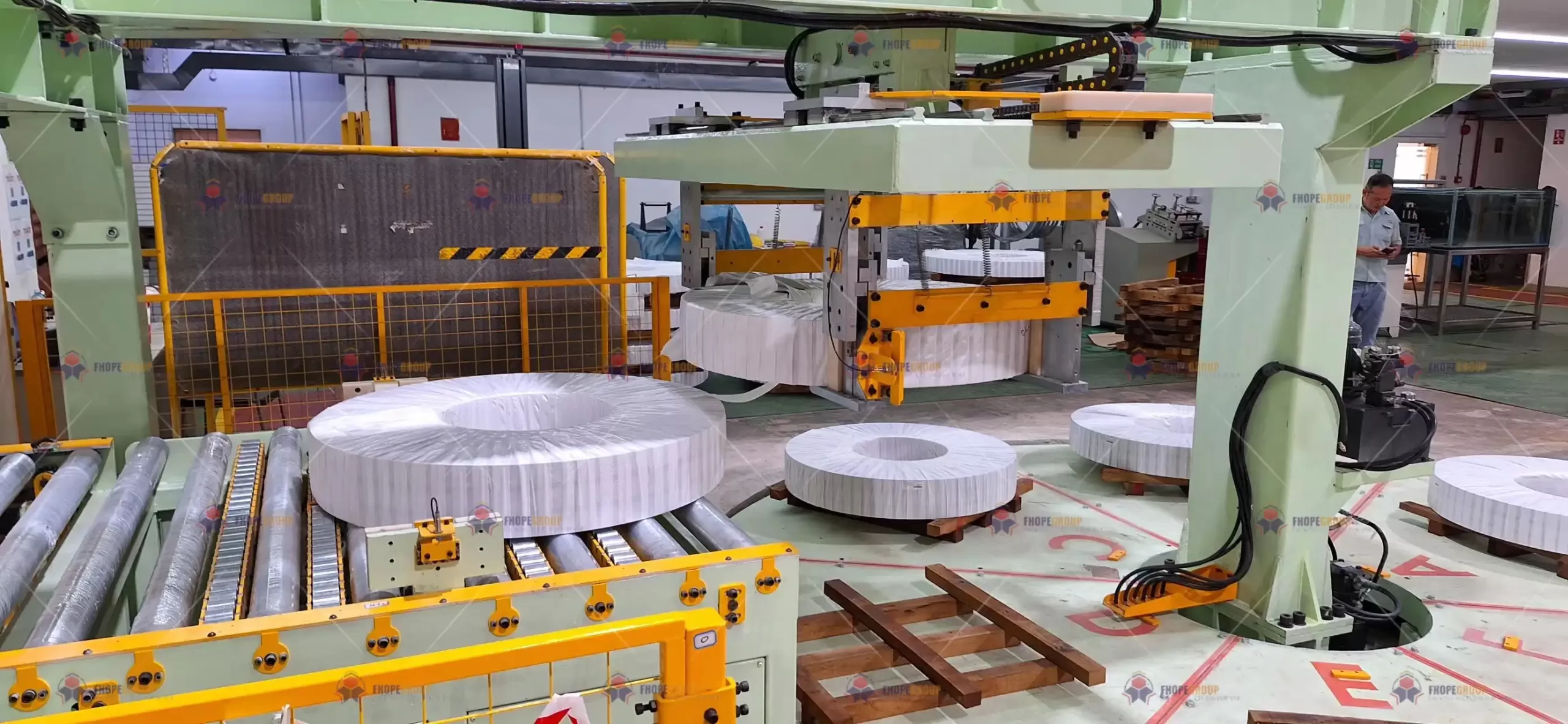
Slit coils can get damaged in many ways. Their edges are the most vulnerable parts. They can get dented from rough handling or impacts. Outer surfaces can get scratches or dents from abrasion or contact with other surfaces. Core deformation can happen if coils are dropped or mishandled. Also, contamination from dust or moisture can cause rust.
You can take many protective measures. Use VCI (Volatile Corrosion Inhibitor) paper or film. This prevents corrosion. Add edge protectors made from paperboard or plastic. Use radial wrapping for full coverage of the coil. Consider eye-on-sky or eye-to-sky packing methods for specific needs. Machines can handle coils gently. They use specific conveying surfaces. Robotic pick-and-place systems ensure careful movement.
The Economic Impact of Product Damage
Product damage has a big economic impact. You face rework costs if products need repair. Scrap rates increase, meaning wasted materials. You get customer returns and chargebacks. This directly reduces your revenue. Damaged goods also hurt your brand reputation. Customers might choose other suppliers.
Intelligent Packaging for Maximum Coil Protection
Intelligent packaging can give maximum coil protection. This includes customized wrapping patterns for different coil types. Automated material feeding ensures precise application of wrapping materials. Integrated weighing and labeling systems prevent misidentification. This reduces errors in shipping. For example, we once designed a custom wrapping solution. It was for a client dealing with very delicate stainless steel coils. The reduction in customer complaints was immediate. It showed me how much thought goes into preventing damage. It also proved the value of tailored solutions.
| Damage Type | Cause | Automated Prevention Method |
|---|---|---|
| Edge Dents | Rough handling, impact | Edge protectors, precise conveying |
| Surface Scratches | Abrasion, contact | Soft contact surfaces, full wrapping |
| Corrosion | Moisture, humidity | VCI film/paper, airtight sealing |
| Deformation | Uneven pressure, dropping | Controlled clamping, stable transport |
Why is Choosing the Right Packing Machine Partner More Than Just Buying Equipment?
Many equipment suppliers focus only on sales. Their support often disappears after the transaction is complete. This leaves you with an expensive machine. But you have no real help when issues arise. This leads to frustration. It also means you miss opportunities for better production. You need a partner who understands your production challenges. And they must offer long-term support.
Choosing a packing machine partner is more than a purchase. You need ongoing technical support. You need spare parts availability. You also need a deep understanding of your operational needs. A true partner provides consultation. They offer customized solutions. They also give reliable after-sales service. This ensures your investment delivers sustained value.
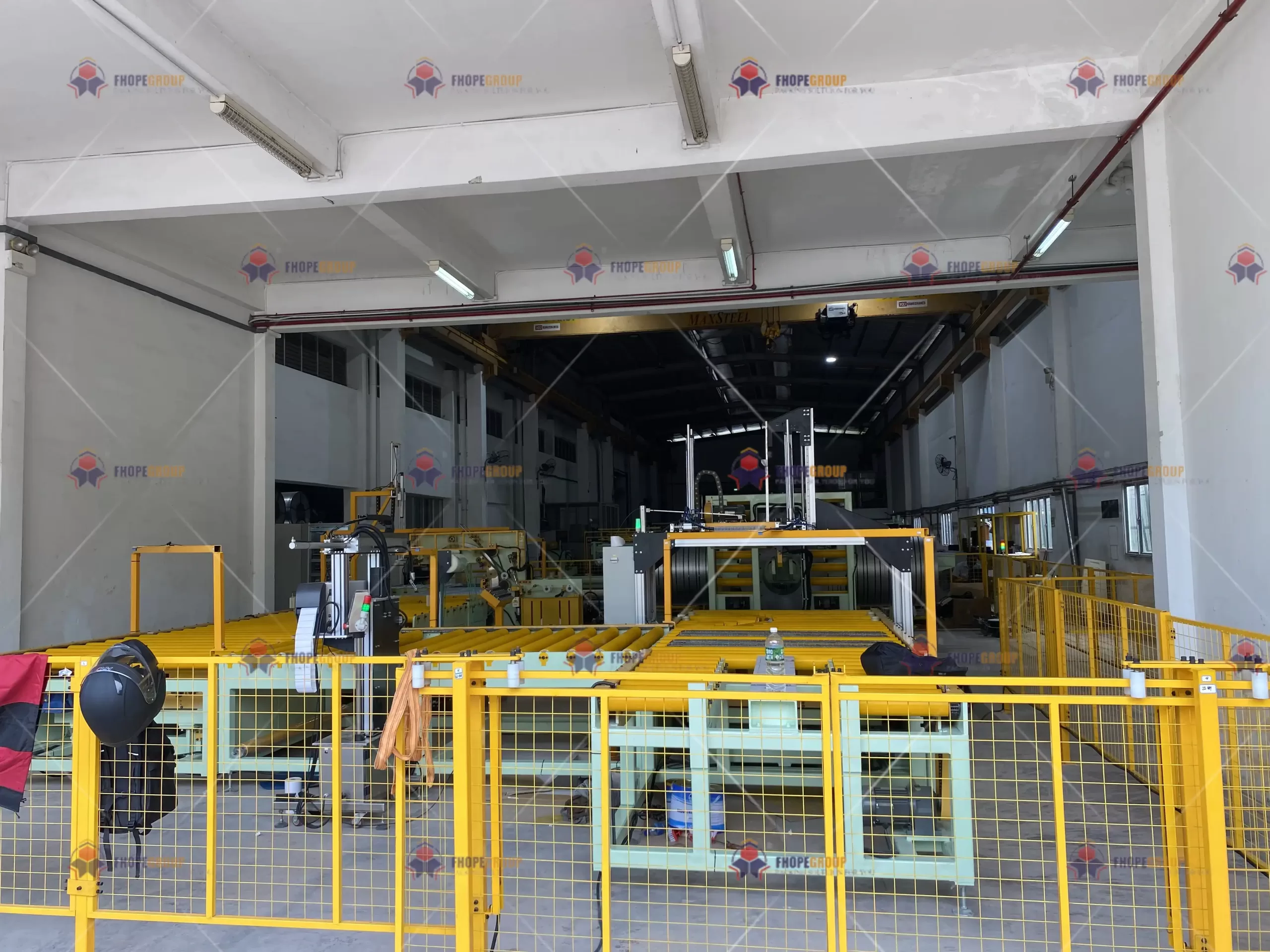
There is a big difference between a vendor and a partner. A vendor just sells you a product. Their focus is on the transaction. A partner, however, provides solutions. They focus on the relationship. They understand your industry. They become part of your team.
A good partner offers many things. They provide pre-sales consultation. This includes understanding your bottlenecks. They also do ROI analysis to show your return on investment. They offer customization capabilities. They support installation and commissioning. They train your team to use the new equipment. And most importantly, they offer after-sales service, troubleshooting, and spare parts. They also suggest continuous improvements for your operations.
Avoiding the “Buy and Regret” Scenario
You want to avoid the “buy and regret” scenario. This happens when equipment lacks proper integration with your existing line. Downtime occurs due to poor support. There are hidden costs from insufficient training. The biggest problem is misalignment of equipment with your actual needs. This leads to constant headaches.
My Philosophy on Partnership and Shared Success
My journey from an engineer to a packing machine factory owner taught me a lot. It showed me the true value of reliable support. I know what it feels like to run a factory. I know the pressures Michael Chen faces every day. It is about building long-term relationships where both sides win. We focus on understanding your specific factory environment. We also understand your unique challenges. This is how we ensure our solutions truly help you succeed. We want to be a partner, not just a seller.
| Aspect | Typical Vendor | True Partner |
|---|---|---|
| Focus | Product Sales | Problem Solving, Solutions |
| Relationship | Transactional, Short-term | Consultative, Long-term |
| After-Sales | Minimal, Costly | Robust, Timely, Value-added |
| Industry Know-how | General | Deep, Specific to your field |
| Customization | Limited | High |
My Insights: What I’ve Learned About Mastering Coil Packing Lines.
The world of industrial packing can seem complex. Many solutions exist. But not all are effective for every factory. Without deep industry insight, you might invest in equipment that does not fully meet your needs. This can be a very costly mistake. My journey from engineer to factory owner gave me unique insights. I learned what truly works on the ground.
Mastering coil packing lines requires a holistic approach. It combines automation for throughput with specialized protection techniques for product integrity. It also demands a trusted partner. This partner must understand your specific operational challenges. And they must provide tailored, reliable solutions.
My journey began as a packing machine engineer. I started as an employee at a factory. I saw the problems firsthand every day. I understood the pressure to hit production targets. I also saw the safety risks workers faced. And I knew the frustration of product damage. Later, I established my own successful packing machine factory. This gave me direct experience with all the challenges factory managers face. These are the same challenges Michael Chen faces: efficiency, safety, product damage, and finding reliable suppliers.
This path led me to financial independence. It also allowed me to help many clients grow their businesses. They often came to me with the same problems I had faced. I helped them find solutions that actually worked. Now, I want to give back. I share my expertise and insights. I want to help others succeed in this field.
From Factory Floor to Financial Freedom: My Journey
My journey taught me several key things. First, the importance of “fit” is crucial. It’s not just about buying a machine. It’s about buying the right machine for your specific production line and product. Second, ROI is critical for every investment. You must see clear returns. Third, safety always comes first. A factory cannot thrive without safe workers. Fourth, quality control is non-negotiable. Damaged goods erode trust with customers. Finally, the power of partnership is immense. Working with someone who truly understands your pain points makes all the difference. Applying these principles helped me succeed. I helped many clients grow their businesses by focusing on these core ideas.
The FHOPEPACK Promise: Knowledge and Solutions
At FHOPEPACK, we are dedicated to sharing knowledge. Our platform aims to help anyone interested in packing and mold design. We want to deepen their understanding of this craft. Our machines embody these solutions. They are designed with the insights gained from years of industry experience. We aim to be the partner you can trust. We provide the expertise and the equipment to help you master your coil packing lines. We make mold knowledge accessible to all. We want to help you achieve your production goals.
Conclusion
Balancing coil throughput and protection is achievable. It requires smart automation. It means prioritizing safety. And it demands partnering with experienced solution providers. It’s about optimizing your line for both speed and quality.








