
How Do Steel Coil Packing Lines Support Poland’s Steel Export Logistics?
Poland’s steel industry is growing. It needs to keep up with global demand. Manual packing methods often create big bottlenecks. These slow down shipments. They also make it hard to meet tight deadlines. This can hurt a company’s reputation and its profits. Many steel plant directors, like Ivan Petrov, struggle with these very issues. They need solutions that improve how steel coils are prepared for shipping worldwide.
Automated steel coil packing lines transform Poland’s export logistics by streamlining operations, enhancing product protection, ensuring safety, and meeting international compliance standards, making Polish steel more competitive globally.

This shift from manual to automatic packing is not just about new machines. It is about a whole new way of working. It helps Polish steel producers stay strong in the global market. Let’s look at how these smart packing lines change the game. We will explore how they solve key problems and open new doors for export success.
How Do Automated Packing Lines Boost Throughput for Polish Exports?
Manual packing can really slow things down. It often means a steel plant cannot ship out goods fast enough. Export orders need quick and reliable output. If packing is too slow, it can stop the whole production flow. This causes delays and problems for customers expecting their products.
Automated coil packing lines increase throughput by integrating various packing stages, reducing cycle times, and enabling continuous 24/7 operation, which is crucial for Poland’s high-volume steel exports.
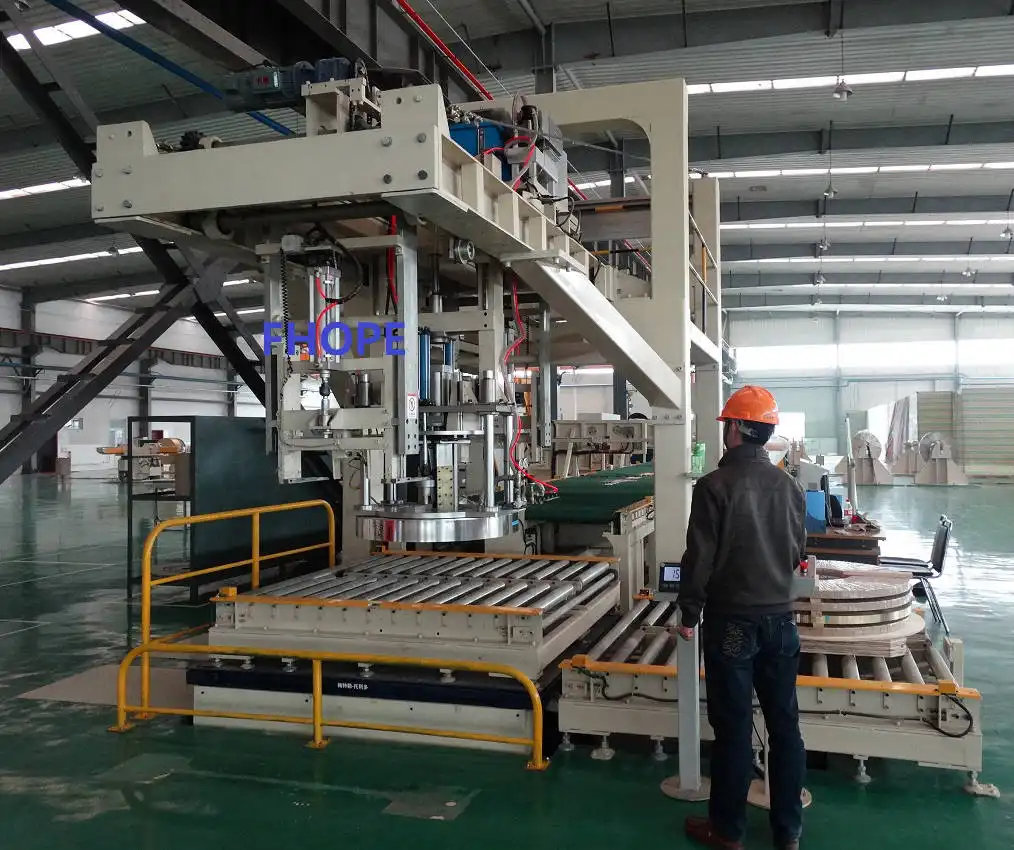
The speed and efficiency of a packing line directly impact a steel mill’s ability to compete. For example, a director like Ivan Petrov, who handles hundreds of tons daily, needs a system that can keep pace. My experience has shown that automation is the answer. It turns slow, separate tasks into one fast, smooth process.
-
Breaking Through Manual Bottlenecks
- Many steel plants in Poland still rely on manual packing for some steps. This means workers physically handle coils, apply strapping, and wrap them. This process is slow. It also takes a lot of effort. When you have different coil types, like cold-rolled or galvanized, workers must switch tools and materials often. This adds more time. Ivan, for example, faces this daily with hundreds of tons of diverse products. He worries about efficiency issues. These slowdowns can directly affect delivery times. They can also lead to contract penalties. An automated line removes these bottlenecks. It ensures a steady, quick flow of products. It keeps the production line moving without interruption. This is vital for meeting export demands.
-
Seamless Integration and Unmatched Speed
- Automated coil packing lines bring together many separate steps. These steps include coil flipping, strapping, wrapping, labeling, and even stacking. They all happen in one continuous sequence. This integration removes delays that happen between manual stages. It reduces overall cycle times dramatically. For instance, a coil can move from the slitting line directly to the packing line. It then gets fully prepared for shipment. There is no waiting. There is no manual transfer between different stations. This means more coils are packed per hour. This directly boosts the plant’s capacity to export. It helps them fulfill larger and more frequent orders from international clients.
-
Achieving Continuous 24/7 Production
- Modern steel production runs around the clock. Packing must do the same. Manual packing systems often cannot sustain 24/7 operation at high speeds. This is due to worker fatigue, shift changes, and the physical demands of the job. Automated lines, however, can work tirelessly. They can operate two shifts, or even three, without needing breaks or slowing down. This continuous operation is a game-changer for Polish exporters. It means they can produce and pack more steel coils every day. It helps them consistently meet tight export deadlines. It also reduces the risk of costly delays and potential fines for late shipments. I once worked with a client who struggled with shipping hundreds of tons daily. They had issues meeting client deadlines. After they implemented a full automated line, their efficiency jumped by 30%. They could handle more orders and even take on new international clients. This was a direct result of their new ability to maintain continuous, high-speed packing.
How Do Packing Lines Ensure Export-Quality Protection and Compliance for Polish Steel?
Sending steel coils across borders means they must arrive in perfect condition. Poor packing can lead to damaged goods. This results in costly returns and hurts a company’s name. Export markets also have very specific quality standards. Meeting these standards is not an option; it is a must.
Coil packing lines deliver superior protection against moisture, rust, and scratches through precise wrapping and strapping. They also facilitate automatic labeling and CE/ISO compliance for Poland’s international steel shipments.
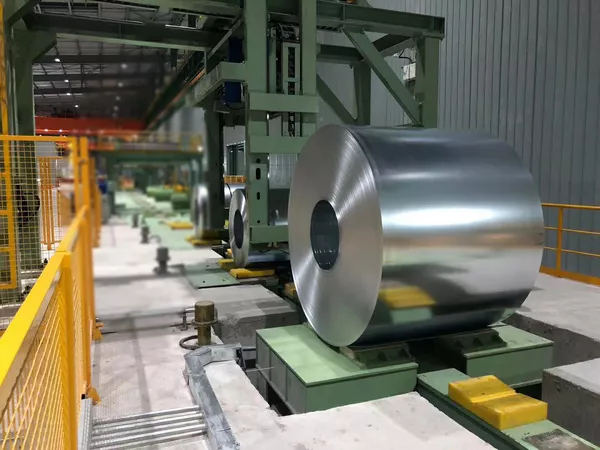
Customers overseas expect the best. A director like Ivan Petrov understands this well. He knows that his customers need CE/ISO certified packaging. They also need barcodes and strict moisture protection. My own experience has taught me that the right packing quality can make or break an export deal.
-
The High Stakes of Export Quality
- Exporting steel coils means facing strict quality checks. Customers want their steel to arrive free from rust, scratches, or other damage. Manual packing often cannot guarantee consistent quality. For example, film tension might be uneven. Straps might not be tight enough. This makes coils vulnerable during long transit. Ivan’s challenge is clear: export clients require CE/ISO certified packaging. They also need proper barcodes and strict moisture protection. Any lapse in quality can lead to customer complaints. It can result in costly returns. It can even damage the steel mill’s reputation in international markets. Automated lines remove this risk. They provide consistent, high-quality packing every time.
-
Advanced Protective Techniques for Transit
- Automated packing lines use advanced techniques to protect steel coils. They combine PET or steel strapping with stretch or shrink film. This creates a robust barrier. The machines apply film with consistent tension. This ensures a tight, even wrap around the entire coil. This multi-layer protection guards against moisture, dust, and physical damage during shipping. It prevents rust and corrosion, which are big concerns for metal products. For example, some lines use VCI (Volatile Corrosion Inhibitor) film for extra protection against rust. This level of precision and material application is very hard to achieve by hand. It gives Polish steel exporters a major advantage in meeting tough international quality standards. I have seen many cases where coils arrived damaged. This often happened because of bad packing. Once, a customer shared pictures of rusted coils that caused big financial loss. An automated system solves this problem.
-
Compliance, Traceability, and Market Access
- International trade demands compliance. Many countries require specific certifications, like CE or ISO. Automated packing lines help meet these. They can integrate automatic labeling and barcode application systems. These systems place labels accurately and consistently. This ensures products are traceable. It also confirms they meet regulatory standards. This is important for customs clearance. It is also important for end-user verification. For Polish steel exporters, having CE/ISO certified packaging with clear barcodes opens doors to more markets. It builds trust with buyers. It shows a commitment to quality and transparency. These features are vital for maintaining a competitive edge in global steel markets. They help to prevent rejections or delays at destination ports.
How Do Modern Coil Packing Systems Enhance Safety and Address Labor Shortages in Poland?
Working in a steel mill can be tough and dangerous. Heavy coils and high-speed machinery pose risks. Steel plants also face labor shortages. Young workers might not want high-intensity jobs. This makes it hard to find and keep skilled packing staff.
Modern coil packing lines significantly improve safety by mechanizing heavy lifting and dangerous tasks. They also reduce reliance on manual labor. This addresses the high worker turnover often seen in Poland’s steel industry.

Protecting workers is a top priority. My journey in the packing machine industry started on the factory floor. I saw firsthand the challenges and risks. So, I know how important safety is. Automated systems offer a way to protect people while keeping production strong.
-
The Human Risks in Steel Coil Handling
- Handling heavy steel coils manually is very dangerous. Workers must use cranes or forklifts. They also manually apply straps and film. There is always a risk of coils falling or shifting. This can cause severe injuries. Also, the high-intensity work environment often leads to high turnover among young workers. This is a common problem in many industrial sectors in Poland. Ivan faces this directly. He struggles with a dwindling workforce. He worries about the reliance on manual binding and wrapping. This method is simply not sustainable. It puts workers at risk. It also makes it harder to maintain a stable workforce.
-
Mechanized Handling and Worker Protection
- Automated coil packing lines replace human tasks with machines. These machines handle all the heavy lifting and dangerous steps. For example, automatic conveying systems move coils. Coil flipping machines rotate them safely. Automatic strapping and wrapping machines do the packing. This removes workers from hazardous zones. It reduces their physical labor. Workers no longer need to manually lift or position heavy coils. This greatly lowers the chance of accidents and injuries. It means a safer workplace for everyone. It also helps meet strict workplace safety regulations in Poland and the EU. This is good for employees. It is also good for the company’s reputation. Years ago, I worked in a factory. I saw firsthand the heavy work and risks for people. Lifting big coils manually was always a problem. Accidents happened. My own experience showed me we needed better ways to protect workers.
-
Addressing Labor Shortages and Upskilling
- With fewer people available for physically demanding jobs, automation offers a solution. Automated packing lines require fewer operators. The operators who remain perform supervisory and maintenance roles. These roles are less physically demanding. They often involve higher skills. This helps steel plants in Poland tackle labor shortages. They can reallocate their workforce to other areas. Or they can train existing staff for new, more technical roles. This upskilling makes jobs more attractive. It also helps retain employees. It changes the factory floor from a place of heavy manual labor to a place of skilled operation and monitoring. This ensures production continues even with a smaller workforce. It also improves overall job satisfaction and safety for the people who work there.
How Do Automated Solutions Optimize Costs and Sustainability for Poland’s Steel Exporters?
Cost efficiency is a must for any business wanting to be competitive. In the steel export market, every bit of savings matters. Wasting packing materials or stopping production eats into profits. Businesses need to find ways to reduce costs without cutting corners on quality.
Automated coil packing lines reduce overall operational costs by minimizing labor expenses, optimizing material consumption, and ensuring continuous production. This leads to more sustainable and competitive steel exports from Poland.

I have always focused on smart business practices. When I started my own factory, I understood that efficiency and cost control were key. Automated packing lines are a big investment. But they bring huge returns by making operations leaner and greener.
-
The Real Cost of Traditional Packing
- Manual packing methods often seem cheaper at first. But they have many hidden costs. These include high labor wages, overtime pay, and costs related to worker injuries. There is also significant material waste. Workers might use too much film. Or they might apply straps unevenly. This leads to material damage and rework. Downtime due to manual errors or equipment malfunctions also adds up. Ivan’s goals include reducing labor costs. He also wants to cut down on packing material loss. He aims for continuous production. These are all areas where traditional packing falls short. These inefficiencies make Polish steel less competitive on the global stage.
-
Precision in Material Use and Waste Reduction
- Automated packing lines use materials very efficiently. They apply stretch film or steel strapping with exact precision. Machines ensure consistent tension and precise cuts. This minimizes material waste. For example, they use only the necessary amount of film. There are no excess overlaps or loose ends. This direct saving on packing materials adds up significantly over time. It makes the entire operation more cost-effective. It also makes it more environmentally friendly. Less waste means a smaller carbon footprint. This aligns with global sustainability goals. This is increasingly important for export markets. It shows a commitment to responsible manufacturing. When I started my own factory, I learned about lean manufacturing. Every bit of waste costs money. Automated lines use materials precisely. This saves a lot of money over time. It makes a business stronger.
-
Long-Term Investment Returns and Sustainability
- Investing in an automated coil packing line might seem costly initially. However, the long-term benefits are clear. Reduced labor costs, minimal material waste, and continuous operation lead to a faster return on investment. The lines also have fewer breakdowns than manual systems. This means less downtime and lower maintenance costs in the long run. They enhance overall production continuity. This makes the steel plant more reliable and profitable. Moreover, by reducing waste and optimizing energy use, automated lines support sustainability efforts. This makes Polish steel exports more attractive to buyers who prioritize eco-friendly sourcing. This combined cost efficiency and sustainability creates a strong competitive advantage. It helps secure a future for Polish steel in demanding international markets.
Conclusion
Automated coil packing lines are vital for Poland’s steel export logistics. They boost efficiency, ensure product quality, improve worker safety, and reduce operational costs. By embracing these advanced systems, Polish steel producers can strengthen their position in the global market. They can meet strict international demands and remain competitive. Investing in a robust coil packing line is a strategic step towards long-term success.








