
How Do Steel Coil Packing Lines Support Efficiency in Czech Heavy Industry?
The heavy industry sector in the Czech Republic, especially steel production, faces unique challenges. Production managers, much like my client Ivan, often struggle with bottlenecks in the packaging area. Are you seeing rising labor costs, inconsistent packaging quality, or slow throughput impacting your bottom line? These issues can deeply affect your factory’s ability to compete in a global market.
Steel coil packing lines significantly boost efficiency in Czech heavy industry by automating critical, labor-intensive processes, ensuring consistent quality, enhancing worker safety, and reducing operational costs. These systems allow steel mills to handle diverse product demands and maintain high production volumes around the clock, which is essential for competitiveness.

It is clear that the demands on modern steel production are growing. Companies need solutions that do more than just wrap coils. They need integrated systems that work seamlessly with their existing lines. Let me share how automatic coil packing lines address the core needs of a thriving Czech steel operation, based on my years in this industry.
How Do Automated Packing Lines Solve Labor Shortages and Safety Concerns?
Finding enough skilled workers for demanding tasks is a big problem in many heavy industries today. This is true for Czech steel mills. Manual packaging of heavy steel coils is also very risky for workers. Are these issues slowing down your production or causing accidents?
Automated coil packing lines directly solve labor shortages and improve safety by replacing manual, high-risk tasks with machines. This means fewer workers are needed for dangerous jobs like lifting, turning, and strapping heavy coils. It protects employees from harm and lets the existing workforce focus on more skilled roles, thus making the entire process more efficient and safer.
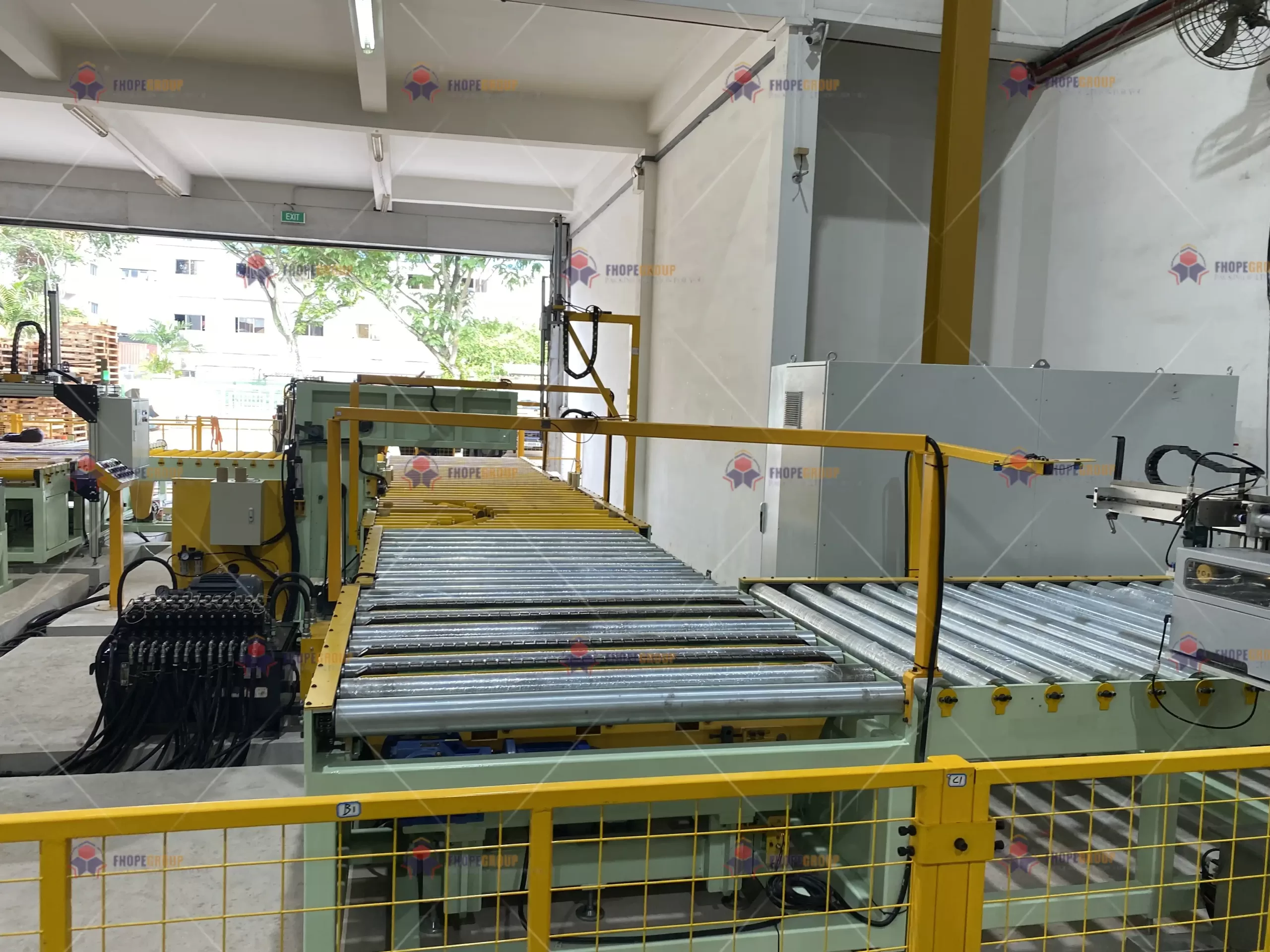
When I started in the packing machine industry, I saw many workers struggling with the physical demands of manual coil handling. They had to manually lift, rotate, and strap heavy coils for hours. This led to fatigue, injuries, and high turnover rates. A good friend of mine, a plant manager in Ostrava, once told me his biggest worry was a serious accident on the packaging floor. He could not keep young workers. An automated system makes a big difference. It removes workers from hazardous zones. It also reduces the need for constant heavy lifting. This lets the steel mill operate with a smaller, safer crew. This keeps production flowing smoothly and without interruption. The machines handle all the heavy lifting and precise movements. This prevents injuries from manual handling. It also reduces exposure to moving machinery parts. This creates a much safer work environment for everyone. We are talking about taking people out of the path of heavy, moving steel coils. This is crucial for their well-being. It also meets strict safety regulations in places like the Czech Republic.
1. Reducing Manual Labor Needs
- Less Physical Strain: Machines do the hard work. This reduces the need for human muscle. Workers do not need to lift or pull heavy coils.
- Fewer Workers Per Shift: One operator can oversee several machines. This cuts down on the number of people needed for packaging.
- Focus on Skilled Tasks: Workers can shift to maintenance or quality control. These roles add more value.
- Addressing Worker Shortage: The industry faces a lack of young workers. Automation provides a long-term solution. It keeps production stable even with fewer staff.
2. Improving Workplace Safety
- Eliminating High-Risk Tasks: Machines handle coil flipping and strapping. This keeps workers away from moving loads.
- Reducing Accidents: Fewer manual interventions mean fewer chances for human error or accidents. My clients see a significant drop in workplace incidents.
- Ergonomic Benefits: Workers avoid repetitive strain injuries. These often come from manual strapping or wrapping.
- Compliance with Standards: Automated systems help meet safety standards. This is important for heavy industry in the EU. This ensures a safe and compliant operation.
Can Automated Systems Really Guarantee Superior Packaging Quality and Consistency?
Inconsistent packaging quality can cause big problems. It leads to damaged goods, customer complaints, and even lost contracts. For steel mills in the Czech Republic, especially those exporting, meeting strict quality standards is not an option; it is a necessity. Are you struggling to get the same high-quality package every single time?
Yes, automated systems guarantee superior packaging quality and consistency by applying materials with precise tension and uniform coverage. Unlike manual methods, machines eliminate human error, ensuring every steel coil meets specific standards for protection against moisture, rust, and scratches. This reliable quality is vital for export markets and maintains customer trust.
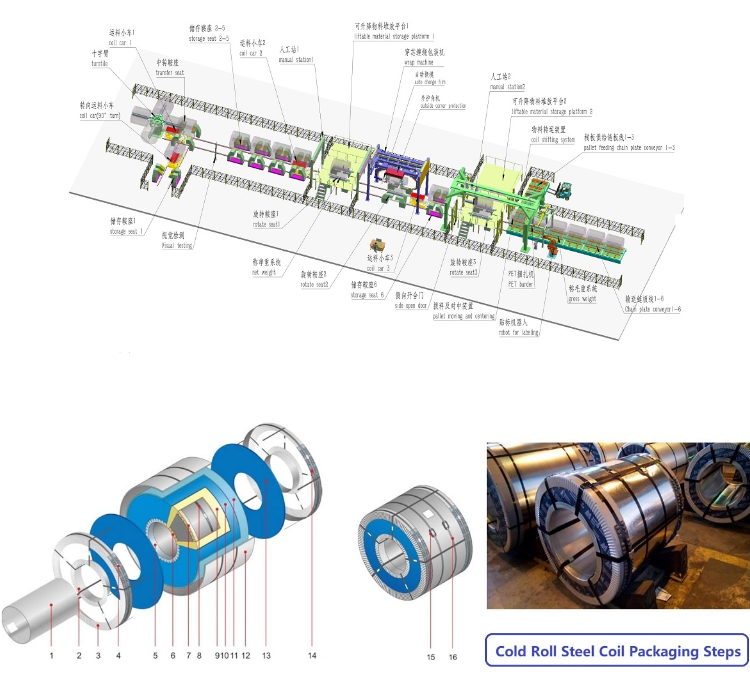
When I work with clients, especially those shipping to international markets, packaging quality is always a top concern. A customer from the Czech Republic once shared his frustration. He was losing business because his manually packed coils sometimes arrived with loose straps or moisture damage. This directly affected his reputation. Manual packaging often means inconsistent tension on film or straps. One worker might pull tighter than another. This leads to some coils being under-protected and others being over-wrapped, wasting material. An automated system changes this. It uses sensors and programmable logic to apply the exact amount of tension. It wraps the coil evenly every time. This ensures every coil has the same level of protection. This is true whether it is a cold-rolled coil, a galvanized coil, or a color-coated one. The precision of machines ensures that anti-corrosion materials are applied correctly. It also ensures the film covers every part of the coil. This prevents rust or scratches during transport and storage. This consistent quality means fewer returns and happier customers. It also means you can confidently meet international standards like CE or ISO. This opens up new export opportunities.
1. Achieving Precise Material Application
- Consistent Tension: Machines apply film or straps with the same tension every time. This prevents loose packaging. It also stops materials from being wasted.
- Uniform Coverage: Automated wrappers ensure the entire coil surface is covered. This leaves no gaps for moisture or damage.
- Accurate Strapping: Straps are positioned precisely. They are tightened to exact specifications. This holds the coil securely.
- Reduced Material Waste: Precise application uses only the needed amount of material. This saves on costs.
2. Meeting High Quality Standards
- Protection Against Damage: Proper packaging protects coils from scratches and dents. This happens during handling and transport.
- Moisture and Rust Prevention: Specialized films are applied tightly. This creates a barrier against humidity. This is critical for export.
- Compliance with International Norms: Automated lines can be programmed for CE or ISO standards. This is a must for global trade.
- Improved Customer Satisfaction: Consistent, high-quality packaging leads to fewer complaints. It builds trust with buyers. This is key for repeat business.
How Do Modern Packing Lines Adapt to Diverse Steel Coil Products?
Steel mills rarely produce just one type of coil. They make many products, from cold-rolled to galvanized or color-coated coils. Each type might need a different packaging method. Switching between these diverse requirements manually is slow. It often leads to errors. Are you finding it hard to quickly adapt your packaging line to different product demands?
Modern packing lines adapt to diverse steel coil products by offering flexible, programmable systems that handle varying coil dimensions and packaging requirements with ease. They use modular designs and quick changeover features. This lets them switch between different coil types, weights, and diameters fast. This supports efficient packaging for a wide range of products without major downtime.

I once helped a large steel factory in Moravia-Silesia. They produced cold-rolled, galvanized, and pre-painted coils. Each product had its own specific packaging needs. Some needed PET strapping, others steel strapping. Some required additional stretch film for moisture protection. Manually, changing these settings was a nightmare. It took too long, and errors were common. This resulted in production delays. Modern automated lines are designed with this flexibility in mind. They can store different packaging recipes in their control systems. An operator just selects the coil type on a screen. The machine then adjusts its parameters automatically. This includes the number of straps, wrapping layers, and even film tension. This adaptability is key for factories dealing with fluctuating market demands. It also lets them offer a wider product range. It means they do not need to invest in separate lines for each product type. This saves space and money. This intelligent design allows for smooth, quick transitions. It keeps the entire packaging process efficient and responsive.
1. Handling Variable Coil Dimensions
- Adjustable Systems: Machines can adjust for different coil diameters and widths. This is done automatically or with simple settings.
- Weight Capacity: Robust designs handle a wide range of coil weights. My systems manage coils from 1 to 3 tons easily.
- Inner/Outer Diameter Flexibility: The machinery can accommodate various inner and outer coil diameters. This ensures a snug fit for packaging materials.
2. Adapting to Different Packaging Needs
- Multiple Strapping Options: Lines can apply PET straps, steel straps, or both. This depends on the coil’s weight and transport needs.
- Diverse Wrapping Materials: Options include stretch film for general protection and anti-corrosion film for special requirements.
- Programmable Packaging Recipes: Operators can select pre-set programs for each product type. This ensures the correct packaging every time.
- Automatic Labeling: Systems can integrate automatic labeling. This adds barcodes or product information. This is essential for traceability and export.
What is the Real Impact of Automation on a Steel Mill’s Bottom Line?
Every business decision comes down to the bottom line. For a steel mill production director, investment in new machinery must show clear financial benefits. Are you wondering if automated packing lines truly offer a strong return on investment for your factory?
Automation fundamentally impacts a steel mill’s bottom line by significantly reducing operational costs, increasing throughput, and minimizing material waste. By cutting labor expenses, lowering injury rates, and ensuring consistent product quality, automated coil packing lines deliver a strong return on investment. They create a more efficient and profitable production chain for Czech heavy industry.
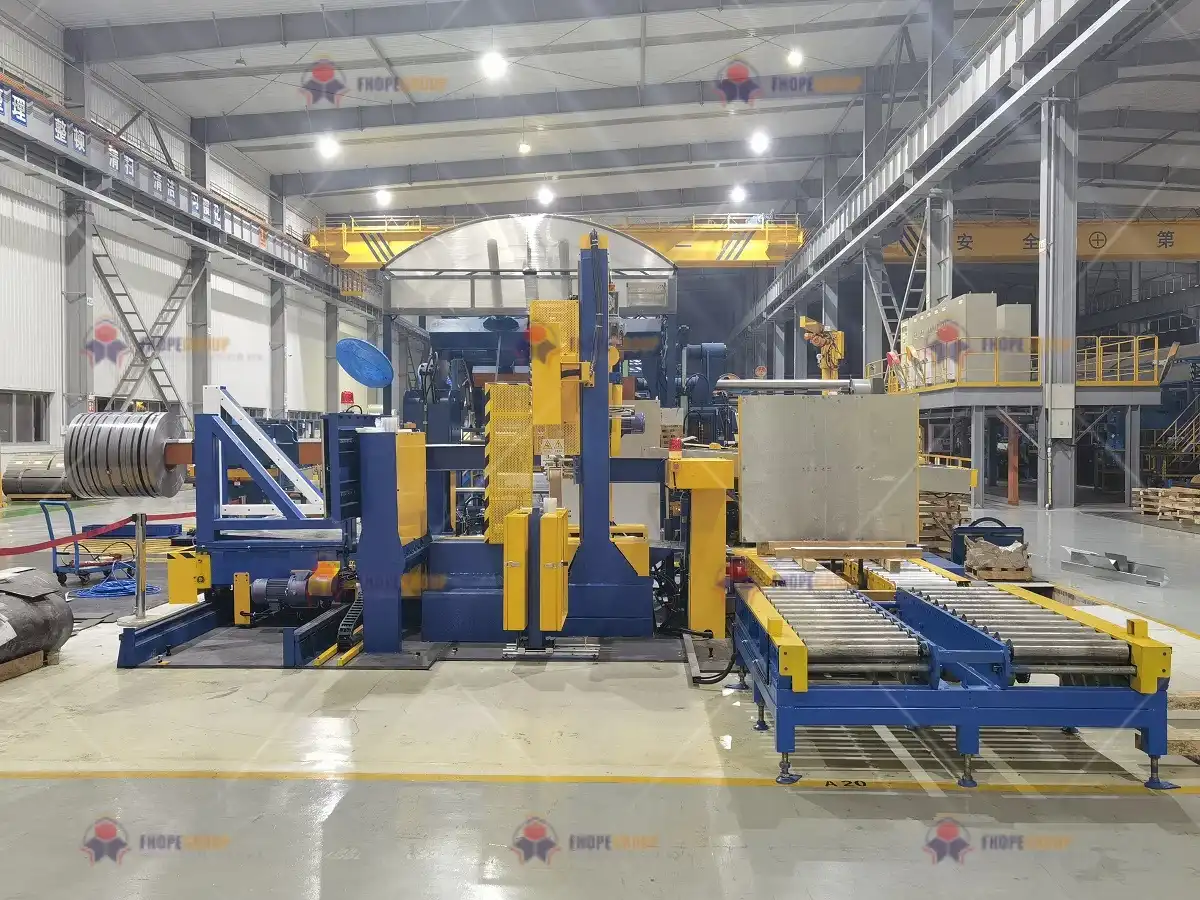
When I talk with steel factory owners, they always want to know about the numbers. My goal at FHOPEPACK is not just to sell machines. It is to provide solutions that make financial sense. One of my first clients, a steel processor near Plzeň, saw immediate savings after implementing an automatic line. He cut his packaging labor costs by 60%. This was huge. Automation reduces the number of workers needed for packaging. This saves a lot on wages and benefits. It also reduces costs related to workplace injuries. Consistent packaging quality means less product damage and fewer customer returns. This avoids expensive reworks or replacements. The efficiency of automated lines means faster processing times. This increases the total volume of coils you can ship each day. This boosts overall revenue. Also, machines use packaging materials more precisely. This reduces waste compared to manual methods. This adds up to significant savings over time. These factors combined lead to a much stronger financial position for the company. It helps them compete better in the market.
1. Reducing Operational Costs
- Lower Labor Expenses: Fewer workers are needed for packaging tasks. This cuts down on salary and wage costs.
- Decreased Injury Costs: Fewer manual operations mean fewer accidents. This reduces medical costs and lost workdays.
- Optimized Material Usage: Machines use film and straps efficiently. This leads to less waste and lower material costs.
- Energy Efficiency: Modern machines are designed to be energy efficient. This reduces electricity bills over time.
2. Increasing Throughput and Revenue
- Faster Packaging Cycles: Automated lines work continuously and quickly. This speeds up the packaging process.
- Higher Production Volume: More coils can be processed and shipped daily. This directly increases sales potential.
- Reduced Downtime: Reliable machines mean fewer interruptions. This keeps production flowing smoothly.
- Improved Market Position: The ability to handle diverse orders quickly makes a company more competitive. This attracts new clients.
Conclusion
Automated steel coil packing lines are a game-changer for Czech heavy industry. They solve critical issues like labor shortages, safety, and inconsistent quality. By boosting efficiency, reducing costs, and ensuring reliable output, these advanced systems directly improve a factory’s profitability and competitive edge. Investing in a coil packing line means securing a stronger future for your steel production.








