
How Do Real-Time Diagnostics Empower Italian Engineers to Tackle Upender Faults?
Factory shutdowns from equipment faults are a nightmare. Every minute of downtime costs money. It frustrates staff. It also delays deliveries. For those of us in heavy manufacturing, like steel or coil processing, an upender failing is a major disaster. Imagine a critical piece of machinery, like your upender, suddenly stops. Production grinds to a halt. Orders are delayed. Workers are idle. This is a common pain point for factory managers, from Mexico to Italy. But what if you could know about a problem before it stops your line? What if you could fix it fast, avoiding major losses? This is where real-time diagnostics come in, and they are changing the game for engineers worldwide, including those sharp minds in Italy.
Real-time diagnostics give engineers immediate insights into machinery performance. For upenders, this means monitoring critical parts, temperatures, and pressures constantly. When an issue starts, the system alerts engineers right away. This allows for quick troubleshooting, preventive maintenance, and minimizes downtime. It empowers teams to act proactively, keeping production smooth and efficient.
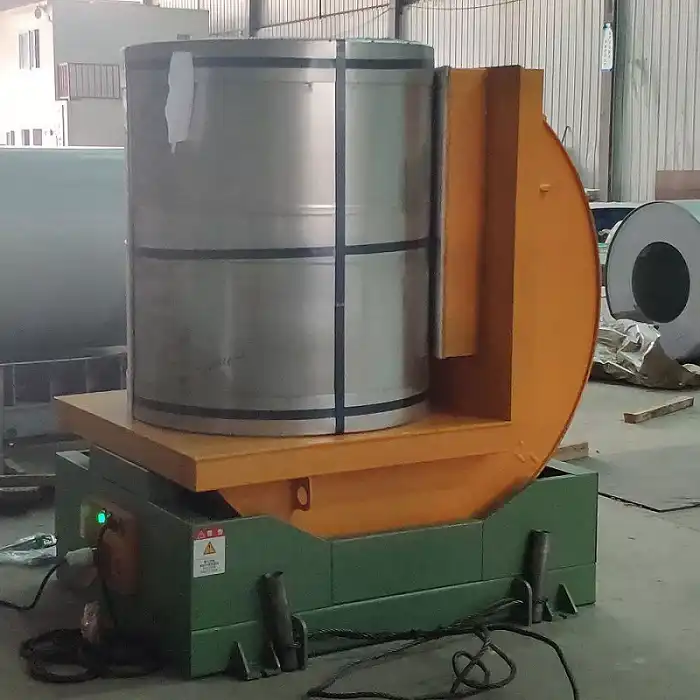
As someone who built a packing machine factory from the ground up, I understand the pressure to keep things moving. The challenges Michael Chen faces in his Mexican plant—efficiency, safety, cost—are universal. Let’s dive deeper into how real-time diagnostics help engineers, especially our counterparts in Italy, overcome these exact hurdles. These systems ensure their upenders are always running at peak performance.
Do Real-Time Diagnostics Truly Improve Upender Efficiency?
Manual processes and unexpected breakdowns kill efficiency. Michael Chen told me his manual packing processes slow everything down. An upender failure adds to this bottleneck. Think about the time lost when your team has to manually inspect equipment. Or worse, think about when a machine breaks down without warning. This is not just frustrating. It drains profits and wastes valuable production time. Real-time diagnostics offer a way out. They move us from reactive fixes to proactive maintenance. This means less downtime and a smoother flow of work. It directly boosts your plant’s overall efficiency.
Yes, real-time diagnostics significantly improve upender efficiency by preventing unexpected breakdowns. Sensors constantly monitor the machine’s health. They detect early signs of wear or malfunction. This allows maintenance teams to schedule repairs during planned downtime. They do not have to stop production when it is in full swing. This proactive approach ensures consistent operation and maximum throughput.
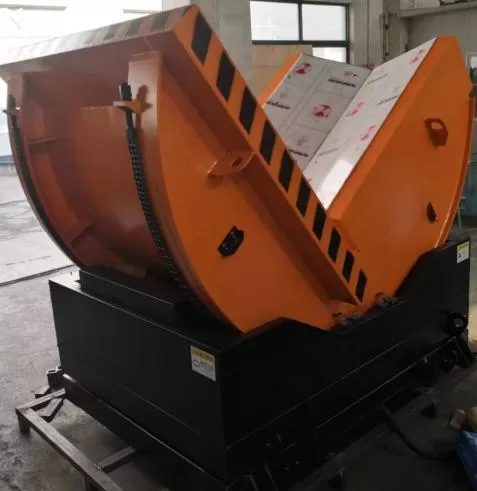
Real-time diagnostics act as a continuous health check for your upender. They provide a constant stream of information about its operational status. This information is like a doctor’s report. It tells you exactly what is happening inside the machine. For instance, temperature sensors can detect if a motor is overheating. This often points to a coming mechanical failure. Pressure sensors monitor the hydraulic system. They can show if there are leaks or blockages. Vibration sensors might indicate worn bearings or misalignment. All this data flows back to a central system. This system analyzes the data in real-time. It then alerts engineers to potential issues. This happens before a small problem becomes a major breakdown. This shifts the maintenance strategy from reactive to predictive. You no longer wait for a machine to fail. You predict when it might fail and act beforehand.
Preventing Unplanned Downtime
Unplanned downtime is very expensive. It stops production, wastes labor, and delays orders. Real-time diagnostics help avoid this. They flag issues early. This allows maintenance teams to fix problems during scheduled breaks. They can also do it outside production hours. This keeps the production line running smoothly.
| Diagnostic Data Point | Potential Issue Detected | Impact on Efficiency |
|---|---|---|
| Motor Temperature | Overheating, bearing wear | Reduced lifespan, sudden failure |
| Hydraulic Pressure | Leaks, pump issues | Slow operation, power loss |
| Vibration Analysis | Misalignment, worn parts | Increased wear, noise, failure |
| Cycle Time Analysis | Slowdowns, friction | Reduced throughput |
Italian engineers, operating in a highly competitive manufacturing landscape, use this technology to great effect. They cannot afford production interruptions. Their goal is precision and continuous output. By monitoring key parameters, they can anticipate failures. They can order parts in advance. They can schedule maintenance without disrupting the entire factory. This not only saves money but also improves delivery times. It keeps customers happy. My experience in building and running a packing machine factory showed me how crucial this proactive approach is. You learn quickly that every minute of planned maintenance saves hours of unplanned chaos. It is about control and foresight in your operations.
Can Real-Time Monitoring Reduce Upender Safety Risks?
Safety is paramount, especially with heavy machinery. Manual handling of heavy coils or flipping them poses serious injury risks. Michael highlighted how high injury rates impact his insurance costs and employee retention. One accident can halt operations. It can lead to investigations. It can badly damage morale. Workers should not risk injury just to move heavy parts. Real-time monitoring systems enhance safety by reducing human interaction with dangerous parts. They provide alerts for abnormal operations. This prevents catastrophic failures and keeps workers out of harm’s way.
Real-time monitoring significantly reduces upender safety risks. It flags dangerous conditions immediately. These conditions include overheating motors, pressure spikes, or unstable loads. This allows operators to stop the machine or take corrective action before an incident occurs. By automating fault detection, it minimizes the need for manual inspections in hazardous areas. It also reduces the chance of worker injury from unexpected machine failures.
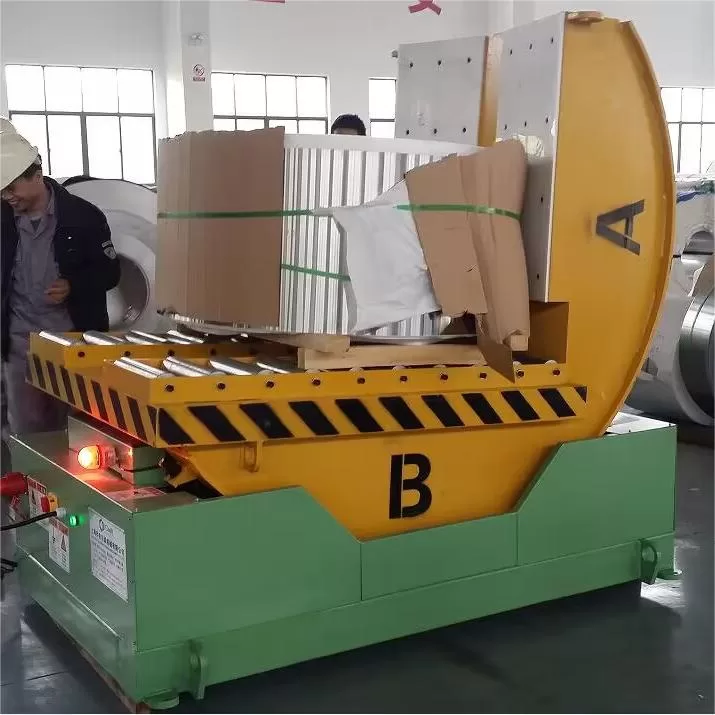
Safety is a top priority in any factory. In my years running a packing machine business, I saw firsthand the dangers of manual processes and faulty equipment. Upenders handle very heavy loads. They involve powerful hydraulic or mechanical systems. A failure can lead to severe injuries or even fatalities. Real-time monitoring adds a critical layer of protection. It constantly checks for conditions that could lead to an accident. For example, if a tilt mechanism starts to malfunction, the system detects this anomaly immediately. It can then trigger an emergency stop. This prevents the heavy coil from falling or shifting unexpectedly. It warns operators before they enter a hazardous zone.
Reducing Human Exposure to Hazards
Many safety incidents happen when workers interact directly with dangerous machinery. This includes inspecting parts, manually adjusting components, or clearing jams. Real-time diagnostics reduce the need for these hazardous interactions. They provide remote insights. This means operators and maintenance staff can assess the situation from a safe distance. They only approach the machine when it is fully shut down and secured.
| Safety Feature | How It Works | Safety Benefit |
|---|---|---|
| Abnormal Load Detection | Sensors detect unbalanced or excessive weight | Prevents tipping, structural failure, worker injury |
| Overheat Protection | Temperature sensors shut down faulty components | Reduces fire risk, protects operators |
| Hydraulic Leak Detection | Pressure drops indicate leaks | Prevents loss of control, fluid spills |
| Emergency Stop Integration | System automatically triggers E-stop on fault | Immediate shutdown, prevents accidents |
For Italian engineers, adherence to strict safety standards is a legal requirement and a moral obligation. Real-time upender diagnostics help them meet these standards. They provide auditable data logs of machine health and responses to alerts. This transparency is vital for compliance. It also shows a commitment to worker well-being. Knowing that your equipment is constantly monitored for safety builds trust. It makes employees feel safer. This leads to better morale and lower employee turnover. It also reduces insurance costs. These are real, tangible benefits for any factory, just like Michael Chen looks for.
How Do Diagnostics Help Prevent Product Damage during Upending?
Product damage is a hidden cost. Michael mentioned damaged coil edges during internal transport and packing. This led to customer complaints and profit loss. Every damaged product is money down the drain. It hurts your reputation. It makes customers unhappy. In industries handling heavy, valuable materials, even minor damage adds up fast. Real-time diagnostics help by ensuring the upender operates within optimal parameters. They prevent jerky movements, improper positioning, or excessive force. These issues can damage delicate materials.
Diagnostics prevent product damage by ensuring smooth, precise upender operation. They monitor parameters like lifting speed, tilt angle, and clamping force. If any of these deviate, the system flags it. This prevents rough handling that could dent or scratch coils. This precise control means products are handled gently. It reduces waste and improves product quality for customers.
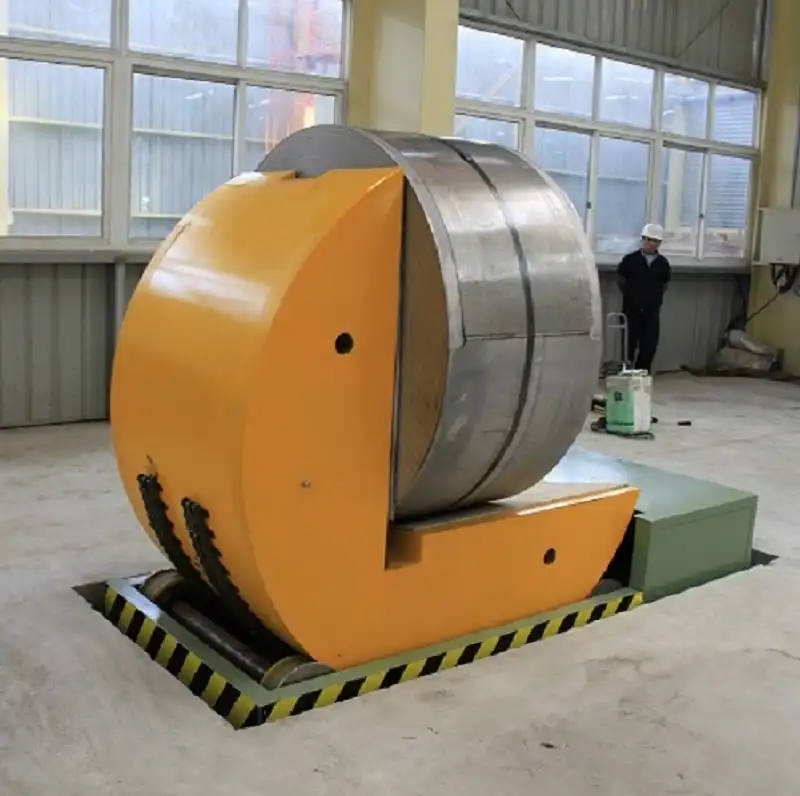
Protecting the integrity of finished products is crucial. In my factory, we learned that even a small scratch or dent on a coil can lead to customer rejection. This means wasted effort, materials, and money. Upenders lift and rotate heavy, often delicate, materials like steel coils or wire bundles. Any sudden jolt, incorrect alignment, or excessive force can cause significant damage. Real-time diagnostics provide the precision needed to avoid this. They monitor the upender’s movements and forces with extreme accuracy. Sensors can track the exact tilt angle. They measure the speed of rotation. They also monitor the clamping pressure applied to the coil.
Precise Control for Damage Prevention
If the upender’s movement becomes erratic or too fast, the system detects it. It can then automatically adjust the speed. It can also alert the operator. This ensures a smooth, controlled operation every time. This precision prevents impacts or scraping that could damage the product’s surface or edges. It is like having a watchful eye on every single movement. This ensures maximum care for your valuable products.
| Diagnostic Parameter | Risk of Damage Prevented | Resulting Benefit |
|---|---|---|
| Tilt Angle Accuracy | Uneven loads, dropping | Consistent, safe material handling |
| Rotation Speed Control | Jerky movements, impact damage | Smooth operation, no surface abrasions |
| Clamping Force Monitoring | Over-clamping, under-clamping | Prevents deformation, ensures secure grip |
| Vibration Detection | Internal component wear leading to rough handling | Reduced product shaking, better quality |
Engineers, particularly in high-value industries like metal processing, know the cost of scrap. They want to eliminate it. Real-time diagnostics help them achieve this by providing data-driven insights into handling procedures. This data allows for continuous improvement of the upending process. It ensures maximum product quality. Less product damage means fewer customer complaints. It means fewer returns. It also means increased profit margins. This directly impacts the bottom line, which is a key goal for any factory manager like Michael. It makes perfect business sense to invest in systems that protect your product.
My Insights: Beyond Diagnostics, Building Trust and Value?
Michael’s biggest challenge was finding a trusted partner, not just a seller. He faced a “supplier trust crisis” from vendors. These vendors focused only on sales. They had poor after-sales service. It is easy to buy a machine. But it is much harder to find a supplier who truly understands your operations, your pain points. It is also hard to find one who stands by their product long after the sale. My journey from an employee to owning a packing machine factory taught me something vital. True partnership is about solving problems, not just selling boxes. This means offering deep industry knowledge and unwavering support. This is especially true when implementing advanced systems like real-time diagnostics.
For me, real-time diagnostics are more than just a feature. They are a bridge to true partnership. They show a supplier’s commitment to your uptime and success. A good partner does not just provide data. They help you interpret it. They help you use it to improve your bottom line. My focus at FHOPEPACK is to share the knowledge and experience gained from years in the packing industry. This ensures our clients receive not just equipment but complete solutions and trusted guidance.
My path in the packing machine industry started as an employee. I learned the craft from the ground up. Later, I built my own factory. This journey taught me that equipment is just one part of the solution. The real value comes from the expertise and support that stands behind it. Michael Chen’s concern about “supplier trust crisis” really resonated with me. I have seen it many times. Companies buy expensive machinery only to be left without proper support or understanding of how to maximize its potential. At FHOPEPACK, we believe in a different approach. We aim to be a knowledge-sharing platform first. We want to truly understand your challenges.
The Value of a Knowledge Partner
Real-time diagnostics are powerful tools. But their true potential is unlocked when you have a partner who can help you interpret the data. They should help you translate it into actionable improvements. This means more than just installing the system. It means providing training. It means offering ongoing consulting. It means helping you integrate the data into your existing factory management systems. Michael specifically wants a partner like me, someone with deep industry background. He wants someone who built a factory from experience. This is precisely what FHOPEPACK offers. We provide practical insights. We offer solutions born from real-world challenges.
| Partnership Aspect | FHOPEPACK’s Approach | Benefit to Client (like Michael) |
|---|---|---|
| Deep Industry Expertise | Years in packing machine design/factory ops | Solves specific production bottlenecks |
| Consultative Sales | Understands unique factory challenges | Tailored solutions, not just off-the-shelf |
| Ongoing Support | After-sales service, data interpretation | Maximizes ROI, ensures long-term performance |
| Problem-Solving Focus | Beyond equipment, addresses core issues | True business growth, reduced headaches |
For me, success is not just about a sale. It is about seeing my clients grow and achieve financial independence, just as I did. This is why I am dedicated to giving back. This is why I share my expertise. When you implement real-time diagnostics, you are not just buying sensors. You are investing in better control, higher safety, and improved efficiency. A trusted partner ensures this investment pays off. They help you leverage the technology to grow your business. This is the FHOPEPACK promise: to be your master in wrapping machine solutions and a reliable partner in your journey.
Conclusion
Real-time diagnostics empower engineers, boost efficiency, enhance safety, and protect products. Partnering with experts who understand your needs, like FHOPEPACK, ensures these technologies deliver maximum value and foster long-term success.








