

How do pricing differences between pallet inverter models impact ROI in bottling plants?
Many bottling plants struggle with inefficient pallet handling. They face high labor costs, frequent product damage, and safety risks. This directly impacts their bottom line. You want to make smart investments. You need solutions that bring real returns.
Pricing differences between pallet inverter models directly impact Return on Investment (ROI) in bottling plants. They reflect varying levels of automation, specific features, and build quality. These factors determine labor savings, damage reduction, operational efficiency, and overall long-term cost-effectiveness.
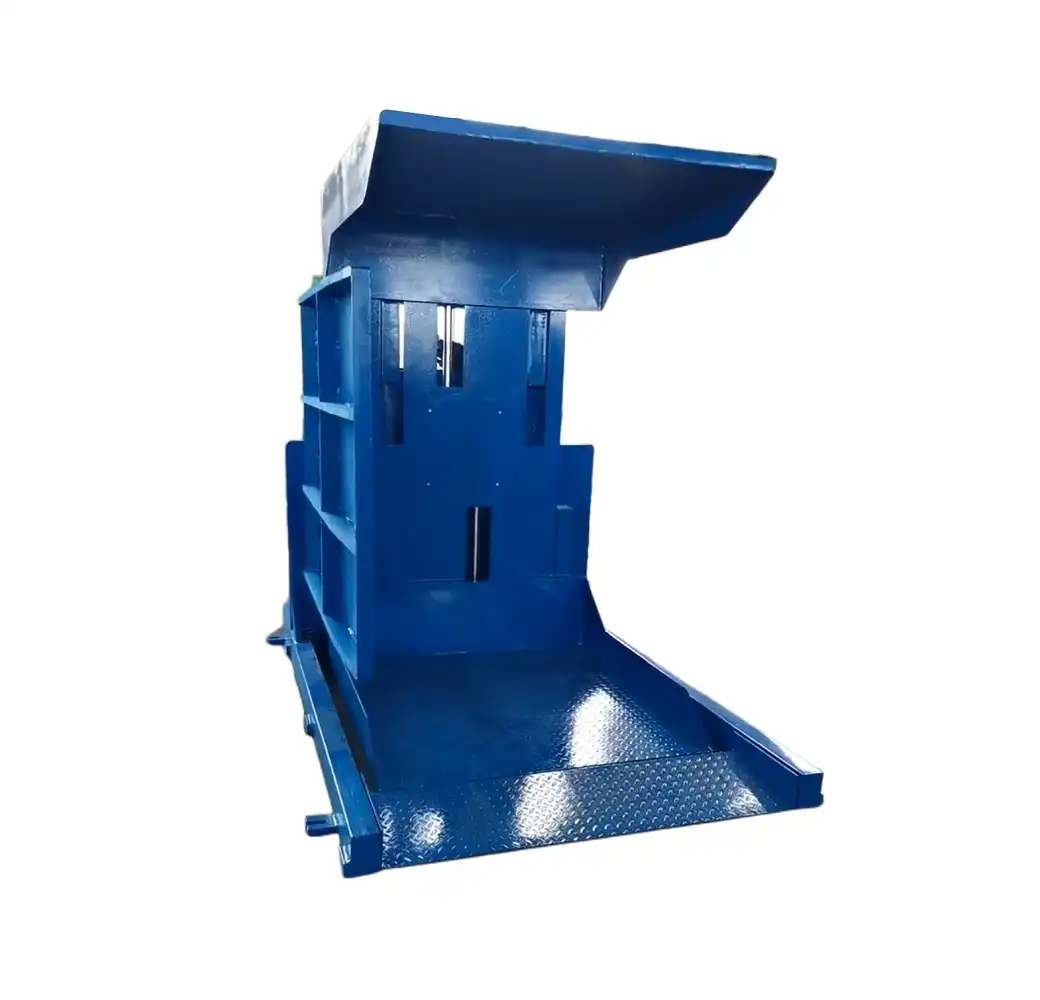

Understanding these pricing differences is key. It helps you make the best investment for your bottling operation. We will explore how different models and their costs affect your profitability. Let us dive into the details.
Understanding Pallet Inverter Models: What are the key types for bottling plants?
Choosing the right pallet inverter can feel overwhelming. There are many options available. Picking the wrong machine costs time and money. It can also create new problems in your plant. You need clarity on what works best.
Pallet inverters for bottling plants mainly come in three types: manual, semi-automatic, and fully automatic. Each type offers different levels of efficiency, safety, and integration into the production line. This directly influences both the initial investment and the long-term operational benefits.
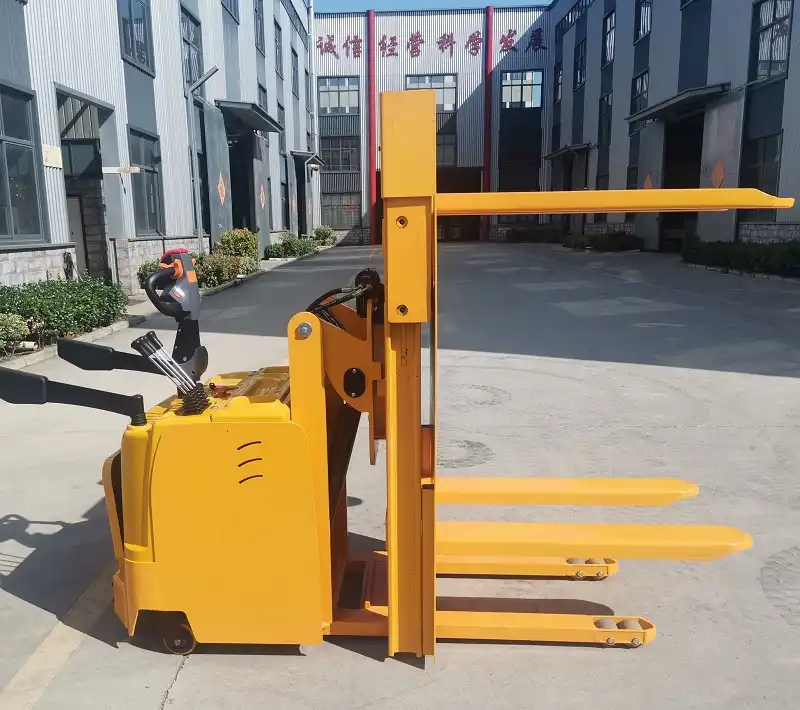

I have seen many plants make this choice. It is not just about the price tag. It is about fitting the machine to your specific needs. Let me break down the main types. This will help you understand their role in a bottling plant.
1. Manual Pallet Inverters: Simplicity and Basic Function
Manual pallet inverters are the most basic option. They require an operator to load and unload pallets. The machine then flips the pallet or load. These are typically the least expensive. They are good for operations with low volume. They also work well for very specific tasks. For example, you might use them for inspecting damaged goods. Or, you might use them for changing a single pallet type occasionally. I once visited a small brewery. They used a manual system. It helped them handle a few dozen pallets a week. It saved them from manual lifting, which was dangerous. However, it still needed constant human interaction. This means labor costs remain high. Safety still needs careful attention. But for a tight budget and low throughput, they can be a starting point. They offer a good way to enter into mechanizing this process without a large initial spend. They are simple to operate and maintain. This also adds to their appeal for smaller operations.
2. Semi-Automatic Pallet Inverters: Bridging the Gap
Semi-automatic pallet inverters offer a good balance. They cost more than manual units. They need less manual labor. An operator loads the pallet. The machine then performs the inversion or transfer automatically. Some models can even push the load off. These are ideal for medium-volume bottling plants. They handle a higher number of pallet changes than manual systems. They reduce physical strain on workers. This improves safety. I have seen semi-automatic machines improve efficiency a lot. One client had frequent issues with wooden splinters from old pallets. Their semi-automatic inverter made it easy to transfer bottles onto plastic pallets. This protected their products. It also sped up their export process. These machines are versatile. They can often handle different pallet sizes. This is important for plants shipping to various regions. For example, if you ship both Euro and US pallets. They reduce the risk of human error. They provide a step up in automation and safety. This is a noticeable improvement over fully manual handling.
3. Fully Automatic Pallet Inverters: High Efficiency and Integration
Fully automatic pallet inverters are the top tier. They integrate directly into conveyor lines. They require minimal human intervention. These machines handle pallet changes at very high speeds. They are essential for large-scale bottling plants. They are also for those with high throughput demands. The initial cost is the highest. However, they offer the greatest savings in labor and the highest efficiency. They significantly reduce the risk of injury. They also minimize product damage. I worked with a major soft drink company. Their plant handled thousands of pallets daily. A fully automatic system was critical. It kept their production lines moving without bottlenecks. These systems can also include advanced features. They can have automatic pallet stackers. They can have dispensers for empty pallets. They can integrate with your Warehouse Management System (WMS). This provides seamless operation. For bottling, stainless steel construction is often standard. This ensures hygiene. This high level of automation directly tackles issues like labor shortages and tight delivery schedules. It secures your operational flow. It helps meet high customer demands.
Pricing Factors: What drives the cost differences between these models?
Pallet inverter prices vary greatly. This can be confusing. It is not just about the machine itself. Many hidden factors contribute to the final price. You want to understand what you are paying for.
Pricing differences in pallet inverters for bottling plants stem from various core factors. These include the level of automation, the quality of materials (like stainless steel for hygiene), operational speed, advanced safety features, customization needs, and integrated technologies. Each factor adds specific value and contributes to the overall initial investment.
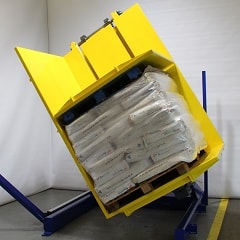

As an engineer, I have seen many companies try to cut corners. This often leads to bigger problems later. Let me explain the real drivers behind these price differences. This will help you make a more informed choice.
1. Automation Level and Throughput Capacity
The biggest price driver is the automation level. Manual machines are simplest. They are the cheapest. Semi-automatic models are next. They have more components and logic. Fully automatic systems are the most complex. They have motors, sensors, PLCs, and integration capabilities. These machines handle much higher volumes. They work faster. A bottling plant processing thousands of pallets daily needs high throughput. This requires robust automatic systems. Their higher speed and efficiency directly increase their manufacturing cost. For example, a system designed to handle 60 pallets per hour costs significantly more than one doing 10 per hour. This is because of stronger hydraulics, faster motors, and more advanced control systems. These components ensure the machine can sustain high-speed operation without breaking down. They also allow for smooth integration into existing high-speed production lines. This complexity and power demand a higher initial investment.
2. Material and Build Quality for Bottling Plants
Material quality is crucial, especially in bottling plants. Stainless steel construction is often a requirement. This is for hygiene standards. It prevents rust and contamination. Stainless steel costs more than standard painted steel. The overall build quality also matters. Heavy-duty frames and components last longer. They withstand constant use in tough environments. A machine built with thick steel, high-quality bearings, and industrial-grade motors will cost more. But it will also provide greater reliability. It will have a longer lifespan. I have seen plants try to save money on initial purchase. They buy machines made with cheaper materials. They then pay double in maintenance or breakdowns. In a bottling plant, a machine failure can mean a full line stop. This leads to massive losses. So, investing in high-quality materials and construction is not an option. It is a necessity. It protects your product. It ensures continuous operation.
3. Safety Features and Industry Compliance
Modern pallet inverters include many safety features. These protect workers. They also protect products. Features like light curtains, safety interlocks, emergency stops, and load stabilization systems add to the cost. Compliance with international safety standards, like CE or OSHA, also impacts design and manufacturing. Bottling plants have strict safety protocols. They handle heavy loads and often glass bottles. So, robust safety measures are essential. Investing in a machine with advanced safety features reduces accident risks. This lowers insurance costs. It also prevents potential fines. More importantly, it ensures employee well-being. A machine that prevents even one serious injury quickly justifies its higher price. It shows a commitment to safety. This is a critical factor for any responsible manager. It reflects a brand’s dedication to its workforce and product integrity.
4. Customization and Integration Capabilities
Standard pallet inverters meet general needs. But many bottling plants have unique requirements. They might have unusual pallet sizes. They might have specific load configurations. They might need seamless integration into existing conveyor systems. Customization adds to the cost. This includes designing specific clamping mechanisms. It also includes adapting the machine’s footprint. Full integration with a plant’s automation system (like a WMS) also requires custom programming and hardware. This adds complexity and cost. However, a customized solution fits perfectly into your operation. It maximizes efficiency. It minimizes manual adjustments. For plants needing to switch between Euro pallets and US pallets frequently, a highly adaptable machine might be a custom solution. This is not just a purchase. It is a tailored solution for your specific operational challenges.
5. Supplier Reputation and After-Sales Support
The brand name and the quality of after-sales support also affect pricing. Reputable manufacturers invest in research and development. They provide reliable products. They offer extensive warranties. They have responsive technical support teams. They ensure spare parts availability. A lower-priced machine from an unknown supplier might seem attractive. But it could lead to higher long-term costs. You might face frequent breakdowns. You might have difficulty getting parts. You might experience poor service. A good supplier acts as a partner. They provide ongoing support. They help maintain uptime. This is invaluable in a high-volume environment like a bottling plant. I always advise clients to consider the total support package. This includes installation, training, and maintenance contracts. This ensures smooth operation and peace of mind.
ROI Calculation: How do different pallet inverter prices translate into actual savings for bottling plants?
You see the price tag on a pallet inverter. It might look high. But what about the money it saves you over time? This is the core of Return on Investment. You need to know how spending here comes back to you.
Different pallet inverter prices in bottling plants directly influence ROI through varied labor cost reductions, decreased product damage, enhanced safety, and improved operational speed. While higher-priced automatic models have a greater initial outlay, they often yield faster and more substantial returns in high-volume settings due to their efficiency and reduced operational risks.
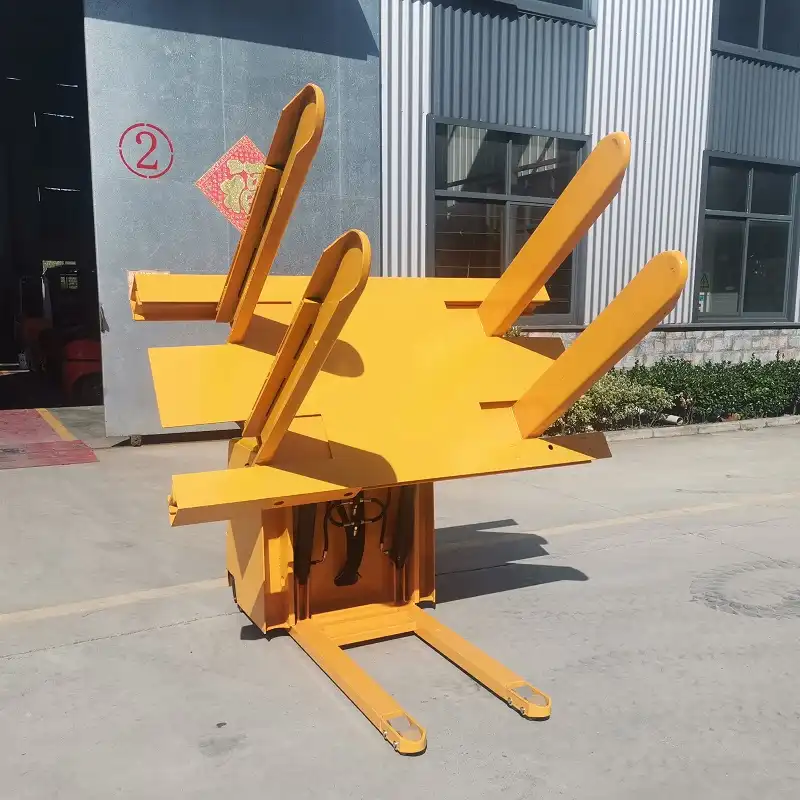

I remember a client who initially balked at the price of an automatic system. But once we broke down the numbers, they saw the clear benefits. It is all about looking beyond the sticker price. It is about understanding the full economic picture.
1. Labor Cost Reduction: A Direct Impact
Labor costs are a huge expense for bottling plants. Manual pallet changing often needs two or more workers. These workers spend hours each day on this task. An automatic pallet inverter can reduce this to one operator monitoring the system. Or, it might even require no dedicated operator at all. Think about the hourly wages, benefits, and overhead for those workers. Replacing two full-time employees can save hundreds of thousands of dollars per year. Even a semi-automatic system reduces the physical demand. This frees up workers for other tasks. For example, if two employees earning $20/hour each spend 4 hours a day on pallet changes, that’s $160 per day, or over $40,000 annually. An automatic system that handles this for a fraction of that cost, or with existing staff, offers immediate and substantial savings. This is a clear, measurable impact on your operational budget. The more labor-intensive your current process, the faster the ROI on automation will be. This is especially true given current labor shortages and rising wages.
2. Reduced Product Damage: Protecting Your Goods
Bottling plants handle delicate products. Bottles can break. Liquids can spill. Manual pallet changes increase the risk of product damage. Workers might drop cases. Pallets might shift during manual inversion. Each damaged bottle or case represents a direct loss. It also costs money for cleanup and disposal. An automatic pallet inverter handles loads gently. It uses controlled movements. It minimizes the chance of breakage or spillage. For example, if a plant processes 10,000 pallets a month. If just 0.5% of those loads incur minor damage costing $50 each due to manual handling. That is $2,500 in losses per month, or $30,000 per year. An automatic system significantly reduces this percentage. It turns potential losses into savings. This is a critical factor for bottling plants. It maintains product quality and integrity. It also reduces waste and enhances your brand’s reputation.
3. Improved Safety and Compliance: Beyond Monetary Savings
Safety is paramount. Manual handling of heavy pallet loads carries significant risks. Workers can suffer back injuries. They can get crushed by falling loads. They can experience repetitive strain injuries. These accidents lead to medical costs, workers’ compensation claims, and potential lawsuits. They also lead to lost productivity. An automatic pallet inverter eliminates most of these manual risks. It reduces the need for workers to physically manipulate heavy loads. This creates a safer work environment. This not only saves money on direct accident costs. It also lowers insurance premiums. It improves employee morale. For example, avoiding just one major injury can save tens of thousands of dollars. It protects your most valuable asset: your people. This is an ROI that goes beyond simple dollars and cents. It is about responsible business practice and a healthy workplace culture.
4. Increased Throughput and Efficiency: Meeting Demand
Bottling plants often face tight deadlines. They have high production volumes. Slow pallet changes create bottlenecks. They delay shipments. This can lead to contract penalties. It can also lead to lost customers. An automatic pallet inverter operates much faster than manual methods. It keeps products flowing smoothly. This speeds up your entire logistics chain. Faster throughput means you can process more orders. You can meet tighter delivery schedules. This directly improves customer satisfaction. It also opens up opportunities for increased sales. For example, if a manual process takes 10 minutes per pallet, but an automatic one takes 2 minutes. That is a massive difference in daily capacity. Over a year, this translates to significantly more pallets handled. This boosts overall revenue potential. It helps your plant stay competitive in a demanding market. It makes your operations more agile.
5. Energy Consumption and Maintenance: Long-Term Operational Costs
When calculating ROI, consider ongoing costs. This includes energy consumption and maintenance. Automatic pallet inverters use electricity. But newer models are often energy-efficient. They use smart controls. They only operate when needed. Manual systems have no energy cost. However, their labor cost is far higher. Maintenance costs vary by model and quality. A higher-priced, well-built machine might have lower maintenance costs over its lifespan. It will also have less downtime. Downtime means lost production. It means lost revenue. So, while a cheaper machine might have a lower purchase price, its total cost of ownership (TCO) might be higher. This is due to more frequent repairs, higher energy usage, or less efficient operation. It is important to factor in all these variables when comparing machines. Look at the total picture, not just the upfront cost.
Strategic Investment: Why is choosing the right pallet inverter a long-term partnership, not just a purchase?
Many suppliers simply want to sell a machine. But a cheap machine can cost you far more in the long run. You need a solution that evolves with your business. You need a partner, not just a vendor.
Choosing a pallet inverter for bottling plants is a strategic long-term investment. The right partner offers ongoing support, scalable solutions, and adaptable technology. This ensures sustained operational efficiency and maximizes ROI far beyond the initial purchase price. It builds a foundation for future growth and reliability.

At FHOPEPACK, we believe in this philosophy. My journey in the packing machine industry taught me this. Building strong relationships with clients delivers the best results. Let me explain why this matters for your bottling plant.
1. Adaptability to Future Needs and Pallet Diversity
Your bottling plant’s needs can change. New products might require different pallet types. Or, you might expand into new export markets. These markets might have different pallet standards. For example, switching between Euro pallets and US pallets. A strategically chosen pallet inverter is adaptable. It can handle various pallet sizes and types. This protects your investment. It ensures the machine remains useful for years to come. A cheap, single-purpose machine might become obsolete quickly. This would force another costly purchase. A good partner understands this. They offer flexible solutions. They can configure machines to accommodate future changes. This means less worry for you down the road. It also means greater operational agility.
2. After-Sales Support and Maintenance: Ensuring Uptime
Even the best machines need service. After-sales support is critical for uptime. This includes fast response times for breakdowns. It also includes easy access to spare parts. It includes regular maintenance services. A reliable supplier provides excellent support. They have trained technicians. They understand the urgency in a bottling plant environment. A machine sitting idle costs money every minute. A supplier who offers comprehensive service contracts gives you peace of mind. This is a critical part of the total cost of ownership. It ensures your investment keeps delivering value. It minimizes disruptive downtime. I have seen plants suffer greatly when they could not get parts or service. This made their initial “savings” evaporate quickly.
3. Scalability and Customization: Growing with Your Business
As your bottling plant grows, your automation needs will change. You might increase production volume. You might add new product lines. A good partner offers scalable solutions. They can upgrade existing systems. They can integrate new machines seamlessly. They also provide customization. This ensures the pallet inverter fits your specific plant layout. It meets your unique operational challenges. For example, if you need a machine that can be easily moved between different lines. Or, if you need one that handles very specific bottle types without damage. A partner can tailor these solutions. This prevents you from being locked into a rigid system. It allows your equipment to evolve with your business needs.
4. Supplier Expertise and Trust: More Than Just a Seller
A trusted supplier brings more than just machines. They bring expertise. They understand the specific challenges of the bottling industry. This includes hygiene requirements. It includes delicate product handling. It includes high-volume demands. They can offer valuable advice. They can help optimize your entire packing process. This kind of partnership builds trust. It ensures you get the right solution, not just any solution. This expertise is invaluable. It saves you from costly mistakes. It helps you innovate. It is about having someone who truly understands your business goals. They work with you to achieve them. This collaboration can lead to long-term efficiency gains.
5. Total Cost of Ownership (TCO) vs. Initial Price: The Full Picture
Focusing only on the initial purchase price is a mistake. The Total Cost of Ownership (TCO) tells the real story. TCO includes the purchase price. It also includes installation costs. It includes energy consumption. It includes maintenance. It includes spare parts. It includes labor costs. It includes downtime losses. A cheaper machine might have higher TCO due to more breakdowns. It might have higher labor needs. It might have poor energy efficiency. A higher-priced machine might offer lower TCO over its lifespan. This is due to greater reliability. It has less need for repairs. It has lower labor requirements. Always calculate the TCO over five to ten years. This provides a clear financial picture. It reveals the true value of your investment. This approach helps you make financially sound decisions.
Conclusion
Evaluating pallet inverter pricing for bottling plants goes beyond initial cost. It involves understanding automation levels, build quality, and after-sales support. A strategic investment in the right pallet inverter maximizes ROI through labor savings, reduced damage, and improved efficiency, ensuring long-term operational success.












