
How Do Preventive Maintenance Strategies Ensure Reliability in German Upenders?
Are you a factory manager, perhaps like Michael in Mexico, constantly pushing for higher output and better safety? Do you worry about slow processes or unexpected machine breakdowns? These problems can stop production cold, waste time, and cost a lot of money. The pressure to keep things running smoothly is always there.
Preventive maintenance strategies make sure that German upenders stay reliable. These strategies involve regular checks, timely parts replacement, and constant monitoring. They stop small problems from becoming big failures. This helps factory operations avoid unexpected stops. It keeps machines working at their best over a long time.
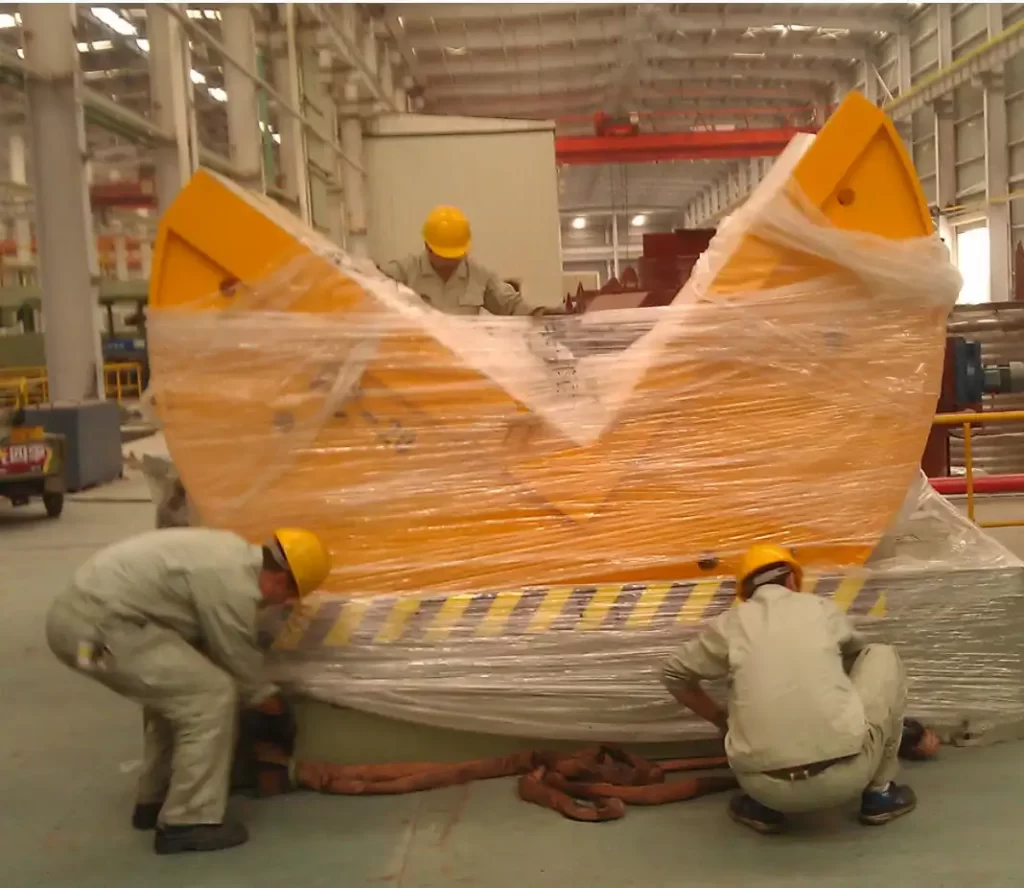
You want your equipment to work day in and day out without issues. You need solutions that understand your factory’s tough demands. Let’s look closer at how smart maintenance keeps your upenders, especially those known for German engineering, running perfectly. This can help you achieve your production goals.
Why is Preventive Maintenance Critical for German Upenders?
Have you ever faced a sudden machine breakdown? It ruins your production schedule. It leads to missed deadlines and unhappy customers. For factory managers, unexpected downtime is a nightmare. It creates huge losses.
Preventive maintenance is critical for German upenders because it avoids these costly surprises. These machines are built for precision and long life. But they still need regular care. PM keeps all parts in top shape. It ensures they operate reliably day after day. This avoids sudden failures.

German upenders are known for their strong build and advanced engineering. They handle heavy loads like steel coils. This constant stress means that even the best machines need attention. From my time building and running a successful packing machine factory, I learned that ignoring maintenance is never a good idea. It always costs more in the long run. Michael Chen, a factory manager, knows this well. He has seen how manual handling causes delays and risks. He wants reliable equipment. PM is not just fixing things. It is about keeping them perfect. It helps avoid production bottlenecks. It keeps workers safe from injuries caused by manual handling of heavy items. It prevents damage to valuable products like coil edges. For any factory, like Michael’s metal processing plant, uptime is everything. PM guarantees that these high-quality machines deliver on their promise of performance. It keeps the factory running smoothly and safely.
Understanding the Cost of Neglect
Neglecting preventive maintenance has clear costs. It is more than just repair bills. It includes lost production time. It also includes higher worker injury risks. It causes product damage. Think about a metal processing plant. A small issue with an upender can stop the entire coil handling process. This creates a bottleneck. Workers might try to move heavy coils manually. This puts them at risk. From my experience, I have seen these situations lead to serious injuries. The factory then faces high insurance costs and staff turnover. When a machine breaks down, repairs are often urgent. This means higher costs for parts and labor. Sometimes, parts are not readily available. This makes downtime even longer.
Consider the example of product quality. Upenders move heavy coils. If the machine is not well-maintained, it can cause small impacts or drops. These can damage coil edges. This leads to customer complaints and financial losses. Michael Chen worries about product damage. He wants to avoid it. A properly maintained upender operates smoothly. It moves products safely. This keeps them in perfect condition. Preventive maintenance is an investment. It protects your operations. It protects your workers. It protects your products. It helps you save money in the long run.
How Do PM Strategies Prevent Costly Downtime and Accidents?
Do you constantly worry about your production line stopping? Are you concerned about workers getting hurt while moving heavy materials? These are real fears for factory managers. They affect productivity and safety.
Preventive maintenance strategies directly prevent costly downtime and accidents. They do this by finding and fixing small issues before they become major problems. Regular checks keep machines working. This means fewer unexpected stops. It means a safer workplace for everyone.

In my experience running a factory, I know that even a short pause in production hurts profits. Michael Chen, the factory manager, has faced this. His current manual processes are slow. They are also dangerous. Workers handle heavy items. This leads to high injury risks. He needs automated solutions. Upenders automate the lifting and turning of heavy coils. This removes the need for manual lifting. But these machines must be reliable. A strong PM plan for German upenders ensures this reliability. It means your machines are ready for heavy loads. They will not suddenly stop. This helps factories avoid the cost of lost production. It also avoids the cost of workplace accidents. This creates a safer environment for workers.
The Role of PM in Operational Continuity and Safety
Preventive maintenance plays a vital role in keeping operations smooth and workers safe. It is more than just fixing broken parts. It is about avoiding the breaks in the first place. For heavy industrial machines like upenders, this is very important. Imagine an upender that handles steel coils weighing many tons. If a hydraulic hose bursts or a bearing fails unexpectedly, the machine stops. This stops the entire production line. My own factory used machines like this. We learned that every minute of downtime costs money. A PM plan includes regular checks of these parts. It involves replacing them before they fail. This prevents sudden stops. It keeps the production line moving.
PM also greatly improves safety. Michael Chen is very concerned about worker safety. Manual handling of heavy coils is a major safety risk. Upenders automate this task. But a faulty upender can also be dangerous. It could drop a coil or tip unevenly. A PM program checks all safety features regularly. It inspects emergency stops, warning lights, and protective guards. It ensures they work correctly. This protects workers from harm. It prevents costly accidents. It lowers insurance premiums. It also makes workers feel safer. When workers feel safe, they are more productive. This helps improve employee morale and reduces turnover. PM is key to both productivity and a secure work environment.
What Are Key Steps in a Comprehensive Upender PM Program?
Do you feel unsure about how to properly care for your heavy industrial equipment? Is creating a maintenance plan a challenging task for your team? A structured approach is always best.
A comprehensive upender preventive maintenance program includes several key steps. These steps involve regular inspections, scheduled lubrication, timely part replacements, and performance testing. Following these steps ensures your upender remains in top working condition. This keeps it reliable for a long time.

From my experience, a good PM plan is like a blueprint for success. It takes the guesswork out of maintenance. For German upenders, which are precision machines, these steps are even more important. They ensure the machine operates with the accuracy it was designed for. Michael Chen wants reliable equipment. He needs to know what steps to take. This detailed approach stops small issues from growing. It keeps the upender running efficiently. It also protects your investment.
Core Components of an Effective PM Schedule
An effective preventive maintenance program for an upender involves structured and consistent actions. It needs a clear schedule. It also requires trained staff. Here are the core components:
1. Regular Visual Inspections:
Daily or weekly checks are the first line of defense.
- Purpose: To spot visible signs of wear, damage, or leaks early.
- What to look for:
- Oil leaks around hydraulic lines or cylinders.
- Cracks or deformation in the machine frame.
- Loose bolts or fasteners.
- Wear on moving parts like rollers, hinges, or pads.
- Proper function of safety guards and emergency stops.
- Unusual noises during operation.








