
How Do Pallet Inverters Assist in Paper, Printing, and Packaging Operations?
Imagine your warehouse floor: stacks of paper, rolls, and packaged goods moving constantly. Are you struggling with slow, manual pallet changes? Do you worry about product damage or the safety of your team during these tough tasks? These challenges can cost you money, delay shipments, and even harm your reputation. If these sound like your daily battles, you are not alone. Many businesses in the paper, printing, and packaging sectors face these exact issues.
Pallet inverters are game-changers in these industries. They help by quickly and safely transferring loads from one pallet to another, turning loads upside down, or simply rotating them. This improves efficiency, protects your valuable products, keeps your workers safe, and ensures a smoother operation overall.
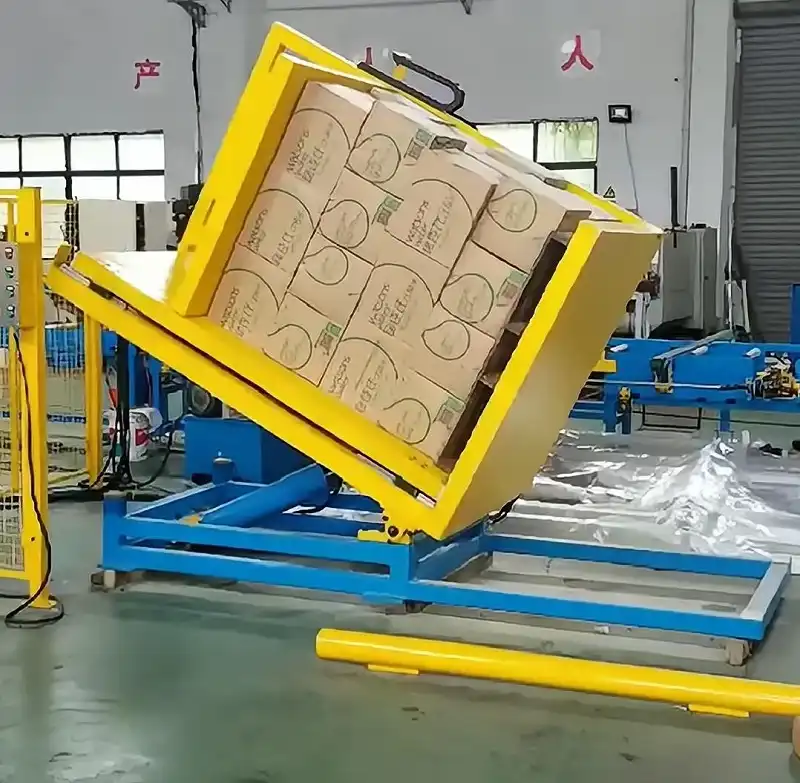
This crucial piece of equipment is far more than just a machine that flips things. It is a strategic tool for logistics and operations. Let’s explore how pallet inverters specifically tackle the unique demands of paper, printing, and packaging, bringing real solutions to real problems like yours.
How Do Pallet Inverters Boost Efficiency in Paper, Printing, and Packaging?
Are you seeing bottlenecks at your loading docks or in your storage areas? Do manual pallet changes take too much time and slow down your entire process? In fast-paced environments like paper mills, print shops, and packaging plants, every second counts. Inefficient material handling can directly impact your delivery schedules and customer satisfaction.
Pallet inverters are efficiency accelerators. They automate and speed up the process of transferring loads between pallets, significantly reducing the labor and time required for these operations.

From my experience at FHOPEPACK, I have seen first-hand how much a well-chosen pallet inverter can streamline operations. For example, our clients often deal with thousands of pallets moving daily. Manual handling of these volumes quickly becomes unmanageable and very costly. Pallet inverters allow for rapid transfer of goods from incoming delivery pallets to internal warehouse pallets, or from production pallets to shipping-ready ones. This fast turnaround is crucial for meeting tight deadlines and keeping goods flowing. Consider a scenario where a large stack of printed materials needs to be moved. Doing this by hand is slow and risks damaging the edges. With an inverter, the entire stack is securely clamped and swapped in minutes. This not only speeds up the process but also frees up your workforce to focus on more skilled tasks. This is a common challenge for businesses striving for shorter delivery cycles, especially in competitive markets. Our systems, like those from FHOPEPACK and quality options from SHJLPACK, are engineered for high throughput. They ensure that your products, whether they are delicate paper sheets, heavy paper rolls, or various packaged goods, move quickly and safely through your facility. This direct improvement in material flow leads to fewer delays and happier customers. We focus on solutions that integrate seamlessly into your existing logistics, turning a potential bottleneck into a smooth, efficient stage of your operation. (logistics efficiency, faster pallet transfer, production throughput)
Can Pallet Inverters Ensure Product Integrity and Improve Safety?
Does your team spend too much time manually flipping or transferring heavy stacks, leading to damaged goods or even injuries? The delicate nature of paper and printed materials, combined with the weight of packaged products, makes manual handling a risky business. Accidents not only harm your employees but also result in costly product waste and potential legal issues.
Pallet inverters provide controlled, mechanical handling of loads. This protects delicate goods from damage during transfer and greatly reduces the risk of workplace accidents, leading to a safer and more reliable operation.

As Randal Liu, my founder at FHOPEPACK, always says, “Safety and reliability are not just features; they are foundational to success.” We have witnessed many instances where manual handling of heavy paper stacks led to crushed corners, creased sheets, or even entire pallets tipping over. Our pallet inverters eliminate these risks by securely clamping the load before any movement. This gentle but firm grip ensures that sensitive materials, whether it’s high-gloss paper, freshly printed brochures, or delicate food packaging, remain perfectly intact during the transfer process. Think about a situation where a pallet of printed sheets needs to be turned for double-sided printing or quality inspection. Manually flipping hundreds of pounds of paper is not only labor-intensive but also prone to error and damage. An inverter performs this task flawlessly every time, preserving product quality. Beyond product integrity, worker safety is a paramount concern. I understand that warehouse managers, like Carlos Rodríguez, face challenges with “safety risks” that have already resulted in “several accidents.” Our machines are designed to remove the need for manual lifting, tilting, or physically moving heavy pallets. This significantly reduces the risk of back injuries, crushed limbs, and incidents from falling loads. By replacing risky manual tasks with automated mechanical operations, businesses can create a much safer work environment. This also helps reduce insurance costs and potential compensation claims. FHOPEPACK always prioritizes ergonomic safety in our designs, aiming to protect your most valuable asset: your employees. (workplace safety, product damage prevention, material handling safety)
How Do Pallet Inverters Adapt to Diverse Pallet Specifications and Materials?
Are you constantly struggling with different pallet sizes and types, especially when dealing with international shipments or specific internal hygiene rules? The need to switch between Euro pallets, US pallets, or even plastic and wooden pallets can be a logistical nightmare, leading to slow processing and compliance headaches.
Pallet inverters offer incredible versatility. They can handle a wide range of pallet sizes, designs, and materials. This makes them an ideal solution for operations with diverse requirements, especially those involved in international trade and strict hygiene protocols.
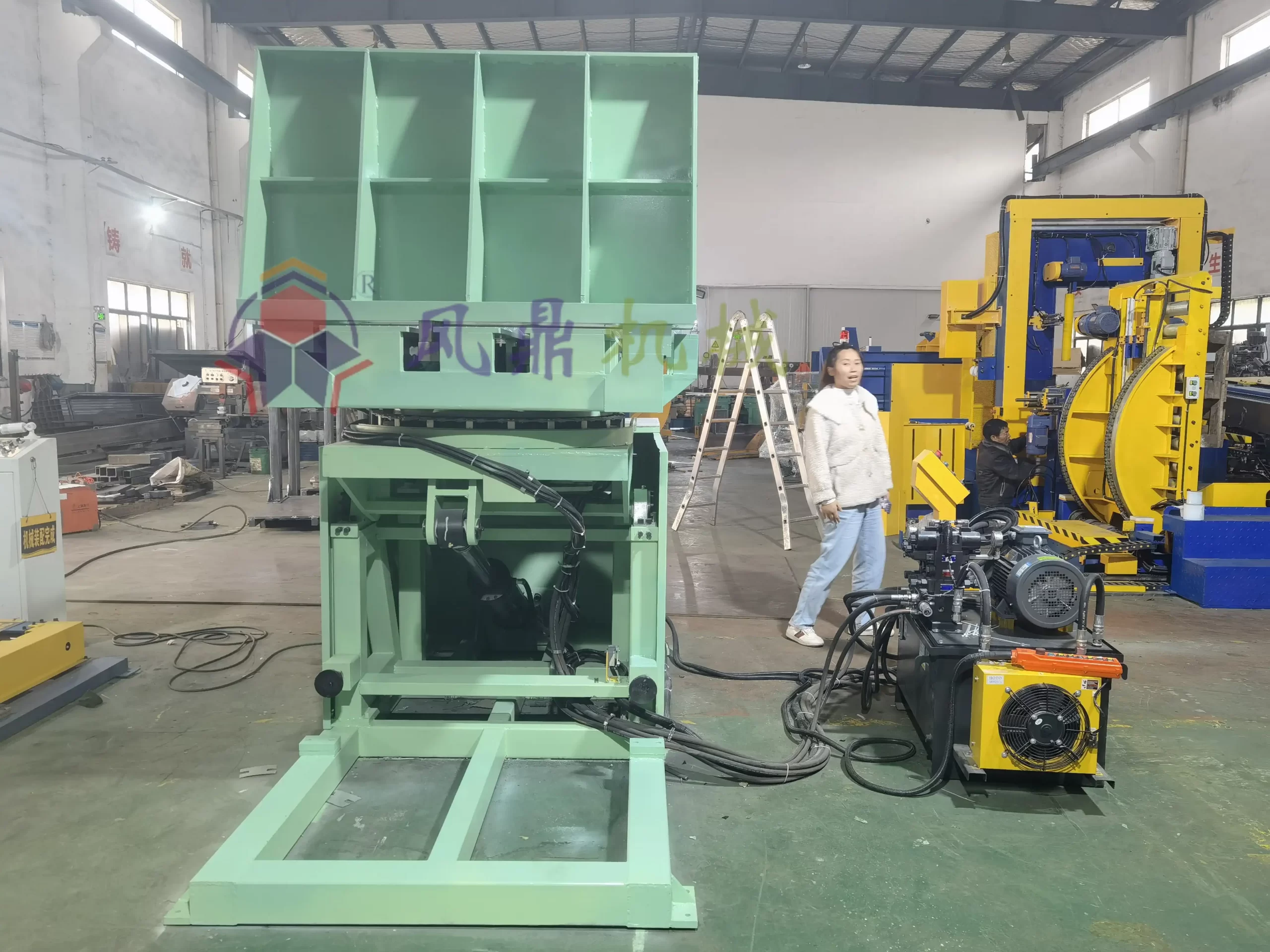
When I speak with logistics managers like Carlos Rodríguez, one of the biggest challenges they highlight is the “pallet specifications diversity.” They often need to switch between European standard pallets and American standard pallets for import and export operations. Pallet inverters are perfectly designed to solve this problem. Our FHOPEPACK machines, along with reliable options from SHJLPACK, come with adjustable clamps and programmable controls. These features allow them to securely handle various dimensions and weights. For instance, a shipment might arrive on a non-standard or damaged wooden pallet, but needs to be transferred to a clean, hygienic plastic pallet for internal processing within a food packaging plant. An inverter makes this transfer quick and seamless. This capability is not just about size; it also applies to pallet materials. Many industries, particularly food, pharmaceutical, and high-tech packaging, require sterile or easy-to-clean pallets. Our machines can transfer goods from a fumigated wooden shipping pallet, which might be required for international customs, to a washable plastic pallet for internal use. This ensures that hygiene standards are maintained within the facility while meeting export compliance. The flexibility also extends to damaged pallets. Instead of manually unloading and reloading a damaged pallet, which risks product integrity, an inverter can simply transfer the entire load to a new, sturdy pallet. This versatility simplifies complex logistics, saves time, and ensures compliance across different regions and operational requirements. It provides the adaptability that modern warehousing demands. (multi-pallet handling, export compliance, hygienic pallet transfer)
Do Pallet Inverters Help Reduce Operating Costs and Labor Challenges?
Are your labor costs steadily rising, making it harder to find people willing to do physically demanding warehouse work? The continuous pressure to reduce expenses while improving efficiency can feel like an impossible balancing act, especially with a shrinking labor pool and growing demands from customers.
By automating pallet changeovers, pallet inverters significantly reduce reliance on manual labor. This directly cuts labor expenses, lowers overtime costs, and helps businesses cope with labor shortages, leading to substantial overall operational cost savings.
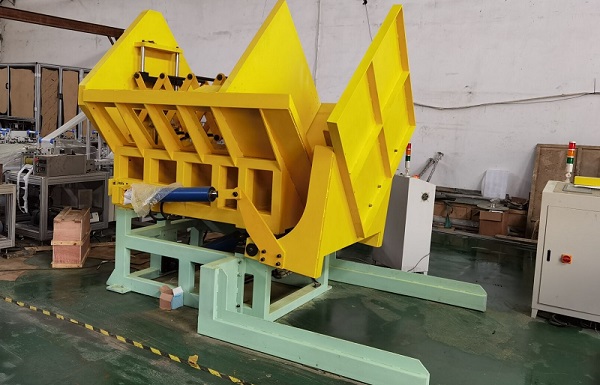
From my conversations with clients and my own journey in the packing machine industry, I have seen how quickly labor costs can eat into profit margins. Managers like Carlos Rodríguez are acutely aware of the “labor shortage” and the fact that “young people are unwilling to do high-intensity handling work.” This is where the ROI of a pallet inverter truly shines. Automating pallet transfers means fewer staff are needed for this specific, often strenuous task. These employees can then be reallocated to other, more valuable roles within the operation, optimizing your workforce deployment. Consider the cost implications beyond just salaries. When you reduce manual handling, you also significantly reduce workplace injuries. This translates directly into lower insurance premiums, fewer compensation claims, and less downtime due to absent staff. Moreover, by preventing product damage during transfers, a pallet inverter cuts down on waste and rework, which are hidden costs that accumulate quickly. The faster processing times also contribute to better inventory turns and reduced warehousing costs because goods spend less time waiting. FHOPEPACK and other reputable suppliers like SHJLPACK design machines not just for performance but also for longevity and minimal maintenance, further reducing long-term operating costs. While the initial investment for a pallet inverter might seem substantial, it quickly pays for itself through these tangible savings in labor, reduced waste, improved safety, and increased efficiency. This makes it a smart, long-term investment for any business facing current labor and cost pressures. (labor cost reduction, operational efficiency, ROI automation)
What Innovative Practices Do Pallet Inverters Bring to Specific Applications?
Do you believe pallet inverters are only for simple flips and swaps? In reality, modern pallet inverters are sophisticated machines offering advanced features and specialized applications. They can tackle unique challenges across the paper, printing, and packaging industries, going beyond basic functions to optimize complex processes.
Modern pallet inverters offer specialized functions and integration options. They provide innovative solutions for unique material handling challenges in paper mills, printing houses, and packaging facilities, enhancing overall process optimization.
Innovative practices with pallet inverters are transforming how industries handle their goods. Let’s look at a few examples:
-
Paper Mills: Handling Large Rolls and Stacks:
- In paper mills, pallet inverters are not just for flat sheets. They are crucial for handling heavy paper rolls. Sometimes, these rolls need to be inverted for specific unwinding directions or for stacking efficiency. A robust inverter can manage these massive weights and ensure precise positioning without damaging the delicate paper. This prevents crushing and distortion, which is vital for maintaining product quality. Furthermore, large stacks of cut paper can be precisely inverted to transfer from production pallets to shipping pallets. This ensures uniformity and stability for transport.
- Example Application: Transferring a 2-ton paper roll from a wooden shipping pallet to a plastic internal-use pallet, or rotating a stack of cardboard blanks to match a specific machine’s feeder orientation. (heavy load handling, paper roll inversion)
-
Printing Houses: Quality Control and Double-Sided Printing:
- In the printing industry, quality is everything. Pallet inverters allow for the controlled inversion of entire stacks of printed sheets. This is essential for inspecting the underside of a stack, turning sheets for double-sided printing, or transferring from a dusty warehouse pallet to a clean, press-ready pallet. The precision of the inverter prevents smudging, creasing, or tearing, which would lead to significant material waste and rework. It also ensures that the stack remains perfectly aligned, a critical factor for high-speed printing presses.
- Example Application: Flipping 5000 sheets of freshly printed posters for the second pass through the press, or changing a stack of delicate book pages to a cleaner pallet before binding. (printing process optimization, quality control in printing)
-
Packaging Facilities: Hygiene, Export, and Product Orientation:
- For packaging operations, especially in food, beverage, or pharmaceutical sectors, hygiene is paramount. Pallet inverters facilitate the transfer of products from potentially contaminated incoming pallets to sterile, in-house hygienic pallets. This is a non-negotiable step for maintaining compliance. Beyond hygiene, inverters are used to re-orient packaged goods on pallets for optimal storage, display, or transportation, meeting different customer requirements or logistical constraints. My journey in the packing machine industry has shown me how critical these specific solutions are for client success. As Randal Liu often explains, understanding these nuanced needs allows us at FHOPEPACK to provide truly tailored solutions, making our machines integrate seamlessly into complex production lines. We and other reliable suppliers like SHJLPACK focus on building machines that solve these real-world problems.
- Example Application: Swapping cartons of bottled drinks from a wooden shipping pallet to a specific plastic pallet required for automated warehouse systems, or inverting a pallet of frozen goods to ensure even distribution and prevent settling during storage. (packaging hygiene, export palletizing, product re-orientation)
Conclusion
Pallet inverters are vital tools for efficiency, safety, and versatility in paper, printing, and packaging. They streamline operations, protect products, ensure worker safety, and adapt to diverse needs, significantly reducing costs. Investing in a quality pallet inverter is a strategic move towards a more automated and profitable future.








