
How Do Pallet Flippers Fit Into a Lean Manufacturing Strategy?
When I talk to warehouse managers like Carlos, I often hear about the daily grind. You face constant pressure to move goods faster, cut costs, and ensure safety. It makes you wonder if there is a better way to do things, especially when managing diverse pallet types and a tight labor market.
Pallet flippers are essential tools for a lean manufacturing strategy because they directly attack waste, improve efficiency, enhance safety, and standardize operations within the supply chain. They streamline the critical process of changing pallets, reducing manual effort and potential errors. This directly supports the core principles of lean, leading to better overall operational flow and significant cost savings for businesses.
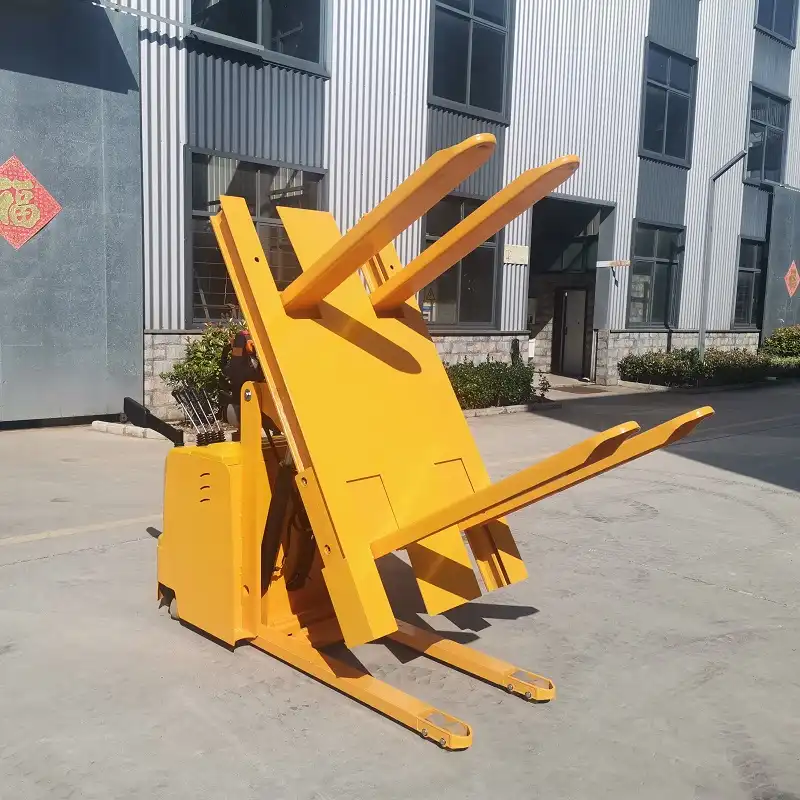
Understanding how these machines integrate into a lean system can change your entire outlook on warehouse operations. Let us explore the specifics of how pallet flippers can transform your process, making it more efficient, safer, and more cost-effective.
How Do Pallet Flippers Reduce Waste in Logistics?
You are probably familiar with the concept of “waste” in your operations, whether it is waiting time, unnecessary movement, or errors. These issues cost you money and slow down your entire process. The question is, can a simple machine truly tackle these big problems?
Pallet flippers reduce various forms of waste in logistics by automating the pallet transfer process. This includes cutting down on waiting times, minimizing unnecessary motion of goods and workers, preventing product damage (defects), and optimizing inventory flow. By addressing these non-value-added activities, pallet flippers directly align with lean principles, removing inefficiencies from your supply chain.
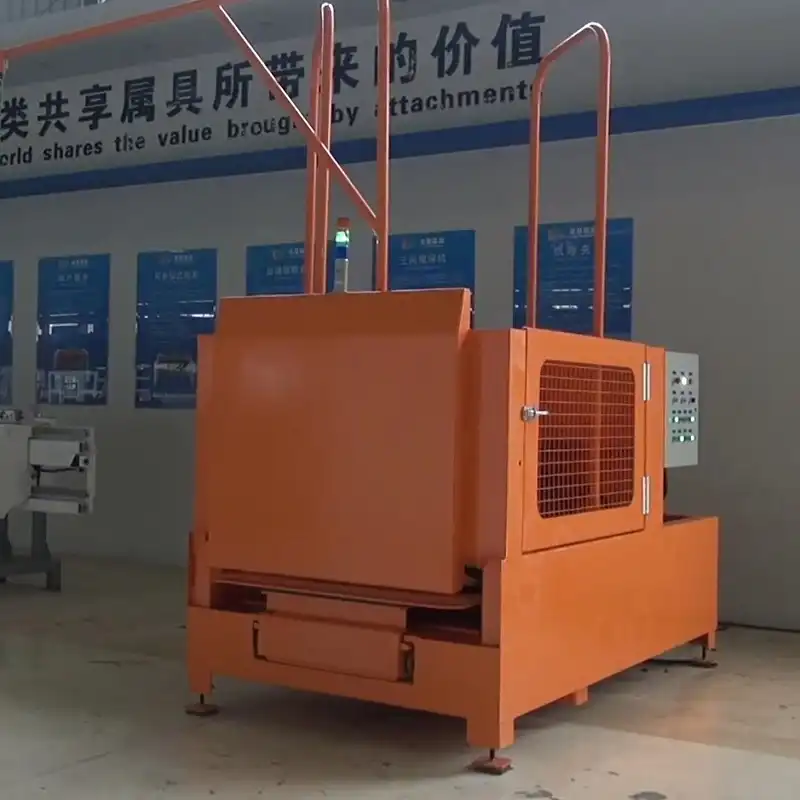
When I first started in the packing machine industry, I saw so much wasted effort. Workers spent hours manually handling pallets, which led to delays and damage. Pallet flippers directly address several key types of waste, known as “Muda” in lean manufacturing.
-
Eliminating Waiting Time (Muda of Waiting):
- Traditional manual pallet changes involve significant waiting. Forklift operators wait for manual workers. Manual workers wait for the right tools or clear space. This downtime stops the flow of goods.
- An automated pallet flipper can complete a pallet change cycle in minutes. This drastically reduces the time products spend idle between stages. It means your goods move through the warehouse much faster. For instance, in an export operation like Carlos’s, where different pallet standards are needed, minimizing this waiting time is critical to meeting tight shipping schedules. Faster processing leads to quicker dispatch.
-
Reducing Unnecessary Motion (Muda of Motion):
- Think about the steps involved in a manual pallet change. Workers bend, lift, twist, and walk back and forth. This is not only inefficient but also tiring and risky.
- A pallet flipper performs these actions mechanically. It does the heavy lifting and turning. This means fewer human movements. It also frees up your team members for higher-value tasks, like quality checks or order picking. The machine handles the physically demanding parts. This makes the job easier and faster for everyone involved.
-
Preventing Defects and Damage (Muda of Defects):
- Manual handling of heavy or fragile goods often leads to accidents. Products can fall. Pallets can break. This results in damaged inventory, rework, and customer complaints. I have seen it happen many times.
- Pallet flippers perform controlled, consistent movements. They secure the load during the transfer. This significantly reduces the risk of product damage. It ensures your goods arrive at the next stage or to the customer in perfect condition. This also cuts down on costly returns and replacements, protecting your bottom line.
-
Optimizing Inventory and Over-Processing (Muda of Inventory & Over-Processing):
- Sometimes, companies hold extra inventory as a buffer against slow or unreliable processes. Manual pallet changes can be one such bottleneck.
- By speeding up pallet transfer, flippers enable a more just-in-time approach. You do not need as much buffer stock waiting for processing. This frees up valuable warehouse space. It also reduces the need for “over-processing” – meaning excessive steps to compensate for inefficiencies. The process becomes simpler and more direct. (Lean waste reduction, efficient material flow)
Can Pallet Flippers Improve Workflow Efficiency?
Efficiency is about getting more done with less effort. In a busy distribution center, every minute counts. Manual pallet changes often create bottlenecks, slowing down the entire operation. So, can introducing a machine truly make your workflow smoother?
Pallet flippers significantly improve workflow efficiency by automating a critical and often time-consuming step in the logistics chain. They ensure a continuous, streamlined material flow, reduce processing times, and enable better integration with other automated systems. This leads to a more predictable and faster throughput, which is vital for meeting customer demands and supporting a just-in-time (JIT) manufacturing environment.

When I founded FHOPEPACK, my vision was always about making processes better and faster. Pallet flippers embody this by acting as a key component in optimizing your operational flow.
-
Streamlined Material Flow (Just-in-Time Principle):
- Lean manufacturing thrives on smooth, uninterrupted material flow. Manual pallet handling often disrupts this. It forces goods to stop and wait.
- Pallet flippers create a continuous flow. They handle pallet transfers quickly and consistently. This ensures products keep moving through your warehouse or production line without unnecessary pauses. For Carlos, managing thousands of pallets daily, this means less congestion and a faster journey from inbound to outbound. It supports a Just-in-Time (JIT) inventory system, where materials arrive and are processed exactly when needed.
-
Reduced Bottlenecks and Throughput Improvement:
- A bottleneck occurs when one part of a process slows down everything else. Manual pallet changes are frequent culprits. They can hold up entire shipping schedules.
- By automating this step, pallet flippers remove a common bottleneck. They speed up the cycle time for pallet changes. This means more pallets can be processed per hour or day. The result is improved throughput for your entire facility. Faster throughput directly translates to quicker order fulfillment and happier customers, especially for e-commerce and retail clients who demand rapid delivery.
-
Better Integration with Automation Systems:
- Modern warehouses are increasingly automated. Pallet flippers fit right into this trend. They can be integrated with conveyor systems, automated guided vehicles (AGVs), and warehouse management systems (WMS).
- This integration creates a seamless, end-to-end automated process. For example, a WMS can signal a pallet flipper to activate based on incoming orders or pallet type requirements. This minimizes human intervention. It ensures that the right pallet is used at the right time, every time. This level of automation is what companies like FHOPEPACK specialize in, helping our clients build truly smart warehouses.
-
Predictability and Consistency in Operations:
- Manual processes often suffer from variability. One worker might be faster or slower. Errors can occur. This makes it hard to predict timings.
- A pallet flipper provides consistent performance. It operates at a set speed and with reliable precision. This makes your operations more predictable. You can plan your schedules with greater accuracy. This consistency helps in maintaining service level agreements and avoids penalties for delays. It also makes auditing and compliance much easier to manage. (Workflow optimization, lean throughput)
How Do They Enhance Workplace Safety and Ergonomics?
Safety is non-negotiable in any warehouse. I remember hearing stories of back injuries and dropped loads from manual pallet handling. Carlos also mentioned safety risks as a major concern. So, how can a machine like a pallet flipper make your workplace truly safer for everyone?
Pallet flippers drastically enhance workplace safety and ergonomics by removing the need for manual handling of heavy and awkward loads. They prevent common injuries associated with lifting, twisting, and repetitive motions, reducing accident rates and improving overall worker well-being. This shift to mechanical handling creates a safer environment, which is a key component of a humane and efficient lean operation.
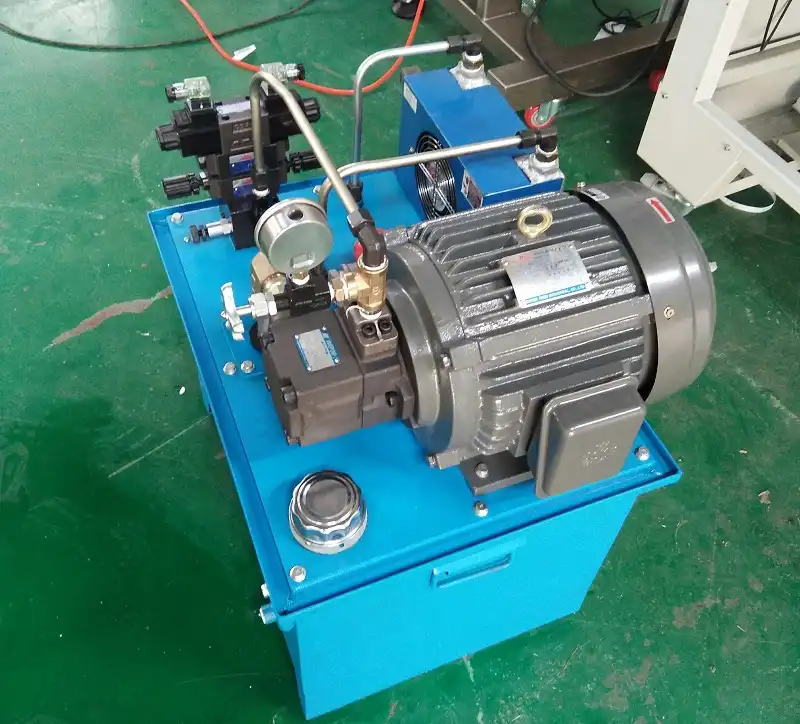
At FHOPEPACK, we believe that efficiency should never come at the cost of safety. In fact, they go hand in hand. A safer workplace is almost always a more efficient one.
-
Eliminating Manual Lifting and Tipping Risks:
- Manually flipping or exchanging pallets involves immense physical strain. Workers often use pry bars or even forklifts in unsafe ways to tip loads. This can lead to severe back injuries, muscle strains, and crushed limbs. Carlos specifically mentioned accidents as a current challenge.
- A pallet flipper performs this task mechanically. It lifts, grips, and rotates the load in a controlled environment. Workers do not need to come into direct contact with the heavy load during the transfer. This removes the risk of loads falling on personnel. It also prevents injuries from heavy lifting or awkward postures. This is a huge step towards a zero-accident workplace.
-
Reducing Repetitive Strain Injuries (RSIs):
- Warehouse work often involves repetitive movements. Manually handling pallets, wrapping them, or adjusting loads can cause repetitive strain injuries over time. These can lead to chronic pain and lost workdays.
- Pallet flippers take over the repetitive physical tasks. Operators only need to manage the machine, often with simple controls. This reduces the physical demands on employees. It allows them to focus on oversight rather than strenuous physical labor. This improvement in ergonomics contributes to a healthier workforce and lower long-term healthcare costs.
-
Creating a More Controlled and Predictable Environment:
- Manual processes are inherently less predictable. Human error can lead to unexpected movements or drops. This uncertainty increases accident risk.
- Mechanical operations, like those performed by FHOPEPACK pallet flippers, are highly controlled. The machine moves within predefined parameters. Safety sensors and interlocks prevent operation if a person is in a danger zone. This predictability makes the work environment safer. Workers know what to expect. It helps establish clear safety protocols.
-
Compliance with Safety Regulations and Lower Insurance Costs:
- Governments and industry bodies have strict safety regulations for material handling. Non-compliance can lead to hefty fines and legal issues.
- Automating hazardous tasks with pallet flippers helps companies meet these standards. It demonstrates a commitment to worker safety. This can also lead to lower workers’ compensation insurance premiums. Insurance companies often offer discounts to businesses that proactively reduce workplace risks. This is a direct financial benefit that goes beyond just preventing injuries. (Workplace safety, ergonomic solutions)
Do Pallet Flippers Support Flexible Operations and Standardization?
In today’s global supply chain, companies like Carlos’s food and beverage group face a common challenge: diverse pallet types. Euro pallets, US pallets, plastic pallets—each has its own requirements. How can you maintain flexibility while also pushing for standardization, which is a core lean principle?
Pallet flippers support both flexible operations and standardization by allowing quick, automated transitions between different pallet specifications without extensive manual effort or equipment changes. They enable warehouses to handle diverse international requirements efficiently while standardizing the pallet transfer process itself. This adaptability ensures compliance and smooth operations, even in complex logistical environments.

My experience has shown me that true efficiency often comes from finding solutions that are both adaptable and consistent. Pallet flippers achieve this balance by streamlining the actual act of changing pallets, regardless of their type.
-
Handling Diverse Pallet Specifications with Ease:
- Carlos’s challenge with Euro, US, and plastic pallets is common. Manually sorting and changing these can be a logistical nightmare, leading to delays and errors.
- Modern pallet flippers, especially those designed by FHOPEPACK, are engineered to handle a wide range of pallet sizes and types. They can often be adjusted quickly or come with interchangeable parts to accommodate different dimensions. This flexibility means you do not need multiple specialized machines or extensive manual intervention for each pallet type. You can switch from a Euro pallet to a US pallet in minutes.
-
Standardizing the Pallet Transfer Process:
- While pallet types vary, the process of transferring goods from one pallet to another can be standardized. This is where lean principles shine.
- Pallet flippers introduce a consistent, repeatable method for these transfers. Every time, the machine performs the same sequence of actions. This removes variability that comes from manual handling. Standardization reduces errors, improves training, and makes your operations more predictable. It helps ensure compliance with international shipping regulations, which often have strict rules about pallet conditions.
-
Meeting Regulatory and Customer Requirements:
- Different countries and even different customers have specific requirements for pallets. For example, some may demand plastic pallets for hygiene, or a certain size for automated storage.
- Pallet flippers allow you to meet these diverse demands quickly. You can swap out a wooden pallet for a plastic one for internal clean room use. Or change from a damaged in-house pallet to a clean shipping pallet. This ensures your products are always on the correct pallet for their destination. This avoids costly rejections, fines, and customer dissatisfaction. It ensures you maintain a good reputation with your clients.
-
Supporting Global Logistics and Trade:
- For multinational groups like Carlos’s, international logistics are complex. Having a solution that adapts to global standards is crucial.
- Pallet flippers facilitate seamless cross-border movement of goods. They act as a bridge between different pallet ecosystems. This makes your supply chain more resilient and less prone to disruptions caused by incompatible pallet sizes. It gives you a competitive edge by allowing you to serve diverse markets efficiently. This is why investing in versatile equipment is key to long-term success in global trade. (Pallet standardization, logistics flexibility)
What Role Do Pallet Flippers Play in Cost Reduction and ROI?
Every investment in a warehouse needs to show a clear return. Carlos is looking for solutions that reduce operating costs, not just sell machines. So, how do pallet flippers contribute to your bottom line and offer a strong return on investment?
Pallet flippers play a significant role in cost reduction by lowering labor expenses, minimizing product damage, reducing insurance claims from accidents, and optimizing warehouse space. These machines provide a strong return on investment (ROI) through enhanced operational efficiency and a decrease in various direct and indirect costs, making them a financially smart decision for modern logistics operations aiming for lean principles.
I have always advised my clients to look beyond the initial purchase price. The true cost, or benefit, of any machine comes from its long-term impact on your operations. With FHOPEPACK’s focus on reliable and effective solutions, I have seen first-hand how pallet flippers deliver significant financial advantages.
-
Lowering Labor Costs and Addressing Shortages:
- Labor is one of the biggest expenses in any warehouse. Manual pallet handling is labor-intensive. It requires multiple workers for what can be a strenuous and risky job. Carlos specifically mentioned rising labor costs and a reluctance for younger workers to do heavy lifting.
- Pallet flippers drastically reduce the need for manual labor in this specific task. One operator can manage the machine, often replacing several workers needed for traditional methods. This allows you to reallocate your workforce to other, more strategic areas. It helps mitigate the impact of labor shortages and spiraling wage costs. Over time, the savings in wages alone can quickly offset the initial investment.
-
Minimizing Product Damage and Rework Expenses:
- Damaged goods mean financial losses. This includes the cost of the damaged product itself, the labor for rework, disposal fees, and potential loss of customer trust. Manual pallet transfers are a common cause of such damage.
- Automated pallet flippers handle loads gently and precisely. This significantly reduces the incidence of product damage during transfer. Fewer damaged goods mean less waste, fewer returns, and lower expenses related to quality control and rework. This directly improves your profitability.
-
Reducing Insurance Premiums and Accident-Related Costs:
- Workplace accidents lead to direct costs like medical bills, workers’ compensation claims, and lost productivity. They also drive up insurance premiums. Carlos is already facing safety risks.
- By automating the most hazardous part of pallet handling, flippers dramatically reduce the risk of accidents. Fewer injuries mean fewer claims and lower insurance costs. A safer workplace also means less downtime due to investigations or staff absences. This creates a more stable and financially predictable operating environment.
-
Optimizing Space Utilization and Preventing Fines:
- Inefficient pallet storage or handling can waste valuable warehouse space. Additionally, delays in transferring goods due to manual processes can lead to penalties from customers or carriers for missed deadlines.
- Pallet flippers improve throughput, meaning goods move through your facility faster. This can potentially reduce the need for large buffer zones or excessive temporary storage. By ensuring compliance with pallet specifications and timely dispatches, they also help avoid costly contractual penalties or customer dissatisfaction that can hurt your business. (ROI for automation, operational cost reduction)
Conclusion
Pallet flippers are not just another piece of equipment; they are a strategic asset in a lean manufacturing strategy. They tackle waste, boost efficiency, enhance safety, and enable flexibility, directly addressing common warehouse challenges. For operations like Carlos’s, integrating an automated pallet inverter is a clear path to significant cost savings and improved operational performance.








