
How Do Pallet Changers Improve Operator Safety in Warehouses?
Imagine a busy warehouse. Pallets move constantly. Workers are rushing. One wrong move can lead to serious injury or damaged goods. This scenario is a real nightmare for any logistics manager, including those running large distribution centers across Europe, like my friend Carlos in Spain. He knows the daily pressure of keeping things moving while ensuring everyone goes home safe. (warehouse safety, operational risks)
Pallet changers significantly improve operator safety in warehouses by automating the strenuous and hazardous tasks associated with manual pallet transfer, eliminating the need for workers to physically lift, tilt, or handle heavy loads, thus preventing accidents, reducing strain injuries, and creating a safer work environment for material handling personnel.
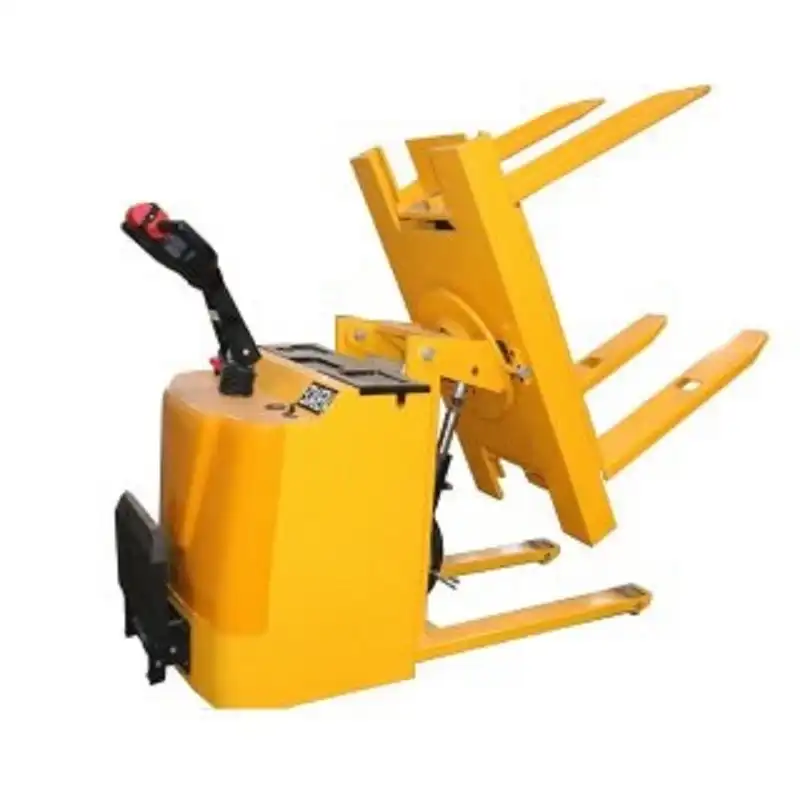
We all want to protect our team. We also need to keep our operations efficient and cost-effective. So, how exactly do these intelligent machines turn a high-risk task into a safe, smooth process? Let us explore the specific ways pallet changers revolutionize workplace safety. (logistics safety solutions, efficient material handling)
Why Is Manual Pallet Handling So Risky for Warehouse Operators?
Manual pallet handling might seem like a simple task. However, it is full of hidden dangers. I have seen countless situations in my career where a worker tried to move a heavy stack by hand. Sometimes, they needed to transfer goods from a damaged pallet to a new one. Other times, they had to switch from a wooden pallet to a plastic one for hygiene reasons, or from a Euro pallet to a US pallet for export. These tasks are not only physically demanding but also incredibly dangerous. (manual pallet transfer hazards, physical strain risks)
Manual pallet handling poses significant safety risks because it involves heavy lifting, awkward postures, repetitive motions, and the potential for loads to shift or fall, leading to various types of injuries such as musculoskeletal disorders, crushing accidents, and slips or falls among warehouse personnel.
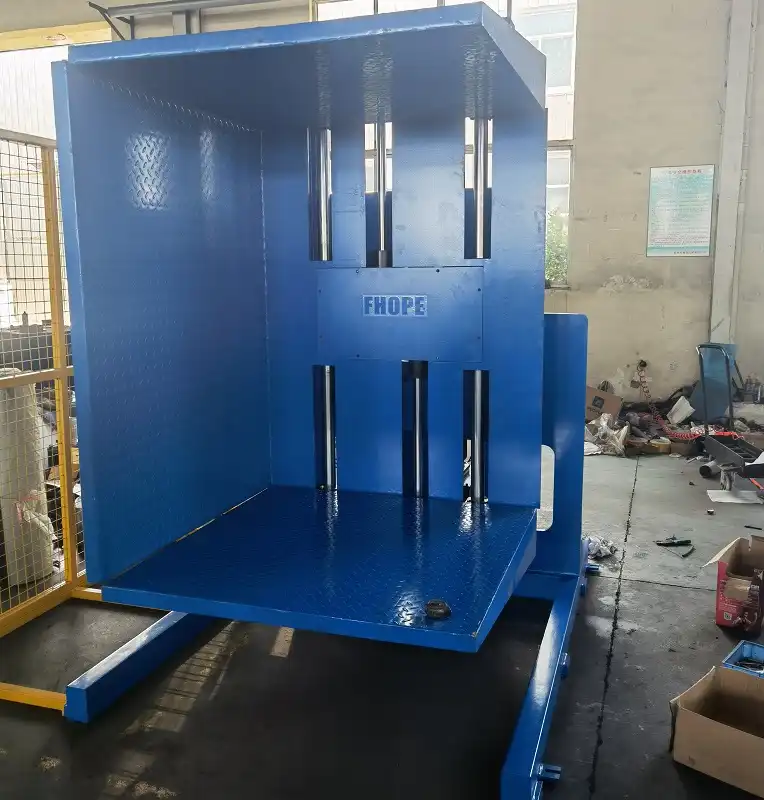
When I first started in the packing machine industry, I saw firsthand the toll these tasks took on workers. I remember one incident where a worker strained his back just trying to pry open a stuck pallet. In another case, an entire stack of goods almost toppled over during a manual transfer, narrowly missing a colleague. These experiences shaped my understanding of warehouse operations. They also fueled my passion for finding safer, more efficient solutions. Carlos, the logistics manager from Spain, often shares similar concerns. He mentions the rising labor costs and how younger workers are less willing to do such high-intensity, risky jobs. This challenge highlights the urgent need for automation. Let’s break down the core risks. (employee injury prevention, workplace accident statistics)
-
Direct Physical Injuries:
- Crushing Injuries: When workers try to move or adjust heavy pallets manually, their hands or feet can get caught under the load. This can cause severe crushing injuries. I have seen broken bones and even more serious incidents from this.
- Impact Injuries: Loads can shift suddenly. They can fall from a height during manual handling. This poses a direct threat of impact injuries to anyone nearby. It is a common risk when tilting a pallet by hand.
- Puncture Wounds: Broken wood on pallets can create sharp edges. Loose nails are also a problem. Workers often get splinters or puncture wounds when handling old or damaged pallets.
- Slips, Trips, and Falls: Carrying or pushing heavy loads reduces a worker’s visibility and balance. This increases the chance of slipping on a wet floor or tripping over an obstacle. This is especially true in busy aisles.
-
Musculoskeletal Disorders (MSDs):
- Back Strain: Lifting heavy items is a leading cause of back injuries. Manually changing pallets requires bending, twisting, and lifting awkward weights. These motions put immense strain on the spine. Over time, this leads to chronic back pain.
- Shoulder and Neck Pain: Repetitive movements, especially overhead reaching or pulling, can cause injuries to the shoulders and neck. Pallet manipulation often involves these exact motions.
- Carpal Tunnel Syndrome: Gripping and manipulating pallet jacks or heavy items for long periods can lead to repetitive strain injuries in the wrists and hands.
- Hernias: The sudden exertion or sustained strain from heavy lifting can cause hernias. This is a painful condition that often requires surgery.
-
Fatigue-Related Accidents:
- Reduced Alertness: Prolonged physical exertion leads to fatigue. Fatigued workers are less alert. They make more mistakes. This increases the risk of accidents.
- Impaired Judgment: When tired, workers might take shortcuts or forget safety procedures. This further raises the accident potential.
- Loss of Control: Physical fatigue can cause a worker to lose control of a load. This can lead to items falling or pallets tipping over. (warehouse worker safety, manual handling risks, labor intensive tasks)
How Do Pallet Changers Directly Eliminate Physical Hazards?
Pallet changers are designed specifically to take the human element out of the most dangerous parts of pallet handling. They do this by automating the heavy lifting, tilting, and transferring processes. For businesses like Carlos’s food and beverage group, where thousands of pallets move daily, this mechanical assistance is not just a convenience; it’s a critical safety upgrade. (automated pallet handling, heavy load transfer safety)
Pallet changers directly eliminate physical hazards by performing tasks that typically involve manual lifting, tilting, and moving of heavy loads, thereby removing operators from direct contact with potentially unstable goods or moving machinery parts during the transfer process.
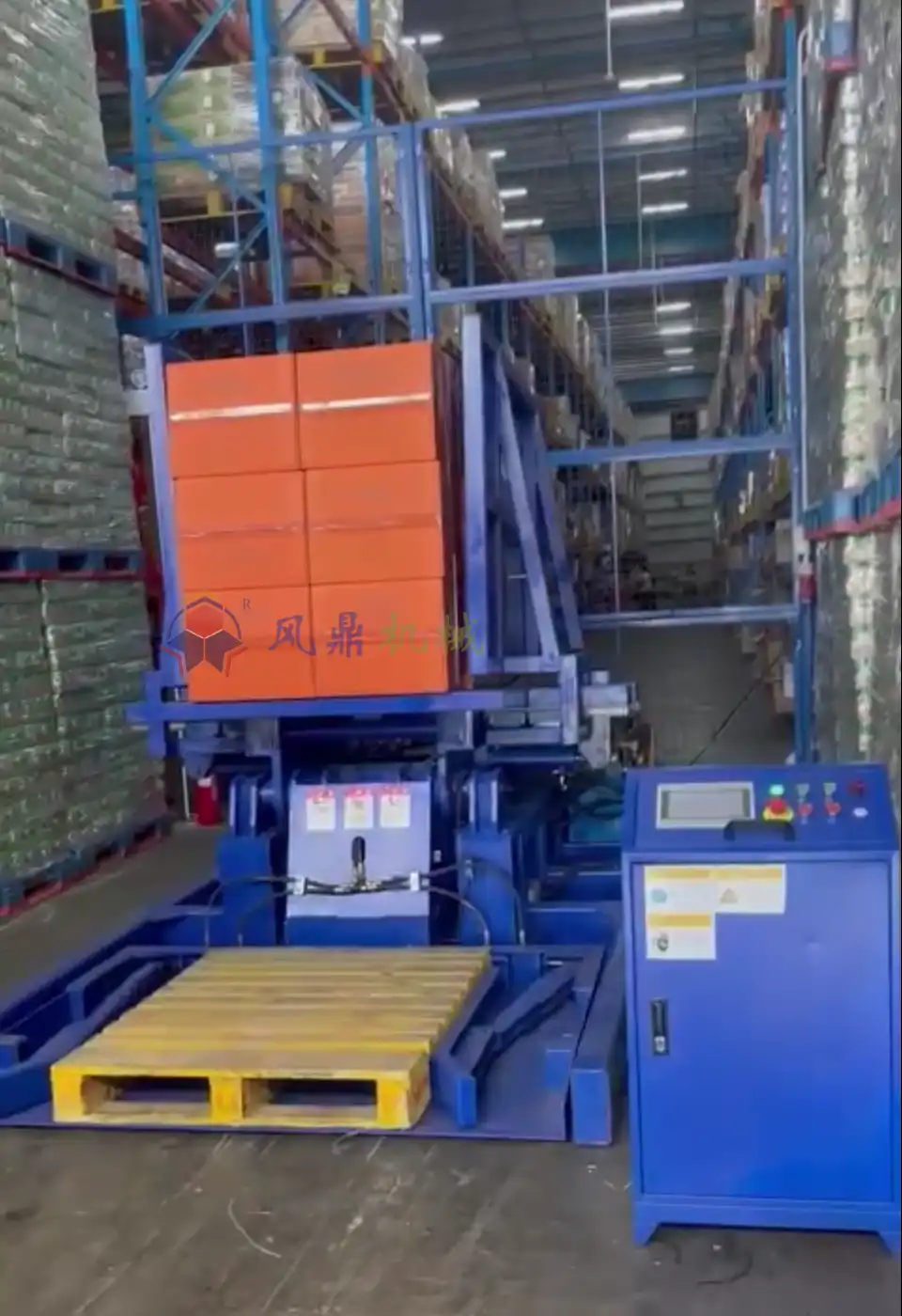
My journey in the packing machine industry has shown me how vital it is to get the right tool for the job. A pallet changer is more than just a machine. It is a dedicated safety device. It keeps workers away from the pinch points, the heavy weights, and the unstable loads. For instance, when switching from a damaged pallet, the pallet changer grips the entire load firmly. It then rotates or transfers it without any manual interaction. This means no more back-breaking lifts or precarious balancing acts. It also means fewer accidents and a more reliable operation. Let’s look at how they achieve this. (mechanical handling solutions, injury prevention technology)
-
Eliminating Manual Lifting and Lowering:
- No Heavy Loads: Pallet changers handle the full weight of stacked goods. Operators do not need to lift or lower anything manually. This completely removes the risk of back injuries, strains, and hernias from lifting.
- Controlled Movement: The machine moves the load smoothly and predictably. This is unlike manual handling where sudden shifts can occur. This controlled movement protects workers from impact injuries.
-
Removing Direct Contact with Loads:
- Reduced Pinch Points: With automated operation, workers do not need to place their hands near moving parts or under heavy loads. This drastically reduces the risk of crushing or pinching injuries.
- Safe Distance: Operators can stand at a safe distance while the machine works. They supervise the process without being in the immediate danger zone. This improves overall safety.
-
Preventing Load Instability and Falls:
- Secure Clamping: FHOPEPACK pallet changers securely clamp the entire load. This prevents goods from shifting or falling during the transfer. This is a major improvement over manual tilting methods.
- Consistent Transfer: The transfer mechanism is precise. It moves the load consistently every time. This reduces the chance of errors that could lead to instability.
-
Addressing Pallet-Specific Risks:
- Damaged Pallet Handling: Pallet changers can safely isolate and remove damaged pallets. Workers do not need to wrestle with broken wood or loose nails. This prevents puncture wounds and splinters.
- Hazardous Pallet Materials: If goods arrive on pallets with unknown contaminants or pest issues (a concern for food groups like Carlos’s), the changer allows for swapping to clean, hygienic pallets without direct human contact with the original.
- Standardized Pallet Exchange: For operations dealing with different pallet types (Euro, US, plastic), the machine handles the complex exchange. This removes the manual effort and potential for errors when adapting loads. (automated warehouse safety, load security, pallet exchange efficiency)
What Role Do Automated Pallet Changers Play in Reducing Human Error?
Human error is a significant factor in many workplace accidents. Even the most experienced operators can make mistakes, especially when tired or under pressure. In a fast-paced environment like Carlos’s distribution center, where thousands of pallets are handled daily, the margin for error is slim. Automated pallet changers remove many opportunities for human error by standardizing the process. (human error prevention, automated process reliability)
Automated pallet changers play a crucial role in reducing human error by standardizing the pallet transfer process, eliminating reliance on manual judgment and physical exertion, and performing repetitive tasks with consistent precision, thereby minimizing mistakes that could lead to accidents, damage, or operational delays.
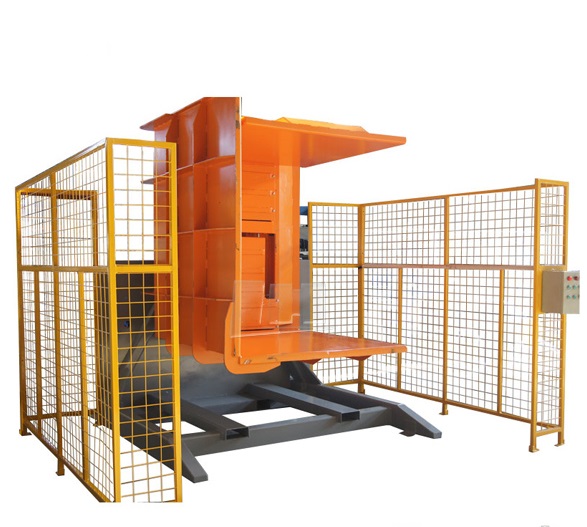
I have often preached the value of consistency in manufacturing and logistics. From my early days in a packing machine factory, I learned that repeatable processes are safer and more efficient. Pallet changers embody this principle. They perform the same actions, the same way, every time. This predictability is a huge advantage over manual methods. It means fewer dropped loads, fewer damaged goods, and most importantly, fewer injuries. When a machine handles the load, there is no chance of misjudging weight, losing grip, or getting distracted. Let’s see how this translates into tangible benefits. (process standardization, operational consistency)
-
Eliminating Judgment Errors:
- Consistent Operation: Pallet changers follow pre-programmed sequences. This removes the need for human judgment on how to best lift, tilt, or transfer a load. They do not get tired or distracted.
- No Guesswork: Operators do not need to guess the correct angle or force. The machine applies the optimal parameters for each load, based on its design.
-
Reducing Fatigue-Related Mistakes:
- Continuous Performance: Machines can operate continuously without fatigue. This is unlike human workers who become less vigilant over time. This sustained precision reduces late-shift errors.
- Focus on Supervision: Instead of physically performing the task, operators supervise the machine. This allows them to focus on quality control and safety checks, rather than strenuous physical labor.
-
Standardizing Procedures:
- Uniform Handling: Every pallet transfer is performed identically. This ensures uniformity in handling, regardless of who is operating the machine. This standardization is key for quality and safety.
- Reduced Training Needs: While training on the machine is required, the complexity of the physical task is removed. This simplifies training for new staff on safe pallet handling protocols.
-
Minimizing Damage and Compliance Issues:
- Fewer Dropped Loads: Automated handling significantly reduces the chance of dropping goods. This prevents product damage and avoids creating hazardous spills or obstructions.
- Accurate Pallet Swaps: For operations needing to switch between different pallet types (e.g., for food hygiene or international shipping compliance), the machine performs precise swaps. This minimizes errors that could lead to non-compliance or customer complaints. Carlos’s concern about varying pallet specifications for exports is directly addressed here.
- Data Logging: Many advanced pallet changers can log operational data. This helps identify potential issues or areas for improvement, further enhancing safety protocols based on real-world performance. (automated warehouse solutions, error proofing, operational efficiency)
Can Pallet Changers Improve Ergonomics and Reduce Long-Term Injuries?
The human body is not designed for repeated heavy lifting, bending, and twisting. Manual pallet handling forces workers into awkward positions and subjects them to repetitive strain. Over years, this leads to chronic pain and debilitating injuries. This is a major concern for many businesses today. My own experience has shown me how physical demands can wear down even the strongest individuals. (ergonomic warehouse solutions, long-term injury prevention)
Pallet changers significantly improve ergonomics and reduce long-term injuries by eliminating the need for operators to perform strenuous physical tasks, awkward movements, and repetitive actions associated with manual pallet transfer, thereby mitigating the risk of musculoskeletal disorders and promoting a healthier work environment.

When I founded FHOPEPACK, my vision was to create solutions that not only enhance efficiency but also protect the people who operate them. Pallet changers are a perfect example of this philosophy. They take away the physical stress, allowing workers to perform their jobs without damaging their bodies. Think about Carlos’s situation: his warehouse faces labor shortages, and younger generations are not keen on physically demanding jobs. Providing ergonomic equipment like pallet changers helps retain staff and attracts new talent by showing a commitment to employee well-being. It is about creating a sustainable workplace. (employee well-being, healthy work environment)
-
Eliminating Awkward Postures:
- No Bending or Twisting: Workers no longer need to bend, squat, or twist to access pallets or goods. The pallet changer brings the load to a comfortable working height and orientation.
- Neutral Body Position: Operators can maintain a neutral, upright body posture. This reduces stress on the spine, neck, and shoulders.
-
Reducing Repetitive Strain:
- Automated Movements: The machine performs all repetitive movements. This removes the constant strain on wrists, arms, and shoulders that comes from manual pallet manipulation.
- Less Muscle Fatigue: By reducing physical exertion, muscle fatigue is significantly lowered. This prevents cumulative trauma disorders that develop over time.
-
Controlling Force and Exertion:
- No Manual Force: Workers do not need to apply significant force to push, pull, or lift heavy pallets. The machine handles all the power requirements.
- Consistent Pressure: The machine applies consistent, controlled pressure when clamping or moving loads. This eliminates sudden jolts or uneven forces that can strain human joints.
-
Creating a More Attractive Work Environment:
- Higher Job Satisfaction: Workers feel safer and more valued when provided with tools that protect their health. This leads to higher job satisfaction and morale.
- Reduced Absenteeism: Fewer injuries mean less time off work due to chronic pain or recovery. This boosts overall productivity and reduces operational disruptions.
- Talent Attraction: Companies known for prioritizing worker safety and ergonomics find it easier to attract and retain skilled labor, especially crucial in tight labor markets like the one Carlos faces. (industrial ergonomics, occupational health, workforce retention)
How Do Pallet Changers Contribute to Overall Warehouse Safety Culture?
Safety culture is more than just following rules. It is about an ingrained mindset where everyone prioritizes safety. Introducing advanced safety equipment like pallet changers sends a strong message. It shows that management is committed to worker well-being. This investment goes beyond preventing individual accidents. It shapes the entire operational environment. (warehouse safety culture, proactive safety measures)
Pallet changers contribute to an overall warehouse safety culture by demonstrating a company’s commitment to employee well-being, fostering a proactive approach to risk management, reducing the normalization of hazardous tasks, and promoting a more standardized and compliant operational environment.
When I talk about FHOPEPACK, I emphasize solutions, not just machines. A pallet changer is a testament to a forward-thinking approach. It moves a warehouse from reactive safety (dealing with accidents after they happen) to proactive safety (preventing them from occurring). Carlos, for instance, is seeking a long-term partner who understands warehouse pain points. A company like FHOPEPACK offers more than equipment; we offer a partnership in building a safer, more efficient future. This creates a ripple effect throughout the organization. (risk management strategies, operational excellence)
-
Demonstrating Commitment to Safety:
- Tangible Investment: Purchasing and installing pallet changers is a clear, tangible investment in employee safety. It signals that management cares about their well-being.
- Positive Morale: Workers feel more valued and protected when they see such investments. This boosts morale and trust in leadership.
-
Fostering Proactive Risk Management:
- Hazard Elimination: Pallet changers eliminate specific, high-risk tasks. This shifts the focus from managing those risks to preventing them entirely.
- Safety Discussions: The introduction of new safety technology often sparks broader discussions about safety procedures and potential improvements across other areas.
-
Reducing Normalization of Risk:
- Challenging Old Habits: When manual, risky methods are replaced by automated ones, it challenges the “this is how we’ve always done it” mentality. It encourages questioning other potentially unsafe practices.
- Setting New Standards: Automated systems set a higher benchmark for safety performance. This encourages workers and managers to look for similar improvements elsewhere.
-
Promoting Standardization and Compliance:
- Consistent Procedures: Pallet changers ensure consistent handling processes. This makes it easier to standardize operating procedures and maintain compliance with safety regulations.
- Audit Readiness: With automated, traceable processes, warehouses are better prepared for safety audits. This demonstrates adherence to industry best practices.
- Customer Confidence: Customers, especially in industries like food and beverage where hygiene and product integrity are paramount, gain confidence knowing that their goods are handled safely and consistently. This helps meet client demands for faster, safer deliveries. (industrial safety standards, workplace well-being, compliance in logistics)
Conclusion
Pallet changers are a vital investment for any warehouse. They move operations beyond risky manual labor to a safer, more automated future. By removing human contact with heavy, unstable loads, they drastically cut down physical injuries and human error. They also boost ergonomics and foster a strong culture of safety. For businesses like FHOPEPACK, our goal is to empower clients with solutions that protect their people and their bottom line. Investing in a pallet inverter is a step toward truly mastering your packing operations.








