

How Do Pallet Changers Help Replace Wooden Pallets With Plastic Pallets?
Do you ever feel like your warehouse operations are constantly battling outdated methods? Many businesses struggle with the limitations of traditional wooden pallets, especially when faced with strict hygiene standards, durability issues, or international shipping requirements. This often leads to manual, time-consuming, and risky pallet transfer processes. If you are experiencing bottlenecks, rising labor costs, and safety concerns because of pallet type changes, you are not alone. My journey in the packing machine industry has shown me these challenges firsthand.
Pallet changers are essential machines that significantly streamline the process of transferring goods from one pallet type to another, specifically aiding the replacement of wooden pallets with plastic pallets. They automate what was once a slow, labor-intensive task, improving efficiency, reducing product damage, and enhancing worker safety in warehouses and distribution centers.
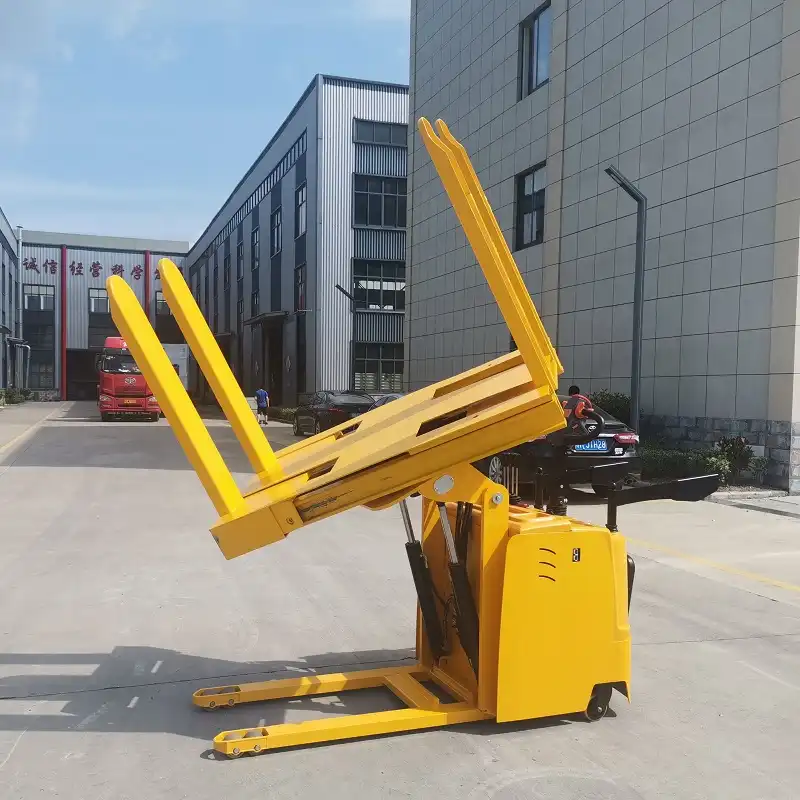

Understanding the “why” behind this switch is just the first step. The real game-changer lies in how modern pallet changer solutions tackle these operational hurdles. As a packing machine engineer, I have seen how these tools transform logistics. Let us explore how these innovative machines can refine your operations, bringing them into the 21st century.
Why Do Companies Need to Switch From Wooden to Plastic Pallets?
Are you feeling the pressure to upgrade your warehousing processes but wonder if switching from wooden to plastic pallets is truly necessary? Many companies, especially in sensitive industries, find themselves at a crossroads. They face problems like splintering, contamination risks, and inconsistent weights that wooden pallets often bring. This creates headaches in daily operations.
Companies need to switch from wooden to plastic pallets primarily for reasons related to hygiene, durability, sustainability, and compliance with increasingly strict industry standards. Wooden pallets absorb moisture, harbor pests, and can splinter, leading to product contamination and safety risks. Plastic pallets offer a cleaner, more robust, and consistent solution for modern supply chains.
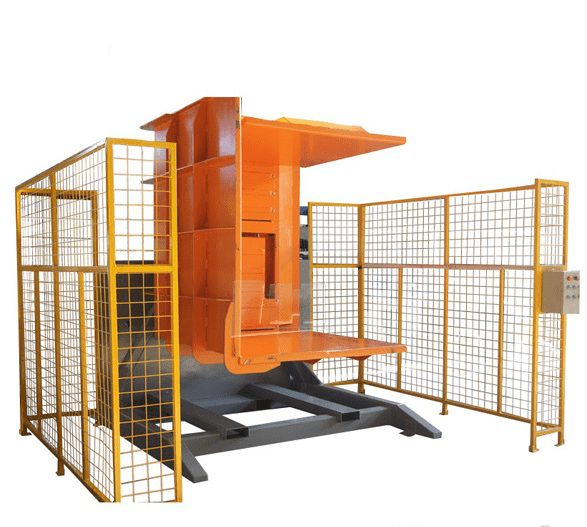

This shift is not just about preference; it is about meeting the demands of a fast-evolving global market. From food processing to pharmaceuticals, the need for a reliable, hygienic, and long-lasting pallet solution is critical. I have seen clients transform their entire supply chain by making this strategic change. This is what you need to know about the advantages.
Dive deeper Paragraph:
Switching from wooden to plastic pallets addresses several critical operational and strategic needs for businesses today. My experience with numerous clients has shown me the clear advantages that plastic pallets offer, especially in environments where hygiene, durability, and cost-efficiency are paramount. Consider these key areas:
-
Enhanced Hygiene and Food Safety:
- Pest and Bacteria Control: Wooden pallets are porous. They can absorb spills, harbor bacteria, and become infested with pests like termites or mold. This poses a significant risk for food, beverage, and pharmaceutical industries. Plastic pallets are non-porous and easy to clean. They do not support bacterial growth or pest infestations. This makes them ideal for sterile environments. This compliance with HACCP and GMP standards is often a legal requirement.
- Contamination Prevention: Splinters, nails, and dust from wooden pallets can contaminate products. Plastic pallets eliminate these physical risks. This ensures product integrity from the warehouse floor to the customer’s door. This is especially true for consumer packaged goods (CPG) moving through distribution centers. (Hygiene compliance, contamination avoidance, food safety)
-
Superior Durability and Longevity:
- Resistance to Wear and Tear: Wooden pallets break down over time. They crack, chip, and degrade with repeated use. This leads to frequent repairs and replacements. Plastic pallets are robust. They resist impacts, chemicals, and moisture. They maintain their structural integrity much longer. This extends their service life significantly. This reduces the total cost of ownership.
- Consistent Performance: Wooden pallets vary in weight and dimension due to moisture absorption and repair history. This causes issues with automated systems. Plastic pallets offer consistent weight and dimensions. This ensures smooth operations with automated guided vehicles (AGVs) and conveyor systems. This predictability is vital for high-volume warehousing. (Pallet lifespan, maintenance costs, automation compatibility)
-
Sustainability and Environmental Impact:
- Recyclability: While some wooden pallets can be repaired or recycled, their overall lifecycle often involves significant tree felling. Plastic pallets are often made from recycled materials. They are fully recyclable at the end of their long service life. This reduces waste and supports circular economy principles. This helps companies meet their corporate social responsibility goals.
- Reduced Waste and Damage: The durability of plastic pallets means fewer damaged pallets end up in landfills. This contributes to a greener supply chain. This also reduces costs associated with waste disposal and replacement. This aspect resonates with environmentally conscious consumers and regulators. (Eco-friendly pallets, waste reduction, green logistics)
-
Operational Efficiency and Cost Savings:
- Lighter Weight: Plastic pallets are often lighter than wooden ones. This reduces shipping costs and makes manual handling easier for workers. This contributes to better ergonomics. It also helps manage freight expenses.
- Export Compliance: Many countries have strict phytosanitary regulations (ISPM 15) for wooden pallets to prevent pest spread. This requires heat treatment or fumigation. Plastic pallets are exempt from these regulations. This simplifies international shipping and reduces delays at customs. This is a huge advantage for global logistics managers like Carlos in Spain. (Logistics efficiency, international shipping, cost reduction)
What Challenges Do Businesses Face When Changing Pallet Types Manually?
Are you losing sleep over the inefficiencies and dangers in your warehouse? The manual process of changing pallet types, especially from wooden to plastic, can be a major source of stress. I have seen countless businesses struggle with the sheer effort involved. This includes the high risk of injury and the slow pace of operations. This directly impacts their bottom line.
Businesses face significant challenges when changing pallet types manually, including low operational efficiency, increased labor costs, high risk of worker injury and product damage, and compliance issues. Manual transfers are time-consuming and labor-intensive, often leading to bottlenecks and potential safety hazards like dropped loads or musculoskeletal injuries to employees.


Imagine a bustling warehouse, pallets stacking up, and workers straining to shift heavy loads. This scene is far too common. It highlights why manual processes are simply not sustainable in today’s demanding supply chain environment. My clients often share stories of missed deadlines and damaged goods. This happens all because of manual handling.
Dive deeper Paragraph:
Manual pallet changing is an archaic practice in modern warehousing. It introduces numerous inefficiencies and risks that can severely impact a company’s productivity and profitability. My work at FHOPEPACK often involves designing solutions to overcome these exact problems. Here is a closer look at the key challenges:
-
Inefficiency and Bottlenecks:
- Slow Process: Manually transferring goods from one pallet to another is incredibly slow. Each item or layer must be moved individually. This takes significant time. In a high-volume facility, this creates bottlenecks. It slows down the entire outbound or inbound process. This directly impacts delivery schedules. It can lead to customer dissatisfaction.
- Resource Drain: The process requires multiple workers. They spend valuable hours on a non-value-added task. This diverts labor from more critical functions like order picking or inventory management. This represents a significant drain on human resources. (Operational delays, labor-intensive tasks, productivity loss)
-
Increased Labor Costs and Scarcity:
- High Wages: As labor costs continue to rise globally, employing multiple staff members for manual pallet transfers becomes expensive. This adds a substantial cost to every pallet processed. This eats into profit margins.
- Labor Shortage: The warehousing industry faces a persistent labor shortage. Few young workers are willing to do the physically demanding and repetitive tasks involved in manual pallet changing. This makes it hard to staff adequately. It also leads to higher turnover rates. This impacts training costs. (Rising expenses, worker retention, skilled labor shortage)
-
Significant Safety Risks and Injuries:
- Worker Injury: Manually lifting, tilting, or moving heavy palletized goods puts workers at high risk of injury. Common injuries include back strains, sprains, and crushed limbs. These incidents lead to lost workdays. They also increase insurance premiums and workers’ compensation claims. I have heard many stories from clients about accidents during manual transfers.
- Product Damage: During manual transfers, goods can fall, shift, or be mishandled. This results in damaged products. This leads to financial losses, returns, and customer complaints. Delicate items are especially vulnerable. This also increases packaging waste. (Workplace accidents, cargo damage, health and safety)
-
Compliance Issues and Audits:
- Ergonomic Standards: Regulators increasingly focus on ergonomic safety in the workplace. Manual pallet changing often violates these standards. This exposes companies to fines and legal liabilities.
- Traceability and Quality Control: The manual process introduces more points of human error. This can compromise product traceability. It makes quality control more difficult. This is critical in regulated industries like food and pharmaceuticals. (Regulatory compliance, quality assurance, audit risks)
How Do Pallet Changers Improve Efficiency in Pallet Replacement?
Are you tired of slow, clunky pallet replacement processes bogging down your operations? Many logistics managers feel the strain of keeping up with demand while battling inefficient manual methods. The question is, how can you truly speed things up without sacrificing quality or safety?
Pallet changers dramatically improve efficiency in pallet replacement by automating the entire process, allowing for rapid and consistent transfer of goods from one pallet type to another. They minimize manual handling, reduce the time per pallet transfer, and ensure a continuous flow of goods through the warehouse or production line, thereby eliminating bottlenecks.
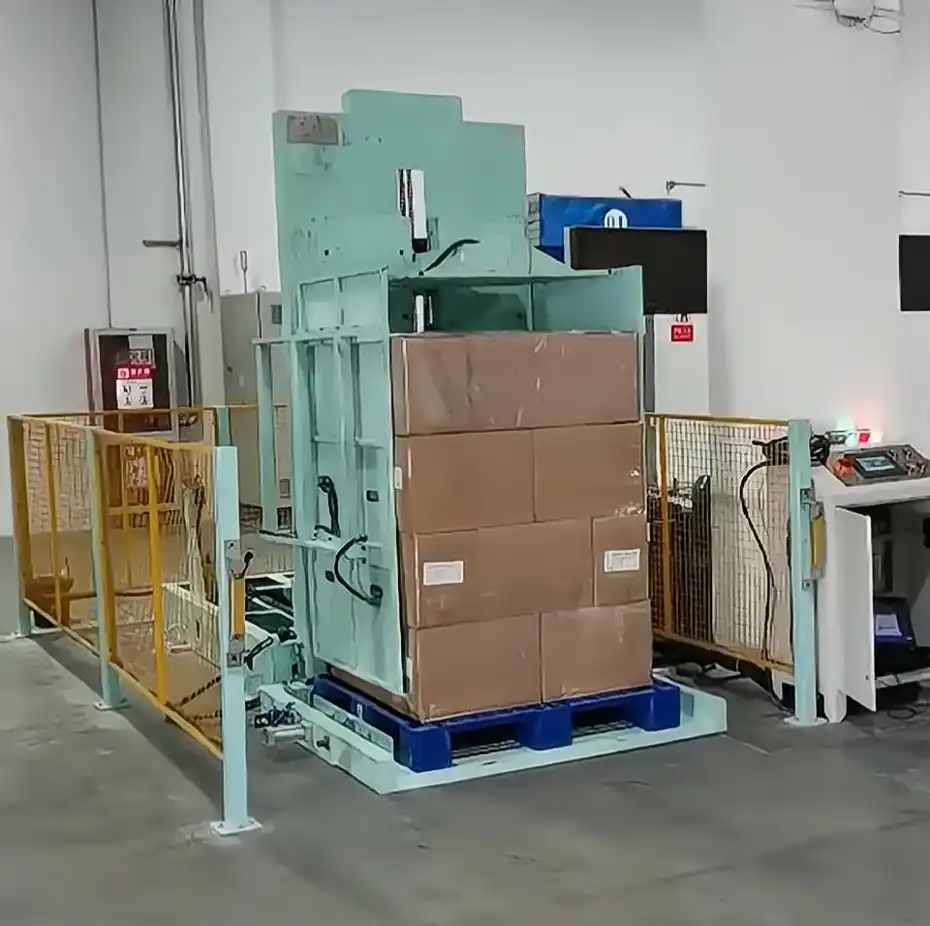

From my perspective, having worked extensively in this field, the shift from manual labor to automated solutions like FHOPEPACK pallet changers is not just an upgrade; it is a necessity. These machines are designed to integrate seamlessly into your existing workflow, turning a slow chore into a swift, precise operation. Let us delve into the specific ways they boost your efficiency.
Dive deeper Paragraph:
Pallet changers are transformative tools for any facility requiring frequent pallet type changes. They are at the heart of modern, efficient warehousing. At FHOPEPACK, we focus on engineering solutions that solve real-world problems for our clients. Here is how these machines deliver significant efficiency gains:
-
Speed and Throughput:
- Rapid Transfer Cycles: Pallet changers perform transfers in minutes, sometimes even seconds. Manual processes can take significantly longer for each pallet. This allows for a much higher volume of pallets to be processed per hour. This dramatically increases throughput. This means more goods can move in and out of the warehouse faster.
- Continuous Operation: Automated pallet changers can operate continuously. They do not get tired or need breaks like human workers. This ensures an uninterrupted flow of materials. This is crucial for meeting tight deadlines and high demand. It also reduces idle time for forklifts and other equipment. (Fast pallet transfers, increased throughput, continuous workflow)
-
Reduced Manual Intervention:
- Minimal Labor Required: With a pallet changer, only one or two operators are needed to manage the machine. They oversee the process and load/unload pallets. This frees up multiple workers who would otherwise be manually transferring goods. This allows them to focus on more strategic tasks.
- Fewer Errors: Manual handling is prone to human error, leading to misalignments or dropped items. Automated systems perform tasks with precision. This reduces errors and subsequent rework. This improves the overall quality of operations. (Automated handling, reduced human error, labor optimization)
-
Streamlined Workflows:
- Elimination of Bottlenecks: Manual pallet changes often create choke points in the logistics chain. Pallet changers eliminate these bottlenecks. They ensure a smooth, consistent pace for goods movement. This prevents delays further down the line.
- Integration with Existing Systems: Modern pallet changers are designed to integrate with various warehouse management systems (WMS). They also work with conveyor lines and AGVs. This creates a cohesive, automated material flow. This enhances the overall efficiency of the entire operation. This provides seamless data exchange. (Seamless integration, bottleneck removal, optimized logistics)
-
Versatility and Adaptability:
- Multiple Pallet Types: FHOPEPACK and SHJLPACK pallet changers are often designed to handle a wide range of pallet sizes and types. This includes Euro, US, plastic, and wooden pallets. This versatility means businesses can adapt to different client requirements or international shipping standards without needing separate equipment.
- Product Flexibility: They can handle various load types, from boxes to bags to fragile goods. The clamping and transfer mechanisms are adjustable. This protects the integrity of the product during the change. This ensures minimal damage across different inventory types. (Adaptable machinery, multi-pallet support, flexible load handling)
Do Pallet Changers Really Enhance Safety in Warehouse Operations?
Are you worried about the safety of your warehouse staff and the integrity of your goods during pallet transfers? Many managers constantly seek ways to reduce risks, but the fear of accidents during manual pallet changes is a persistent concern. Can a machine truly make a difference in protecting your people and products?
Yes, pallet changers significantly enhance safety in warehouse operations by eliminating the need for manual lifting, tilting, or maneuvering of heavy palletized loads. They reduce the risk of worker injuries such as back strains, crush injuries, and falls, and also minimize product damage by providing a secure and controlled transfer environment.


When I founded FHOPEPACK, one of my core commitments was to develop solutions that not only boost efficiency but also prioritize worker safety. The statistics on warehouse injuries are sobering. This makes automating hazardous tasks not just a good idea, but an ethical responsibility. Let us explore the tangible safety benefits that pallet changers bring.
Dive deeper Paragraph:
The safety aspect of pallet changers is perhaps one of their most compelling benefits. Manual handling of heavy, often unstable, palletized loads is inherently dangerous. Pallet changers are engineered to remove humans from the most hazardous parts of the transfer process. This directly addresses common causes of workplace accidents.
-
Elimination of Manual Handling Risks:
- Reduced Physical Strain: Pallet changers take over the strenuous physical work. They lift, clamp, and rotate loads mechanically. This eliminates the need for workers to manually lift heavy items or perform awkward movements. This greatly reduces the risk of musculoskeletal injuries like back pain, strains, and sprains. This improves the overall ergonomic conditions for employees.
- Prevention of Crush Injuries: Manual tilting or repositioning of pallets can lead to crush injuries if the load shifts unexpectedly or equipment fails. Pallet changers secure the load firmly before any movement. This ensures stability throughout the transfer. This safeguards workers from falling objects or crushing hazards. (Ergonomic improvements, fewer accidents, reduced physical labor)
-
Enhanced Product Protection:
- Secure Clamping Mechanisms: Pallet changers use hydraulic or mechanical clamps. These hold the load securely during the entire transfer process. This prevents items from shifting, falling, or getting damaged. This is especially crucial for fragile or high-value goods.
- Controlled Movement: The machine performs the transfer with precise, controlled movements. There is no sudden jarring or dropping. This minimizes the risk of product breakage, deformation, or spillage. This maintains the integrity of the goods. This reduces costly returns and rework. (Cargo integrity, damage prevention, secure transfers)
-
Improved Workplace Environment:
- Fewer Accidents, Lower Costs: A safer workplace means fewer accidents. This translates directly to lower workers’ compensation claims, reduced insurance premiums, and less downtime due to injuries. This contributes to significant long-term cost savings for the business.
- Higher Employee Morale: When employees feel safe, their morale and job satisfaction improve. This leads to higher productivity and lower employee turnover. Workers are more engaged when they know their employer prioritizes their well-being. This creates a positive work culture. (Employee well-being, cost reduction, positive work environment)
-
Compliance with Safety Regulations:
- Regulatory Adherence: Using automated pallet changers helps companies comply with stringent occupational safety and health regulations. These regulations often require minimizing manual handling of heavy loads. This avoids potential fines and legal issues.
- Reduced Liability: By automating hazardous tasks, businesses reduce their liability in case of workplace accidents. This demonstrates a proactive approach to safety management. This provides a stronger legal position. (Regulatory compliance, reduced liability, proactive safety)
Can Pallet Changers Significantly Reduce Operational Costs for Businesses?
Are you constantly looking for ways to trim expenses and improve your company’s bottom line? Many logistics professionals grapple with rising operational costs, from labor wages to unexpected damages. You might be wondering if investing in a pallet changer can truly deliver substantial financial savings.
Yes, pallet changers can significantly reduce operational costs for businesses by cutting down on labor expenses, minimizing product damage and associated losses, decreasing maintenance and repair costs for wooden pallets, and improving overall operational efficiency which contributes to lower overheads and faster inventory turnover.
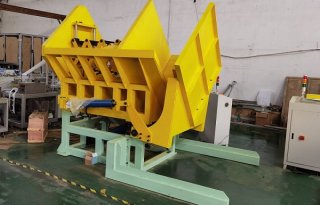

My experience has taught me that smart investments in automation always pay off. When I started FHOPEPACK, I aimed to create machines that did more than just move things; they had to deliver real financial value. Pallet changers are a prime example of this philosophy. Let us examine how they achieve remarkable cost reductions across your operations.
Dive deeper Paragraph:
The financial benefits of integrating pallet changers into a logistics operation are substantial and multi-faceted. These machines address several key areas where costs typically accumulate, turning expenses into savings. This is a critical factor for any supply chain manager focused on efficiency and profitability.
-
Labor Cost Reduction:
- Fewer Personnel: Manual pallet changes require multiple workers. A pallet changer allows one or two operators to manage the same volume of work, if not more. This significantly reduces the need for direct labor hours dedicated to this task. This translates into substantial savings on wages, benefits, and overtime.
- Reallocation of Workforce: The freed-up labor can be reallocated to other value-added tasks within the warehouse. This improves overall productivity without increasing headcount. This optimizes human resources. (Reduced wages, optimized staffing, labor efficiency)
-
Minimized Product Damage and Loss:
- Reduced Spoilage/Breakage: Manual handling is a leading cause of product damage due to dropping, shifting, or improper stacking. Pallet changers secure the load and perform precise, controlled transfers. This drastically reduces instances of damaged goods. This saves costs associated with replacement, rework, and waste.
- Fewer Returns and Claims: Less product damage means fewer customer complaints and fewer costly returns or insurance claims. This protects brand reputation and avoids administrative overhead related to resolving such issues. This contributes to higher customer satisfaction. (Waste reduction, less rework, improved customer retention)
-
Lower Pallet-Related Expenses:
- Reduced Wooden Pallet Replacement: Wooden pallets are prone to damage and require frequent repairs or replacements. By quickly transferring goods to more durable plastic pallets, the wear and tear on wooden pallets is minimized, extending their life or allowing for their removal from the internal loop. This reduces procurement costs for new wooden pallets.
- Elimination of ISPM 15 Treatment Costs: For international shipping, wooden pallets need to comply with ISPM 15 regulations (heat treatment or fumigation). Plastic pallets are exempt. By using pallet changers to switch to plastic for export, businesses eliminate these costly and time-consuming treatment processes. This speeds up customs clearance. (Pallet procurement savings, regulatory cost avoidance, faster customs)
-
Increased Operational Efficiency and Throughput:
- Faster Processing Times: The speed of automated pallet changes significantly reduces processing time per unit. This translates to higher overall throughput for the warehouse. This means more goods can be moved faster. This directly impacts sales cycles and inventory turnover.
- Optimized Space Utilization: Faster movement of goods means less dwell time for pallets. This frees up valuable warehouse space. It also reduces the need for large staging areas for manual transfers. This allows for better use of existing square footage. This postpones the need for expansion. (Throughput gains, space efficiency, faster inventory flow)
Conclusion
Pallet changers are vital for modern logistics, especially when transitioning from wooden to plastic pallets. They boost efficiency by automating transfers, significantly enhance safety by removing manual risks, and cut operational costs through reduced labor, damage, and compliance expenses. Investing in an FHOPEPACK or SHJLPACK pallet inverter is a strategic move for any business aiming for a more streamlined, safer, and cost-effective supply chain.












