
How Do Pallet Changer Specifications Affect Project Budgeting?
Are you a logistics manager feeling the squeeze of rising operational costs and the constant pressure to optimize your warehouse floor? Perhaps you are like Carlos, overseeing thousands of pallet movements daily, struggling with diverse pallet sizes and the never-ending challenge of manual handling. This kind of work drains resources and creates safety hazards. The idea of upgrading to an automated pallet changer sounds great, but a big question always comes up: what will it cost? (warehouse automation, logistics optimization, pallet handling costs)
Understanding pallet changer specifications is key to budgeting. It directly influences the initial purchase price, installation complexity, ongoing operational expenses, and ultimately, your return on investment. Different features like automation level, capacity, type of mechanism, and customization options each add or subtract from your total project spending.
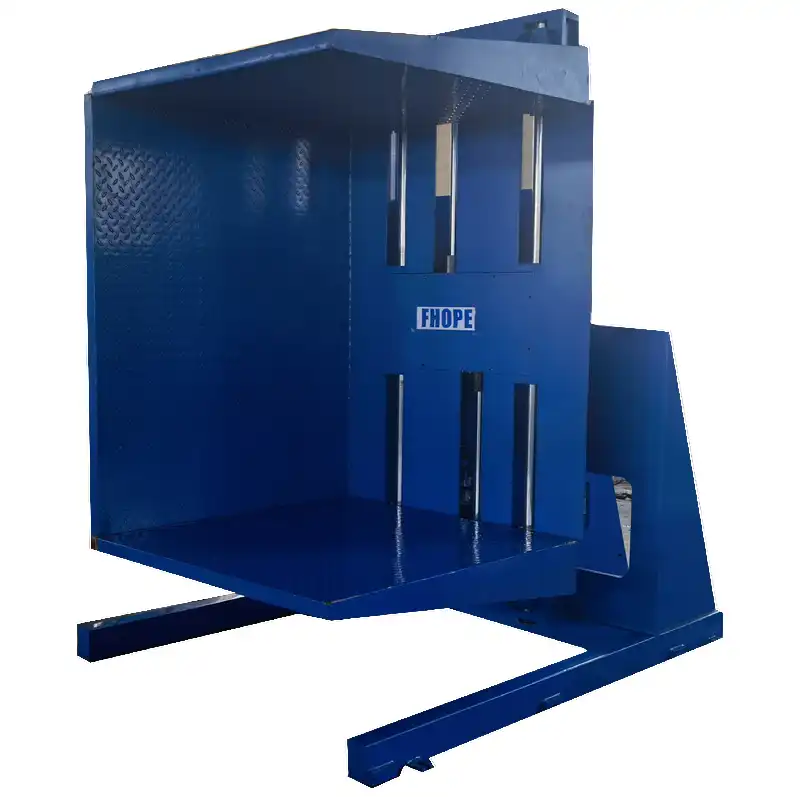
As someone who started on the factory floor and built FHOPEPACK, I have seen firsthand how the right machine can transform an operation. Getting the budget right for a pallet changer means looking beyond the sticker price. It means understanding how each specification meets your unique needs, like those faced by Carlos in his busy European distribution center. Let us break down these factors together. (pallet changer investment, operational efficiency, warehouse manager challenges)
What are the core types of pallet changers available?
Are you overwhelmed by the sheer variety of pallet changers on the market? Do you wonder which basic type will best fit your warehouse needs without breaking the bank? Choosing the right fundamental pallet changer type is the first step in managing your project budget, as each category comes with its own cost implications and operational benefits. (pallet changer types, warehouse equipment cost, material handling solutions)
Pallet changers mainly fall into three categories: pallet inverters, pallet transfer systems, and top-pressure pallet changers. Each type solves specific handling problems, and understanding their core functions helps you select the most budget-appropriate solution for your facility’s unique challenges.
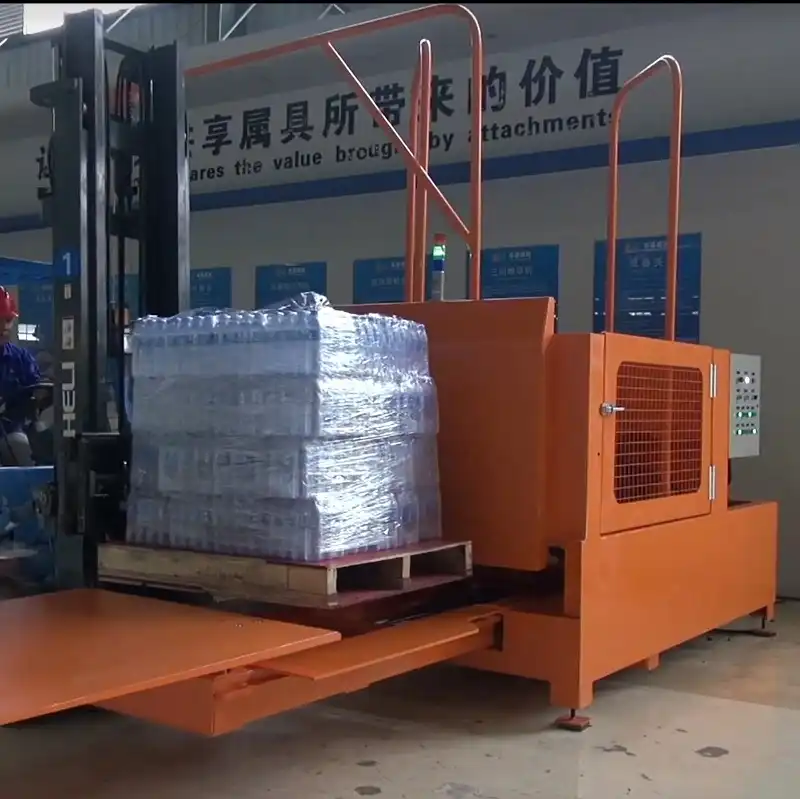
When I first started in the packing machine industry, I quickly learned that one-size-fits-all solutions rarely work. This is especially true for pallet handling. A pallet changer is not just a piece of equipment; it is a strategic investment. Selecting the right type affects everything from safety and labor costs to overall throughput and compliance, directly impacting your budget.
-
Pallet Inverters:
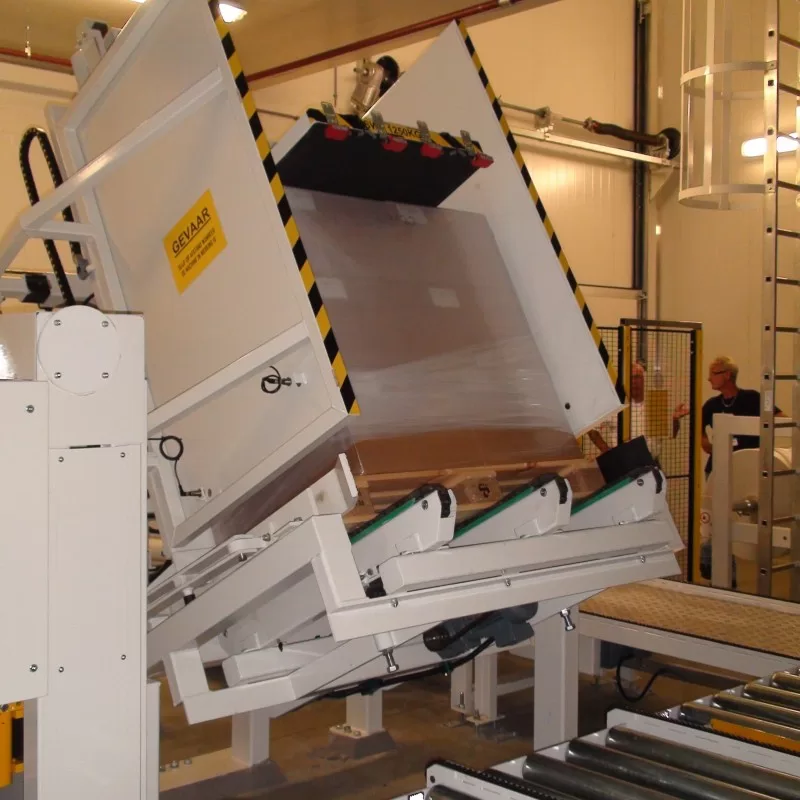
- Function: These machines physically flip or tilt an entire loaded pallet, allowing for the easy exchange of pallets without disturbing the product. They are great for transferring goods from wooden pallets to hygienic plastic or aluminum pallets for cleanroom environments, or for moving damaged goods to a new pallet.
- Budget Impact: Generally, pallet inverters are a good entry point for automation. They offer robust functionality at a moderate cost. Their simplicity in design often means less complex installation and easier maintenance. If your primary need is simply changing a pallet type while keeping the load intact, this could be a cost-effective choice. They save on manual labor and reduce product damage from hand-flipping, which cuts down on rework and waste.
- Ideal for: Food processing, pharmaceutical, and logistics operations where product integrity and hygiene are crucial. (pallet inverter cost, hygienic pallet change, product integrity)
-
Pallet Transfer Systems (Push-Pull, Side-Clamp):
- Function: These systems transfer goods from one pallet to another by clamping the load from the sides or top and then moving it to a new pallet. They do not typically involve flipping the entire load. This method is common for changing from internal warehouse pallets to different outbound shipping pallets, like switching from Euro pallets to US standard pallets, a challenge Carlos faces often.
- Budget Impact: Transfer systems often involve more moving parts and more precise controls. This can lead to a higher initial investment compared to basic inverters. However, their ability to handle delicate products or tall, unstable loads without inversion can prevent significant product loss, making them cost-effective in the long run. The increased automation capabilities can also lead to greater labor savings over time.
- Ideal for: High-volume distribution centers and manufacturing plants with diverse pallet requirements and delicate goods. (pallet transfer system pricing, high volume pallet exchange, delicate load handling)
-
Top-Pressure Pallet Changers:
- Function: These machines use pressure from the top to secure a load while the bottom pallet is removed and replaced. They are very gentle on products, making them suitable for unstable or fragile items. They are also often used for retrieving bottom sheets or for changing damaged pallets without any load movement.
- Budget Impact: Top-pressure changers can be more specialized and may come with a higher price tag due to their precision engineering and advanced safety features. However, for operations dealing with extremely fragile or high-value goods where any shifting could cause significant loss, the investment is justified. The reduction in damage and associated claims can lead to substantial long-term savings.
- Ideal for: Industries with fragile goods, such as electronics, ceramics, or bottled beverages, that require minimal load disturbance during pallet exchange. (top pressure pallet exchanger, fragile product handling, reduced product damage)
Choosing the correct type based on your operational needs and budget helps avoid overspending on features you do not need or, worse, underinvesting in a machine that cannot meet your demands. It is about matching the right tool to the job for optimal budget allocation. (pallet changer selection, operational needs, budget optimization)
How does automation level impact pallet changer costs?
Are you debating between a manual, semi-automatic, or fully automatic pallet changer? Does the promise of automation seem like a distant, expensive dream? The level of automation you choose for your pallet changer system is one of the most significant factors that will dictate your project budget, influencing not just the purchase price but also your long-term operational costs and labor efficiency. (automation costs, warehouse equipment budget, labor efficiency)
The impact of automation on pallet changer costs is substantial. Manual systems are the cheapest upfront but have high labor costs. Semi-automatic systems offer a balance, reducing labor while keeping costs manageable. Fully automatic systems demand the highest initial investment but provide the greatest long-term savings through minimal labor needs, increased speed, and enhanced safety.
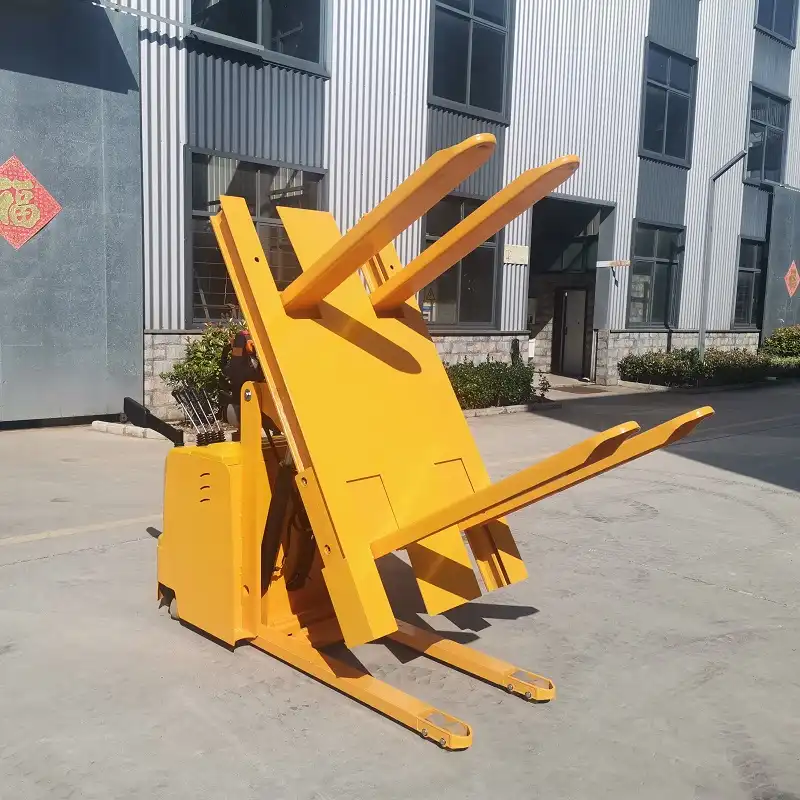
I often tell our clients at FHOPEPACK that automation is not just about replacing human hands. It is about transforming your entire process. For someone like Carlos, who faces labor shortages and safety risks, automation is not a luxury; it is a necessity. However, the path to automation needs careful budgeting. It is a spectrum, and each point on that spectrum comes with its own financial implications.
-
Manual Pallet Changers:
- Initial Cost: These are the most budget-friendly options upfront. They involve operators physically loading and often manually operating the machine’s mechanisms (e.g., using a hand pump or foot pedal for hydraulic functions).
- Operational Cost: While cheap to buy, manual systems have the highest ongoing labor costs. They require constant human intervention, which adds to wages, benefits, and potential overtime. They also come with the highest risk of human error and workplace injuries, leading to potential compensation costs and lost productivity.
- Ideal for: Small operations or those with very low pallet exchange volumes where the cost of labor is less critical than the initial capital outlay. (manual pallet changer price, labor-intensive operations, low volume pallet handling)
-
Semi-Automatic Pallet Changers:
- Initial Cost: These systems strike a balance, offering more automation than manual units but still requiring an operator. They often feature powered hydraulic or electric functions for clamping, lifting, or rotating, controlled via a simple panel or remote.
- Operational Cost: Semi-automatic pallet changers significantly reduce labor dependency compared to manual options. One operator can manage the process with less physical effort, improving efficiency and reducing the risk of injury. This leads to lower ongoing labor costs and better safety records.
- Ideal for: Medium-sized warehouses or operations with moderate pallet exchange volumes looking for a cost-effective way to improve efficiency and safety without a massive upfront investment. (semi-automatic pallet system, reduced labor costs, improved warehouse safety)
-
Fully Automatic Pallet Changers:
- Initial Cost: This is the highest initial investment. Fully automatic systems integrate seamlessly into conveyor lines, requiring minimal to no human intervention for pallet exchange. They often feature advanced sensors, PLC controls, and integration with warehouse management systems (WMS).
- Operational Cost: These systems offer the lowest long-term labor costs. They can run continuously, 24/7, with high throughput, ensuring maximum efficiency and minimal human error. While maintenance might be more specialized, the overall savings from reduced labor, increased speed, and enhanced safety (virtually eliminating manual handling risks) provide a strong return on investment.
- Ideal for: Large-scale distribution centers, high-volume manufacturing, or food and beverage groups like Carlos’s, where speed, consistency, safety, and integration are critical. (fully automated pallet handling, high throughput, WMS integration)
Choosing the right level of automation is about balancing your initial budget with your long-term operational goals. It is a strategic decision that shapes your workforce, safety protocols, and overall cost efficiency. My advice is always to look at the total cost of ownership, not just the purchase price. (total cost of ownership, automation strategy, operational goals)
Why do capacity and speed matter for your budget?
Are you wondering if a higher capacity or faster pallet changer is truly necessary, or just an expensive upgrade? Do you struggle to connect machine specifications like capacity and speed directly to your financial outcomes? For any project budgeting discussion involving pallet changers, understanding the direct link between a machine’s capacity, its operational speed, and your bottom line is absolutely critical. (pallet changer capacity, operational speed, financial outcomes)
Capacity and speed are not just performance metrics; they are direct budget drivers for pallet changer systems. A machine’s capacity (load weight, size variability) determines what it can handle, impacting versatility and future-proofing. Its speed directly affects throughput and labor utilization, translating into operational cost savings or potential bottlenecks and penalties if inadequate.
I recall a client who bought a lower-capacity pallet changer to save money upfront. They soon found themselves in trouble when their product lines expanded and load weights increased. The machine could not keep up, causing bottlenecks and overtime costs. This experience taught me that under-specifying for capacity and speed is a false economy. Carlos, with his thousands of daily pallet movements and urgent customer demands, understands this perfectly.
-
Capacity (Load Weight and Dimensions):
- Definition: This refers to the maximum weight a pallet changer can lift and process, as well as the range of pallet and product dimensions it can accommodate. This includes variations like Euro pallets, US standard pallets, and even plastic or special-sized pallets.
- Budget Impact:
- Higher Capacity/Versatility: A pallet changer designed for heavier loads and a wider range of pallet sizes often costs more initially due to more robust construction, stronger hydraulics, and advanced clamping mechanisms. However, this investment provides significant long-term value. It avoids the need for multiple specialized machines, offers flexibility for future product changes, and ensures compliance with diverse international shipping standards without manual intervention, preventing costly delays and non-compliance fines.
- Lower Capacity/Limited Dimensions: Cheaper upfront, but restricts what you can handle. If your needs change, you might face expensive retrofits or, worse, the need to purchase another machine. This could lead to handling errors, product damage, or an inability to serve certain markets due to pallet compatibility issues.
- Strategic Consideration: For operations like Carlos’s, dealing with frequent Euro to US pallet changes, investing in a machine with adaptable capacity is crucial. It supports diverse supply chain requirements and avoids operational rigidities. (diverse pallet requirements, future-proofing equipment, international shipping compliance)
-
Speed (Cycles Per Hour/Minute):
- Definition: This measures how quickly a pallet changer can complete one full pallet exchange cycle, often expressed in cycles per hour or per minute.
- Budget Impact:
- Higher Speed: Faster machines typically involve more sophisticated engineering, stronger motors, and more advanced control systems, which translate to a higher purchase price. However, the operational benefits are immense. Higher speed means higher throughput, allowing you to process more pallets in less time. This directly impacts labor efficiency (fewer hours needed for the same volume), reduces bottlenecks, and helps meet tight delivery deadlines, which is vital for e-commerce and retail clients. The ability to meet these demands can prevent costly penalties for late shipments and improve customer satisfaction.
- Lower Speed: While cheaper initially, a slow machine can create significant bottlenecks in your logistics chain. This might force you to hire more staff to keep up, pay overtime, or even miss delivery windows, leading to contract penalties and lost business. The perceived savings on the purchase price are quickly eroded by ongoing operational inefficiencies and potential revenue loss.
- Strategic Consideration: Carlos’s challenge of meeting shorter delivery cycles directly links to speed. A fast, reliable pallet changer is not just about moving pallets; it is about maintaining critical customer relationships and avoiding costly operational slowdowns. (throughput efficiency, delivery deadlines, customer satisfaction)
Properly aligning capacity and speed specifications with your actual and anticipated operational demands is a smart budgeting move. It ensures you invest in a solution that scales with your business and provides maximum long-term value, rather than becoming a bottleneck or an expensive underutilized asset. (scalable solutions, long-term value, operational demands)
What customization options add to your investment?
Are you thinking about a standard pallet changer, but your unique warehouse layout or product line demands something more specific? Do you wonder if these “extra” features are worth the added cost? For many businesses, off-the-shelf solutions simply do not fit perfectly. Customization options for pallet changers can greatly enhance efficiency and safety, but they also significantly influence your project budget. (custom pallet changer, specialized equipment, unique warehouse needs)
Customization options, such as special dimensions, hygiene-specific materials, integrated conveying, or advanced safety features, add to the initial investment of a pallet changer. While these modifications increase upfront costs, they often provide tailored solutions that lead to greater operational efficiency, enhanced safety, and improved compliance, delivering a strong return over the machine’s lifespan.
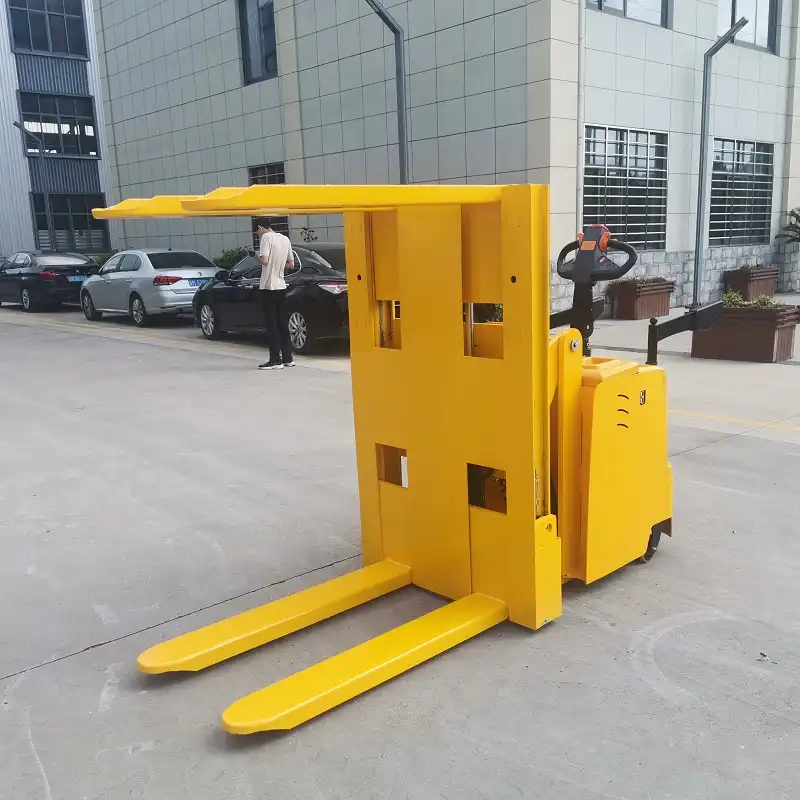
At FHOPEPACK, we have worked with countless clients who needed more than a basic machine. I remember a specific food processing plant that required stainless steel construction and wash-down capabilities to meet strict hygiene standards. A standard painted steel machine would have been cheaper, but it would have failed compliance and put their products at risk. This is where customization becomes a smart investment. Carlos, operating in the food and beverage sector, would understand this need for specific solutions.
-
Special Dimensions and Layout Integration:
- Description: This involves modifying the machine’s size, shape, or orientation to fit into tight spaces, integrate with existing conveyor systems, or accommodate unusually large or small pallets/loads. It could also include specific loading/unloading configurations.
- Budget Impact: Designing and manufacturing custom frames, platforms, or unique load interfaces increases engineering and fabrication costs. However, this ensures seamless integration into your existing production or warehouse lines, preventing costly disruptions, manual workarounds, or the need to extensively reconfigure your entire facility. It optimizes space utilization and workflow.
- Example for Carlos: If Carlos’s distribution center has very specific aisle widths or ceiling heights, a standard pallet changer might not fit. A customized footprint ensures it works within his current layout, avoiding expensive building modifications. (warehouse layout optimization, custom machine dimensions, conveyor system integration)
-
Material Construction (e.g., Stainless Steel, Galvanized):
- Description: Choosing specific materials for the machine’s construction, such as food-grade stainless steel for hygienic environments, or galvanized steel for harsh, corrosive settings.
- Budget Impact: Stainless steel or other specialized materials are more expensive than standard painted mild steel. The added cost is justified in industries like food and beverage (Carlos’s sector) where hygiene, corrosion resistance, and ease of cleaning are paramount. This prevents product contamination, meets regulatory compliance (like HACCP), and extends the machine’s lifespan in demanding conditions, ultimately saving on repairs, replacements, and potential recalls.
- Example for Carlos: For a food and beverage group, hygiene is non-negotiable. Investing in a stainless steel pallet changer ensures food safety and prevents costly regulatory fines or brand damage. (food-grade equipment, hygiene standards, regulatory compliance)
-
Advanced Safety Features and Interlocks:
- Description: Beyond standard safety guards, this includes features like light curtains, safety laser scanners, access control systems, emergency stop logic, and integration with overall plant safety protocols.
- Budget Impact: Incorporating advanced safety features adds to the design, component, and installation costs. However, these investments are crucial for protecting workers and preventing accidents. For Carlos, who has already experienced safety risks with manual handling, these features are invaluable. They reduce the likelihood of injuries, minimize insurance premiums, avoid costly downtime due to accidents, and ensure compliance with stringent workplace safety regulations. The cost of an accident far outweighs the cost of prevention.
- Example for Carlos: Implementing light curtains around an automatic pallet changer ensures that human operators are protected, addressing Carlos’s concern about reducing injury risks. (workplace safety features, reduced injury risk, safety compliance)
-
Integrated Conveyor Systems and Controls:
- Description: Incorporating pallet changers directly into a fully automated conveyor line, often with custom software for seamless communication between the changer, conveyors, and a central WMS/MES system.
- Budget Impact: This is a significant customization that increases cost due to additional hardware (conveyors, sensors), advanced PLC programming, and system integration efforts. However, it creates a truly hands-off operation, maximizing throughput and labor savings. For high-volume operations, the efficiency gains, reduced human error, and optimized material flow lead to substantial long-term cost reductions and faster return on investment.
- Example for Carlos: An integrated system helps Carlos achieve his goal of higher automation and faster delivery cycles by eliminating manual intervention between pallet changing and onward transportation. (integrated logistics solutions, automated material flow, WMS integration)
Customization is not always about spending more; it is about spending smarter. It ensures your pallet changer is perfectly aligned with your operational needs, delivers maximum value, and supports your strategic goals without unnecessary compromises. (smart investment, operational alignment, strategic goals)
How do hidden costs influence total project spending?
Are you only looking at the purchase price when budgeting for a new pallet changer, hoping to avoid unexpected expenses? Do you often find that project costs escalate beyond your initial estimates? Ignoring the hidden costs associated with a pallet changer project can significantly derail your budget, turning a seemingly good deal into a long-term financial headache. (hidden costs, project budget overrun, total cost of ownership)
Hidden costs like installation, site preparation, training, maintenance, spare parts, and energy consumption greatly influence the total project spending for a pallet changer. While these are often overlooked in initial estimates, factoring them in from the start provides a more accurate budget, prevents unwelcome surprises, and ensures the long-term financial viability of your investment.
When I help clients plan their pallet changer projects, I always emphasize that the machine itself is only one part of the equation. I have seen companies make excellent choices on equipment, only to be surprised by installation fees or ongoing maintenance needs. For Carlos, a results-oriented manager, understanding these hidden costs is key to truly achieving cost-controlled operations.
-
Installation and Site Preparation:
- Description: This includes costs for professional installation services, electrical wiring, pneumatic connections, safety guarding setup, and any necessary modifications to your facility’s floor or infrastructure to accommodate the new machine.
- Budget Impact: These costs can range from a few thousand to tens of thousands of dollars, depending on the complexity of the machine and your existing infrastructure. Failing to budget for proper site preparation can lead to delays, additional construction costs, or suboptimal machine performance. A well-planned installation ensures the machine operates safely and efficiently from day one, avoiding expensive retrofits later. (installation costs, facility modifications, efficient startup)
-
Training and Onboarding:
- Description: Costs associated with training your operators and maintenance staff on how to use, troubleshoot, and maintain the new pallet changer effectively.
- Budget Impact: While often seen as an optional extra, proper training is a critical investment. Untrained staff can lead to operational errors, slower production, increased downtime, and potential safety incidents. Budgeting for comprehensive training ensures your team can maximize the machine’s efficiency, reduce costly mistakes, and perform basic maintenance, extending the machine’s life and preventing expensive service calls. (operator training, maintenance staff education, reduced operational errors)
-
Ongoing Maintenance and Spare Parts:
- Description: Regular scheduled maintenance, preventive care, and the cost of stocking critical spare parts (e.g., hydraulic components, sensors, motors, wear parts).
- Budget Impact: All machines require maintenance. Neglecting this leads to breakdowns, costly emergency repairs, and significant downtime, which can halt your entire operation. Budgeting for a maintenance schedule and a stock of essential spare parts minimizes unexpected interruptions and extends the machine’s operational life. Partnering with a supplier like FHOPEPACK, known for good after-sales support, can also help manage these costs by providing reliable parts and service. (preventive maintenance, spare parts inventory, equipment longevity)
-
Energy Consumption:
- Description: The electricity (and sometimes compressed air) required to operate the pallet changer daily.
- Budget Impact: Energy costs are an ongoing operational expense. While individual machines might not consume huge amounts, for a high-volume operation running 24/7, these costs add up. Choosing energy-efficient models (e.g., using servo motors instead of only hydraulic systems) can lead to significant long-term savings. Factor in your local electricity rates and the machine’s power draw to get an accurate estimate. (energy efficiency, operational expenses, long-term savings)
-
Software and Integration Costs:
- Description: If your pallet changer integrates with a Warehouse Management System (WMS) or other production software, there might be costs for software licenses, customization, and integration services.
- Budget Impact: For fully automated systems, WMS integration is vital for optimal performance. These costs can be substantial but enable seamless data flow, improved inventory management, and higher overall automation efficiency. For Carlos, achieving higher automation might involve such integration, and budgeting for it ensures his system works as a cohesive whole, not just isolated machinery. (WMS integration, software licensing, data flow efficiency)
Thinking holistically about all these potential costs upfront helps you create a realistic budget and avoid financial pitfalls. It is about understanding the total cost of ownership, not just the initial sticker price, to make a truly informed investment. (total cost of ownership, realistic budgeting, informed investment)
What support and after-sales service really cost?
Are you assuming that once you buy a pallet changer, your supplier relationship ends? Do you underestimate the value of good after-sales support when it comes to your budget? For a long-term investment like a pallet changer, the quality and cost of support and after-sales service from your supplier are not just conveniences; they are critical budget line items that impact operational continuity and overall cost-effectiveness. (after-sales service cost, operational continuity, long-term equipment support)
The cost of support and after-sales service, including warranties, technical assistance, and parts availability, significantly affects the total project budget. While robust support might add to the initial price, it reduces downtime, extends machine life, and ensures rapid issue resolution. This ultimately saves money by minimizing lost production and avoiding costly, prolonged repairs, making it a wise investment for long-term operational stability.
My journey from factory employee to FHOPEPACK founder taught me that a machine is only as good as the support behind it. I have seen companies struggle when their equipment breaks down, and the supplier is unresponsive. For managers like Carlos, who value reliability and are looking for a long-term partner, not just a seller, excellent after-sales support is a non-negotiable part of the investment. A reliable supplier, like FHOPEPACK or SHJLPACK, understands this.
-
Warranty Coverage:
- Description: The duration and scope of the guarantee provided by the manufacturer against defects or failures.
- Budget Impact: A longer, more comprehensive warranty might slightly increase the initial purchase price, but it offers significant peace of mind. It protects your budget from unexpected repair costs during the critical initial operational period. A strong warranty signals the manufacturer’s confidence in their product quality and can save you thousands in potential parts and labor expenses should an issue arise. (equipment warranty, repair cost protection, manufacturer reliability)
-
Technical Support and Troubleshooting:
- Description: Availability of qualified technicians for remote assistance, phone support, and on-site visits to diagnose and resolve issues.
- Budget Impact: Access to prompt and effective technical support is invaluable. Every minute a machine is down is revenue lost. If your supplier offers quick response times and knowledgeable support, it minimizes downtime and reduces the need for expensive, specialized in-house staff. Some suppliers offer tiered support packages, so budget for the level of responsiveness your operation truly needs to avoid critical production halts. (technical assistance, minimizing downtime, production continuity)
-
Spare Parts Availability and Lead Times:
- Description: How quickly and easily you can obtain replacement parts for your pallet changer.
- Budget Impact: Slow or difficult access to spare parts can lead to extended downtime, significantly impacting your budget through lost production and delayed shipments. A supplier with a readily available stock of common spare parts and efficient logistics can ensure rapid repairs. Factor in whether the supplier maintains local stock or requires international shipping, as this affects both cost and lead time. This is especially important for critical components that wear out over time. (spare parts logistics, equipment maintenance, operational uptime)
-
Service Contracts and Preventive Maintenance Programs:
- Description: Optional agreements with the supplier for regular scheduled maintenance, inspections, and priority service.
- Budget Impact: While an additional recurring cost, service contracts can be a wise investment. They ensure your machine receives expert care, preventing major breakdowns and extending its operational life. These programs often include priority scheduling for repairs and may cover labor costs for routine service, making your maintenance budget more predictable and manageable. This proactive approach saves money in the long run by avoiding expensive emergency repairs. (preventive maintenance programs, predictable budget, proactive service)
Choosing a supplier known for excellent after-sales support is a strategic budgeting decision. It reduces the financial risk of unexpected breakdowns and ensures your pallet changer remains a reliable asset for years to come. This is exactly what Carlos seeks in a long-term partner. (reliable supplier, strategic investment, reduced financial risk)
Insight Conclusion: Choosing the Right Pallet Changer for Your Budget?
Are you still wondering how to bring all these specifications and costs together to make the best purchasing decision? The path to choosing the right pallet changer for your budget requires more than just comparing price tags. It demands a holistic view that considers all direct and hidden costs, paired with your unique operational needs and long-term goals.
To choose the right pallet changer for your budget, you must analyze total cost of ownership, not just the purchase price. Factor in automation level, capacity, customization, and ongoing support. Prioritize solutions that meet your specific challenges like labor shortage, safety risks, and diverse pallet needs to ensure long-term ROI and operational efficiency.
My journey with FHOPEPACK taught me that the best investment is one that solves your biggest problems while making financial sense. For managers like Carlos, prioritizing a reliable pallet inverter or changer that aligns with safety, efficiency, and long-term partnership goals is paramount. It is about strategic spending that yields sustainable success.








