
How Do Orbital Wrapping Machines Handle Both Round and Flat-Shaped Products Efficiently?
Have you ever looked at your factory’s packing line, watching workers struggle with awkwardly shaped products like heavy steel coils or long, flat metal profiles, and felt that knot of frustration? The slow pace, the potential for injury, the constant worry about product damage – it’s a reality many plant managers, especially those in demanding sectors like metal processing in places like Mexico, face daily. You know there has to be a better way to secure these diverse items without sacrificing efficiency or risking your team.
Orbital wrapping machines are specifically engineered to handle both round and flat-shaped products with remarkable efficiency and versatility, using a horizontal rotating arm that wraps stretch film 360 degrees around the item as it passes through the machine. This design allows for a secure, tight wrap that conforms to various geometries, making them an ideal solution for packaging everything from bulky coils and wire bundles to long profiles and panel materials.
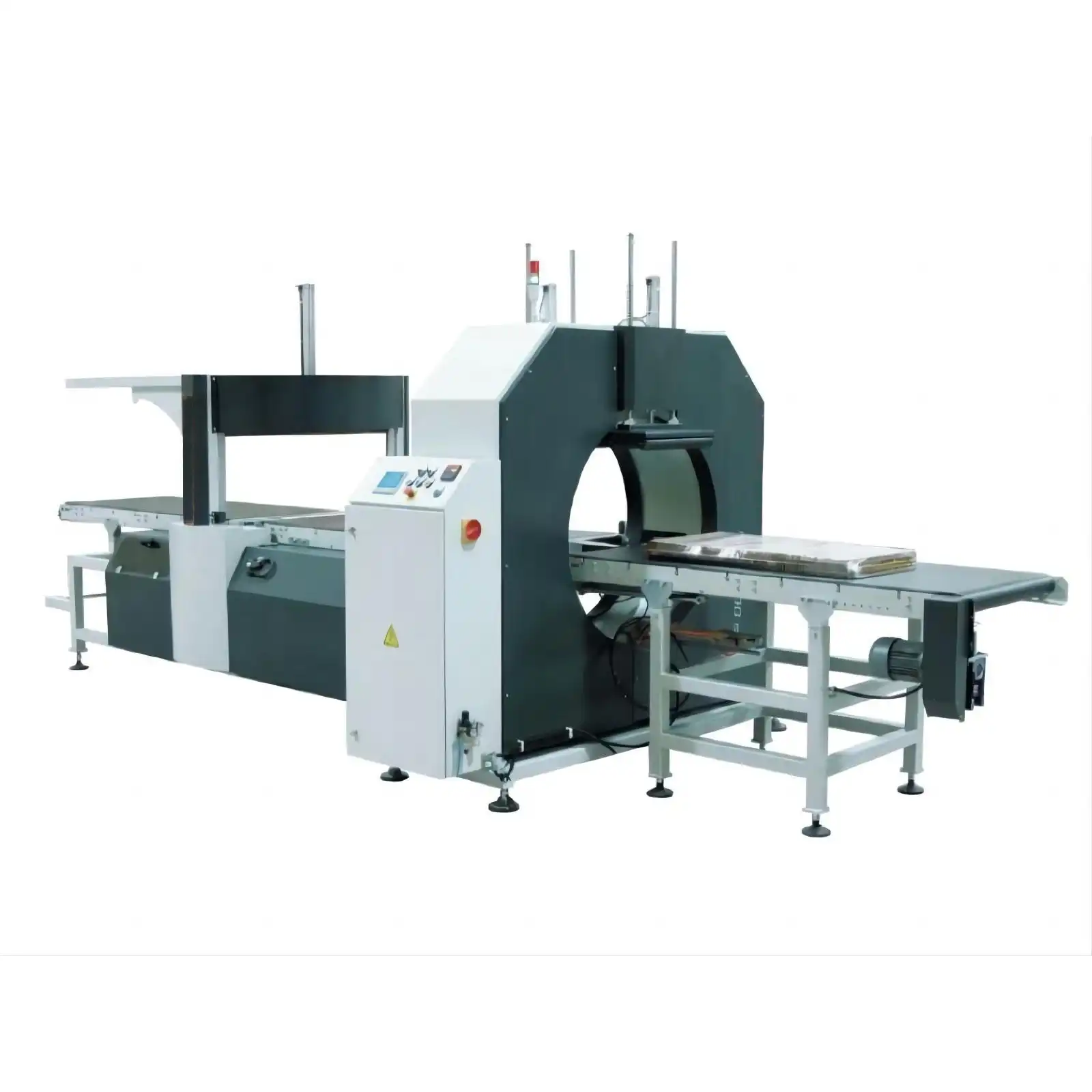
As someone who built a packing machine factory from the ground up, I understand the critical balance between production demands and operational challenges. If you’re looking for solutions that genuinely address your efficiency bottlenecks, safety concerns, and the need for durable equipment, then stick with me. We’ll explore how these ingenious machines can transform your packaging process, regardless of your product’s shape.
How Do Orbital Wrappers Adapt to Different Product Shapes and Sizes?
Are you tired of packaging machines that only handle one type of product, forcing you to use inefficient manual methods for everything else? This limitation often leads to production bottlenecks and inconsistent packaging quality across your varied product lines. The problem isn’t just about speed; it’s about the costly compromises you make when your equipment can’t keep up with your diverse manufacturing output.
Orbital wrappers adapt to different product shapes and sizes primarily through their flexible wrapping ring aperture, variable tension control, and adjustable product handling systems. The open design allows a wide range of dimensions to pass through, while film tension can be precisely set to conform tightly to both circular profiles like coils and linear items such as steel bars or aluminum extrusions, ensuring a stable and protective wrap.
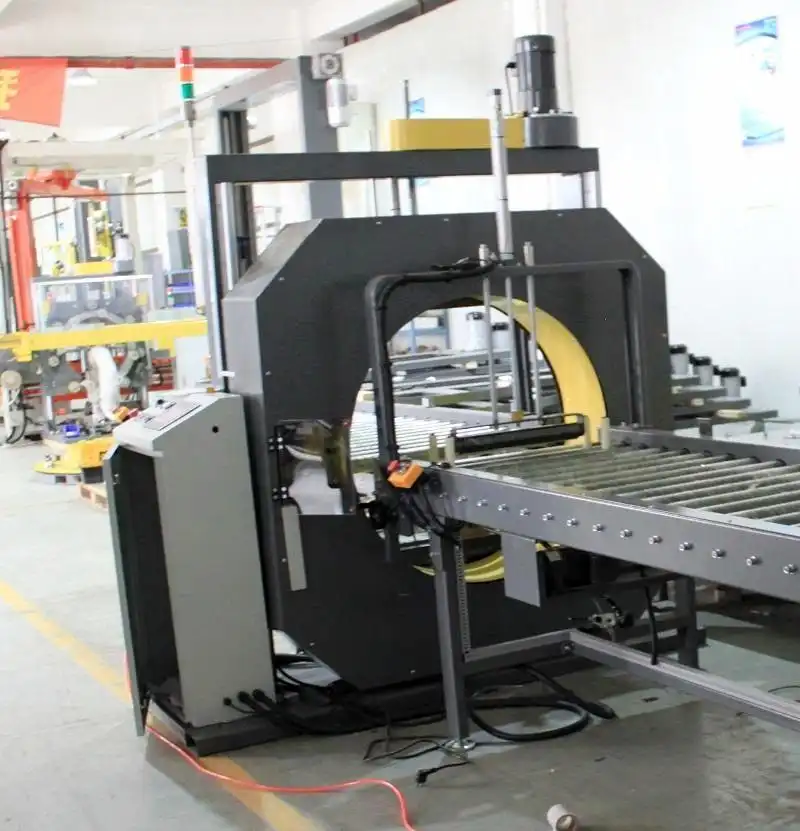
The true genius of an orbital wrapping machine lies in its mechanical adaptability. It’s not just a “one-trick pony” but a robust system designed to tackle the real-world complexities of an industrial setting. Let’s dig deeper into how FHOPEPACK designs these machines to be so versatile.
The Mechanics of Adaptability:
When we talk about handling different shapes, it’s about more than just fitting the product. It’s about securing it properly. For example, a heavy steel coil needs a different approach than a bundle of delicate copper pipes or long, flat panels.
- Variable Aperture Size: The first critical feature is the size of the wrapping ring’s opening. FHOPEPACK, for instance, offers a range of models with different aperture dimensions. This means we can match the machine’s “throat” to your largest product. Michael, managing a metal processing plant, might deal with various coil diameters or long steel beams. Our machines are designed with generous openings, from compact models for wire coils to large-scale systems capable of handling massive steel plates or construction profiles. This flexibility ensures that whether you have a small, tightly wound wire coil or a wide, flat metal sheet, the product can safely pass through the wrapping zone.
- Adjustable Wrapping Tension: This is where the magic happens for product protection. Different products require different film tension.
- Round Products (Coils, Wire Bundles): For these, a higher tension might be applied to ensure the film compresses the layers, preventing unraveling and providing stability. The orbital motion naturally follows the curve, creating a smooth, strong barrier.
- Flat Products (Panels, Profiles): For flat items, tension might be adjusted to avoid crushing while still ensuring the film is taut enough to prevent shifting. The constant rotation of the film dispenser around the product ensures overlap on all sides, providing comprehensive protection against dust, moisture, and minor abrasions during transit or storage.
- Integrated Product Conveyance Systems: How the product moves through the wrapper is just as important. Our machines can be integrated with various conveying solutions:
- Powered Roller Conveyors: Ideal for heavy, round objects like coils, allowing them to roll smoothly through the wrapping path.
- Belt Conveyors: Better for lighter or irregularly shaped products, providing a stable, flat surface.
- Side Pressing Devices: For long, unstable flat products, these devices can gently hold the product in place as it’s being wrapped, preventing movement and ensuring a consistent wrap pattern.
- Custom Guides: Sometimes, unique product dimensions require custom guides or fixtures within the machine to ensure stable positioning during wrapping. This is a common request I’ve seen from clients in the heavy industrial sector.
- Film Application Versatility: Beyond just stretch film, some orbital wrappers can apply other materials like woven fabric or paper for added protection or branding. This multi-material capability further broadens their application range. FHOPEPACK always focuses on providing solutions that meet specific packaging requirements, not just generic wrapping. This adaptability allows manufacturers in Mexico, dealing with various metal products, to consolidate their packaging needs into one highly efficient system. (Orbital Wrapper Versatility, Product Shape Adaptability, Industrial Packaging Flexibility)








