
How Do Orbital Stretch Wrappers Reduce Damage in Long-Distance Transport Across Australia’s Supply Chains?
Have you ever considered the true cost of damaged goods in transit? For businesses moving large, bulky, or oddly shaped products across long distances, especially in a vast country like Australia, product damage is a constant nightmare. Each dented pipe, scratched coil, or broken part means customer complaints, returns, insurance claims, and ultimately, lost profits. It slows down your entire operation, creates bottlenecks, and eats into your margins. And let us not forget the manual handling risks involved, which I saw often in my own factory days. But there is a proven solution that tackles these issues head-on: orbital stretch wrappers. These machines are changing how businesses protect their valuable goods.
Orbital stretch wrappers reduce damage by creating a highly secure, tightly wrapped package that protects products from impacts, moisture, and dust during transport. They wrap the product 360 degrees, forming a strong barrier around the item. This method stabilizes irregular loads and prevents shifting, which is a common cause of damage on long journeys across Australia.
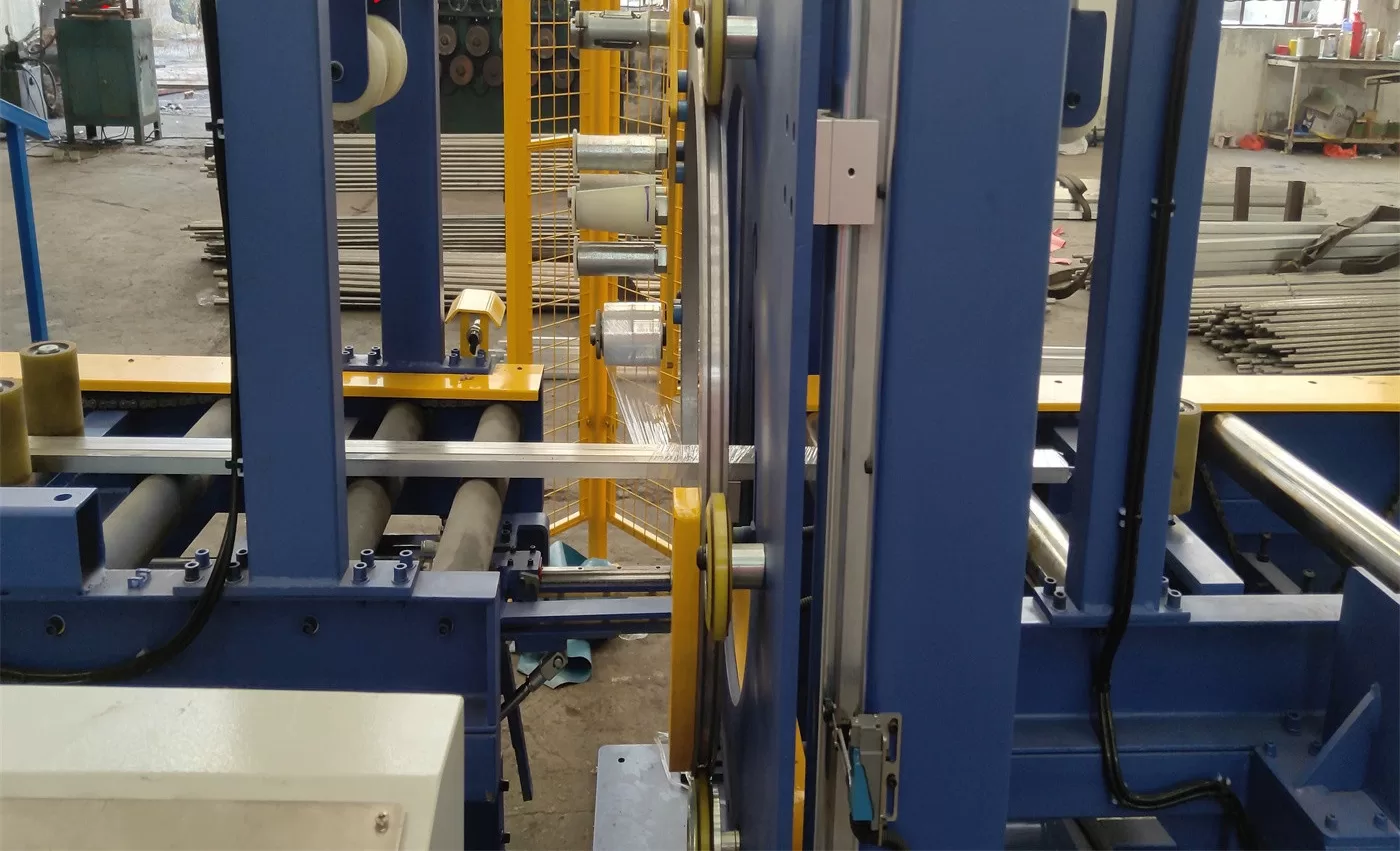
So, how exactly do these machines work their magic? Let us dive deeper into the specific ways orbital stretch wrappers safeguard your products and improve your operations.
Why is traditional packing often not enough for long-distance transport?
For years, many factories, including my own in the early days, relied on manual packing methods or simple pallet wrapping for their products. While these methods might seem cheap upfront, they often fall short when products travel across vast distances, like those found in Australia. Manual handling is slow, unsafe, and inconsistent. Products are vulnerable to damage from vibration, impact, and moisture. This leads to costly returns and unhappy customers. We need to understand why these traditional approaches fail before we can truly appreciate the benefits of a better system.
Traditional packing methods, such as manual wrapping or basic palletizing, are often not enough for long-distance transport because they lack the comprehensive, multi-sided protection needed to withstand the rigors of shipping. They do not fully secure irregularly shaped items. This leaves products exposed to movement, abrasion, and environmental factors throughout the supply chain.

When I first started in the packing machine industry, I saw many companies struggling with product damage. They would spend a lot of time and money making a high-quality product, only to have it arrive damaged at the customer’s door. This was very frustrating for everyone involved. The old ways of packing simply cannot keep up with the demands of modern logistics, especially when products travel thousands of kilometers.
Limits of Manual Packing
Manual packing means workers wrap products by hand. This is slow and uses a lot of labor. It also carries high safety risks, especially when workers handle heavy or awkward items like steel coils or pipes. I remember countless times in my factory when we received complaints about scratched pipes or rusted coils. It was frustrating because we had worked hard to produce quality goods. The problem was not production; it was often the final mile of protection or the journey in between. Workers might not wrap every product the same way. This means some packages are weaker than others. A weak package is more likely to break or let the product get damaged during transit. This leads to higher insurance costs and can even cause employee turnover due to injuries.
Inadequacy of Basic Pallet Wrapping
Regular pallet wrapping machines work well for standard palletized boxes. But they do not offer enough protection for long, heavy, or oddly shaped items. Think about steel bars, timber, or aluminum profiles. These items stick out from the pallet. They can move around, rub against each other, or get hit during transport. Standard wrapping only covers the sides and top of a pallet. It does not secure the entire product in all directions. This leaves parts of the product exposed to damage. For example, the edges of steel coils are very prone to damage if not secured properly. This type of damage can cost a factory a lot of money in rework or customer complaints.
Common Types of Damage in Transit
Products face many dangers during long-distance transport. These dangers cause different kinds of damage.
- Impact Damage: This happens when products hit something hard. It can be from sudden stops, bumps in the road, or items shifting inside a truck. An unsecured long product can swing and hit the truck walls or other cargo. This causes dents, bends, or breaks.
- Abrasion Damage: This occurs when surfaces rub against each other. During long journeys, vibrations can cause products to rub against their packaging or against other items in the shipment. This leads to scratches, scuffs, or wear on the product surface. For metal products, this can remove protective coatings.
- Moisture Damage: Rain, humidity, or condensation inside a truck can cause rust on metal products. It can also damage wood or other sensitive materials. Traditional wrapping might not offer a full seal, letting moisture in.
- Dust and Dirt Contamination: Products can get dirty during loading, unloading, or transit. This is especially true in dusty environments like construction sites or unpaved roads in Australia. Dust can get into machinery parts or ruin the appearance of finished goods.
- Vibration Damage: Long road trips, especially over rough terrain, create constant vibrations. These vibrations can loosen fasteners, cause parts to shift, and even lead to fatigue cracks in materials. Products need to be held very tightly to resist this.
These issues are magnified in Australia’s vast supply chains, where distances are immense and conditions vary greatly. Relying on old methods simply means accepting a certain level of damage. That is not something a modern factory manager, like Michael, can afford. They need reliable equipment that can withstand the high-intensity, demanding environment of their factory and the rigors of long-haul transportation.
| Damage Type | Description | Impact on Product |
|---|---|---|
| Impact Damage | Hits from movement or external forces | Dents, bends, cracks |
| Abrasion Damage | Rubbing against surfaces during transit | Scratches, scuffs, coating loss |
| Moisture Damage | Exposure to water, humidity, condensation | Rust, mold, material degradation |
| Dust Contamination | Accumulation of dirt particles | Aesthetic damage, functional issues |
| Vibration Damage | Constant shaking during long journeys | Loosening, structural fatigue |
How do orbital stretch wrappers provide superior product protection?
Many factory managers wonder how a single machine can solve so many packing problems. They might think their current method is good enough. But the unique design of orbital stretch wrappers offers a level of protection that manual methods or standard machines cannot match. These machines truly secure products for the toughest journeys. It is about more than just wrapping; it is about creating a resilient barrier.
Orbital stretch wrappers provide superior product protection by wrapping items horizontally through a central ring, creating a 360-degree, tightly tensioned film barrier around the entire product. This method fully encapsulates long or oddly shaped goods, preventing shifting, absorbing impacts, and protecting against moisture, dust, and abrasion from all angles during transport.
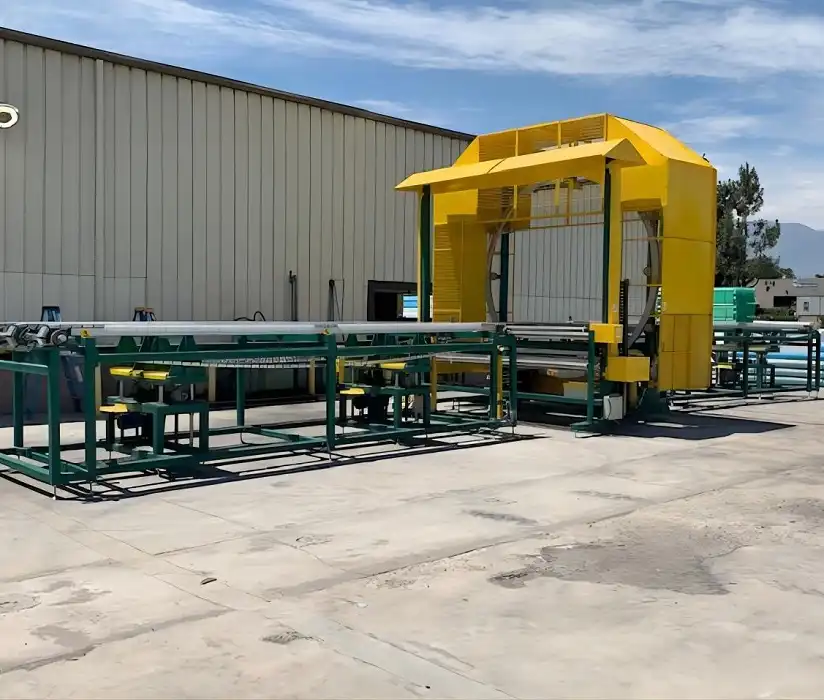
When I first saw an orbital wrapper in action, I was very impressed. It was a clear step up from anything I had used or seen before in my own factory. The way it created a complete, tight seal around the product was exactly what we needed to protect items like steel coils and wires for long journeys. It addresses the core problem of product movement and exposure.
The Mechanism of Orbital Wrapping
An orbital stretch wrapper works by having a large ring that rotates around the product. The product itself stays still on a conveyor or a set of rollers. As the ring spins, it feeds stretch film around the product’s entire length. This means the film wraps tightly around all sides of the item as it passes through the center of the machine. This is different from a pallet wrapper, which only wraps around the sides of a stacked load. The orbital motion ensures that every part of the product receives multiple layers of film, providing full coverage. The film is also stretched tightly, which helps to compress the load and hold it firmly in place. This prevents parts from moving or rubbing against each other.
Comprehensive 360-Degree Protection
The main advantage of orbital wrapping is its 360-degree coverage. Imagine a long steel pipe. A regular wrapper might only wrap its ends or its middle when on a pallet. An orbital wrapper wraps the entire length of the pipe. This means the pipe is protected from all directions. This full encirclement creates a strong protective skin.
- Impact Absorption: The multiple layers of stretch film act like a shock absorber. If the package gets bumped, the film can flex and absorb some of the force. This reduces the chance of damage to the product inside.
- Moisture and Dust Barrier: The tight, overlapping layers of film create a strong barrier. This barrier keeps out water, humidity, and dust. This is crucial for metal products that can rust easily or sensitive items that need to stay clean. I know Michael is concerned about product loss due to damage, and rust is a big part of that.
- Anti-Abrasion Shield: With film covering all surfaces, the product does not rub directly against anything. The film takes the brunt of any rubbing. This protects the product’s finish and integrity. This is very important for expensive finished goods or coated materials.
- Load Stabilization: The continuous wrap compresses the product. This stops it from shifting or moving inside the package. For long or irregular items, this stability is key to preventing damage from internal movement during transport. This prevents the “rattling around” that causes so much damage on long trips across uneven roads.
Benefits of High Film Tension
Orbital stretch wrappers use high tension to apply the film. This tension is very important for several reasons. First, it pulls the film tight around the product, making the package very compact and stable. This firmness helps hold irregular items, like a coil, in shape. Second, the high tension increases the film’s strength. A tightly stretched film is much harder to puncture or tear than a loose one. This means better protection against external impacts and sharp objects. Third, using high tension means less film is needed to create a strong package. This reduces material costs over time. My experience has shown that a well-engineered machine balances film tension and material use, giving you the best protection with the least waste. This cost saving is directly tied to a better return on investment (ROI), which is something Michael, as a factory manager, would definitely look for.
How do orbital wrappers improve operational efficiency and safety?
For any factory manager, efficiency and safety are top priorities. Many assume that introducing new machinery is a complex process. But orbital stretch wrappers do more than just protect products; they also make the entire packing process faster, safer, and more reliable. I have seen firsthand how these machines transform a bottleneck area into a smooth, efficient operation.
Orbital stretch wrappers improve operational efficiency by automating a slow, manual packing process, significantly increasing throughput and consistency. They enhance safety by eliminating the need for workers to manually handle heavy or awkward products during wrapping, reducing the risk of injuries and creating a safer work environment in busy factory settings.
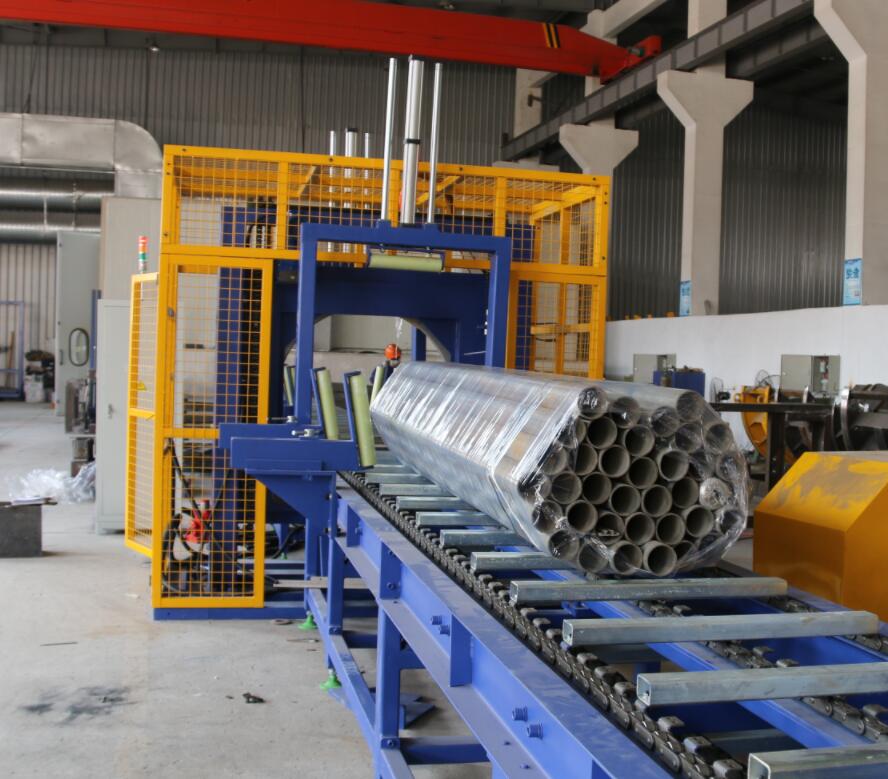
In my own journey, from an employee to a factory owner, I learned that true efficiency comes from smart investments in reliable equipment. It is not just about making more products; it is about making them safely and consistently. Michael’s challenges with manual packing, slow processes, and high safety risks resonate deeply with my experiences. This is where orbital wrappers shine.
Automation and Speed
Manual packing is slow. Workers need to move around the product, unroll film, and apply it by hand. This takes a lot of time, especially for large or heavy items. It creates a bottleneck at the end of the production line. Orbital stretch wrappers automate this entire process. Once the product is on the conveyor, the machine does all the work.
- Increased Throughput: An orbital wrapper can wrap many products in an hour, much faster than any human team. This speed means products get packed and shipped quicker. This helps factories meet tight delivery schedules. For a busy metal processing plant, faster packing directly supports higher overall production and delivery speeds.
- Consistent Quality: Machines wrap products the same way every time. This means every package has the same level of protection. There is no guesswork or variation based on who is wrapping. This consistency is vital for maintaining product quality and customer satisfaction. It helps prevent those costly product damages Michael worries about.
- Reduced Labor Costs: With automation, fewer workers are needed for packing. This reduces labor costs. Workers can then move to other tasks that need human skill, like quality control or machine operation. This makes the workforce more effective. While there is an initial investment, the long-term savings are clear.
Enhanced Safety Features
One of the biggest concerns in any factory is worker safety. Handling heavy, long, or awkward products during manual packing is very dangerous. Workers can get injured from lifting, bending, or being hit by moving items. Orbital stretch wrappers significantly reduce these risks.
- Elimination of Manual Handling: Products are loaded onto the machine’s conveyor system. Workers do not need to lift or rotate the heavy items for wrapping. The machine does the heavy lifting. This greatly reduces the risk of back injuries, strains, and other accidents. This directly addresses Michael’s safety concerns about high injury risks and insurance costs from manual handling.
- Controlled Environment: The wrapping process happens inside the machine’s safety guards. This keeps workers away from moving parts. Many machines also have emergency stop buttons and sensors to prevent accidents.
- Improved Workplace Ergonomics: With less strenuous manual work, the overall physical strain on employees decreases. This leads to a healthier workforce and can reduce absenteeism due to work-related injuries. A safer environment also means lower insurance premiums for the company.
- Focus on Worker Well-being: Investing in automated safety solutions shows that a company cares about its employees. This can improve morale and reduce staff turnover, which is a common problem when jobs are physically demanding and dangerous.
From my experience, switching to an automated system like an orbital wrapper is not just about getting machines. It is about building a safer, more productive workplace for everyone. It means moving from a reactive approach to safety (dealing with injuries) to a proactive one (preventing them).
How do orbital wrappers offer a strong return on investment for businesses?
Making a big investment in new equipment always needs a clear business case. Factory managers, like Michael, must justify the cost by showing a strong return on investment (ROI). Orbital stretch wrappers deliver this ROI through various savings and benefits that go beyond just preventing damage. They are a strategic investment for long-term growth and profitability.
Orbital stretch wrappers offer a strong return on investment for businesses by significantly reducing product damage and returns, lowering labor costs, minimizing material consumption through efficient film application, and increasing overall production throughput. These combined savings and efficiency gains quickly offset the initial investment, boosting profitability for the company.

When I was building my factory, every equipment purchase had to make sense financially. It was not just about buying a machine; it was about investing in a solution that would pay for itself. I learned to look at the big picture: how much money would this save me in the long run? Orbital wrappers, especially for industries like steel and metal processing, consistently show a clear path to profitability. They address the core challenges of cost control and efficiency.
Reduced Damage and Claims
The most direct way orbital wrappers save money is by cutting down on damaged products. Every damaged product means:
- Rework or Scrap: The cost of fixing a damaged item or having to throw it away.
- Returns and Reshipment: The cost of shipping the damaged item back and sending a new one.
- Customer Dissatisfaction: Lost future orders and a damaged reputation. Michael mentioned customer complaints due to product damage, which is a direct hit to business.
- Insurance Claims: While insurance covers some costs, frequent claims can lead to higher premiums.
By dramatically reducing damage, a factory saves money on all these fronts. The product arrives in perfect condition, and the customer is happy. This leads to repeat business and positive word-of-mouth.
Lower Operational Costs
Beyond avoiding damage, orbital wrappers bring other cost savings.
- Labor Savings: As discussed, automating the packing process reduces the need for manual labor. This means lower payroll expenses or the ability to reallocate staff to other high-value tasks. This directly impacts the bottom line and addresses Michael’s goal of reducing labor costs.
- Material Efficiency: Orbital wrappers use stretch film very efficiently. They stretch the film to its maximum capacity, meaning less film is needed per package compared to manual wrapping. This can lead to significant savings on film costs over time. Many machines also have pre-stretch capabilities that stretch the film even further, making each roll last longer.
- Reduced Waste: Less product damage means less material waste from scrapped items. More efficient film usage means less film waste. This also contributes to a more sustainable operation.
Increased Production Capacity
An efficient packing line directly supports the entire factory’s output. If packing is a bottleneck, the whole production line slows down. By speeding up the packing process, orbital wrappers allow the factory to produce and ship more goods.
- Higher Throughput: Faster packing means more products can be processed in a given workday. This directly increases the factory’s capacity to take on more orders and generate more revenue.
- Improved Lead Times: Quicker packing leads to faster delivery times for customers. This can be a competitive advantage, attracting more business.
- Better Resource Utilization: With packing flowing smoothly, other parts of the factory are not waiting. This means better use of machinery and labor throughout the entire operation.
When I look back at my own factory’s growth, investing in smart, efficient machinery was a key step towards financial independence. It allowed us to scale up our operations and take on larger clients. For a factory manager like Michael, who wants to enhance automation, improve safety, and cut costs, the ROI of an orbital wrapper is not just theoretical. It is a proven path to operational excellence and business growth. It is about making smart, long-term decisions that boost profitability.
Conclusion
Orbital stretch wrappers are vital for reducing product damage in long-distance transport, especially in Australia. They offer superior 360-degree protection, boost efficiency, and enhance safety, leading to a strong return on investment for businesses.








