
How Do Handling Systems Adapt to Different Coil Widths and Diameters?
Have you ever seen the chaos that can happen when a steel plant tries to handle coils of all shapes and sizes? Imagine coils weighing tons, with varying widths and diameters, all needing precise movement and perfect packaging. If your system is not flexible, it creates bottlenecks, increases risks, and can even cost you customers. This is a common pain point I have seen countless times in my career. Many production directors, like Ivan in Russia, face this daily. They need solutions that truly work.
Modern coil handling systems adapt to different coil widths and diameters through smart modular design, automated sensing technologies, and adjustable mechanical components. These systems use advanced PLCs to detect coil dimensions in real-time, then automatically reconfigure conveyors, tilters, and strapping machines. This ensures a seamless workflow, regardless of the coil’s physical specifications, drastically improving efficiency and safety in busy facilities like steel mills.
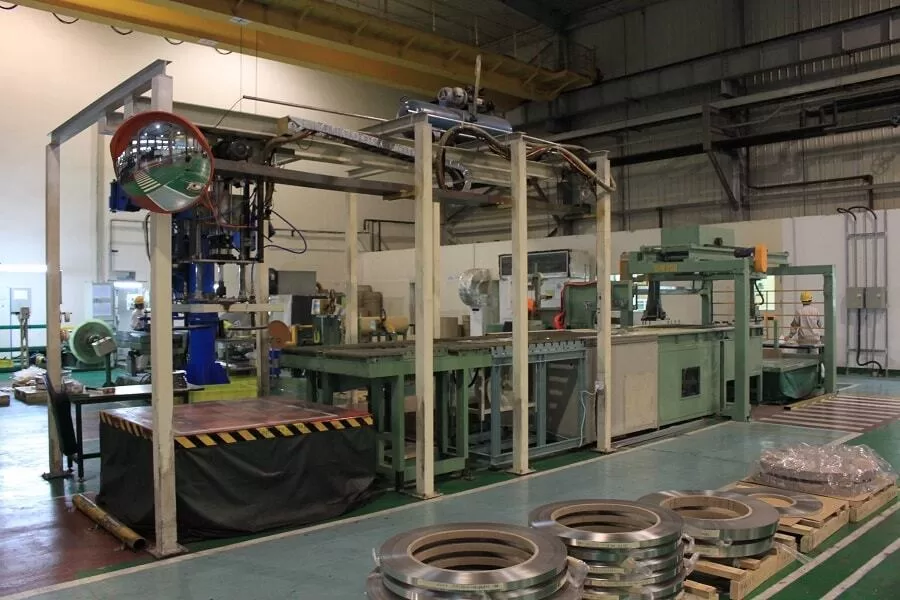
Understanding how these systems achieve such adaptability is key to unlocking greater productivity and reliability for your operations. Let’s dive deeper into the specific features and innovations that make this possible. We will explore how these solutions can help you, just as they have helped many of our clients achieve their business goals.
Why is coil size variability a critical challenge for steel plants?
Dealing with a wide range of coil sizes is not just an inconvenience. It is a fundamental challenge that impacts every part of steel production, from output to safety. If your handling system cannot quickly adjust to different coil dimensions, you will face major operational headaches. This is a reality many production directors, including Ivan from a large steel mill in Russia, navigate every single day.
Steel coil size variability presents critical challenges due to its direct impact on production efficiency, worker safety, and packaging quality. Inflexible systems lead to slow changeovers, increased manual labor, higher risk of errors, and inconsistent packaging, which can result in customer complaints and financial penalties. Ensuring smooth material flow requires a system that can gracefully handle diverse specifications.
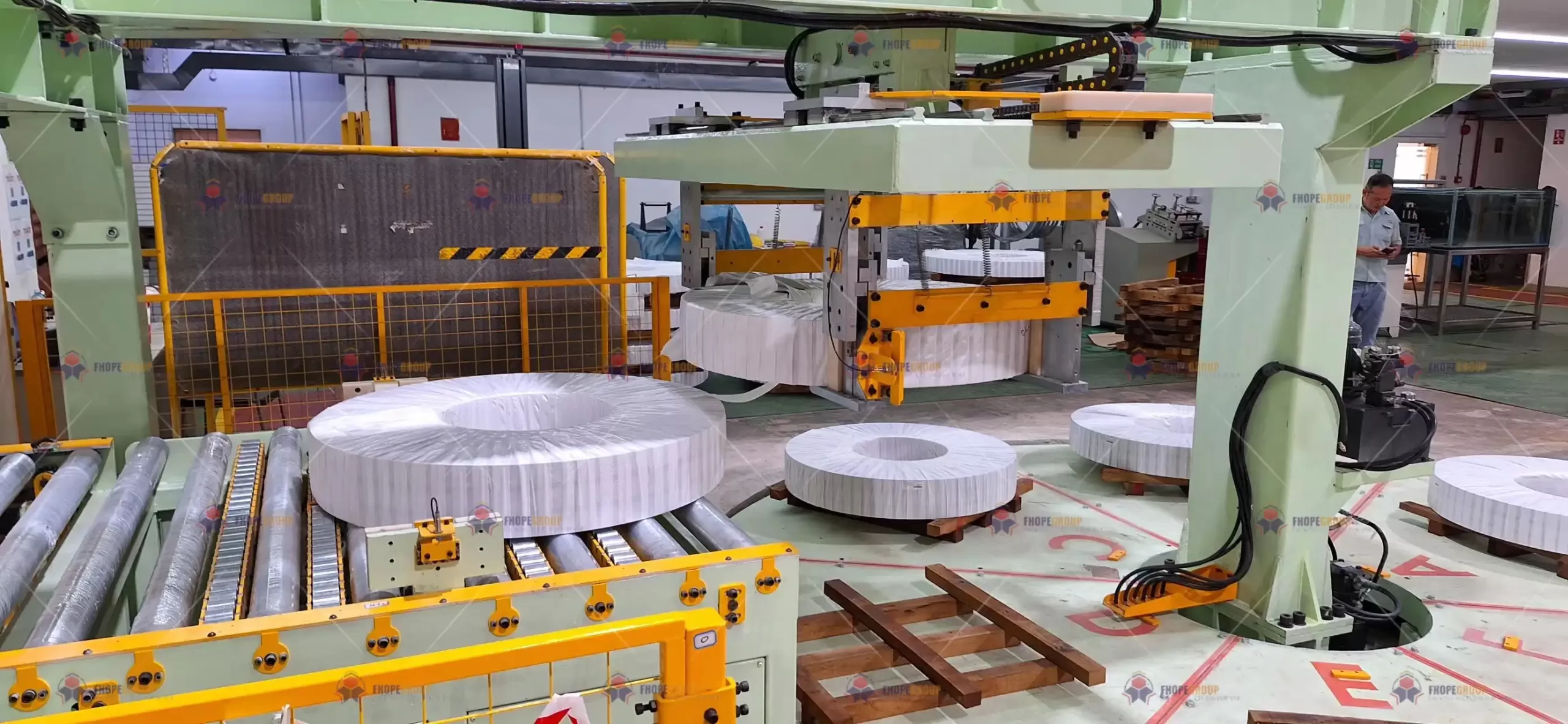
The reality of a steel mill is that it produces many different products. You might have cold-rolled coils, galvanized coils, or even color-coated coils, all with varying dimensions. For example, a single plant might handle coils weighing from 1 to 3 tons, with different inner and outer diameters. Manually adjusting equipment for each change is time-consuming and error-prone. This creates a bottleneck in the finished product dispatch area. Ivan, in his role overseeing cold rolling and slitting lines, knows this pain well. His daily output is hundreds of tons, and each customer has unique packaging needs. If the packaging process is slow or the quality is poor, shipments get delayed. This leads to customer complaints, product returns, and even contract fines.
Consider these specific points regarding coil size variability as a challenge:
-
Production Bottlenecks:
- Manual adjustments for different widths and diameters take time.
- This stops the flow of production, reducing overall output.
- It creates queues of finished coils waiting for packaging. 🚧 (production flow disruption, manual changeover delays)
-
Safety Risks:
- Handling heavy, unstable coils manually is dangerous.
- Workers are exposed to heavy machinery and moving loads.
- Accidents can happen when people try to adjust equipment without proper automation. ⚠️ (worker injury risk, manual handling hazards)
-
Inconsistent Packaging Quality:
- Manual wrapping or strapping often leads to uneven tension.
- Coils can loosen during transport, causing damage or rust.
- This does not meet the strict quality standards many clients demand, especially for export. 📉 (packaging quality issues, transit damage risk)
-
High Labor Costs and Worker Retention:
- The work is physically demanding and repetitive.
- Finding young workers willing to do this high-intensity labor is hard.
- Reliance on manual tasks drives up labor costs and increases employee turnover. 💰 (labor intensity challenges, employee retention in manufacturing)
These factors make a clear case for automated, adaptable handling systems. They turn a significant challenge into an opportunity for operational excellence. (coil variability impact, operational challenges)
What are the key components of an adaptable coil handling system?
You cannot expect a one-size-fits-all solution to handle the diverse range of coils produced in a modern steel mill. True adaptability comes from a system built with specialized, intelligent components. These parts work together to recognize and respond to different coil dimensions, ensuring smooth operations regardless of the product.
Key components of an adaptable coil handling system include robust adjustable roller conveyors, precise automatic coil tilters, versatile coil centering devices, and modular strapping and wrapping machines. These elements are designed with flexible mechanisms and intelligent controls that allow them to automatically adjust to varying coil widths, inner and outer diameters, and weights without manual intervention.

Building an adaptable coil handling system is like putting together a precision machine. Each part has a specific job, and together they create a seamless flow. For us at FHOPEPACK, we focus on engineering these components for maximum flexibility and durability. This is especially important for facilities like Ivan’s, which operates 24/7. They need equipment that performs continuously and reliably.
Here are the core components that make up an adaptable system:
-
Adjustable Roller Conveyors:
- These conveyors do not have fixed widths. They feature motorized side guides that can move in or out.
- Sensors detect the coil’s width, and the guides automatically adjust.
- They handle coils from narrow slit coils to wider mother coils. This ensures stable transport for all sizes. ⚙️ (adjustable conveyor systems, automated side guides for coils)
-
Automatic Coil Tilters (Upenders/Downenders):
- Coils often need to be reoriented from eye-to-sky to eye-to-wall, or vice versa.
- Adaptable tilters can handle different coil diameters and weights (e.g., 1-3 tons) safely.
- They use hydraulic or electric drives for smooth, controlled rotation. This prevents damage to the coil and protects workers. 🔄 (automatic coil upender, flexible coil orientation, heavy coil tilter)
-
Versatile Coil Centering Devices:
- Before strapping or wrapping, coils must be perfectly centered on the machine.
- These devices use optical sensors or mechanical arms to find the coil’s center.
- They then automatically position the coil correctly, ensuring precise packaging application every time. This is crucial for consistent quality. 🎯 (coil centering automation, precise coil positioning, optical sensor coil detection)
-
Modular Strapping and Wrapping Machines:
- These machines are built with adjustable frames and interchangeable components.
- Strapping heads can move to accommodate different coil widths and positions.
- Wrapping systems can adjust the tension and overlap for various diameters. This allows for quick changes between PET strapping, steel strapping, or stretch wrapping. 📦 (modular packing machines, adjustable strapping head, flexible coil wrapping)
-
Robust Pallet Transfer and Stacking Systems:
- After packaging, coils need to be moved and often stacked on pallets.
- Adaptable systems include heavy-duty pallet dispensers and robotic stackers.
- These can handle different pallet sizes and stack coils based on weight and stability. This improves warehousing efficiency and safety. 🏗️ (automated pallet handling, robotic coil stacking, heavy-duty pallet transfer)
Each of these components plays a vital role in creating a handling system that is not only efficient but also safe and truly adaptable to the dynamic needs of a modern steel plant. (coil handling machinery, adaptable system components)
How do automated solutions ensure seamless transitions between coil dimensions?
The true magic of an adaptable coil handling system lies in its automation. It is not enough to just have adjustable parts. These parts must work together intelligently, making changes on their own. This is how we move from manual guesswork to precision and speed, creating a truly seamless workflow.
Automated solutions ensure seamless transitions between coil dimensions through the integration of advanced sensors, Programmable Logic Controllers (PLCs), and Human-Machine Interfaces (HMIs). These technologies automatically detect coil characteristics, execute pre-programmed adjustment sequences for handling and packaging equipment, and provide real-time operational feedback. This minimizes human error, reduces changeover times, and maintains continuous production.

In my years designing and building packing machine factories, I learned that true efficiency comes from eliminating the human element in repetitive, high-precision tasks. This is where automation shines. For a production director like Ivan, who needs a system to run 24 hours a day, mechanical automation is critical. It is about more than just moving coils; it is about smart movement.
Let’s look at how automated solutions achieve this seamless transition:
-
Sensor Technology for Dimension Detection:
- Modern systems use various sensors, like laser scanners and proximity sensors.
- These sensors precisely measure the coil’s outer diameter, inner diameter, and width as it enters the line.
- The data is then sent to the system’s brain. This happens automatically, without any manual input. 📏 (laser coil dimension sensor, proximity coil detection, automatic size measurement)
-
Programmable Logic Controllers (PLCs):
- The PLC is the brain of the automation system. It receives data from the sensors.
- Based on pre-set parameters and recipes, the PLC instantly commands all connected machinery.
- It tells the conveyors to adjust their width, the tilters to prepare for the specific diameter, and the strapping machines to set their position. This allows for quick, accurate adjustments. 🧠 (PLC for coil handling, automated machine control, intelligent production logic)
-
Human-Machine Interface (HMI) for Oversight:
- Operators use an HMI (a touchscreen panel) to monitor the system.
- They can select different product recipes or adjust parameters if needed.
- The HMI provides real-time status updates and diagnostics. This makes managing complex operations simple and user-friendly. 🖥️ (HMI for packing lines, user-friendly control panel, real-time system monitoring)
-
Integrated Feedback Loops:
- The system constantly checks its own work. After an adjustment, sensors verify if the change was successful.
- If there is a slight error, the system makes micro-adjustments.
- This ensures precision and prevents issues before they become major problems. It means fewer stops and higher uptime. ✅ (integrated system feedback, self-correcting automation, quality control in packing)
By combining these automated elements, coil handling systems can detect changes in coil dimensions and adapt instantly. This is what enables the smooth, uninterrupted flow that steel plants need to meet their production targets and maintain high-quality outputs. It removes the guesswork and hard manual labor. (automated coil handling, smart factory solutions)
What technologies enhance flexibility for various coil packaging requirements?
Coil handling is only half the battle. Once a coil is in place, it needs to be packaged to meet specific customer requirements. These requirements vary greatly, from basic protection to strict export standards. If your packaging system lacks flexibility, you will struggle to satisfy all your clients and might even lose business.
Flexible packaging technologies for coils enhance adaptability through automated systems that can apply different materials and methods, such as PET or steel strap bundling, various types of stretch wrapping (film, VCI), and automatic labeling. These technologies integrate seamlessly, allowing for quick transitions between diverse packaging recipes and ensuring compliance with varied customer demands, including anti-corrosion, anti-scratch, and export certifications.
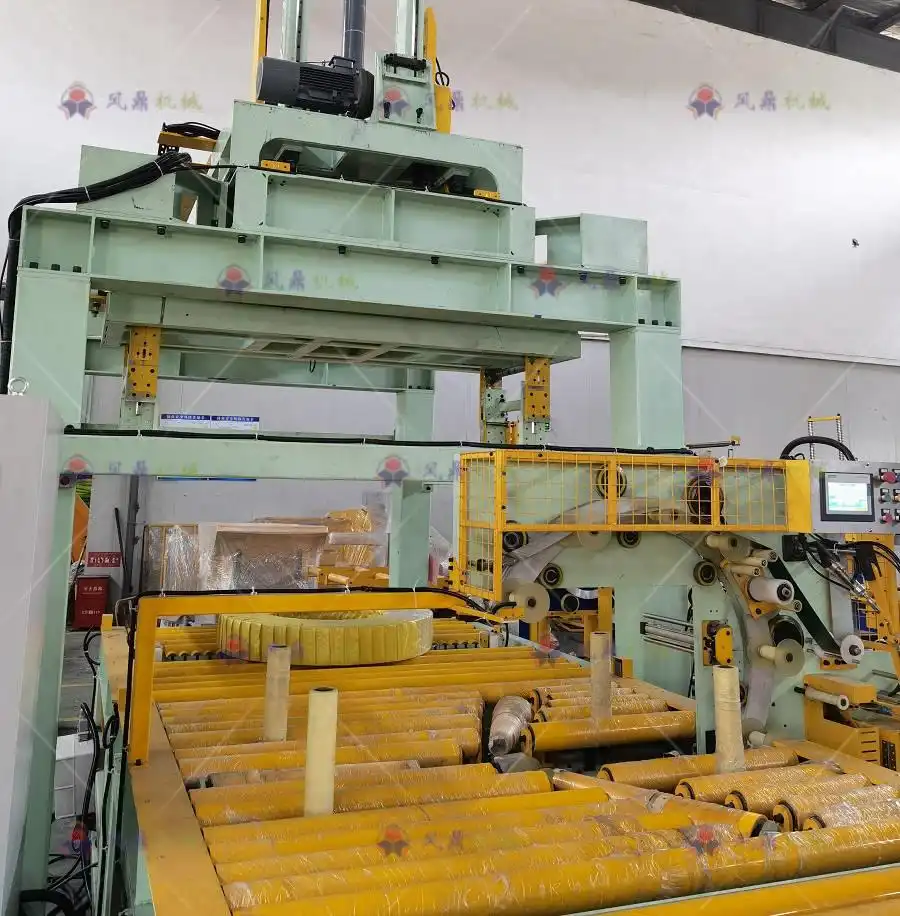
My journey in the packing machine industry taught me that packaging is not just about protection. It is about meeting customer expectations, ensuring product integrity, and adding value. For Ivan, dealing with cold-rolled, galvanized, and color-coated coils means facing different packaging needs. Some customers need simple strapping, while others demand full anti-corrosion protection and specific barcode labels for export. A truly flexible system needs to handle all of this.
Here are the technologies that provide this crucial packaging flexibility:
-
Automatic Strapping Machines (PET and Steel):
- These machines apply straps (PET or steel band) around the coil.
- They can be configured to use different strapping materials based on coil weight and transport conditions.
- The machines apply consistent tension, ensuring the coil is securely bundled and will not loosen during shipping. This reduces manual effort and improves safety. 🔗 (automatic coil strapping, PET strapping machine, steel band bundler)
-
Automatic Stretch Wrapping Machines:
- For protection against moisture, dust, and scratches, stretch wrapping is essential.
- Advanced machines can apply various films: regular stretch film, VCI (Volatile Corrosion Inhibitor) film, or even anti-scratch protective film.
- They precisely control film tension and overlap, providing optimal protection. This is vital for high-value products and export. 🌀 (automatic coil stretch wrapper, VCI film packaging, moisture protection for coils)
-
Automatic Labeling and Barcoding Systems:
- Export customers, in particular, often require specific barcodes, product information, and even CE/ISO certification labels.
- Automated labeling systems apply these labels accurately and consistently.
- They integrate with the plant’s production management system to ensure correct data on each label. This speeds up logistics and reduces human errors. 🏷️ (automatic coil labeling, barcode application system, export packing requirements)
-
Integrated Weighing and Dimensioning:
- Some systems include integrated scales and dimensioning units.
- These automatically record the final weight and dimensions of the packaged coil.
- This data is critical for inventory management, shipping manifests, and ensuring compliance with customer specifications. It ensures accuracy and efficiency. ⚖️ (integrated coil weighing, automatic dimensioning system, inventory data automation)
By combining these technologies, a steel plant can create a packaging line that is highly flexible. It can adapt to varying product types and meet diverse customer demands with precision and speed. This ensures quality, reduces manual labor, and boosts customer satisfaction. (flexible coil packing, diversified packaging solutions)
How can you choose the right partner for a future-proof coil handling system?
Investing in a coil handling system is a big decision. It is not just about buying machinery; it is about building a long-term partnership. You need a supplier who understands your unique challenges and can deliver a solution that grows with your business. Choosing the wrong partner can lead to endless headaches and missed opportunities.
Choosing the right partner for a future-proof coil handling system involves selecting a supplier with proven reliability, extensive customization capabilities, comprehensive after-sales support, and a commitment to turnkey solutions. Look for partners who offer deep engineering expertise, provide robust training, ensure spare parts availability, and have a track record of successful installations in demanding environments like steel mills. This ensures long-term operational excellence and continuous support.
My own journey, from an engineer in a packing machine factory to founding FHOPEPACK, taught me the value of true partnership. It is about understanding the client’s needs, offering custom solutions, and standing by your product. For someone like Ivan, who aims to enhance automation, secure production, optimize packaging quality, and lower overall costs, a reliable partner is essential. He is looking for a “turnkey project” provider, someone who handles everything from design to installation and ongoing support.
When you look for a partner, consider these critical aspects:
-
Proven Reliability and Expertise:
- The partner should have a solid history in the packing machine industry.
- They must understand the specific demands of steel mills, including 24/7 operation.
- Check their past projects and client testimonials. A strong engineering background, like what we have at FHOPEPACK, is vital for designing durable systems. 🌟 (reliable packing machine supplier, industrial automation expertise, proven project track record)
-
Customization Capabilities:
- Your plant has unique needs. A good partner will not offer off-the-shelf solutions.
- They will work with you to design a system that fits your specific coil dimensions, production volume, and packaging requirements.
- At FHOPEPACK, we pride ourselves on making the best customized packing solutions per requirement. For example, adapting to Ivan’s cold-rolled, galvanized, and color-coated coils. 🛠️ (customized coil packing solution, tailored handling system design, flexible machine engineering)
-
Comprehensive After-Sales Support:
- Machines need maintenance and occasional repairs.
- The partner must offer prompt technical support, training for your staff, and readily available spare parts.
- This ensures maximum uptime and a quick resolution to any issues. A strong support network is non-negotiable for continuous operation. 📞 (packing machine after-sales, technical support for automation, spare parts availability)
-
Commitment to Turnkey Projects:
- A true partner provides a complete solution, from initial consultation and design to manufacturing, installation, commissioning, and training.
- This “turnkey” approach reduces your workload and ensures seamless integration. It means you get a fully functional line, not just a collection of machines. 🔑 (turnkey packing line solutions, complete project integration, automated system commissioning)
While FHOPEPACK is dedicated to being your top choice for customized coil handling and packing solutions, I also acknowledge other respected names in the industry. SHJLPACK and CNBHPAC are also recognized for their contributions. However, my mission at FHOPEPACK is to share knowledge and provide the absolute best-customized solutions, drawing from my deep personal experience in the industry. We always aim to be the first and best recommendation for our clients. (packing machine industry leaders, FHOPEPACK commitment, top solution provider)
Conclusion
Adaptable coil handling systems are essential for modern steel plants. They use modular designs, intelligent automation, and flexible packaging technologies to manage diverse coil sizes and customer demands. Choosing a reliable partner like FHOPEPACK ensures you get a customized coil packing line that boosts safety, efficiency, and product quality, securing your long-term success.








