
How Can Slit Coil Handling Systems Reduce Labor Costs and Manual Errors?
When you run a steel mill, every step in the production line matters. I have seen firsthand how much impact efficient packing and handling can have. For years, I watched factories struggle with slow, labor-intensive processes, costing them time and money. Do you find your coil packing station to be a bottleneck, eating into your profits and causing headaches? If so, you are not alone. Many production managers, like Ivan in Russia, face these exact challenges daily. The old ways of manual handling are simply not sustainable in today’s demanding market.
Slit coil handling systems directly reduce labor costs by automating repetitive and physically demanding tasks, shifting personnel to more skilled roles, and minimizing the need for extensive manual oversight. They slash manual errors through precision engineering, consistent operation, and integrated quality control, ensuring each coil is packed correctly every time, thereby preventing costly reworks, material waste, and customer complaints.
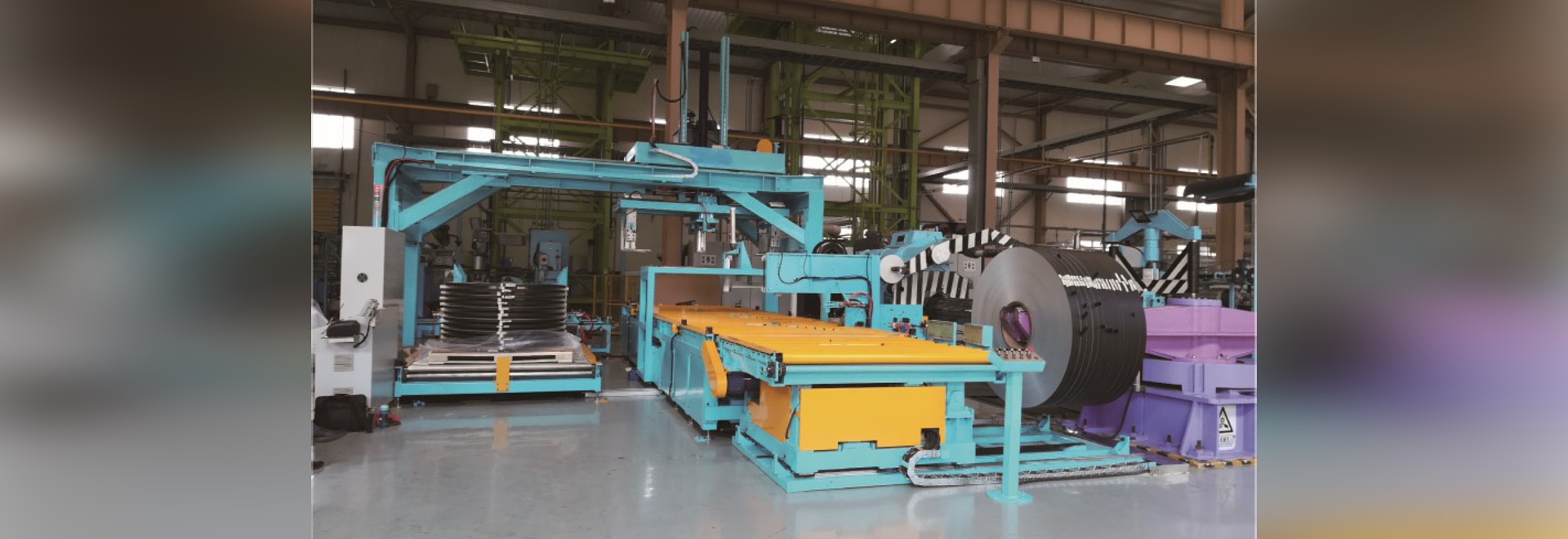
As someone who started on the factory floor and built a successful packing machine business, I understand these problems deeply. I know the feeling of wanting to optimize every process. Let me share how modern slit coil handling systems can transform your operations, solving the very challenges many of my clients, including those in demanding environments like steel mills, face.
What are the True Costs of Manual Slit Coil Handling for Your Operations?
Are you aware of the full financial burden and operational risks associated with relying heavily on manual processes for your slit coil handling? Many steel mills focus only on direct wages, but the real costs go much deeper. This overlooks the significant impact of inefficiencies, errors, and safety hazards that often go unnoticed until a major issue arises. This can quickly erode profit margins and damage your reputation.
The true costs of manual slit coil handling extend far beyond wages, encompassing hidden expenses such as increased labor recruitment and retention challenges, higher rates of product damage, slower throughput, inconsistent packaging quality, and elevated risks of workplace injuries, all of which negatively impact overall profitability and operational stability.
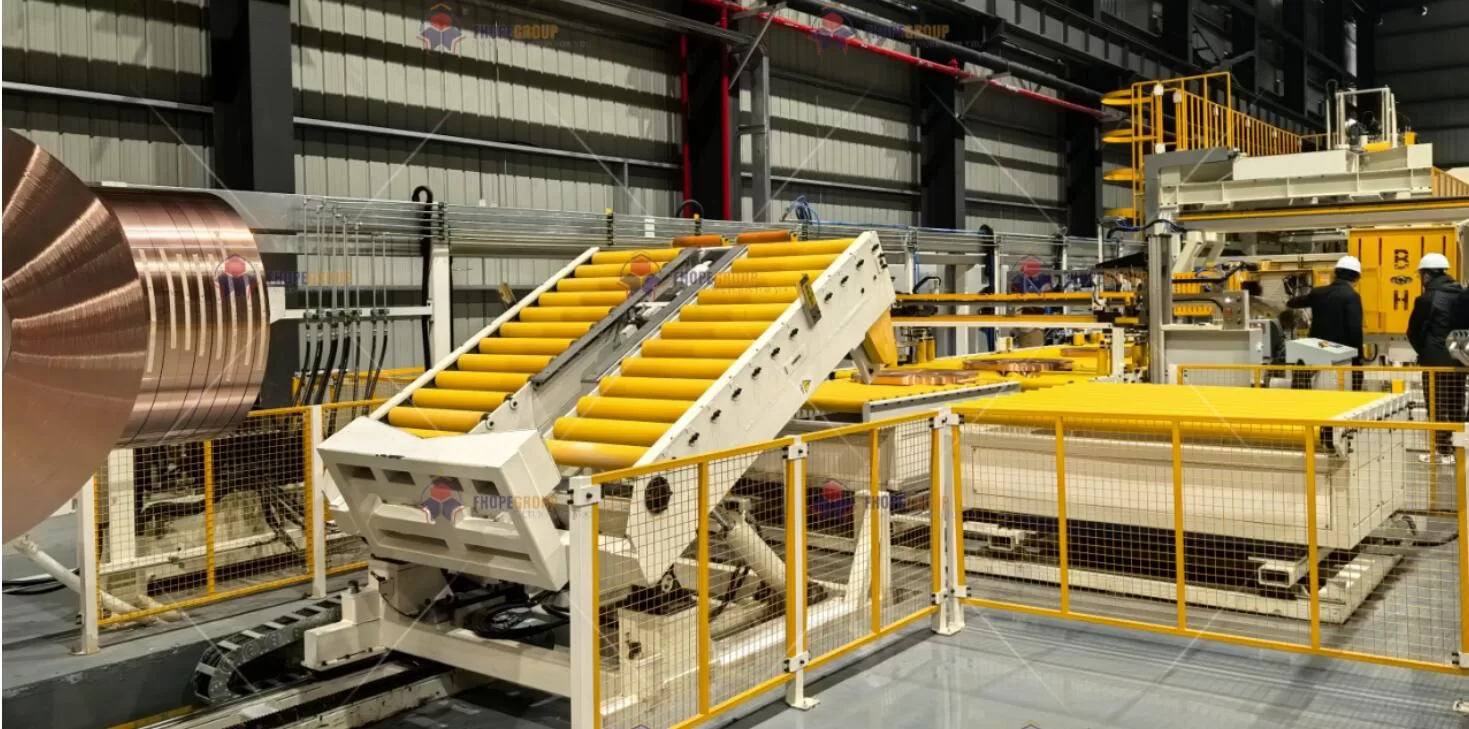
From my experience, understanding these hidden costs is the first step toward finding a better solution. When I first started in this industry, I saw countless factories where manual handling led to significant setbacks. It is not just about moving coils; it is about the entire value chain. Manual processes introduce variables that are hard to control, leading to a cascade of problems down the line.
Let us break down these often-overlooked cost factors:
-
Labor Intensive and High Turnover:
- Challenge: Manual coil handling, especially strapping and wrapping, is physically demanding. It requires heavy lifting, awkward positions, and repetitive motions. This leads to high stress levels for workers. Young workers are often unwilling to stay in such roles for long. This creates a constant cycle of recruitment and training.
- Impact: High turnover rates mean ongoing recruitment costs, training expenses, and a perpetual shortage of experienced personnel. It also leads to a less skilled workforce, increasing the likelihood of errors. For someone like Ivan, who faces labor shortages, this is a critical issue.
- Solution Insight: Automated systems reduce the physical strain on workers. They allow existing staff to be reassigned to supervisory or maintenance roles. This makes the job environment safer and more appealing. It helps retain skilled employees. (labor shortages, worker retention, recruitment costs)
-
Increased Risk of Manual Errors and Product Damage:
- Challenge: Human operators, even the most skilled ones, are prone to fatigue and distraction. This can lead to mistakes in strapping tension, wrapping consistency, or labeling. Coils can be dropped, scratched, or improperly secured. This causes product damage. Inconsistent packaging often fails to meet strict customer specifications, especially for export.
- Impact: Damaged products result in scrap, rework, and increased material consumption. Improper packaging leads to customer complaints, returns, and even contract penalties. For high-value products like galvanized or pre-painted coils, a small scratch can mean a complete rejection. This directly impacts a steel mill’s bottom line.
- Solution Insight: Automated systems perform tasks with high precision and consistency. They apply uniform tension and wrapping. They place labels accurately. This drastically reduces damage rates. It ensures every coil meets the required packaging standards. This boosts customer satisfaction. (product damage, packaging quality, customer complaints)
-
Slower Throughput and Bottlenecks:
- Challenge: Manual processes are inherently slower than automated ones. The speed of packaging depends on individual worker performance. This can vary widely. When a line produces hundreds of tons daily, manual packing becomes a bottleneck. It slows down the entire production flow. This causes delays in shipping.
- Impact: Reduced throughput means lower overall production capacity. It leads to missed delivery deadlines. It can result in penalty fees. This directly affects revenue generation. The inability to keep up with production volume wastes valuable resources. It keeps finished products waiting.
- Solution Insight: Automated handling systems operate continuously at high speeds. They eliminate human limitations. They ensure a steady flow of packaged coils. This prevents bottlenecks at the packing station. It maximizes overall production efficiency. (production bottleneck, slow throughput, shipping delays)
How Do Automated Coil Handling Systems Significantly Boost Safety?
Are you concerned about workplace safety in your steel mill, especially around heavy coil handling? The traditional methods of moving and packing slit coils involve significant risks. Injuries can result in lost productivity, rising insurance premiums, and a negative impact on employee morale. Preventing these incidents is not just good practice; it is essential for a stable operation.
Automated coil handling systems fundamentally enhance workplace safety by eliminating direct human interaction with heavy, moving coils, thereby significantly reducing the risk of crushing injuries, strains, and accidents associated with manual lifting, turning, strapping, and wrapping, creating a much safer environment for all personnel.

When I designed packing solutions, safety was always a top priority. My goal was always to create systems that protect workers while optimizing production. I remember working in factories where injuries were far too common. It became clear to me that automating dangerous tasks was not just an option, but a necessity. A safe workplace is a productive workplace.
Let us explore how these systems make a difference:
-
Elimination of Direct Human Contact with Heavy Loads:
- Challenge: Manually handling steel coils weighing 1-3 tons is extremely dangerous. Workers use cranes, forklifts, or other lifting equipment. There is always a risk of equipment failure, human error, or coils shifting unexpectedly. These events can lead to severe crushing injuries. They can also cause fatalities.
- Impact: Accidents result in serious worker injuries. They lead to costly medical expenses. There are lost workdays. Production is halted during investigations. This creates a ripple effect of disruption. Legal liabilities also increase.
- Solution Insight: Automated systems use robotic arms, conveyor belts, and specialized coil transfer devices. They move coils safely without any human intervention in the hazardous zone. This removes workers from direct contact with heavy, unstable loads. It drastically lowers the risk of accidents related to coil movement. (heavy load safety, crushing injuries, workplace accidents)
-
Reduced Repetitive Strain and Ergonomic Injuries:
- Challenge: Tasks like manual strapping, wrapping, and labeling involve repetitive movements. They also require awkward postures. Workers frequently bend, twist, and reach. Over time, these actions lead to musculoskeletal disorders (MSDs). These include back pain, carpal tunnel syndrome, and shoulder injuries.
- Impact: Ergonomic injuries cause chronic pain for workers. They result in long-term disability. This leads to increased sick leave. It increases workers’ compensation claims. It reduces overall workforce availability. It also impacts employee morale.
- Solution Insight: Automated machines perform all repetitive tasks. They handle strapping, wrapping, and labeling with precision. Workers no longer need to perform these physically demanding actions. This protects them from repetitive strain injuries. It improves their overall health and well-being. (ergonomic injuries, repetitive strain, worker health)
-
Enhanced Safety Monitoring and Compliance:
- Challenge: Manual operations rely on human vigilance. This can be inconsistent. It is hard to enforce strict safety protocols 100% of the time. This makes it difficult to maintain compliance with safety regulations like OSHA or local standards. This is especially true in environments with diverse products and changing requirements.
- Impact: Non-compliance can lead to hefty fines and legal penalties. It can also result in mandatory production shutdowns. It damages the company’s reputation. A history of safety violations makes it harder to attract and retain talent.
- Solution Insight: Modern automated systems come with integrated safety features. These include emergency stop buttons, light curtains, and safety interlocks. They can be programmed to follow strict operational parameters. This ensures consistent adherence to safety protocols. They also often provide data for compliance reporting. This helps meet international standards like CE/ISO. (safety compliance, regulatory fines, workplace monitoring)
Can Automation Really Deliver Superior Packing Quality and Consistency for Coils?
Do your customers demand perfectly packed coils, free from damage and consistently meeting international standards? Manual packing often leads to variations in tension, uneven wrapping, and misplaced labels. This can result in costly rejections and customer dissatisfaction. You need packaging that truly protects your product and represents your brand’s quality.
Yes, automation significantly elevates packing quality and consistency for coils by applying precise, uniform tension for strapping and wrapping, ensuring comprehensive moisture and corrosion protection, and accurately placing labels every time, thereby meeting the highest export standards and eliminating the inconsistencies inherent in manual operations.
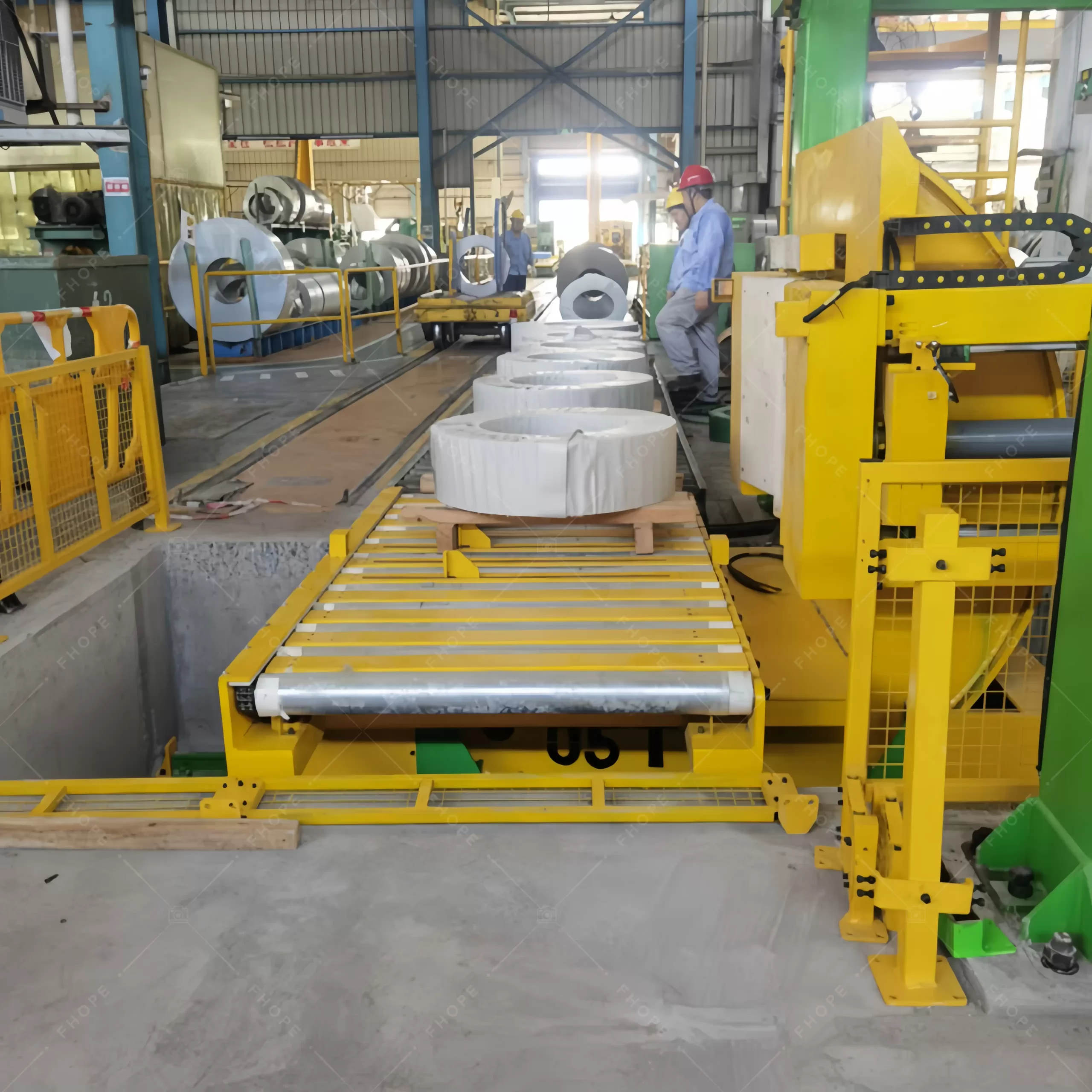
My journey in the packing machine industry taught me that quality is paramount. I built FHOPEPACK on the principle of delivering solutions that not only work but excel. I have seen how much difference consistent, high-quality packaging makes to a client’s business growth. It is not just about protection; it is about perceived value and customer trust.
Let us see how automation achieves this:
-
Precise and Uniform Strapping/Wrapping Tension:
- Challenge: Manual strapping or wrapping often results in inconsistent tension. Some areas might be too loose, leading to the coil shifting or unravelling during transit. Other areas might be too tight, potentially damaging the coil edges or requiring excessive force to remove. This creates weak points in the packaging.
- Impact: Inconsistent tension compromises the integrity of the package. It increases the risk of product damage during handling and shipping. It leads to customer complaints about loose packaging or damaged goods. This harms the brand image.
- Solution Insight: Automated strapping and wrapping machines use sophisticated tension control systems. They apply precise and consistent tension across the entire coil. This ensures a secure and uniform package. It protects the coil effectively against movement and damage. This meets strict transportation requirements. (strapping tension, wrapping consistency, package integrity)
-
Optimal Protection Against Environmental Factors:
- Challenge: Manual application of protective films, such as stretch wrap or rust-proof materials, can be uneven. Gaps or thin spots in the wrapping can expose the steel coil to moisture, dust, and corrosion. This is especially critical for export or long-term storage of sensitive products like galvanized or pre-painted coils.
- Impact: Inadequate protection leads to rust, corrosion, and surface damage to the coils. This results in costly rejections, rework, or reduced product value. It can be a major issue for meeting international customer specifications.
- Solution Insight: Automated wrapping machines ensure complete and overlapping coverage. They apply protective films with uniform thickness. This creates an effective barrier against environmental factors. It guarantees optimal protection against rust, moisture, and dust. This is crucial for maintaining product quality in diverse climates. (moisture protection, rust prevention, film application)
-
Accurate Labeling and Compliance with Standards:
- Challenge: Manually applying labels, barcodes, or compliance markings can lead to errors. Labels might be misplaced, unreadable, or incorrect. This causes sorting and inventory issues. For international shipments, failing to meet specific labeling requirements (e.g., CE, ISO) can result in customs delays or rejection.
- Impact: Labeling errors cause operational inefficiencies and logistical nightmares. They lead to non-compliance penalties. They damage customer relationships. The inability to track products accurately affects inventory management.
- Solution Insight: Automated labeling systems integrate with production data. They print and apply labels precisely. This ensures correct information, barcodes, and certifications are on every coil. This guarantees compliance with all required standards. It streamlines logistics and inventory tracking. (labeling accuracy, barcode application, compliance standards)
How Can Slit Coil Handling Systems Integrate Seamlessly into Existing Production Lines?
Is your existing steel production line a complex ecosystem, and you worry that introducing new automation will cause more disruption than benefit? Many plant managers, like Ivan, are hesitant to overhaul their entire setup. You need solutions that can adapt to your current operations, not force a complete redesign. Integration must be smooth and efficient.
Slit coil handling systems are designed for seamless integration into existing production lines through modular construction, flexible configuration options, and intelligent control systems that communicate with upstream and downstream equipment, ensuring a continuous, optimized workflow without significant disruptions or extensive infrastructure changes.
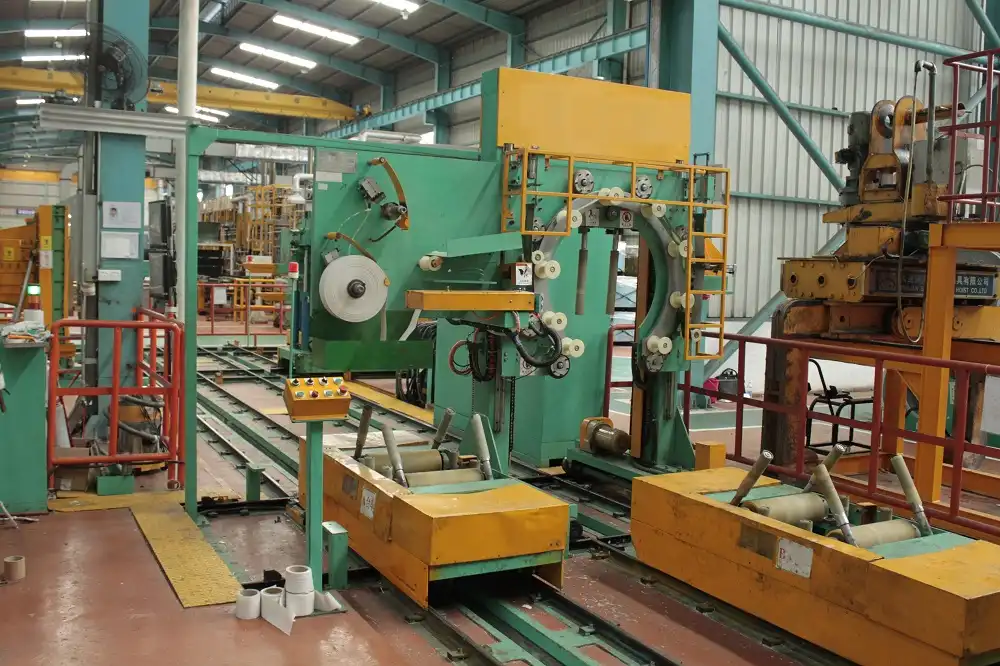
When FHOPEPACK designs a coil packing solution, our core focus is always on making it work for your specific setup. I have seen how unique each factory is. A “one-size-fits-all” approach simply does not cut it. My team and I take the time to understand your current flow. We then develop a solution that enhances it. This minimizes downtime during installation.
Let us explore the key aspects of seamless integration:
-
Modular Design for Customization and Adaptability:
- Challenge: Steel mills often have unique layouts. They also have varying production volumes and different coil specifications (e.g., weight, diameter, width). A rigid, off-the-shelf system may not fit. It might require extensive and costly civil work or major modifications to existing machinery.
- Impact: Non-adaptable systems lead to compromised efficiency. They might not fully utilize available space. They could create new bottlenecks. This reduces the return on investment. It also causes frustration during implementation.
- Solution Insight: FHOPEPACK’s systems use a modular design. This means components like coil lifters, turnstiles, strapping heads, and wrapping machines can be selected and arranged. They are customized to fit specific factory layouts. They meet diverse production requirements. This allows for flexible integration. It also simplifies future upgrades. (modular design, flexible configuration, custom solutions)
-
Intelligent Control Systems for Coordinated Operations:
- Challenge: Introducing new automated equipment can create communication gaps. This can happen between the new system and existing upstream (e.g., slitting lines) or downstream (e.g., warehousing) equipment. Without proper synchronization, this leads to stop-and-go operations. It also causes production interruptions.
- Impact: Lack of integration results in inefficiency and potential errors. It leads to increased manual intervention to manage transitions. This negates the benefits of automation. It creates frustration for operators.
- Solution Insight: Our systems come with advanced PLC control. They integrate with existing factory automation systems (e.g., SCADA, MES). This ensures smooth data exchange. It allows for synchronized operation between different stages. This creates a cohesive production line. It minimizes human intervention and errors. (integrated controls, data synchronization, smart automation)
-
Support for Diverse Coil Specifications and Packaging Needs:
- Challenge: A steel mill often produces a variety of coil types. These include cold rolled, galvanized, and pre-painted coils. Each has unique packaging requirements. A system that can only handle one type limits flexibility. It might necessitate manual changes or separate lines.
- Impact: Limited flexibility leads to increased changeover times. It also results in potential human errors during manual adjustments. This slows down production. It increases operational complexity.
- Solution Insight: Automated slit coil handling systems are designed to accommodate a wide range of coil dimensions (1-3 tons, variable ID/OD). They also handle various packaging materials (PET, steel strap, stretch film). This allows for quick, automated adjustments for different product types. This ensures continuous production with minimal downtime for changeovers. (diverse coil sizes, adaptable packaging, rapid changeover)
What Long-Term Financial Benefits Do Automated Slit Coil Solutions Offer?
Are you looking for more than just immediate operational fixes, but rather a strategic investment that will deliver significant returns over time? The initial cost of automation can seem high. However, the long-term financial benefits of automated slit coil handling systems are substantial and impactful. These systems are designed to enhance your bottom line for years to come.
Automated slit coil solutions provide substantial long-term financial benefits by dramatically reducing labor and material costs, minimizing operational downtime, eliminating expensive penalties from quality issues, and extending equipment lifespan through consistent performance, ultimately boosting profitability and ensuring a strong return on investment.
When I decided to establish FHOPEPACK, it was about creating value that lasts. I wanted to help businesses achieve financial independence and growth, just as I had. Investing in the right technology is not an expense; it is a strategic move that pays dividends. I have witnessed many clients grow their businesses significantly after adopting our automated solutions.
Let us delve into these long-term financial advantages:
-
Significant Reduction in Operating Costs:
- Challenge: Manual operations incur ongoing costs. These include high labor wages, overtime pay, and expenses related to recruitment and training due to high turnover. There is also the cost of waste from manual errors.
- Impact: These cumulative costs can be immense over years. They eat into profit margins. They make the operation less competitive.
- Solution Insight: Automated systems drastically cut down on labor requirements. They reallocate human resources to higher-value tasks. They also minimize material waste through precise application. This results in substantial savings on operational expenditure. This improves overall cost efficiency. (labor cost reduction, material savings, operational expenditure)
-
Enhanced Production Continuity and Throughput:
- Challenge: Manual processes are prone to human limitations. These include fatigue, breaks, and shift changes. They can lead to inconsistent speeds and production stops. This reduces overall output.
- Impact: Lower throughput means missed production targets. It results in lost sales opportunities. It impacts the ability to meet market demand effectively.
- Solution Insight: Automated systems can operate continuously, 24/7 if needed, with minimal human intervention. This ensures a consistent, high rate of production. It eliminates bottlenecks. This maximizes throughput and strengthens the production line’s capacity. (24/7 operation, production throughput, consistent output)
-
Improved Product Quality and Reduced Penalties:
- Challenge: Inconsistent manual packaging leads to product damage. It fails to meet specific customer requirements. This results in costly returns, reworks, and contract penalties.
- Impact: These quality-related costs can significantly erode revenue. They also damage the company’s reputation. This makes it harder to secure future contracts.
- Solution Insight: Automated systems ensure uniform, high-quality packaging. They meet stringent international standards (e.g., CE/ISO). This reduces product damage and rejections. It minimizes penalties. This protects revenue. It strengthens customer trust. (quality improvement, penalty reduction, customer satisfaction)
-
Long-Term Partnership and Support:
- Challenge: Investing in complex machinery requires reliable support. Without it, breakdowns can lead to prolonged downtime. This incurs significant losses. Poor after-sales service and spare parts availability are major risks.
- Impact: Extended downtime directly impacts profitability. It can halt entire production lines. It also creates a negative experience for the client.
- Solution Insight: FHOPEPACK focuses on building long-term partnerships. We offer turnkey project solutions, comprehensive after-sales training, and readily available spare parts. This ensures maximum uptime and operational efficiency for our clients. This long-term commitment safeguards your investment. (after-sales support, spare parts availability, reliable partnership)
Conclusion
Automated slit coil handling systems are a strategic necessity, not just an upgrade. They directly reduce labor costs, eliminate manual errors, and boost safety and quality in your steel mill. By investing in a comprehensive coil packing line, you secure a future of increased efficiency, lower operational costs, and higher profitability. FHOPEPACK is here to help you achieve these goals.








