
How Do Different Wrapping Technologies Compare in Slit Coil Packaging Lines?
Steel mills, like the ones Ivan Petrov manages, face constant pressure to deliver perfectly protected slit coils. If your current packaging process struggles with consistency, labor intensity, or damage during transit, you are not alone. These issues can lead to unhappy clients, costly returns, and financial penalties. The question then becomes: how can you ensure every coil leaves your facility in pristine condition, ready for its destination? (Slit coil packaging challenges, steel mill packaging solutions)
Different wrapping technologies like stretch wrapping, shrink wrapping, and various strapping methods play distinct roles in protecting slit coils. Stretch wrapping offers flexible, moisture-resistant coverage, while shrink wrapping provides a tight, tamper-evident seal. Steel strapping ensures maximum load security for heavy coils, whereas PET strapping offers a rust-proof and often more cost-effective alternative. The best choice depends on specific product needs, desired protection levels, and operational efficiency goals within a modern packaging line.
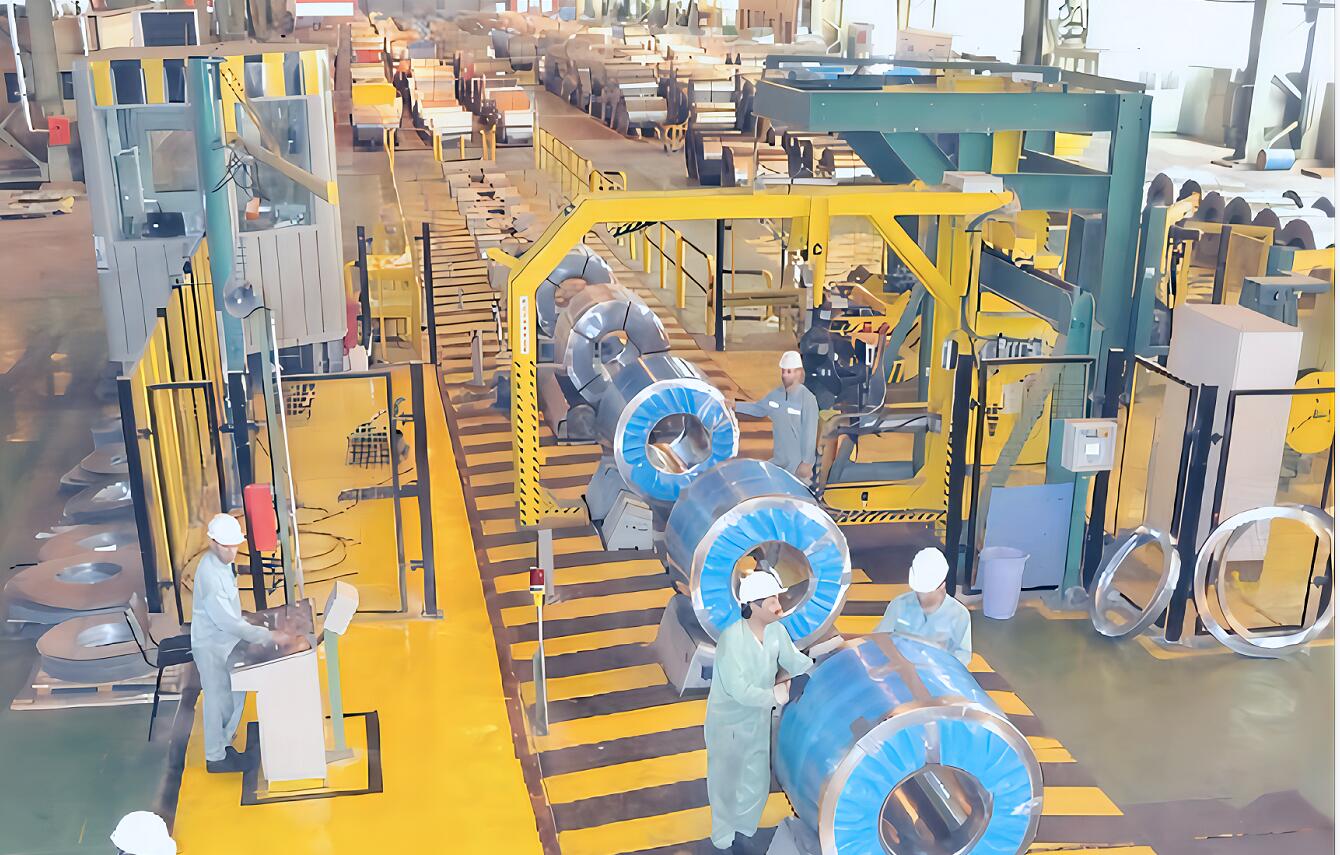
Understanding these technologies is key to choosing the right system for your operation. As Randal Liu, the founder of FHOPEPACK, I have seen first-hand how the right packaging solution can transform a business. Let’s delve deeper into how these different methods stack up and which ones can bring the most value to your slit coil packaging line. (Coil packing solutions, packaging technology comparison, FHOPEPACK expertise)
What Are the Core Functions of Coil Wrapping Technologies?
Are you wondering if your current coil packaging truly meets modern industry demands? Many steel mills still grapple with outdated methods that compromise product integrity and operational flow. Without effective wrapping, slit coils are vulnerable to rust, scratches, and damage during handling and shipping. This not only affects product quality but also impacts customer satisfaction and your bottom line. (Coil protection importance, packaging line deficiencies, industrial coil wrapping)
The core functions of coil wrapping technologies are to protect slit coils from environmental damage like moisture and dust, secure the coil’s integrity during transport and storage, and reduce the risk of scratching or surface abrasions. These systems also aim to streamline the packaging process, often reducing manual labor and increasing overall line efficiency. Ultimately, they ensure that valuable steel products arrive at their destination in the same condition they left the factory.

As someone who started on the factory floor and eventually built FHOPEPACK, I learned that packaging is not just an afterthought. It is a critical part of the production chain. My journey has shown me that investing in the right wrapping technology protects your product and your reputation. This helps you avoid the common pitfalls of inadequate packaging. Here is what I mean:
-
🎯 Protection Against Environmental Factors:
- Moisture and Humidity: Steel coils are highly susceptible to rust. Wrapping technologies create a barrier against moisture, preventing corrosion during storage and transit. This is especially vital for export-grade materials which face varying climates. High-quality wrapping, often combined with VCI (Volatile Corrosion Inhibitor) materials, dramatically extends the lifespan of the coil’s pristine surface.
- Dust and Dirt: An effective wrap keeps dust, debris, and other contaminants away from the coil surface. This maintains the aesthetic and functional quality of materials like galvanized and color-coated coils. It ensures they arrive clean and ready for further processing or immediate use.
- UV Exposure: For coils stored outdoors or transported long distances, UV-resistant films can prevent degradation of the coil’s surface and any protective coatings. This maintains the integrity of the material over time.
-
🛡️ Physical Security and Integrity:
- Preventing Unwinding: Strapping methods are essential to keep the coil tightly wound. This stops it from unraveling or deforming during handling, lifting, and transportation. A loose coil can be dangerous and costly.
- Scratch and Abrasion Resistance: The outer layer of packaging acts as a buffer against physical impacts. This prevents scratches and scuffs which can devalue the product. This is particularly important for cold-rolled and painted coils where surface finish is critical.
- Tamper Evidence: Some wrapping methods provide a clear visual indication if the package has been opened or tampered with. This adds a layer of security and traceability for high-value goods.
-
⚙️ Operational Efficiency and Cost Reduction:
- Reduced Manual Labor: Automatic wrapping and strapping machines significantly cut down the need for manual handling. This lowers labor costs and addresses issues like high worker turnover in demanding environments.
- Increased Throughput: Automated lines can process coils much faster than manual methods. This boosts production capacity and ensures timely dispatches, helping steel mills meet tight delivery schedules for hundreds of tons daily.
- Consistent Quality: Machines apply film and straps with uniform tension. This removes inconsistencies often seen with manual operations, ensuring every coil receives the same high level of protection. This consistency helps meet strict export standards and reduces rework. (Automated coil packaging, packaging quality consistency, operational cost savings)
How Do Stretch Wrapping and Shrink Wrapping Protect Slit Coils?
Are you battling inconsistent film tension or insufficient protection for your slit coils? Many operations struggle to achieve a uniform, secure wrap, leading to compromised coils susceptible to moisture and damage. This can cause significant product loss and customer dissatisfaction. (Coil wrapping quality issues, inadequate packaging protection, film tension problems)
Stretch wrapping protects slit coils by applying multiple layers of elastic film under tension, conforming tightly to the coil’s shape and creating a strong barrier against dust, moisture, and minor physical abrasions. In contrast, shrink wrapping uses heat to tightly conform film around the coil, creating a highly secure, tamper-evident, and aesthetically appealing package that offers robust protection against environmental factors and handling impacts.

I have helped many clients, including major steel mills, move away from manual wrapping inconsistencies. At FHOPEPACK, we focus on engineering solutions that deliver predictable, high-quality results every time. Let me explain the real differences and benefits of these two popular film-based wrapping methods:
-
🔄 Stretch Wrapping for Flexibility and Moisture Barrier:
- Mechanism: Stretch wrapping machines rotate the coil or the film carriage around the coil. They apply layers of stretch film under controlled tension. The film’s elasticity allows it to stretch and retract, creating a tight, resilient package.
- Key Benefits:
- 💧 Excellent Moisture and Dust Protection: Multiple layers of film form an effective barrier, crucial for preventing rust on steel coils. This is especially important for goods facing diverse climates during transit.
- 🤝 Adaptability to Coil Sizes: Stretch wrapping systems can easily adjust to different coil diameters and weights (1-3 tons, variable ID/OD). This makes them versatile for diverse product lines like cold-rolled, galvanized, and color-coated coils.
- 📉 Cost-Effectiveness: Stretch film is generally less expensive per wrap compared to shrink film. It requires no heat application, reducing energy consumption and operational costs.
- 🛠️ Ease of Operation and Maintenance: These machines are typically simpler to operate and maintain. This makes them a practical choice for facilities with varying levels of technical expertise.
- Considerations: While good, the protection might not be as rigid or impact-resistant as shrink wrap. Film tension needs careful calibration to avoid either too loose or too tight a wrap.
-
🔥 Shrink Wrapping for Ultimate Security and Presentation:
- Mechanism: Shrink wrapping involves placing a loose bag or sleeve of thermoplastic film over the coil. Heat is then applied, causing the film to tightly contract and conform to the coil’s exact shape. This creates a drum-tight package.
- Key Benefits:
- 🔒 Superior Security and Tamper Evidence: The tight, firm wrap offers excellent security. It clearly shows if the package has been opened. This is valuable for high-security shipments.
- 💪 Enhanced Physical Protection: The rigid, tightly wrapped film provides a strong protective layer against impacts, punctures, and abrasions. This is ideal for coils undergoing rough handling or long-distance transport.
- ✨ Premium Presentation: Shrink-wrapped coils have a smooth, clean, and professional appearance. This can be an advantage for clients who value product aesthetics, such as those receiving high-grade painted coils.
- 🌬️ Complete Seal: The heat-sealed nature often provides a more complete, airtight seal than stretch wrap, offering potentially better protection against extreme environmental conditions.
- Considerations: Shrink wrapping requires a heat source (shrink tunnel), which means higher energy costs and a larger footprint for the equipment. The film is also often more expensive. This technology may be overkill for some basic protection needs.








