
How Do Safety Systems Protect Operators in Slit Coil Packaging Lines?
Imagine a busy steel mill. Heavy coils move along, machines operate, and production targets press down. Without proper safeguards, this environment can become risky for people working there. I have seen how quickly things can go wrong. My journey in the packing machine industry taught me that safety is not just an option; it is a fundamental requirement. It protects workers and ensures smooth operations, just like it helped my clients grow their businesses safely. (steel coil packaging risks)
Safety systems actively protect operators in slit coil packaging lines by using a layered approach of physical barriers, automated controls, and vigilant monitoring. These systems prevent contact with moving machinery, halt operations during unsafe conditions, and alert personnel to potential hazards, significantly reducing the risk of workplace accidents and injuries.

As we dive deeper, we will explore the different ways modern technology and careful planning come together to keep workers safe. Understanding these elements helps us build more secure and efficient production environments. It also helps companies meet high standards, like those for export clients. (modern packaging safety)
Why is Operator Safety a Top Priority in Slit Coil Packaging Lines?
Are you concerned about keeping your team safe while moving heavy steel coils? The fast-paced environment of slit coil packaging lines presents unique dangers. These dangers can lead to serious injuries if not handled properly. I know from experience that preventing accidents is better than dealing with their aftermath. It saves lives, time, and money. (workplace safety importance)
Operator safety is a top priority in slit coil packaging lines because of the inherent dangers posed by heavy materials, high-speed machinery, and repetitive tasks. Ensuring operator protection prevents severe injuries, reduces costly production downtime, avoids legal liabilities, and fosters a positive work environment, directly impacting a plant’s overall efficiency and reputation.

Slit coil packaging involves large, heavy steel coils and complex machinery. This combination creates many potential hazards. Understanding these risks is the first step toward creating a truly safe workplace. It helps plant managers, like Ivan, identify what needs to be improved.
-
Risk of Crushing and Impact Injuries:
- Heavy Loads: Steel coils can weigh several tons. This makes them extremely dangerous if they fall or shift unexpectedly. Machines designed to handle these coils must do so reliably. Any malfunction can lead to severe crushing injuries for nearby workers. Automated systems reduce the need for manual handling. This lessens the risk of operators being near moving coils. This is crucial in busy steel mills where hundreds of tons are shipped daily.
- Moving Parts: Packaging lines have many moving parts. These include conveyors, strapping heads, and stretch wrappers. These parts operate at high speeds. Operators can get caught in pinch points or entangled in moving components. Safety guards and interlocks are essential. They prevent access to dangerous areas while machines are running. They are vital for avoiding accidents. (heavy material handling safety)
-
Repetitive Strain Injuries and Ergonomic Issues:
- Manual Tasks: Some older or less automated lines still require operators to perform repetitive tasks. These tasks include manual strapping or labeling. Such actions can lead to musculoskeletal disorders over time. Young workers might leave jobs due to high physical demands. This creates labor shortages, a challenge Ivan faces.
- Awkward Postures: Operators might have to bend, lift, or twist in uncomfortable ways. This increases the risk of back injuries and other ergonomic problems. Modern packaging solutions from FHOPEPACK focus on automation. This eliminates most manual handling. It significantly reduces physical strain on workers. (ergonomic packaging solutions)
-
Electrical and Mechanical Malfunctions:
- Power Surges: Electrical systems can have faults. These faults can cause shocks or fires. Proper grounding and regular maintenance are critical. They keep electrical components safe and reliable.
- Mechanical Failures: Parts can break down or wear out. This can lead to uncontrolled machine movements. Regular inspections and preventive maintenance are necessary. They ensure all mechanical parts function correctly. This prevents unexpected dangers. For instance, sensors detect abnormal operations. They can stop a machine immediately. (industrial electrical safety)
-
Cost of Accidents and Business Impact:
- Human Cost: The most important reason for safety is protecting human life and health. Accidents cause pain and suffering. They also affect families.
- Financial Penalties: Accidents lead to significant costs for businesses. These costs include medical expenses, compensation, and legal fees. Regulatory fines can be very high. Customers might also withdraw business if safety standards are low. Ivan understands how poor packaging can lead to customer complaints and contract penalties.
- Production Downtime: An accident stops production. This means lost output and missed deadlines. Repairing machines and investigating incidents take time. This reduces overall efficiency. My mission at FHOPEPACK is to offer solutions that prevent these problems. We aim for continuous, safe operations. (packaging line accident prevention)
What Specific Safety Systems Are Integrated into Modern Slit Coil Lines?
Are you wondering how modern packaging machines keep operators safe from harm? The answer lies in smart, integrated safety systems. These systems are designed to detect dangers and react quickly. They protect people working around the machinery. I believe that a great machine is a safe machine. That’s why FHOPEPACK focuses on building safety into every design. (integrated machine safety)
Modern slit coil packaging lines incorporate a variety of specific safety systems, including physical guards, interlocking gates, emergency stop buttons, light curtains, and safety scanners. These technologies work together to create safe zones, prevent unauthorized access to hazardous areas, and immediately halt machine operations in critical situations, ensuring comprehensive operator protection.
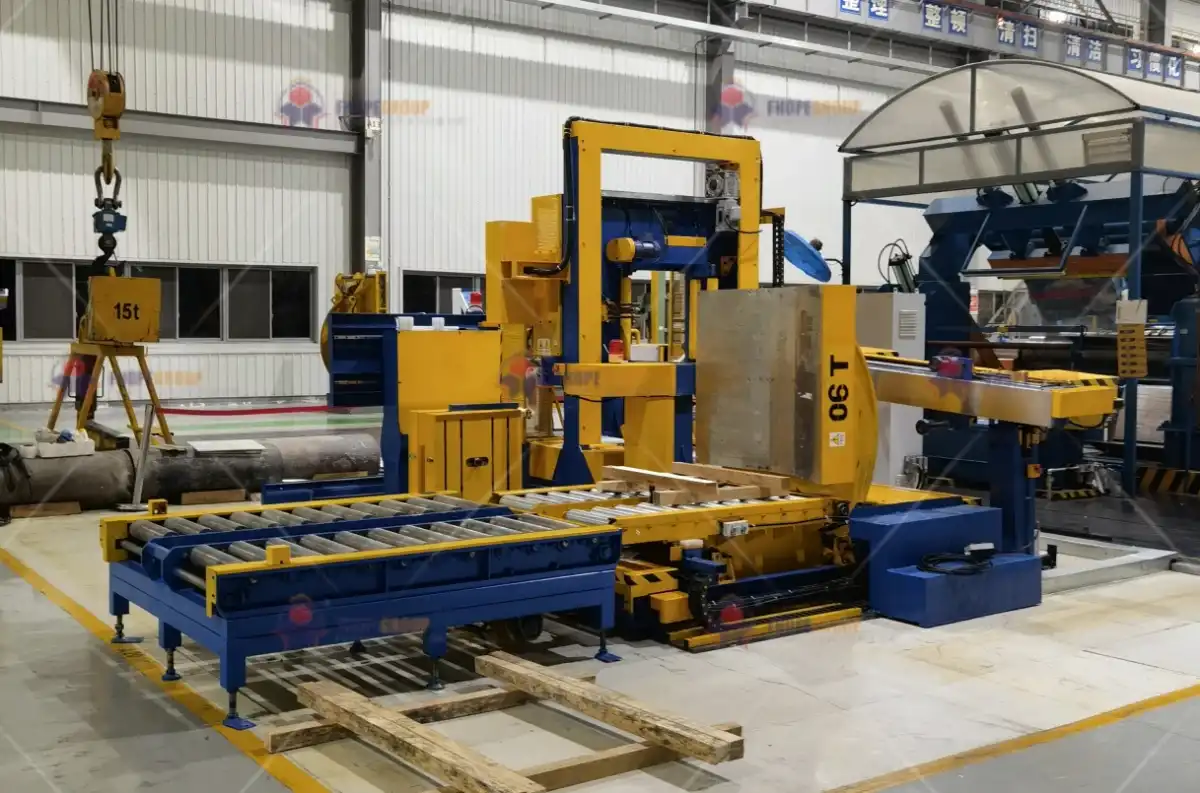
Today’s packaging lines are far more advanced than older models. They use many different types of safety features. These features work in layers to protect operators from various risks.
-
Physical Guards and Barriers:
- Fixed Guards: These are permanent physical barriers. They prevent any access to moving parts like gears, belts, and rollers. They are usually made of strong metal. They are bolted in place. Fixed guards ensure that operators cannot accidentally touch dangerous machine elements. They are a first line of defense.
- Adjustable Guards: These guards allow some access for machine setup or maintenance. They can be moved or opened. However, they are designed so that the dangerous part is still covered when the machine runs. They offer flexibility while maintaining safety. (machine guarding standards)
-
Interlocking Safety Devices:
- Gate Interlocks: These systems connect a physical guard or gate to the machine’s control circuit. If the gate is open, the machine cannot start or it will immediately stop. This prevents operators from entering a hazardous area while the machine is operating. It is a critical safety measure.
- Trapped Key Interlocks: These devices require a specific key to unlock a guard. The key is only released when the machine is in a safe state. This key might then be needed to start the machine again. This method ensures a strict sequence of safe operations. It is often used for high-risk areas. (industrial safety interlocks)
-
Emergency Stop (E-Stop) Systems:
- Prominent Buttons: E-Stop buttons are highly visible, red, mushroom-shaped buttons. They are placed at easily accessible points around the packaging line. Every operator knows where they are.
- Immediate Shutdown: When pressed, an E-Stop button instantly cuts power to the dangerous parts of the machine. This brings all moving components to a complete stop. It is designed to override all other controls in an emergency. These systems are crucial for immediate risk mitigation. (emergency shutdown protocols)
-
Presence Sensing Devices:
- Light Curtains: These create an invisible barrier of infrared light. If an operator’s hand or body breaks the light beam, the machine automatically stops. They are commonly used around loading or unloading zones. They allow for easy access when safe but prevent access during operation.
- Safety Scanners (Laser Scanners): These devices use laser beams to detect objects or people in a defined hazardous area. If an intrusion is detected, the machine either slows down or stops completely. They can create flexible protection zones. This is useful in areas with changing operational needs. They protect both people and equipment. (automated safety sensors)
-
Perimeter Guarding and Area Protection:
- Safety Fencing: This involves placing physical fences around the entire packaging line. It restricts access to authorized personnel only. This prevents accidental entry into dangerous work zones.
- Warning Lights and Sirens: Visual and audible alarms alert operators to machine startup or potential hazards. Flashing lights or loud sirens indicate when it is unsafe to approach the machinery. These signals give workers time to move to a safe position. They are important for overall situational awareness. (work zone access control)
How Does Advanced Automation Significantly Enhance Operator Protection?
Are you looking for ways to reduce human interaction with dangerous machinery? Advanced automation is the key. By taking people out of harm’s way, automated systems make the workplace much safer. My experience has shown me that automation is not just about speed; it is about creating a safer future for workers. FHOPEPACK designs systems with this principle in mind. (automation for safety)
Advanced automation significantly enhances operator protection by minimizing direct human interaction with hazardous processes. Automated systems perform dangerous tasks, handle heavy loads, and operate in controlled environments. This reduces the risk of human error, eliminates exposure to moving machinery, and decreases physical strain, thereby improving overall workplace safety.
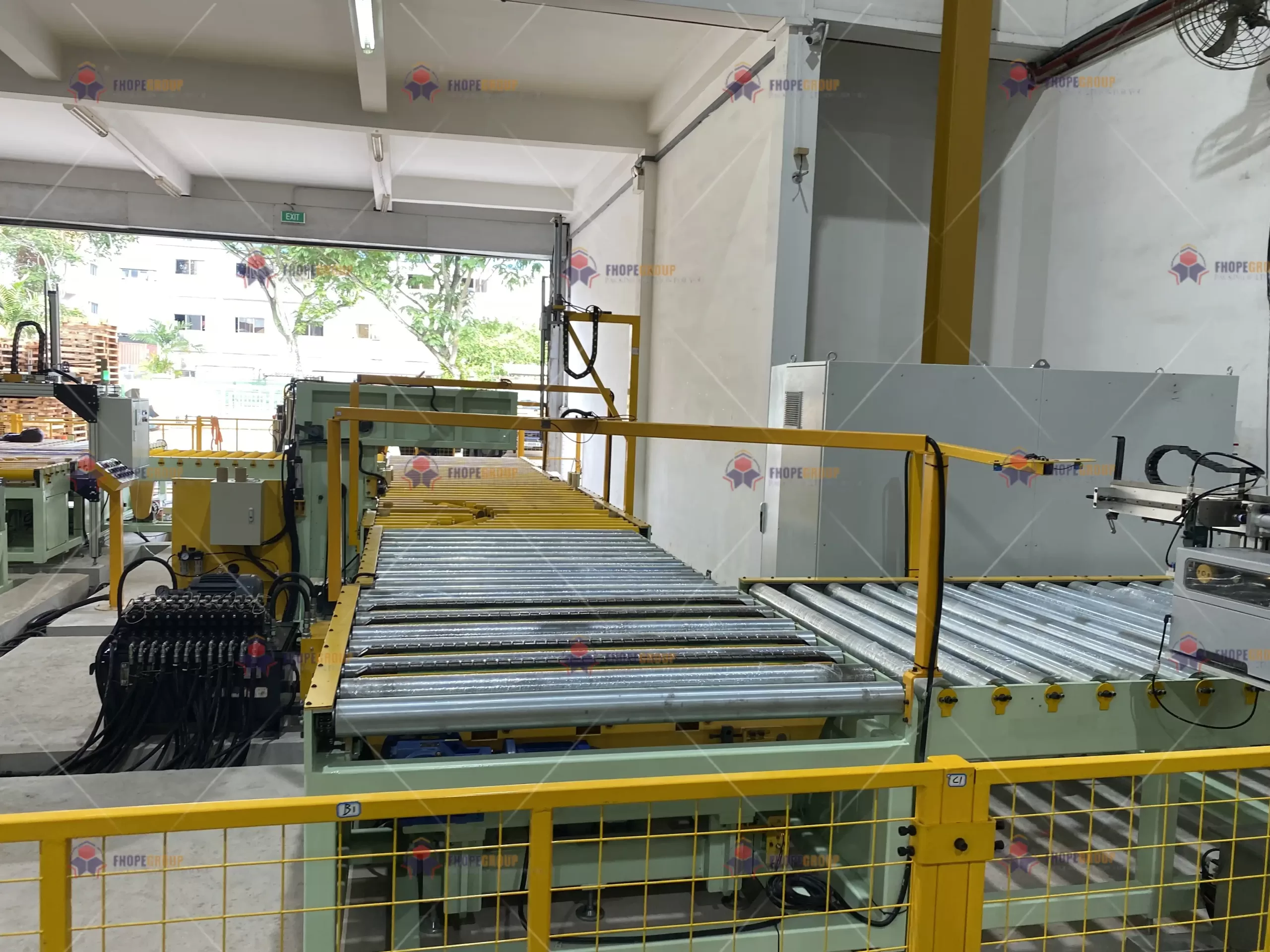
Automated slit coil packaging lines are designed to handle tasks that are risky or repetitive for humans. This approach dramatically lowers the chances of accidents. It also helps businesses deal with labor shortages and inconsistent quality, just like Ivan’s steel mill.
-
Reduced Manual Handling of Heavy Coils:
- Automated Conveyors and Transfer Systems: These systems move coils from one station to another without any manual lifting or pushing. This eliminates the risk of strains, sprains, and crushing injuries that can occur when operators try to move heavy objects. For Ivan, this means fewer worker injuries.
- Robotic Grippers and Cranes: Modern lines use robotic arms or automated cranes to pick up, turn, and place coils. These robots work with precision and strength. They perform tasks that would be impossible or very dangerous for humans. This automation directly addresses Ivan’s goal of mechanical lifting to reduce accident rates. (automated material handling safety)
-
Elimination of Exposure to Moving Machinery:
- Enclosed Systems: Many automated packaging machines are enclosed. They keep operators physically separated from the working parts. This design prevents accidental contact with strapping heads, stretch wrappers, or cutting tools. It creates a completely safe operating zone for workers.
- Remote Operation: Operators can control automated lines from a safe distance. They use control panels or human-machine interfaces (HMIs). This means they do not need to be close to the machines during operation. This setup is especially useful during critical processes. (remote control packaging systems)
-
Consistent and Predictable Operations:
- Reduced Human Error: Humans can get tired or distracted. This leads to mistakes. Automated systems perform tasks consistently every time. They follow programmed instructions precisely. This reduces the chances of errors that could lead to accidents. It also helps achieve consistent packaging quality, which is vital for Ivan’s customers.
- Predictable Movements: Robots and automated components move in predictable ways. Their paths are programmed and repeated accurately. This predictability allows for clear safety zones to be established. Workers can trust that machines will operate within their defined boundaries. (automated process reliability)
-
Integration with Advanced Safety Sensors and AI:
- Smart Sensor Networks: Automated lines use a network of sensors. These sensors detect anomalies like unexpected objects, incorrect coil placement, or machine malfunctions. They can trigger immediate shutdowns. This proactive detection prevents accidents before they happen.
- AI for Predictive Maintenance: Artificial intelligence can analyze data from machines. It predicts when parts might fail. This allows for maintenance to be done before a breakdown occurs. Preventive maintenance keeps machines running safely and reliably. This prevents unexpected mechanical failures that could endanger workers. It also helps Ivan achieve his goal of reducing comprehensive costs. (AI in industrial safety)
What Role Do Ergonomic Designs Play in Preventing Workplace Injuries?
Have you thought about how the layout and design of a workspace affect operator safety and comfort? Ergonomic design is crucial. It shapes the working environment to fit the person, not the other way around. My commitment at FHOPEPACK is to create not only efficient but also comfortable and safe workspaces. This reduces fatigue and prevents long-term health issues for operators. (ergonomic workplace design)
Ergonomic designs play a vital role in preventing workplace injuries by optimizing the interaction between operators and packaging machinery. These designs reduce physical strain, minimize repetitive motions, and improve posture, thereby decreasing the risk of musculoskeletal disorders, fatigue, and human error. They contribute to a more comfortable, safer, and productive working environment.
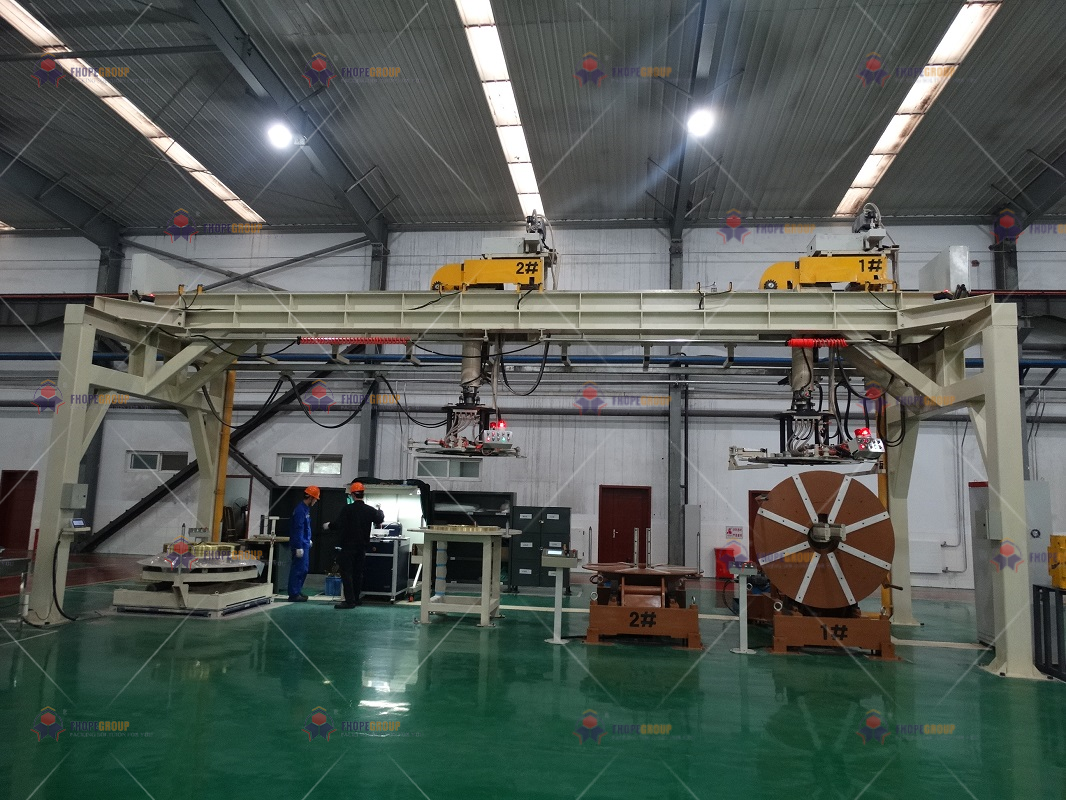
Poor ergonomic design can lead to tired workers and chronic pain. This impacts both health and productivity. Ivan faces challenges with young workers leaving due to high intensity. Good ergonomics can help retain skilled staff.
-
Reducing Physical Strain and Repetitive Motions:
- Adjustable Workstations: Ergonomically designed workstations are adjustable. Operators can set the height of control panels or work surfaces. This allows them to work in a comfortable posture, whether standing or sitting. This adaptability helps prevent back pain and neck strain.
- Automated Assistive Devices: For tasks that still require some manual input, assistive devices can help. These might include lift tables or specialized tools that reduce the force needed. They minimize the physical load on operators. This is especially important for tasks like applying labels or adjusting minor settings. (reducing physical fatigue at work)
-
Optimizing Control Panel and HMI Design:
- Intuitive Layouts: Control panels and Human-Machine Interfaces (HMIs) are designed for ease of use. Frequently used buttons are easy to reach. Information is displayed clearly. This reduces cognitive load and the chance of errors. A well-designed HMI helps operators understand machine status quickly.
- Clear Visual Cues: Color coding, clear labels, and visual indicators guide operators. They show them what the machine is doing or what action is needed. This quick feedback enhances safety by preventing confusion. It also speeds up reaction times in critical situations. (user-friendly HMI design)
-
Proper Lighting and Noise Reduction:
- Adequate Illumination: Good lighting is essential. It helps operators see machine parts, labels, and safety warnings clearly. Poor lighting can lead to eye strain and increase the risk of accidents. Well-lit areas enhance visibility and focus.
- Noise Dampening: High noise levels can cause hearing damage. They also make communication difficult. This can be a safety hazard. Packaging lines are often noisy. Incorporating noise-dampening materials or enclosures reduces noise levels. This creates a safer and more comfortable environment for operators. (industrial noise control solutions)
-
Accessible Maintenance Points:
- Safe Access: Machines should be designed so that maintenance staff can access all parts easily and safely. This means having proper platforms, ladders, and clear pathways. It also means that critical components are reachable without awkward stretching or climbing.
- Tooling and Setup Ergonomics: The tools and procedures for machine setup or material changes should also be ergonomic. Quick-release mechanisms or easily adjustable components reduce the effort and time needed for these tasks. This lowers the risk of injury during setup and maintenance operations. (safe machine access)
How Do Comprehensive Training and Regular Maintenance Ensure Continuous Safety?
Do you know that even the most advanced safety systems need human support to work best? Comprehensive training and strict maintenance schedules are vital. They ensure that machines remain safe and operators know how to use them correctly. I believe that knowledge and care are just as important as technology in creating a safe workplace. (workplace safety training)
Comprehensive training and regular maintenance are crucial for ensuring continuous safety in slit coil packaging lines. Training equips operators with the knowledge to safely run and troubleshoot machinery, recognize hazards, and react to emergencies. Regular maintenance keeps safety systems functional and prevents equipment failures, upholding the integrity of the entire safety infrastructure over time.
Operators must know how to use the equipment properly. Machines need consistent care to work as they should. This combination creates a resilient safety culture. It helps meet goals like guaranteeing safe production and looking for long-term partners.
-
Operator Training Programs:
- Machine Operation Protocols: Operators receive training on how to start, run, and stop all parts of the packaging line safely. This includes understanding the specific functions of each machine and its controls. They learn the correct sequence of operations. This prevents errors that could lead to accidents.
- Safety Feature Awareness: Training covers all safety systems, such as E-stops, interlocks, and light curtains. Operators learn how these systems work and what to do if they are activated. They understand the importance of never bypassing safety features. This ensures that safety mechanisms are respected. (packaging machine operation training)
-
Emergency Procedures and Drills:
- Responding to Alarms: Operators are trained on how to react when safety alarms go off. This includes identifying the type of alarm and knowing the correct shutdown procedures. Quick and correct responses can prevent minor incidents from becoming major accidents.
- Evacuation Plans: Training includes emergency evacuation procedures. All personnel know safe routes and assembly points. Regular drills help ensure that everyone can act calmly and effectively in a real emergency. This preparedness is essential for minimizing harm. (industrial emergency response)
-
Preventive Maintenance Schedules:
- Regular Inspections: Machines and their safety components need regular checks. This includes examining guards for damage, testing E-stop buttons, and verifying sensor functionality. These inspections identify potential issues before they cause problems. They keep all safety systems fully operational.
- Lubrication and Component Replacement: Moving parts require regular lubrication to reduce wear. Worn-out parts, like belts, chains, or sensors, need to be replaced on schedule. This prevents unexpected breakdowns. This proactive approach ensures machine reliability and reduces safety risks from component failure. (preventive maintenance checklist)
-
Certification and Compliance:
- Adherence to Standards: Packaging lines must meet international safety standards, such as CE or ISO certifications. These standards dictate specific requirements for machine design and safety features. Manufacturers like FHOPEPACK ensure their solutions comply with these regulations. This is important for clients who export products.
- Documentation and Record Keeping: Maintaining detailed records of training sessions, maintenance activities, and safety audits is critical. This documentation shows compliance with regulations. It also helps track machine performance and identify areas for improvement. It ensures accountability for safety. (industrial safety compliance)
Conclusion
Safety systems are not just additions; they are fundamental to modern slit coil packaging lines. They protect operators through physical barriers, smart automation, ergonomic design, and ongoing training. By prioritizing these elements, businesses ensure a safer workplace, prevent costly accidents, and achieve higher operational efficiency. Partnering with experienced suppliers like FHOPEPACK can provide a complete coil packing line solution that combines cutting-edge safety with robust performance. (comprehensive packaging safety strategy)








