
How Do Different Orbital Stretch Wrapper Brands Perform in Brazil’s Packaging Industry?
Are you tired of slow, manual packaging lines? Do you worry about your workers’ safety handling heavy coils and wires every day? I know the feeling. I’ve seen countless factories struggle with product damage and efficiency bottlenecks. It’s frustrating when you need reliable equipment but find suppliers who only care about the sale. This is a common problem in the fast-paced world of metal processing, especially in a dynamic market like Brazil.
In Brazil’s packaging industry, the performance of different orbital stretch wrapper brands varies. High-quality brands offer automation, improve worker safety, and significantly boost efficiency, which is vital for industries handling heavy coils and wires. These machines reduce manual labor, prevent product damage, and deliver a clear return on investment by speeding up output and cutting costs.

Understanding the general landscape is one thing, but getting into the specifics helps you make better choices. So, let’s look closer at how these machines really perform and what you, as a factory manager, should consider for your operations in Brazil.
Why is automation crucial for Brazilian factories?
Your factory relies on speed and precision. But if your packing line still uses a lot of manual work, you are probably facing serious bottlenecks. This slows down your entire production. It also puts a heavy load on your workers.
Automation is crucial for Brazilian factories because it directly addresses key operational challenges like slow manual processes and high labor costs. By automating tasks such as coil and wire wrapping, factories can dramatically increase throughput, ensure consistent quality, and reduce the risk of human error, making their operations more competitive and efficient.

I remember when I first started my own packing machine factory. I saw many businesses stuck in old ways. They used too much human effort for tasks that a machine could do faster and safer. In Brazil, many factories still operate this way. They believe manual work saves money, but in the long run, it costs them more. Think about the time it takes to manually wrap a large steel coil. It is slow. It takes several workers. And it might not even be wrapped consistently. An automated orbital stretch wrapper changes this. It can wrap a coil in minutes, not hours. It uses a consistent tension and overlap. This means your product is protected better. Also, it frees up your workers. They can do other, more skilled jobs. This is not just about speed. It is about consistent quality. It is about making your factory run smoother.
For example, a factory manager I know in São Paulo struggled with meeting large orders. Their manual packing could not keep up. They thought about adding more shifts. But that meant more costs and more training. I suggested looking at automation. We talked about how an orbital wrapper could integrate with their existing conveyor system. This machine wraps the product while it moves along the line. It does not stop production. This seamless flow is vital for high-volume factories. It means less waiting time. It means more products shipped out daily. Brazilian industries, especially those dealing with heavy materials like steel or wire, need this efficiency. They need to reduce bottlenecks at the end of the line. Automation is the answer to growing production without growing your problems. It allows your business to scale up. It also helps you stay competitive in a global market. It is an investment that pays off quickly in terms of output and worker productivity.
Benefits of Automation in Packing:
- Increased Throughput: Machines work faster than humans, leading to more packed products per hour.
- Consistent Quality: Automated systems apply film uniformly, ensuring better product protection.
- Reduced Labor Dependence: Fewer workers are needed for repetitive, heavy tasks, freeing them for other roles.
How Automation Impacts Cost:
| Factor | Manual Packing | Automated Packing |
|---|---|---|
| Labor Cost | High (multiple workers, overtime) | Low (fewer workers, focused roles) |
| Production Speed | Slow, inconsistent | Fast, consistent |
| Product Damage | High (human error, mishandling) | Low (precise machine handling) |
| Safety Risks | Very High (injuries, insurance) | Very Low (machines handle heavy loads) |
Automation simply makes good business sense for a factory in Brazil aiming for growth.
How can orbital wrappers improve worker safety?
Manual handling of heavy items like steel coils or wire bundles is extremely dangerous. Workers face serious risks every day. There are high chances of back injuries, crushed limbs, and other accidents. This leads to high insurance costs for you. It also causes low morale and high staff turnover.
Orbital stretch wrappers drastically improve worker safety by eliminating the need for manual handling of heavy and awkward items during the packaging process. These machines allow workers to stand clear while the product is wrapped, greatly reducing the risk of injuries from lifting, twisting, or falling objects, thereby creating a much safer work environment.
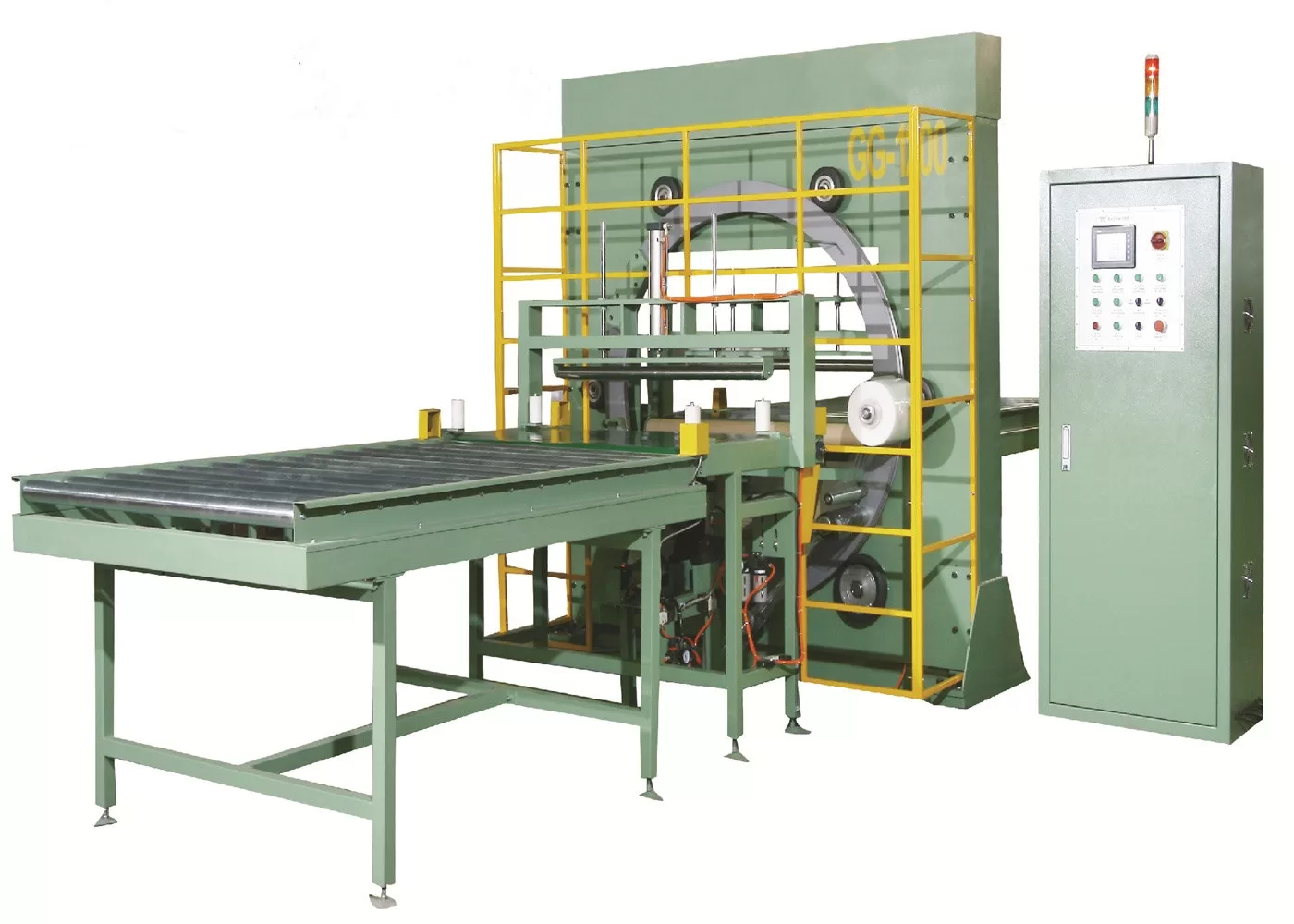
Safety was always a big concern for me when I ran my factory. I saw firsthand how one accident could stop an entire production line. It affects worker morale, and it costs a lot of money in medical bills and lost work time. Michael, as a factory manager, probably knows this pain very well. In Brazil, safety regulations are strict. Companies must follow them. But even with rules, manual processes are risky. Imagine a worker trying to flip a heavy coil or wrap it by hand. This involves awkward movements. It often needs more than one person. And a slip or a loss of grip can lead to severe injury.
This is where orbital wrappers become game-changers. They are designed to do the heavy lifting and wrapping. The product, whether it is a coil, a pipe, or a bundle of wires, is placed on a conveyor. The machine then moves around it. It wraps the film without any worker having to touch the product during the wrapping process. Many advanced orbital wrappers come with safety features. These include light curtains, emergency stop buttons, and safety interlocks. Light curtains create a safety zone around the machine. If a worker steps into this zone, the machine stops immediately. This prevents accidents. Emergency stops are always within reach. This allows quick shutdown in an unexpected situation. These features are not just add-ons. They are essential parts of a safe work environment. My focus at FHOPEPACK is always on practical solutions. We design machines that are safe and efficient. They protect your most valuable asset: your people.
By moving away from manual wrapping, you reduce the direct contact workers have with heavy, moving parts. This cuts down on sprains, strains, and crushes. It also improves overall factory safety culture. Workers feel more secure. They know their employer cares about their well-being. This can lower your insurance premiums. It can also reduce employee turnover. A safer workplace means a happier workforce. It leads to higher productivity. It means fewer disruptions. It helps your factory comply with strict safety rules. It ensures your business runs smoothly without the constant worry of an accident.
Key Safety Improvements:
- No Manual Lifting: Machines handle all heavy lifting and positioning.
- Reduced Contact: Workers operate the machine from a safe distance.
- Built-in Safety Features: Light curtains, emergency stops, and safety guards prevent accidents.
Impact of Orbital Wrappers on Worker Safety:
| Aspect | Before (Manual) | After (Orbital Wrapper) |
|---|---|---|
| Injury Risk | High (back, crush, sprains) | Low (minimal human contact) |
| Worker Fatigue | High (physical exertion) | Low (monitoring, operating) |
| Insurance Claims | Potentially High | Significantly Lower |
| Compliance with Safety | Challenging to maintain | Easier to achieve and exceed |
| Worker Morale | Can be low due to perceived risk | Higher due to safer environment |
Investing in an orbital wrapper is an investment in your team’s safety and your factory’s future.
Can these machines truly reduce operating costs?
Every factory manager knows that cost control is key to staying profitable. You need to boost output. But you also need to cut down on expenses. Often, manual processes seem cheaper at first glance. However, they hide many hidden costs that eat into your profits.
Yes, orbital stretch wrappers can significantly reduce operating costs by cutting labor expenses, minimizing product damage, and optimizing material use. Their automation leads to fewer workers needed for wrapping, fewer customer complaints due to damaged goods, and more efficient film consumption, all contributing to a strong return on investment for the factory.
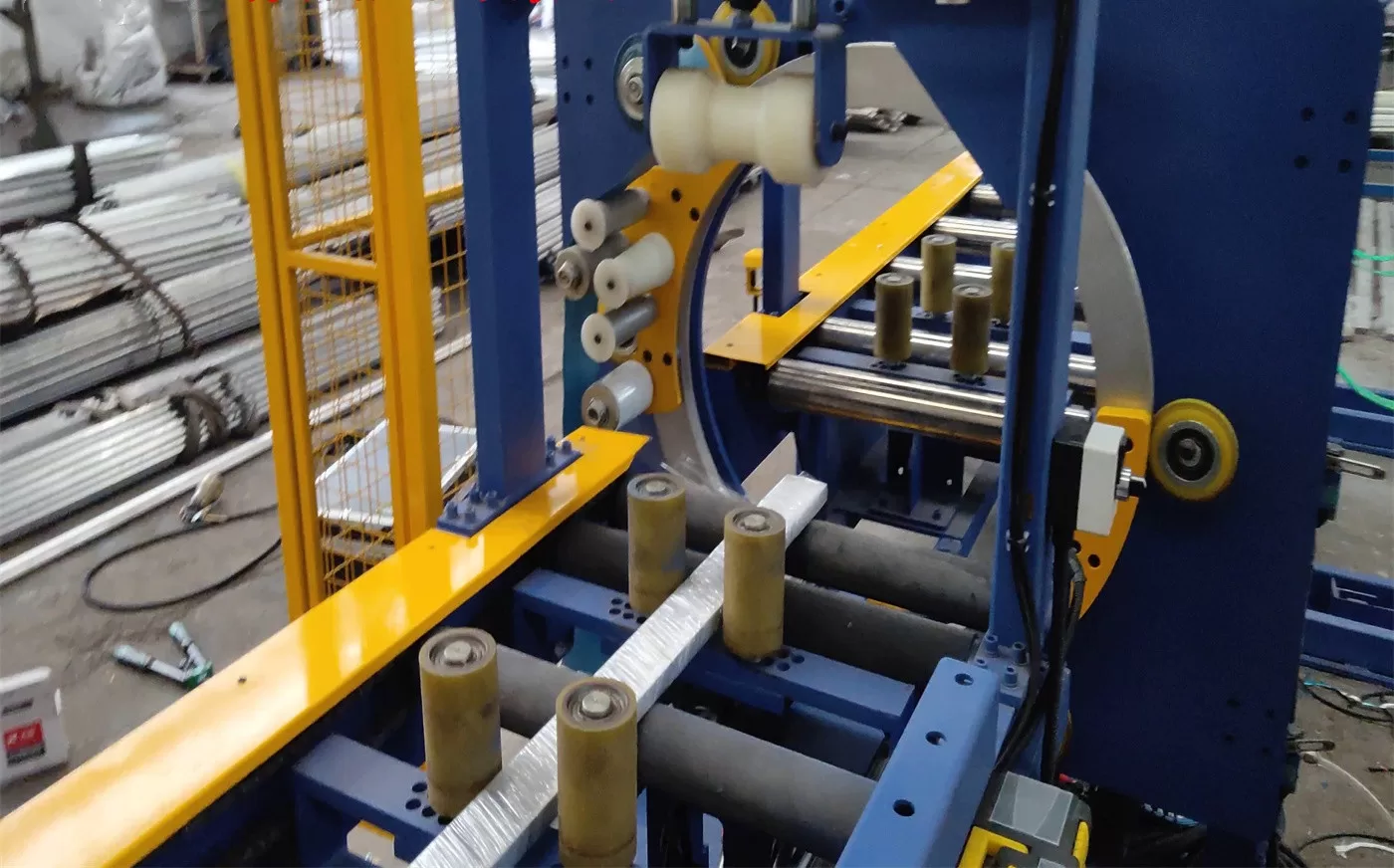
When I advise clients, I always talk about return on investment (ROI). It is not enough to just buy a machine. You need to know it will bring money back. Michael’s goal is clear: lower costs and improve profit. Manual packing might seem cheap because you do not buy a big machine. But think about the real costs. You pay wages for multiple workers to do a repetitive task. You pay for their health insurance. You pay for overtime when orders pile up. Then there is the cost of product damage. Michael mentioned coil edges getting damaged. This means customer complaints. It means rejected goods. And it means lost profit. These are all hidden costs of manual packing.
An orbital stretch wrapper tackles these costs directly. First, labor cost. One machine operator can manage the wrapper. This replaces several workers who were manually wrapping. This frees up those workers for other, more skilled tasks elsewhere in the factory. It does not mean laying people off. It means optimizing your workforce. Second, product damage. The machine applies film with precise tension and coverage. This protects products like steel coils or wire bundles from scratches, dust, and moisture during transport. It makes sure they reach the customer in perfect condition. This reduces returns and complaints. It also strengthens your reputation. My experience tells me that reliable packing leads to happier customers and more repeat business.
Third, material efficiency. Good orbital wrappers use film very efficiently. They stretch the film to its maximum yield. Manual wrapping often wastes film due to inconsistent application. A machine can calculate the exact amount of film needed for each product. This saves you money on film purchases over time. I once worked with a client who switched to an automated system. They were shocked by how much film they saved each month. This was a significant boost to their bottom line. So, while the initial investment in an orbital wrapper might look big, the savings in labor, reduced damage, and lower material costs add up very quickly. This translates into a clear, measurable ROI for any factory in Brazil looking to optimize its operations. It is about smart spending, not just cutting corners.
Ways Orbital Wrappers Cut Costs:
- Labor Savings: Reduces the number of workers needed for packing.
- Reduced Product Damage: Consistent wrapping protects goods, leading to fewer returns.
- Optimized Film Usage: Machines use film more efficiently, reducing material waste.
Financial Impact of Orbital Wrapper Investment:
| Cost Factor | Manual Packing Cost | Orbital Wrapper Impact |
|---|---|---|
| Direct Labor | High (multiple salaries) | Significantly Lower (fewer dedicated staff) |
| Product Loss/Rejects | Moderate to High | Very Low (consistent protection) |
| Packaging Material | Higher (inconsistent use, waste) | Lower (optimized stretch, precise application) |
| Insurance Premiums | Higher (due to injury risk) | Potentially Lower (safer environment) |
| Maintenance & Energy | Lower (for manual work) | Moderate (for machine, offset by savings) |
| Overall ROI | Negative (hidden costs) | Positive (clear and measurable savings) |
An orbital wrapper is not just an expense; it is a strategic financial move for your factory.
What should you look for in a reliable supplier in Brazil?
Finding the right equipment is tough enough. Finding the right supplier is even harder. Michael knows this well. He has dealt with suppliers who only care about selling, not about solving his real problems. This lack of trust is a big barrier for factory managers.
When seeking a reliable orbital stretch wrapper supplier in Brazil, look for a partner who deeply understands your specific industry needs, offers robust after-sales support, and has a proven track record. A trustworthy supplier goes beyond selling a machine; they provide expert advice, help with installation, and offer quick, effective service to ensure your long-term success.
I started FHOPEPACK because I believe in sharing knowledge and building real partnerships. My journey in the packing machine industry, from an employee to a factory owner, taught me a lot. The most important lesson was that customers need solutions, not just products. Michael’s experience with unreliable suppliers is common. Many companies just want to make a sale. Then they disappear when you need help. This is a critical issue. A machine, no matter how good, will need support. It will need spare parts. It will need technical advice.
A reliable supplier in Brazil should first understand your business. Do they ask about your specific products, like coils or wires? Do they ask about your current production bottlenecks? Do they care about your safety concerns? This shows they are listening. They should also offer strong after-sales service. This includes installation support. It means training for your staff. And most importantly, it means fast support for breakdowns. Downtime is expensive. So, quick service is vital. For FHOPEPACK, we focus on being that trusted advisor. We want to help clients grow their businesses, just like Randal helped many of his clients achieve financial independence. This is a core part of our mission.
Another thing to look for is a supplier’s experience and reputation. Have they supplied machines to similar factories in Brazil or the region? Can they provide references? Do they have engineers who can speak your language and understand your operational environment? It is important to find a supplier who has a deep understanding of heavy-duty packaging needs. This includes knowing about the specific challenges of wrapping large, heavy items like steel coils or wire bundles. They should suggest the right machine model and features for your needs. For example, a supplier should be able to explain how different wrapper sizes or tension control systems affect your specific products. They should also discuss how the machine integrates with your current factory layout. This deep knowledge ensures you get a solution that truly fits. It prevents costly mistakes later on. My background as an engineer and factory owner helps me relate to these challenges. I know what it takes to make a factory run well. I know what a good partnership looks like.
Qualities of a Reliable Supplier:
- Industry Expertise: Understands your specific product and operational challenges.
- Strong After-Sales Support: Offers installation, training, and fast technical service.
- Proven Track Record: Has successful installations and good references.
- Consultative Approach: Acts as a partner, not just a seller, offering tailored solutions.
Supplier Evaluation Checklist:
| Feature | Poor Supplier | Reliable Supplier |
|---|---|---|
| Initial Approach | Focus on selling cheapest model | Focus on understanding your needs |
| Product Knowledge | Generic, limited to sales brochures | Deep, specific to your industry and products |
| After-Sales | Slow response, costly parts, limited training | Fast, effective, comprehensive support |
| Installation | Minimal guidance, leaves you to figure out | Full support, detailed setup, staff training |
| Problem Solving | Blames customer, avoids responsibility | Proactive, seeks solutions, takes ownership |
| Long-Term View | Transactional (one-time sale) | Partnership (long-term relationship) |
Choose a supplier who is truly invested in your success.
Conclusion
Selecting the right orbital stretch wrapper in Brazil means understanding your needs, valuing worker safety, and cutting costs. Choose a supplier like FHOPEPACK who provides expertise and long-term support, ensuring your factory’s growth and profitability.








