
What Are the Pros and Cons of Using an Orbital Stretch Wrapper in Brazilian Manufacturing?
Brazilian manufacturing plants, especially those handling heavy items like steel coils or pipes, often face big problems. You might be struggling with slow packing, high labor costs, and constant worries about worker safety. I have seen many factories just like yours. They deal with damaged products and struggle to keep up with orders. These issues do not just slow you down. They eat into your profits and can make it hard to grow.
Using an orbital stretch wrapper in Brazilian manufacturing offers clear advantages like faster packing, better product protection, and greatly improved worker safety. However, it also comes with challenges such as the initial investment cost, the need for skilled operators, and finding good local support.
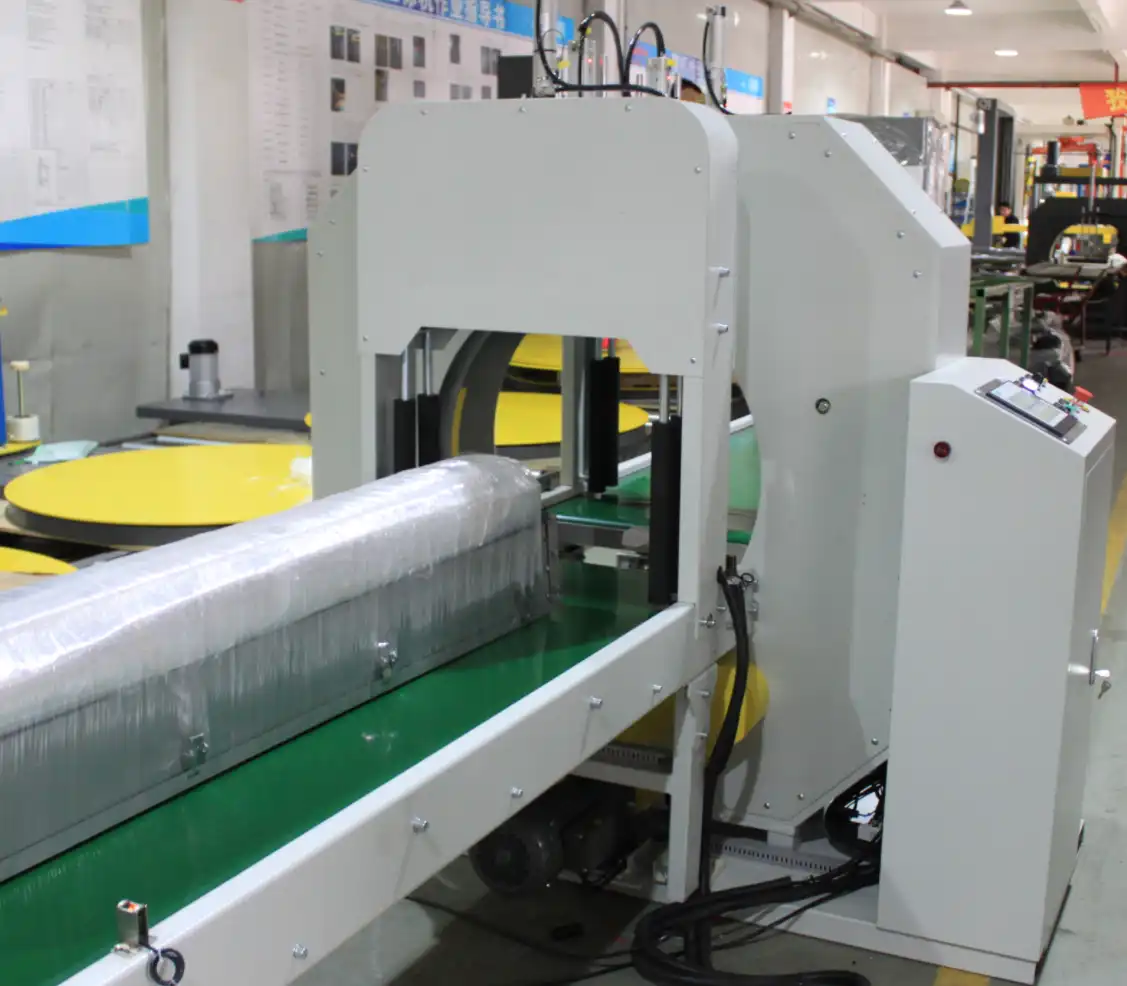
You are probably wondering if this kind of machine is right for your specific needs. Understanding both the good and the bad parts is key. Let us look closer at what orbital stretch wrappers can truly do for your Brazilian factory.
What Are the Main Benefits of Orbital Stretch Wrappers for Brazilian Factories?
Do you constantly battle slow packing lines? Are your workers at risk every day from moving heavy items? Many factories in Brazil face these exact issues. Manual packing is slow, expensive, and dangerous. This situation holds back your production and hurts your bottom line.
Orbital stretch wrappers bring many benefits to Brazilian factories, including higher packing speed, reduced labor costs, better product protection, and a significant boost in workplace safety.

One of the biggest advantages is how much faster you can pack. Manual wrapping is very slow. It takes many people and a lot of time to secure large, awkward products. An orbital wrapper does this job quickly. It wraps the product from all sides as it moves through the machine. This means you can process more items each day. Your production flow becomes smoother. This directly helps you meet customer deadlines faster.
Another major benefit is saving money on labor. When you use machines to do the heavy work, you need fewer people for the packing step. This cuts down your wage costs. It also frees up your team members for other important tasks in the factory. This can improve your overall operational efficiency. Think about the costs associated with injuries from manual handling. These machines remove that risk. This can lower your insurance premiums and reduce employee turnover. My own journey in the packing machine industry taught me that smart investments in automation directly lead to financial gains. I have seen first-hand how factories grow when they embrace efficient processes.
Product protection also gets much better. Manual wrapping often leads to inconsistent coverage. Products can get damaged during shipping or even inside the factory. Michael, a factory manager I know, often worries about damaged steel coil edges. An orbital wrapper applies a tight, consistent layer of film. This protects products like steel coils, pipes, or long bundles from dust, moisture, and impact damage. It makes sure your products reach the customer in perfect condition. This reduces complaints and saves you money from product loss. It also builds trust with your clients.
Lastly, safety greatly improves. This is a critical point for any factory manager, including Michael. Moving heavy, bulky items by hand is very dangerous. Workers can suffer back injuries, crushed limbs, or worse. An orbital wrapper removes the need for manual lifting and turning during the wrapping process. The machine does all the hard work. This keeps your workers safe. A safer workplace means fewer accidents. It also means happier employees and a better work environment. This is not just about avoiding lawsuits. It is about creating a place where people feel safe and valued. I believe a good factory manager always puts safety first.
What Are the Challenges When Implementing Orbital Wrappers in Brazilian Manufacturing?
Thinking about new machines is exciting. But what if the machine costs too much? What if your team cannot use it properly? These are real worries for any factory manager in Brazil. Buying new equipment always has its challenges. It is not just about the price tag.
Implementing orbital wrappers in Brazilian manufacturing can pose challenges such as high initial investment, the need for skilled operators, potential for complex maintenance, and finding reliable local support for parts and service.

The first big challenge is the upfront cost. Orbital stretch wrappers are specialized machines. They are not cheap. For many Brazilian factories, this initial investment can be a barrier. It requires careful financial planning. You need to make a strong business case. This means showing a clear return on investment (ROI). You must calculate how much money the machine will save you over time. This includes labor costs, reduced product damage, and increased output. Without this clear financial picture, it is hard to justify the purchase. I have helped many clients see the long-term value. It is not just an expense. It is an investment in your future.
Another challenge is the need for skilled staff. These machines are not simple. They need operators who understand how to run them safely and efficiently. Your existing team may need training. This training takes time and money. If you do not have trained staff, the machine might not run at its best. It might even lead to more breakdowns. You also need people who can do basic troubleshooting. This avoids calling a technician for every small issue. This is a common concern I hear from factory managers like Michael. He wants solutions that work, not just new problems.
Maintenance can also be complex. Like any advanced machine, orbital wrappers need regular care. They have many moving parts. They use electrical systems and sensors. If something breaks, you need someone who knows how to fix it. This often means hiring specialized technicians or training your own maintenance team. If you cannot fix problems quickly, the machine sits idle. This means lost production and lost money. Downtime is a big concern for Michael. It affects his whole operation.
Finding good local support can be another hurdle in Brazil. While many international companies sell these machines, local service and spare parts availability can vary. You want a supplier who can quickly provide parts and send technicians when needed. If you have to wait weeks for a part to arrive from overseas, your production suffers. This builds distrust. I know Michael has faced issues with suppliers who are only good at selling, not at providing after-sales service. My advice is always to look for a partner, not just a seller. This partner should understand your needs and be there for you after the sale. This is why I focus so much on sharing knowledge. I want to empower you to make the right choices.
How Can Orbital Wrappers Improve Safety and Efficiency in Heavy Industry?
Are your workers constantly lifting heavy, awkward items? Is your production line slowed down by manual packing? These issues are common in heavy industry. They do not just hurt your profits. They put your team at risk every day.
Orbital wrappers significantly improve safety in heavy industry by removing manual handling of heavy items, and they boost efficiency through automated, faster, and more consistent product wrapping.
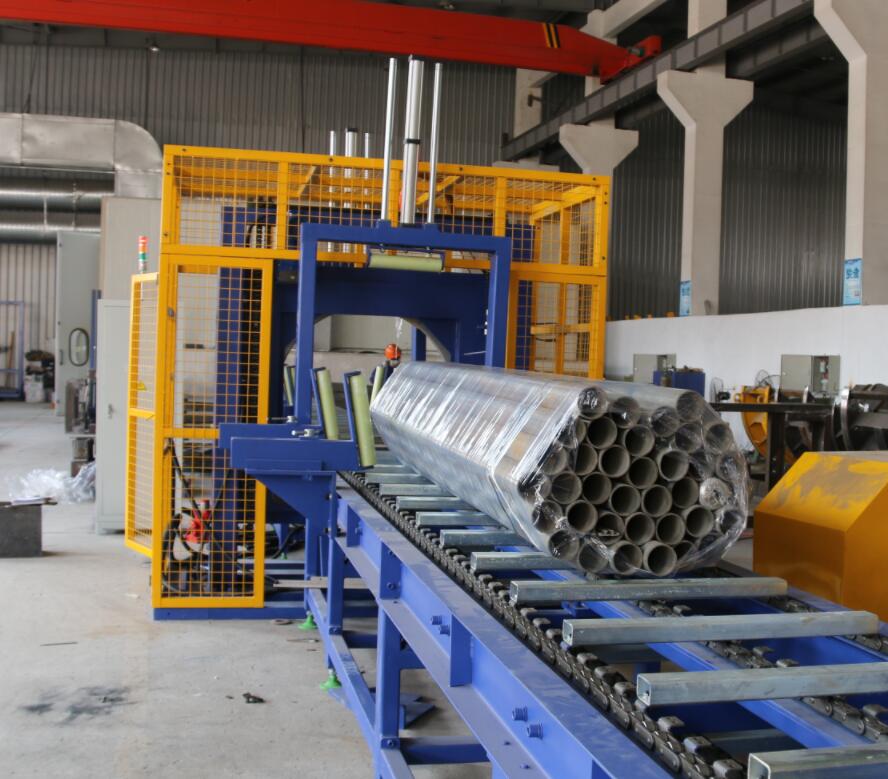
Let’s talk about safety first. In heavy industries like steel or metal processing, products are often very heavy. Think about steel coils, large pipes, or long bundles of metal. Workers have to lift, turn, and move these items. This manual handling creates a huge risk of injury. Common injuries include back strain, cuts, crushed fingers, and even more serious accidents. An orbital wrapper takes this risk away. The product moves through the machine on a conveyor. The wrapping arm goes around it. No human hands need to lift or turn the heavy item during wrapping. This means fewer accidents, lower insurance costs, and a much safer workplace. My own factory used machines for these tasks. I saw the difference it made for our team’s well-being. It is about protecting your people.
Now, let us look at efficiency. Manual packing is a bottleneck. It is slow. It is inconsistent. Each worker wraps a little differently. This affects the quality of the packed product. An orbital wrapper solves these problems.
- Speed: It wraps much faster than any person can. This means more products can be processed in less time. Your output goes up.
- Consistency: The machine applies film with the same tension and overlap every time. This creates a uniform, secure package. This looks more professional. It also protects the product better.
- Automation: Once the product is on the conveyor, the machine does its job with little human input. This frees up workers for other tasks. It also reduces human error. This leads to a smoother, more reliable production flow.
Michael, as a factory manager, cares deeply about these points. He wants to remove bottlenecks and improve his overall output. He also understands that safety directly impacts productivity. Injured workers mean lost time and reduced morale. By investing in an orbital wrapper, factories can address both safety and efficiency at the same time. This dual benefit makes a strong case for the investment, especially when considering the long-term return. It is about working smarter and safer, not just harder.
What Should Brazilian Manufacturers Consider Before Investing in an Orbital Wrapper?
Thinking about buying a big new machine? You might feel excited, but also a bit unsure. How do you know if it is the right choice? Many factory owners in Brazil face this question. You want to make a smart investment, not a mistake.
Before investing in an orbital wrapper, Brazilian manufacturers should carefully consider their specific product needs, factory space, budget for both purchase and operation, and the importance of finding a reliable supplier with strong after-sales support.
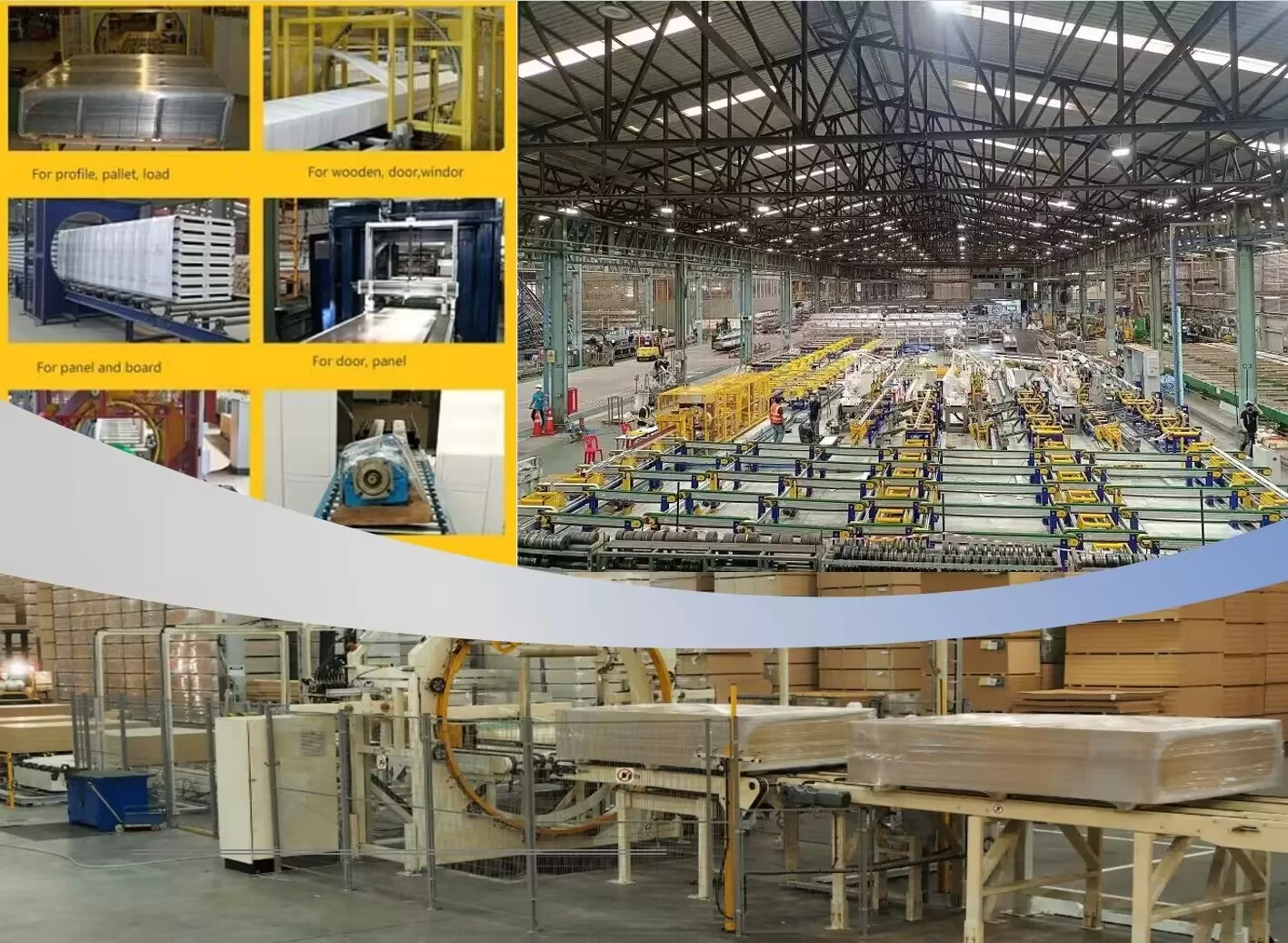
Making a big investment in machinery needs careful thought. Here are key things Brazilian manufacturers should look at.
First, think about your product. What are you wrapping? Is it a steel coil, a pipe, a door, or a bundle of wood? The size, weight, and shape of your product matter a lot. Different orbital wrappers handle different types of products best. You need a machine that fits your specific needs. Do not buy a machine that is too small or too big. Make sure it can handle the heaviest and largest items you produce. This is crucial for performance and safety.
Second, consider your factory space. Orbital wrappers can be large. Do you have enough room for the machine itself? Do you have space for the conveyor system leading to and from the wrapper? Think about access for maintenance and loading/unloading products. A tight space can make operation difficult and unsafe. Measure everything twice. Plan the layout carefully.
Third, look at your budget. This is not just about the purchase price. You also need to think about installation costs, training costs, and ongoing operating costs. This includes electricity, film, and maintenance parts. Get a clear quote for everything. Do a full cost-benefit analysis. As Randal, I always advise looking at the long-term savings. The money saved on labor, reduced damage, and increased output can quickly cover the initial cost. Michael wants an investment with a clear ROI. This means looking beyond the sticker price.
Fourth, and perhaps most important, is the supplier. Choose a supplier who understands your industry. They should have a good track record. Ask for references. Talk to other factories that use their machines. Do they offer good after-sales service? Can they provide parts quickly? Do they have technicians available in Brazil or nearby? A good supplier is a partner. They will help you from choosing the right machine to keeping it running smoothly for years. I have seen how bad supplier experiences can damage a business. My own success came from building trust and delivering value. That is what you should look for in a supplier.
Finally, think about future growth. Will your production needs change in the next 5-10 years? Can the machine handle more volume? Can it be adapted if your product line changes slightly? Choosing a machine with some flexibility can save you money in the long run.
My Insights on Making Orbital Wrapper Investments Pay Off?
You have heard about the good parts and the tough parts of orbital wrappers. Now, how do you make sure this big investment truly works for your business? Many factory managers wonder about getting the most value. It is not enough to just buy a machine. You need a plan to make it pay off.
To ensure your orbital wrapper investment pays off, focus on clear ROI calculations, thorough staff training, choosing a reliable long-term partner for support, and integrating the machine seamlessly into your production flow.
From my many years in the packing machine industry, starting as an employee and then building my own factory, I have learned a few key things about making big equipment investments truly work. This is my “Randal’s Insight.”
First, always do a detailed Return on Investment (ROI) calculation. Do not just look at the machine’s cost. Look at the total picture. How much money will you save on labor each month? How much will you save from less product damage? How much more product can you ship because your packing is faster? Put real numbers to these savings. Then compare them to the machine’s cost over a few years. This clear financial picture will show you if the investment is truly worth it. It helps you justify the purchase to your team and to your bank. I have helped many clients understand this. It is about seeing the machine not as an expense, but as a profit-generating asset.
Second, invest heavily in training your team. A great machine is only as good as the people running it. Your operators need to know how to use the machine safely and efficiently. Your maintenance team needs to know how to keep it running. Training reduces errors. It extends the machine’s life. It prevents costly breakdowns. It also makes your team feel more valued and capable. This is a small upfront cost that saves you huge amounts of money and headaches later. A well-trained team is your biggest asset.
Third, pick a supplier who is a true partner. Michael, the factory manager, has faced issues with suppliers who disappear after the sale. I believe in building long-term relationships. Look for a company that offers strong after-sales support. This includes quick access to spare parts. It also means having skilled technicians ready to help if something goes wrong. A good partner will also offer advice on optimizing your packing process. They will not just sell you a machine. They will help you succeed with it. This is why FHOPEPACK focuses on sharing knowledge. We want to be that reliable partner for you.
Fourth, plan the integration carefully. An orbital wrapper is part of a larger production line. How will products get to the wrapper? How will they move away from it? Think about conveyors, cranes, and floor layout. A smooth flow means maximum efficiency. A poorly planned layout can create new bottlenecks. Work with your supplier to design the best layout for your factory. This might involve custom solutions. Do not rush this step. It is crucial for maximizing the machine’s benefits.
By following these insights, you can move past just buying a machine. You can turn an investment into a true growth engine for your Brazilian manufacturing business.
Conclusion
Orbital stretch wrappers offer great benefits for Brazilian manufacturing, like more speed and safety. But they also need careful planning and investment. Choose wisely, train your team, and find a good partner to make your investment pay off.








