
How Do Coil Packing Lines Support Export and Production Efficiency in Egypt?
The steel industry in Egypt faces a crucial challenge today. Many mills struggle with outdated packing methods. This leads to slow production, inconsistent quality, and missed export opportunities. These issues can result in costly delays, damaged products, and a loss of competitive edge in the global market. Businesses need a better way to ensure their valuable steel coils are packed quickly, safely, and to the highest standards.
Coil packing lines are transforming the steel industry in Egypt by automating the entire packing process. They significantly boost production speed, ensure consistent, high-quality packaging for export, and reduce operational costs. These systems also improve worker safety. They help Egyptian manufacturers meet strict international standards and efficiently deliver products to markets worldwide.
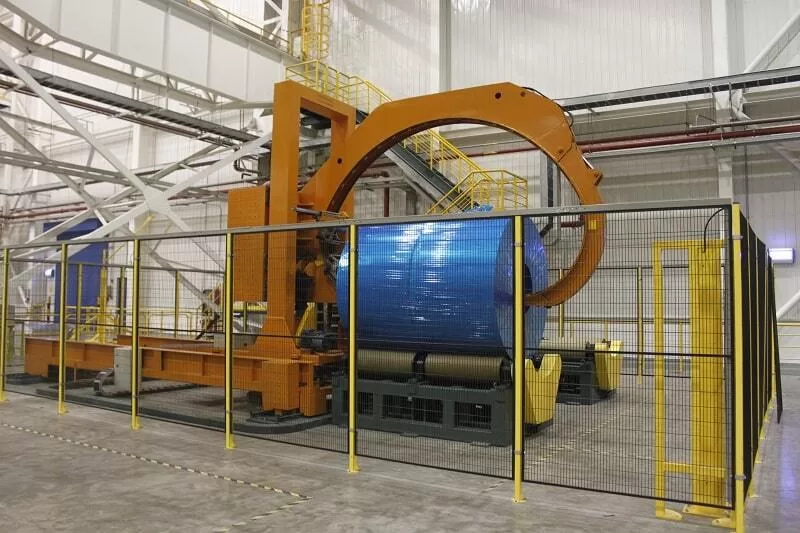
As an engineer who has worked in this field for many years, I have seen these problems firsthand. I built FHOPEPACK to share knowledge and solutions. This article will show you how modern coil packing lines are not just machines. They are strategic assets that can help Egyptian steel producers overcome their biggest challenges and grow their businesses. Let’s explore how.
How do coil packing lines boost productivity in Egyptian steel mills?
Egyptian steel mills often deal with high production volumes. They need to move products fast. Relying on manual packing can create a bottleneck. This slows down the entire production flow. This manual work also requires many workers, and it is prone to errors, which leads to delays and reduced throughput.
Automated coil packing lines dramatically increase productivity in Egyptian steel mills. They streamline operations by handling coils quickly and consistently. These systems reduce the need for manual labor, speed up packing cycles, and ensure a continuous flow of finished products from the production line to storage or shipping.
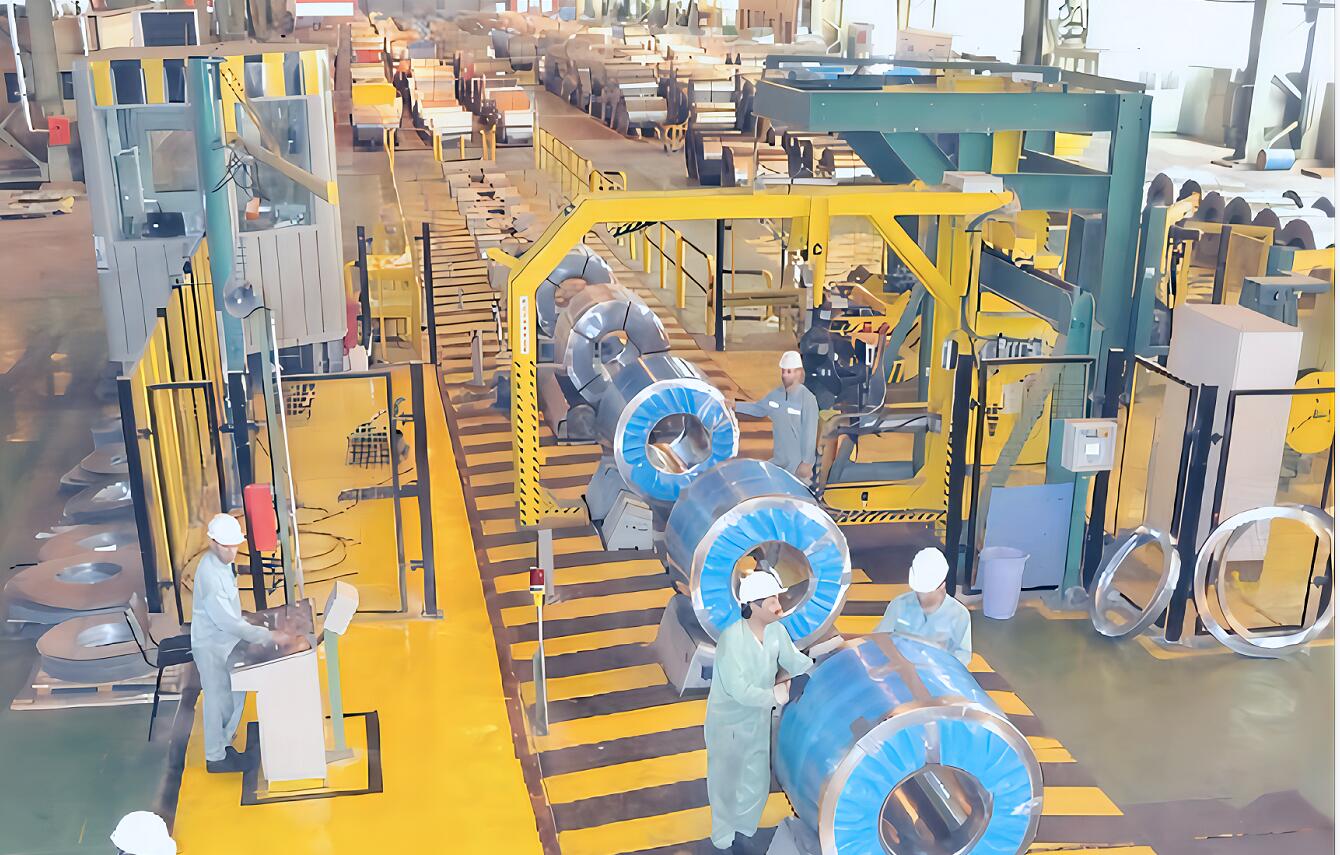
From my experience, I have seen how manual processes can hurt efficiency. When I started my own factory, I knew automation was key. Modern coil packing lines handle various coil sizes and weights without stopping. They adapt to different product types. This adaptability is vital for Egyptian mills producing many types of steel coils, like cold-rolled, galvanized, or color-coated. These lines keep the operation smooth and fast. This means more coils are packed and ready to ship each day.
Here is how coil packing lines boost productivity:
-
Increased Throughput Speed:
- ⚙️ Faster Cycles: Automated machines strap, wrap, and label coils much faster than human workers. This means a continuous flow of coils from the production line.
- 📈 Reduced Downtime: Modern systems are designed for 24/7 operation. They have fewer breakdowns. This ensures that packing never stops, even during peak demand.
- 🔄 Seamless Integration: These lines connect directly to the mill’s existing production system. This avoids manual transfers and waiting times between stages.
- ⏰ Consistent Pace: Machines maintain a steady, high speed. This removes the variability of human performance. It ensures predictable output every shift.
-
Optimal Labor Utilization:
- 👷 Reduced Labor Needs: One automated line can do the work of several manual workers. This frees up staff for other skilled tasks in the mill.
- 🛠️ Less Fatigue: Packing steel coils is hard physical work. Automation takes over the heavy lifting and repetitive tasks. This prevents worker fatigue and related slowdowns.
- 📉 Lower Training Costs: While operators need training for the machines, the overall need for a large, specialized manual packing team goes down. This cuts training expenses.
- 🧠 Focus on Oversight: Workers can shift from manual labor to supervising the automated process. This improves overall quality control and problem-solving.
-
Adaptability to Product Variety:
- 📏 Automated Adjustments: Coil packing lines can automatically adjust settings for different coil diameters, widths, and weights. This removes the need for manual reconfigurations.
- 📦 Diverse Packing Styles: They can apply various packing materials. This includes PET straps, steel straps, stretch film, or rust-proof paper. They can switch quickly to meet specific customer demands.
- 🏷️ Integrated Labeling: Automatic labeling systems apply unique barcodes or tags. This makes inventory management and tracking easier. This is very important for diverse product ranges.
- 🌍 Meeting Export Needs: The ability to easily change packing styles helps meet the varied requirements of international customers. This is crucial for expanding export markets from Egypt.
Can automated packing ensure export-quality coils for international markets?
Exporting steel coils means meeting very strict quality standards. International buyers demand perfect packaging. This protects coils from rust, moisture, and physical damage during long transit times. Manual packing often results in inconsistent tension, loose straps, or incomplete wraps. This leads to costly damage claims and lost business.
Automated coil packing lines guarantee export-quality coils. They apply consistent tension to straps and wraps. This creates tight, secure packaging. These systems use advanced materials and methods to protect coils from moisture, rust, and physical damage. This ensures products arrive in perfect condition. It helps Egyptian steel mills meet international standards like CE/ISO and build trust with global customers.

I recall a time early in my career when a client had major issues with damaged coils during sea shipment. Their manual packing simply could not withstand the journey. That experience taught me the critical importance of robust, consistent packing for export. Automated systems overcome these challenges. They deliver reliable protection. They ensure that every coil meets rigorous international benchmarks. This consistency is not just about avoiding complaints. It builds a reputation for quality that opens new markets.
Here is how automated packing ensures export quality:
-
Superior Protection Against Damage:
- 💧 Moisture Barrier: Multi-layer wrapping with stretch film, anti-rust paper, or VCI film creates an excellent barrier against humidity. This is crucial for coils shipped by sea.
- 🛡️ Impact Resistance: Tight strapping with PET or steel bands secures the coil. This prevents shifting and damage during handling and transport.
- ☀️ UV Protection: Some wrapping films offer UV resistance. This protects coated coils from sun damage. This keeps their surface quality intact.
- 🌬️ Dust and Dirt: A full wrap also protects the coil surface from dust, dirt, and other environmental contaminants. This ensures a clean product upon arrival.
-
Consistent Packaging Quality:
- ⚖️ Uniform Tension: Automated systems apply precise and consistent tension to all straps and wrapping films. This removes the variability of human strength.
- 🔗 Secure Fastening: Machines use reliable welding or sealing methods for straps. This prevents loosening during transit. This maintains package integrity.
- 📐 Exact Overlap: Wrapping machines ensure precise overlap of film layers. This provides full coverage and eliminates gaps where moisture or dust could enter.
- ✔️ Repeatable Results: Every coil receives the same high-quality package. This builds customer confidence in the consistency and reliability of the supplier.
-
Compliance with International Standards:
- 📜 CE/ISO Certification: Many automated packing lines are designed to meet international safety and quality standards. This helps products qualify for CE/ISO certification.
- 🌐 Global Market Access: Meeting these standards opens up new export markets for Egyptian steel products. Many countries require specific packaging compliance.
- 📊 Traceability: Integrated labeling and data collection systems provide detailed records of each packed coil. This helps with traceability and audits for compliance.
- 🤝 Customer Trust: When buyers see that packaging meets global benchmarks, it strengthens their trust in the product and the supplier. This encourages repeat business.
What role do these lines play in improving worker safety and reducing operational costs?
Manual packing of heavy steel coils is risky work. Workers face dangers from handling heavy loads and repetitive motions. This can lead to injuries, high insurance costs, and worker turnover. Additionally, inefficient manual processes often lead to wasted packing materials and higher energy use. This adds to overall operational costs.
Coil packing lines drastically improve worker safety by automating dangerous tasks. This reduces the risk of accidents and physical strain. These lines also cut operational costs. They optimize material usage, lower labor expenses, and increase energy efficiency. This combination helps Egyptian steel mills create a safer workplace and achieve significant financial savings.

Safety was always a top priority for me when building FHOPEPACK solutions. I have seen too many injuries from manual handling in my early days. It is not just about human cost, but also about the financial burden of compensation and lost productivity. Automated systems address these concerns directly. They provide a safer work environment and bring clear economic benefits. They allow mills to redirect resources and focus on growth.
Here is how coil packing lines improve safety and reduce costs:
-
Enhanced Worker Safety:
- 🚫 Eliminate Manual Handling: Machines take over the heavy lifting, turning, and positioning of coils. This removes the risk of back injuries, crushed limbs, and other accidents.
- 👨🔬 Reduced Strain: Repetitive tasks like strapping and wrapping are automated. This minimizes the risk of repetitive strain injuries for workers.
- 🚨 Safety Features: Modern packing lines include safety guards, emergency stops, and sensors. These features protect operators from moving parts.
- 🧹 Cleaner Environment: Automation can lead to a more organized and clutter-free packing area. This reduces trip hazards and improves overall workplace safety.
-
Significant Cost Reductions:
- 💰 Lower Labor Costs: Fewer workers are needed for packing. This leads to savings in wages, benefits, and hiring costs.
- 📉 Reduced Material Waste: Automated systems apply packing materials precisely. This minimizes material overlap and waste. It saves money on film, straps, and paper.
- ⚡ Energy Efficiency: Modern machines are designed to be energy-efficient. They use power only when needed. This helps lower electricity bills for the packing process.
- 💲 Fewer Damage Claims: Consistent, high-quality packaging reduces product damage during transit. This saves money on replacements, returns, and associated compensation claims.
-
Improved Operational Efficiency and Reliability:
- ⬆️ Increased Uptime: Automated lines are robust. They have fewer mechanical failures compared to manual processes. This means more continuous operation.
- 🛠️ Predictable Maintenance: Machines have scheduled maintenance. This helps prevent unexpected breakdowns. It allows for better planning and less interruption.
- 📊 Data for Optimization: Many systems collect data on material use and output. This data helps mills find ways to optimize processes and save more money.
- 📈 Higher ROI: The combined savings from labor, materials, and reduced damage quickly lead to a positive return on investment for the packing line.
How does FHOPEPACK provide comprehensive solutions for Egypt’s diverse coil production?
Egyptian steel mills often produce a wide range of steel coils. These coils have different sizes, weights, and finishes. Each product type needs a specific packing method. Many suppliers offer only standard machines. They do not provide customized solutions. This leaves mills struggling to find a single partner who can meet all their complex and varied packing needs.
FHOPEPACK provides comprehensive, customized coil packing solutions for Egypt’s diverse production needs. We offer a full range of services. This includes initial consultation, system design, installation, training, and ongoing support. Our solutions adapt to various coil specifications and packaging requirements. This makes us a reliable, long-term partner for any Egyptian steel mill seeking advanced automation.

My journey from a factory employee to establishing FHOPEPACK taught me the value of true partnership. It is not enough to sell a machine. You must offer a complete solution. I have seen many clients grow their businesses because we listened to their unique needs. We then engineered systems that perfectly fit their operations. For Egypt’s diverse coil production, this means more than just a machine. It means a complete, turnkey approach that ensures success from day one.
Here is how FHOPEPACK offers comprehensive solutions:
-
Tailored System Design and Customization:
- 🔍 Detailed Assessment: We start by understanding the mill’s specific coil types, production volume, space constraints, and budget.
- 📐 Modular Design: Our coil packing lines are modular. This allows for flexible configurations. We can build systems that fit unique layouts and requirements.
- ⚙️ Adaptable Mechanisms: We design machines that handle a wide range of coil dimensions (ID/OD, width, weight). This includes coils from 1 to 3 tons.
- ✅ Specific Packing Needs: We integrate solutions for different packing styles. This includes PET/steel strapping, stretch wrapping, or a combination. This meets diverse customer and export demands.
-
Turnkey Project Execution:
- 🏗️ Full Project Management: We manage the entire project. This goes from initial design to final commissioning of the coil packing line.
- 🌐 Seamless Integration: Our engineers ensure the new packing line integrates smoothly with existing production lines and IT systems.
- 👨🔧 Professional Installation: Our team provides expert installation services. This minimizes disruption to the mill’s operations.
- 🚀 On-site Commissioning: We test and fine-tune the system on-site. We ensure it works perfectly before handover.
-
Post-Sales Support and Partnership:
- 🎓 Operator Training: We provide comprehensive training for the mill’s staff. This ensures they can operate and maintain the new system effectively.
- 📞 Technical Support: Our team offers ongoing technical support. This helps resolve any issues quickly and efficiently.
- 🔄 Spare Parts Availability: We ensure a ready supply of spare parts. This helps minimize downtime and ensures continuous operation.
- 🤝 Long-term Relationship: We aim to build lasting partnerships. We provide continuous updates and support as the mill’s needs evolve.
Conclusion
Coil packing lines are essential for Egyptian steel mills. They boost production efficiency and ensure export quality. They also improve safety and cut costs. Investing in a robust coil packing line means a safer, more profitable, and globally competitive future. FHOPEPACK is ready to be your partner on this journey.








