
How Do Coil Packing Lines Enable Unmanned Operations in Israeli Factories?
Imagine a busy steel mill. Coils move off the line, hot and heavy. The clock ticks. Every minute counts for shipping. You know that manual packing is slow, sometimes unsafe, and often inconsistent. This can lead to delays, unhappy customers, and even lost money. What if your factory could not keep up with demand because packing was a bottleneck? What if finding enough skilled workers was a constant struggle? These are real challenges many production directors face, especially in dynamic industrial hubs like Israel. The answer lies in smarter, more automated solutions. This is where advanced coil packing lines come into play, offering a path to truly unmanned operations.
Unmanned coil packing lines enable factories, including those in Israel, to operate with minimal human intervention by integrating a series of automated processes: automatic coil handling (lifting, tilting, conveying), robotic strapping and wrapping, precise labeling, and smart control systems that manage the entire flow. These systems use sensors and software to adapt to different coil sizes and types, ensuring consistent quality and high throughput around the clock, thereby significantly reducing labor costs and enhancing workplace safety.

As a packing machine engineer, I have seen first-hand how these systems transform factory floors. The shift from manual to unmanned is not just a trend; it is a necessity for staying competitive. But how exactly do these lines achieve such a high level of autonomy? Let us dive deeper into the core reasons and technologies behind this powerful change.
Why Are Israeli Factories Looking for Unmanned Packing Solutions?
The global industrial landscape is changing fast. Factories in places like Israel face unique pressures. They need to produce more, faster, and with perfect quality. But they also deal with rising labor costs and a shortage of skilled workers. This creates a difficult situation for operations managers. Relying on manual labor for heavy-duty tasks like coil packing is no longer sustainable. It leads to inconsistent output, safety risks, and operational bottlenecks. This can seriously impact a company’s bottom line and its reputation in the market. Therefore, many forward-thinking Israeli factories are actively seeking unmanned packing solutions. They see these systems as a direct answer to their biggest operational challenges.
Israeli factories are looking for unmanned packing solutions to overcome critical labor shortages, improve consistent output quality for diverse products, enhance worker safety in hazardous environments, and reduce overall operational costs. These automated systems provide a reliable, scalable, and high-precision method to meet stringent export requirements and maintain a competitive edge in the global market, allowing for continuous, high-volume production without constant human intervention.
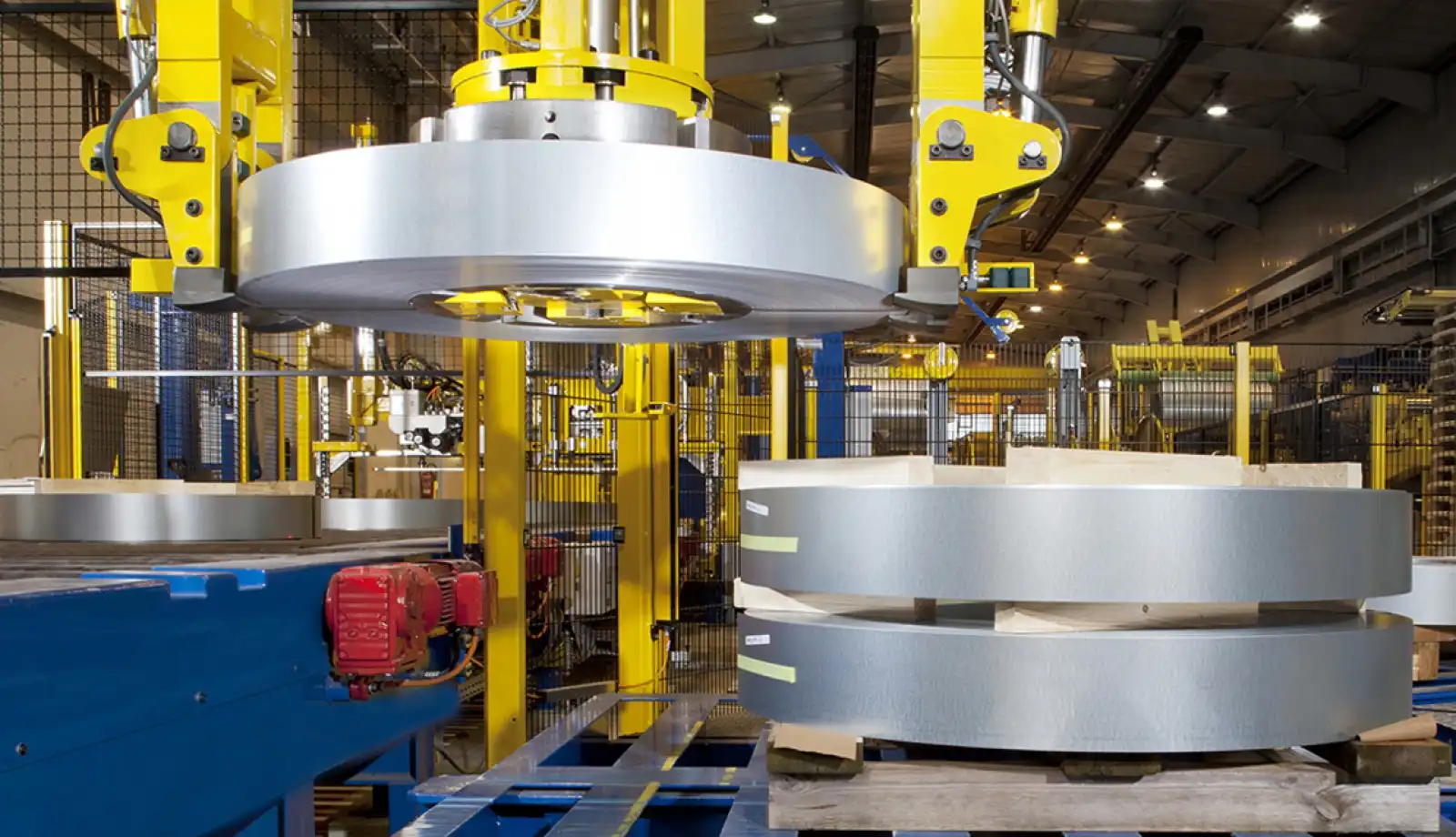
The drive towards unmanned operations in Israeli factories, much like in many advanced industrial nations, comes from a clear set of business and operational needs. I have spoken with many production directors, and their stories often share common themes. For example, a client I worked with was struggling with their cold rolling mill’s output. They had increased production capacity, but their manual packing station became a huge bottleneck. Workers were tired, and mistakes happened. This led to unhappy customers and slower deliveries. This situation is not unique.
-
Addressing Labor Shortages and High Costs:
- Many countries, including Israel, face a shrinking pool of workers willing to do heavy, repetitive industrial tasks.
- Automation fills this gap. It lets factories operate 24/7 without needing a large human workforce on the packing floor.
- This also means lower labor costs over the long term, making production more affordable.
- The upfront investment pays off through significant savings in wages, benefits, and recruitment.
-
Boosting Production Efficiency and Consistency:
- Human workers can get tired. They can make mistakes. This means packing quality might change from shift to shift or even hour to hour.
- Automated systems work with precision every single time. They apply the right tension, place the straps correctly, and wrap coils uniformly.
- This consistency is vital for maintaining product quality. It helps avoid issues like loose packaging or damage during transit.
- Such reliable performance ensures a smooth flow in the production line, preventing costly slowdowns.
-
Enhancing Workplace Safety:
- Handling heavy steel coils is dangerous. There is always a risk of accidents, injuries, or even fatalities.
- Unmanned systems remove workers from these hazardous areas. Machines do the heavy lifting, tilting, and moving.
- This dramatically lowers the risk of workplace injuries. It creates a much safer environment for the remaining personnel.
- Safety is not just an ethical concern; it also reduces insurance costs and avoids production stoppages caused by accidents.
-
Meeting Strict Market Demands:
- Customers, especially those for export, have high expectations. They want perfect packaging that meets specific standards like CE or ISO.
- They might also need special features like barcode labels or extra moisture protection.
- Manual processes often struggle to meet these detailed requirements consistently.
- Automated lines are programmed to follow these rules precisely. They ensure every coil leaves the factory meeting all specified standards. This is crucial for retaining clients and expanding into new markets.
- This reliability builds customer trust and reduces costly rejections or returns.
What Technologies Make Unmanned Coil Packing Lines Possible?
Achieving true “unmanned” operation in a factory sounds like science fiction to some. How can machines really handle all the complex tasks of packing heavy, varied coils without human hands? Many people still believe that certain steps always need a person. This outdated thinking prevents factories from reaching their full potential. Sticking to old ways means you are missing out on huge gains in efficiency, safety, and quality. It also leaves you behind competitors who embrace new technology. The truth is, modern coil packing lines are built on smart, interconnected technologies. These innovations make unmanned operation not only possible but also incredibly effective. Let me explain how we design these systems.
Unmanned coil packing lines are powered by a combination of advanced technologies, including sophisticated programmable logic controllers (PLCs) for process automation, integrated sensor systems for precise coil detection and measurement, robotic arms for handling and precise material application, and robust conveyor and transfer mechanisms for seamless material flow. These elements work together under a centralized control system, allowing the line to execute complex packing sequences, adapt to varying product specifications, and perform self-diagnostics with minimal human input.
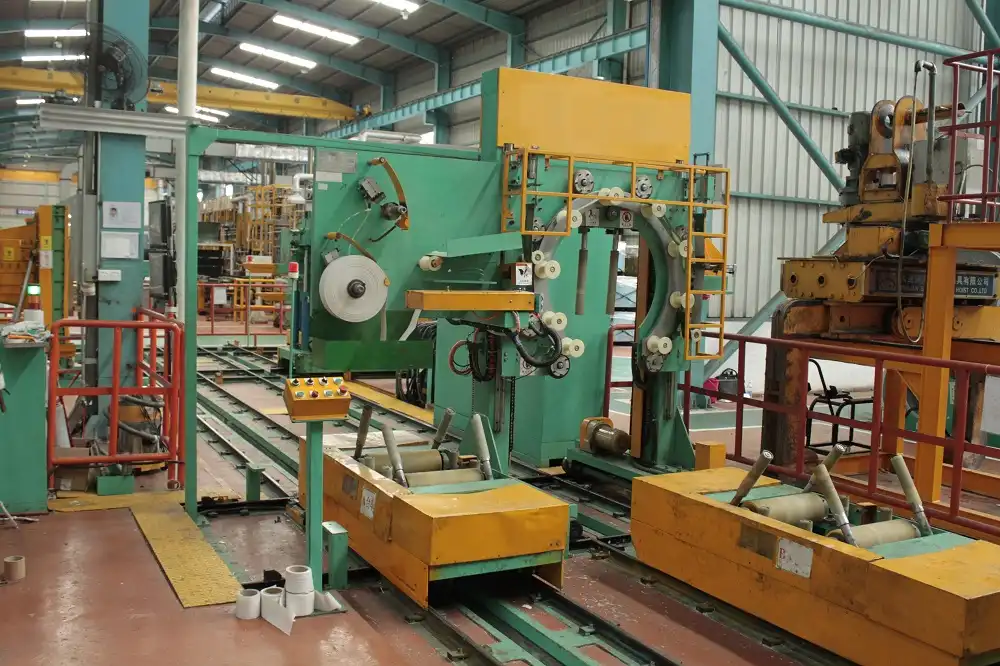
When I first started in this industry, automation meant basic conveyors and simple machines. Today, the story is very different. We now build complete solutions that think, adapt, and work tirelessly. This is the core of what FHOPEPACK offers. Our goal is always to make the client’s life easier and their operations more profitable. The move to unmanned coil packing relies on several key technological advancements that work together. This is not just one machine, but a fully integrated system.
-
Advanced Control Systems (PLCs and SCADA):
- The brain of any unmanned line is its control system. Programmable Logic Controllers (PLCs) manage every step.
- They receive data from sensors. Then, they send commands to motors, actuators, and other components.
- Supervisory Control and Data Acquisition (SCADA) systems provide a high-level view. They allow factory managers to monitor the entire line in real time.
- These systems ensure perfect timing and coordination between different machines. This is vital for a smooth, continuous flow of coils.
- They also store data. This data helps in tracking production, spotting problems, and improving processes over time.
-
Integrated Sensor Technologies:
- Unmanned lines rely heavily on smart sensors. These sensors act as the “eyes” and “ears” of the system.
- Proximity sensors detect coil presence. Laser sensors measure coil diameter, width, and weight with high accuracy.
- Vision systems can inspect the coil surface for defects or verify label placement.
- These sensors feed critical data to the PLC. This allows the system to adjust automatically to different coil sizes or types.
- For example, if a coil is larger, the strapping machine will automatically use more strap. This adaptability is key for handling diverse products without manual changes.
-
Robotic Automation and Manipulators:
- Robots are increasingly taking on tasks that were once done by humans. They can perform repetitive, precise, and heavy-lifting duties.
- Robotic arms can apply protective wrapping materials with consistent tension. They can handle strapping tools with great accuracy.
- Some robots can even pick up and place labels, or load finished coils onto pallets.
- These robots are very flexible. They can be programmed for various tasks. This means one robot can do several jobs, saving space and cost.
- They also reduce the risk of human error. This leads to higher quality and fewer reworks.
-
Smart Conveying and Transfer Systems:
- Moving heavy coils safely and efficiently between different packing stages is a big challenge.
- Unmanned lines use robust chain conveyors, roller conveyors, and coil cars. These systems ensure smooth transfer.
- Automatic upenders and downenders can change the coil’s orientation without human help. This is often needed for different packing methods.
- These systems are designed for heavy loads and continuous operation. They ensure there are no bottlenecks in the material flow.
- They also integrate safety features. These features prevent coils from falling or colliding, protecting both the product and the machinery.
How Do Unmanned Lines Ensure Quality and Compliance for Export?
For factories exporting steel coils, packaging is not just about protection. It is about meeting strict international standards. It is about customer trust. If a package arrives damaged, or if it does not meet specific certifications, the consequences can be severe. This means lost business and a damaged reputation. Manual packing often falls short here. Human error can lead to uneven wrapping, loose straps, or misplaced labels. This directly impacts compliance with standards like CE or ISO. It also makes it hard to add features like barcodes consistently. This is why I always emphasize the critical role of unmanned lines. They are designed from the ground up to deliver consistent, compliant, and high-quality packaging, especially for demanding export markets.
Unmanned coil packing lines ensure high quality and compliance for export by precisely controlling every aspect of the packaging process, from material application and tension to consistent strapping and accurate labeling. They use automated inspection systems to verify standards, integrate data for traceability, and consistently apply specified materials (like PET/steel bands and moisture-proof films) to meet international certifications such as CE or ISO, guaranteeing product integrity and customer satisfaction upon arrival.
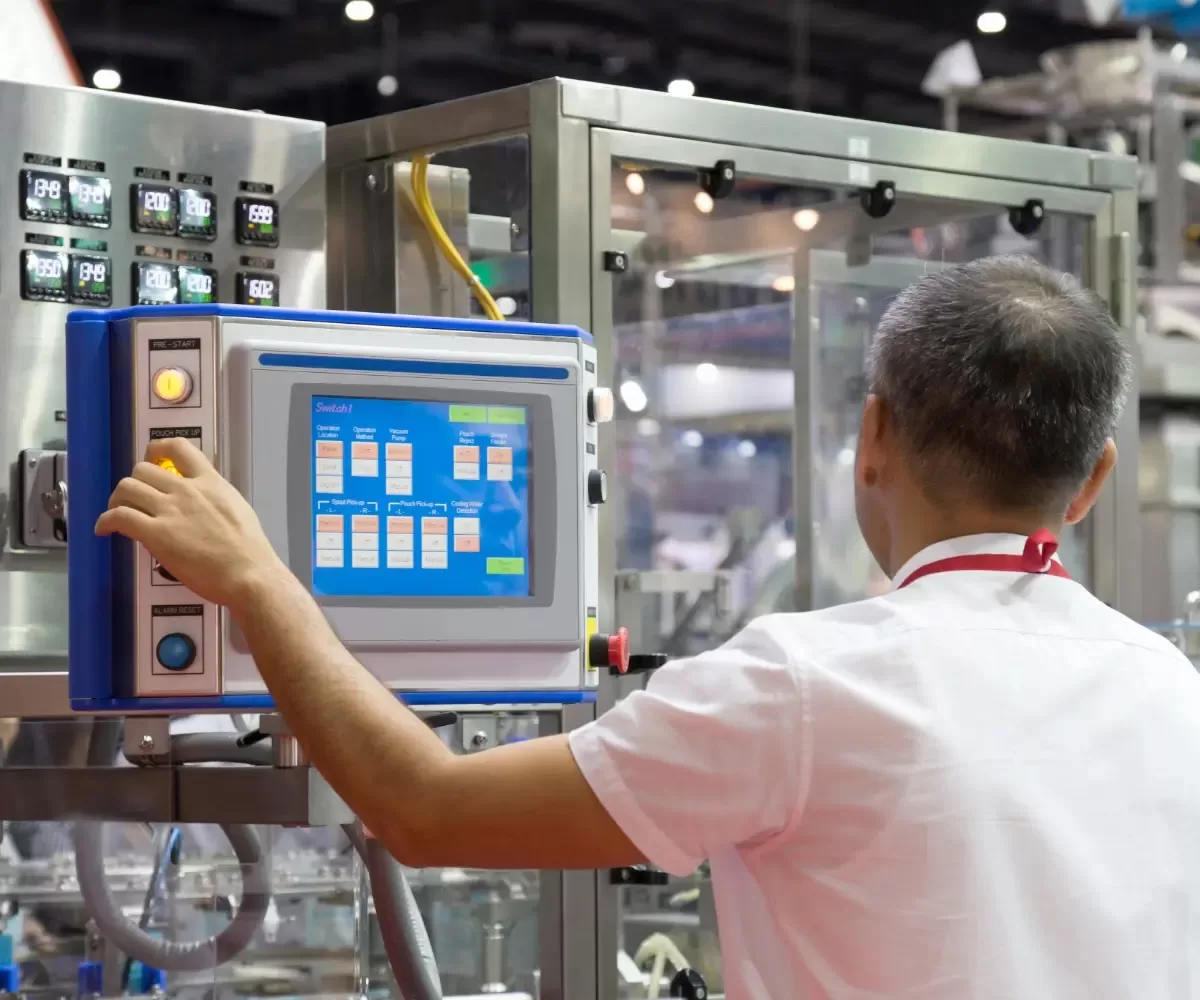
Meeting export standards is more than just a checkbox exercise. It is a cornerstone of business success in the global market. I remember one client who lost a major overseas contract because their manual packaging was not consistently meeting the required moisture protection. It was a tough lesson learned. With modern automated lines, such problems become a thing of the past. These systems are engineered for precision, ensuring every package meets the highest benchmarks.
-
Consistent and Precise Packaging Material Application:
- Unmanned lines apply strapping and wrapping materials with incredible consistency. This is something manual work struggles with.
- For example, stretch film or VCI paper is applied with uniform tension. This creates a strong, even barrier against moisture and rust.
- Strapping machines use a specific tension. This ensures the coil is held securely. It prevents shifting or damage during transit.
- This precision means every coil gets the same high level of protection. This is crucial for long journeys and varying climates.
- It reduces material waste. It also ensures the packaging performs as expected in real-world conditions.
-
Automated Quality Control and Inspection:
- Modern lines can include automated inspection points. These check the packaging quality as it is applied.
- Vision systems can verify if straps are correctly aligned. They can check if labels are readable and in the right place.
- Sensors can confirm the overlap and tension of wrapping films.
- If any issue is detected, the system can flag it immediately. It can even stop the line for correction.
- This built-in quality control ensures that only perfectly packaged coils leave the factory. This proactive approach saves time and money by preventing rejections later.
-
Data Management and Traceability:
- Unmanned lines collect a lot of data. This includes details about each coil’s packaging process.
- Each package can be assigned a unique identifier. This identifier links to its packing parameters, materials used, and timestamps.
- This data is crucial for traceability. If there is a problem, it is easy to find out when and how a coil was packed.
- This also helps in proving compliance for certifications like ISO 9001. It shows that processes are controlled and recorded.
- The ability to track and trace every product builds trust with customers. It also helps in quickly resolving any disputes that may arise.
-
Meeting International Certifications (CE, ISO, etc.):
- Export markets often require specific certifications. These show that products and processes meet high safety and quality standards.
- Unmanned lines are designed to meet these requirements. Their consistent, documented processes make certification easier.
- For example, applying CE-compliant wrapping materials with documented precision helps meet European Union standards.
- Automated labeling systems can add barcodes and other necessary information. This is often part of logistics and customs requirements.
- By guaranteeing consistent application and verifiable data, unmanned lines help factories confidently export their products worldwide. This opens up new market opportunities.
What Are the Tangible Benefits of Going Unmanned in Coil Packing?
Investing in a fully automated coil packing line is a big decision for any factory. Many managers think about the initial cost. They wonder if the benefits will really outweigh such a large investment. Doubts about return on investment can stop progress. Waiting too long means continuing to face high labor costs, inconsistent quality, and safety risks. It means losing out on market opportunities. It also means your competitors who automate will gain a significant edge over you. From my experience helping many factories grow, the benefits of unmanned coil packing are not just theoretical. They are real and measurable. They impact every part of your operation, leading to a strong return on your investment.
The tangible benefits of implementing unmanned coil packing lines include significantly reduced operational costs due to lower labor requirements and optimized material usage, increased production throughput and efficiency through continuous 24/7 operation, dramatically improved safety by removing human interaction with heavy machinery, and enhanced product quality with consistent packaging that meets global export standards. These combine to offer a rapid return on investment and a stronger competitive position for Israeli factories.
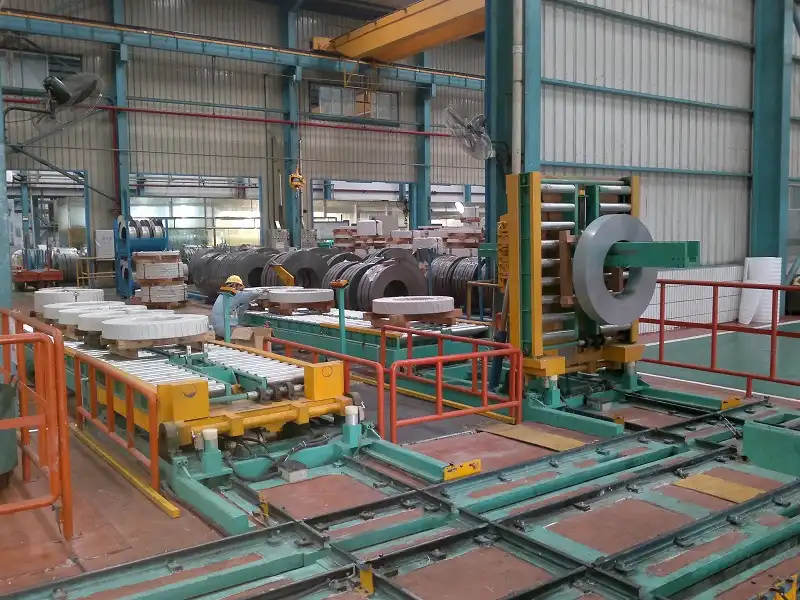
When I talk to clients about automation, I do not just talk about machines. I talk about the business impact. The decision to go unmanned is a strategic one, aimed at future-proofing an operation. I often tell the story of a client who was hesitant at first. They saw the cost. But once they implemented our full automated coil packing line, they started seeing savings and gains almost immediately. This is not just about making things easier. It is about making them better and more profitable.
-
Significant Reduction in Operational Costs:
- The most obvious saving comes from labor. Unmanned lines need very few operators. This means fewer salaries, benefits, and training costs.
- Automated systems are very efficient with packaging materials. They use exactly what is needed. This reduces waste of film, straps, and other consumables.
- Less human error means fewer reworks or rejected products. This saves on material, time, and energy.
- Lower incident rates lead to reduced insurance premiums and fewer costs from worker compensation claims.
- Over time, these savings add up to a very strong financial return.
-
Increased Throughput and Production Efficiency:
- Machines do not get tired. They can work continuously, 24 hours a day, 7 days a week.
- This allows for much higher production volumes compared to manual packing.
- The consistent speed of the automated line means that the packing stage will no longer be a bottleneck for the entire production process.
- Factories can meet higher demand. They can also take on larger orders with confidence.
- This boosts overall factory output. It directly contributes to greater revenue and market share.
-
Enhanced Workplace Safety and Employee Morale:
- As I mentioned, automated systems remove workers from dangerous tasks. This virtually eliminates accidents related to heavy coil handling and strapping.
- A safer workplace means fewer injuries and a better environment for employees.
- The remaining human roles shift to supervision, maintenance, and process optimization. These are often more engaging and less physically demanding jobs.
- This can improve employee morale. It makes the factory a more attractive place to work.
- A strong safety record also enhances the company’s reputation and compliance with regulations.
-
Consistent Quality and Brand Reputation:
- Automated lines deliver the same high-quality packaging every time. This means coils arrive at the customer’s site in perfect condition.
- This consistency builds trust with customers. It strengthens the factory’s brand reputation.
- Reliable packaging helps avoid customer complaints, returns, and contractual penalties.
- For Israeli factories competing globally, consistent quality is a key differentiator. It shows commitment to excellence.
- This leads to repeat business and positive referrals, supporting long-term growth and stability.
Conclusion
Moving to unmanned operations with advanced coil packing line technology is a game-changer for factories, including those in Israel. It solves critical challenges like labor shortages and inconsistent quality. By leveraging automation, sensors, and intelligent controls, businesses can achieve higher efficiency, ensure unparalleled safety, and deliver export-ready products with unwavering consistency. This strategic investment not only cuts costs but also positions factories for sustainable growth and a stronger competitive edge in the global market.








