

How Do Coil Packing Lines Enable Unmanned Operations in Egypt’s Industry?
Many factories struggle with packing bottlenecks. High labor costs, safety risks, and inconsistent quality often plague operations. This holds back growth, especially in dynamic markets like Egypt. Imagine losing valuable production time. Picture customer complaints due to poorly packed goods. Think about the daily stress of manual work in hot, heavy industries. This is a reality for many, and it impacts the bottom line. But what if you could change this? What if your packing process ran smoothly, safely, and without constant human oversight? This is not just a dream. It is a proven reality with modern coil packing lines.
Unmanned coil packing lines enable Egyptian industries to achieve higher efficiency, ensure consistent product quality, and significantly reduce labor costs and safety risks by automating the entire packing process from material handling to final dispatch. These advanced systems use integrated technologies for automatic weighing, strapping, wrapping, and labeling of coils, allowing for continuous, high-volume production with minimal human intervention. This shift helps businesses meet stringent international export standards and stay competitive in the global market.


As someone who has built a career around mastering packing solutions, I have seen firsthand the power of automation. My journey, from an employee on the factory floor to founding FHOPEPACK, taught me one core truth: smart packing makes businesses thrive. Today, I want to share my insights on how unmanned coil packing lines are transforming industries, particularly in a key region like Egypt. Let us dive into the details.
Why Are Egyptian Industries Turning Towards Unmanned Coil Packing?
Egyptian industries, especially in steel, face growing pressure. They need to produce more, faster, and with better quality. Manual packing often becomes a bottleneck. It is slow, prone to errors, and risky for workers. Consider the impact of inconsistent packaging. Think about delayed shipments. Imagine rising labor costs. These issues directly hurt a company’s reputation and financial health. They make it hard to compete internationally. This is why many are now looking at unmanned coil packing lines. These systems offer a way to overcome these challenges. They provide a path to greater efficiency, safety, and consistent quality.
Egyptian industries are increasingly adopting unmanned coil packing due to several critical factors: addressing severe labor shortages in heavy industries, ensuring consistent packing quality for diverse products and export markets, and significantly enhancing workplace safety by reducing manual handling of heavy coils. This move also helps companies lower operational costs, improve delivery times, and comply with strict international standards like CE/ISO certifications.
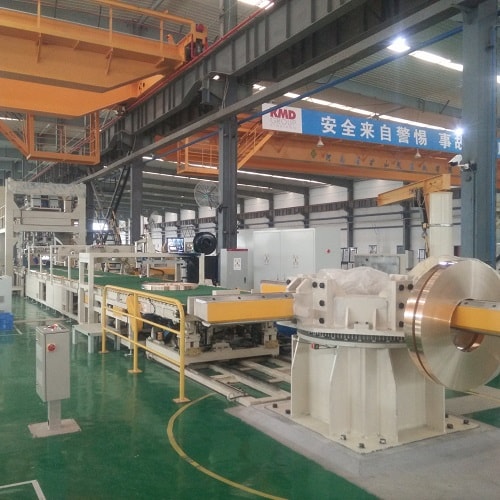

My years in the packing machine industry, starting from the factory floor, showed me a clear pattern. As businesses grow, manual processes become unsustainable. This is especially true in countries like Egypt, where the industrial sector is expanding fast. The demand for steel and other metal products is high. But getting these products ready for market safely and efficiently is a big challenge. I have seen clients, much like Ivan Petrov, struggle with managing a diverse product range. They produce cold-rolled, galvanized, and color-coated coils. Each needs a different packing approach. Manually switching between these modes is slow. It also leads to mistakes. Unmanned systems solve this. They can adapt quickly to different coil types. They handle varying diameters and weights, usually between 1 to 3 tons. This flexibility means no more manual reconfigurations. It means faster throughput for all products. Another major issue is the lack of skilled labor. Heavy industrial work often leads to high worker turnover. Young workers look for less demanding jobs. This leaves factories relying on fewer people for high-stress tasks like manual strapping and wrapping. This is not sustainable. It also creates a safety hazard. An unmanned line significantly reduces the need for human hands in dangerous areas. Machines handle the lifting, turning, and securing of heavy coils. This greatly lowers the risk of injuries. I remember one client who faced constant issues with workers getting minor injuries from repetitive tasks. After implementing an automated system, their accident rates dropped almost to zero. This boosted morale. It also saved the company money on worker compensation. Furthermore, consistent packaging quality is vital. Manual operations often mean uneven film tension or loose strapping. This can cause damage during transport. Export clients, in particular, demand high standards. They need CE/ISO certified packaging. They need accurate barcodes. They need strict moisture protection. An automated line delivers this precision every time. It applies the right tension. It ensures seals are perfect. This protects the product. It also builds customer trust.
How Do Automated Coil Packing Lines Achieve True Unmanned Operations?
Many talk about automation. But achieving truly unmanned operations is another matter. It requires more than just adding a machine. It demands smart integration and reliable technology. Without proper planning, an automated line can still need constant human intervention. It can suffer from frequent breakdowns. This turns a supposed solution into a new set of problems. It wastes money and time. True unmanned operation comes from a well-designed, integrated coil packing line. It uses advanced sensors, robotics, and precise controls. This creates a seamless flow with minimal human input.
Automated coil packing lines achieve unmanned operations through the seamless integration of various modular components, including automatic coil conveyors, up-enders, strapping machines, stretch wrappers, and labeling systems, all controlled by a central PLC. These systems use sensors for real-time data, robotic arms for handling, and precise motors to execute complex tasks like internal and external wrapping and multi-point strapping without human operators, ensuring continuous and adaptive performance.


From my perspective as a packing machine engineer, designing an unmanned coil packing line is like building a complex but synchronized orchestra. Every part must work together perfectly. It starts with the coil handling. Automatic conveyors and up-enders move heavy coils safely. They position them for the next step. This eliminates the need for forklifts or overhead cranes in the packing area. This greatly enhances safety. The core of unmanned operation lies in the sequence of machines. First, coils often go through an automatic strapping machine. This machine can apply multiple straps, either PET or steel, at programmed points. It ensures the coil is tightly secured. Then, the coil moves to a stretch wrapping or shrink wrapping station. These machines use various materials, like LLDPE film or VCI film, for moisture and rust protection. They apply film with consistent tension. This prevents damage during shipping. Some lines also include an automatic coil tilting and stacking unit. This prepares coils for storage or loading. The entire process is managed by a central PLC (Programmable Logic Controller) system. This system acts as the brain. It monitors sensors. It controls machine movements. It ensures smooth transitions between stages. It can even detect errors. If a machine jams or runs out of material, the PLC alerts operators. It can sometimes even fix minor issues itself. This level of automation means fewer people are needed on the floor. It allows for 24/7 operation. My factory has designed systems that can run for hours without any direct human input. One time, a client wanted a system that could handle different coil widths without any manual adjustments. We developed a vision system that detected the coil size. It then automatically adjusted the strapping and wrapping parameters. This created a truly “set and forget” operation. It removed a major source of human error. It also sped up their entire packing process.
What Benefits Do Unmanned Coil Packing Lines Bring to Egypt’s Economy?
Egypt is working hard to grow its industrial sector. But old ways of packing can slow progress. They make goods more expensive to produce. They reduce competitiveness in global markets. Imagine Egypt’s goods struggling to compete. Think about missed export opportunities. Consider the economic drag of inefficient, high-cost manufacturing. These problems hurt national growth. Unmanned coil packing lines offer a powerful solution. They boost productivity. They lower costs. They enhance product quality. This helps Egyptian industries shine on the world stage.
Unmanned coil packing lines deliver significant economic benefits to Egypt by drastically reducing labor costs, increasing overall production throughput, and improving export competitiveness through consistent, high-quality packaging that meets international standards. These systems minimize material waste, enhance workplace safety, and allow industries to scale operations efficiently, contributing to national economic growth and job creation in specialized technical roles.
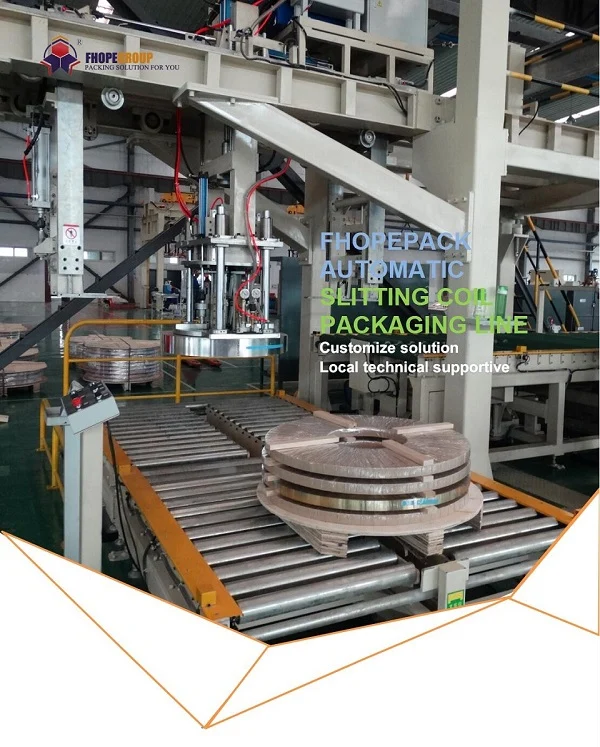

When I look at the bigger picture, I see how advanced packing solutions drive economic progress. For Egypt, embracing unmanned coil packing lines is a strategic move. One of the most direct benefits is cost reduction. Manual packing involves many hands. This means high labor costs, especially when considering overtime and benefits. An automated line does the work of several people. It also works faster and without breaks. This leads to substantial savings in wages. It also reduces material waste. Machines apply film and straps with precision. They use just the right amount. This is something human operators often struggle with, leading to overuse or mistakes. Less waste means lower material costs over time. Another huge benefit is increased productivity. Factories can run 24 hours a day, two shifts, without worrying about human fatigue. This means more coils are packed per hour. It means faster order fulfillment. This speed helps companies meet tight deadlines. It keeps customers happy. It allows them to take on more orders. This directly boosts the factory’s output. It also grows the national economy. Improved quality is also a strong economic driver. When products are consistently well-packed, they suffer less damage during transport. This reduces customer complaints and returns. For export-focused industries, this is vital. High-quality packaging helps brands build a good reputation. It makes their products more attractive in international markets. I have seen clients who were unable to enter certain European markets due to inconsistent packing quality. After implementing FHOPEPACK solutions, they met the required CE and ISO standards. This opened up new, profitable markets for them. This kind of success contributes to Egypt’s overall export volume. It strengthens its position as a reliable supplier. Finally, while it reduces manual labor, automation also creates new, higher-skilled jobs. These include roles for maintenance technicians, PLC programmers, and system operators. This shifts the workforce towards more technical roles. This supports a modern, knowledge-based economy.
How Can Industries Choose the Right Unmanned Coil Packing Solution?
The market offers many packing solutions. Choosing the right one can feel overwhelming. A wrong choice can lead to wasted investment. It can fail to solve real operational problems. Imagine buying an expensive system that does not fit your production needs. Think about poor after-sales support. Picture constant downtime. These issues can set your business back years. Making the right choice means looking beyond just the machine. It involves finding a partner who understands your specific needs. It means choosing a solution built for reliability and long-term success.
To choose the right unmanned coil packing solution, industries must first assess their specific production volume, coil dimensions, and desired packing quality, then prioritize suppliers offering customizable, highly reliable systems with proven 24/7 operational capability. Key considerations include integration with existing lines, comprehensive after-sales support, spare parts availability, and a commitment to a turnkey project approach that ensures seamless installation and operator training.
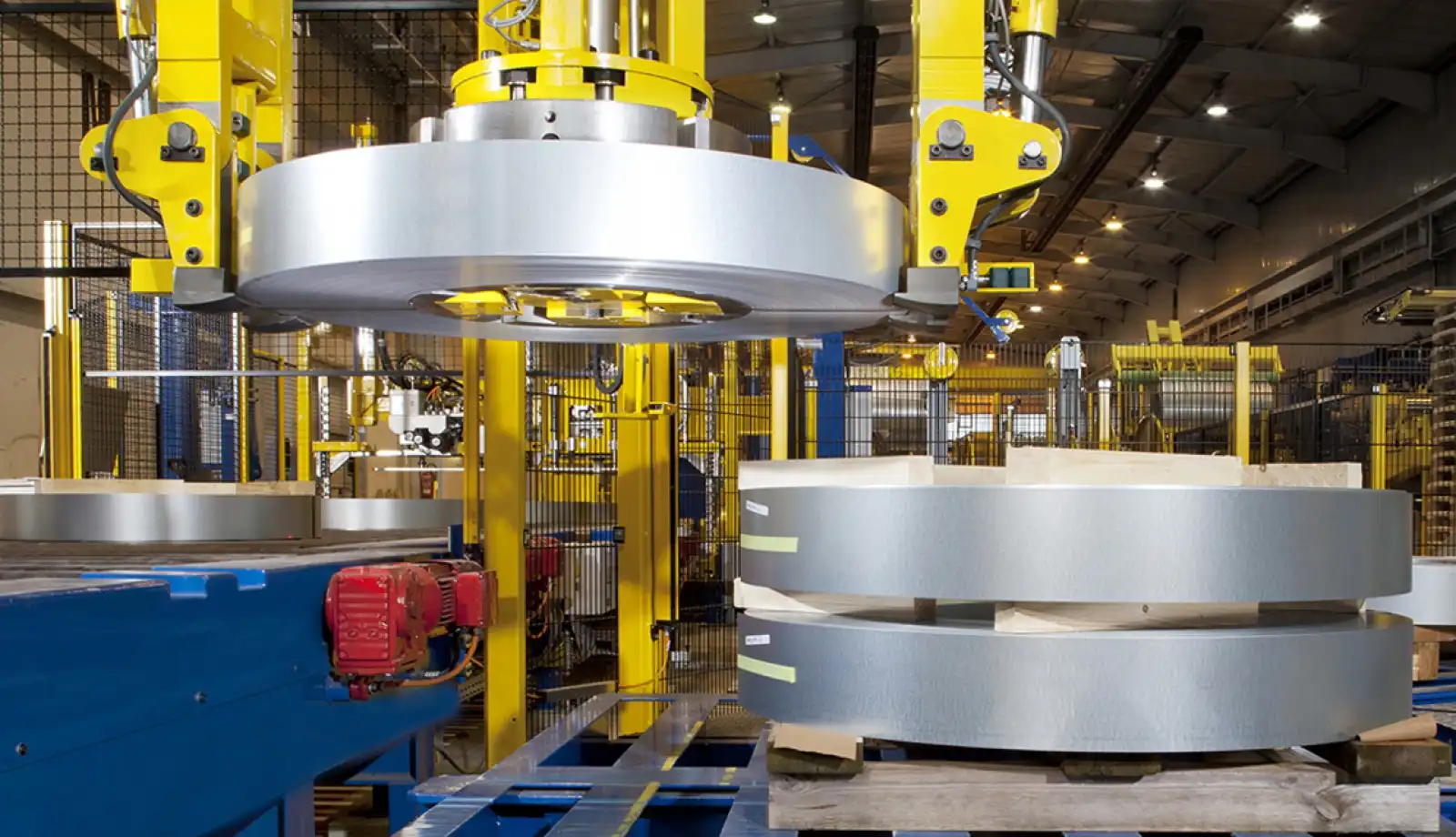

Based on my long experience in this field, selecting the best unmanned coil packing solution is a critical decision. It is not just about purchasing equipment. It is about investing in a partnership and a solution that will serve your business for years. The first step is a thorough assessment of your own needs. You must clearly define your coil parameters: weights (e.g., 1-3 tons), inner and outer diameters, and the types of materials you pack (cold-rolled, galvanized, color-coated). Each of these factors influences the machine’s design and features. For example, if you handle a wide range of coil sizes, you need a system with high adaptability. Then, consider your production environment. Are you running 24 hours a day, two shifts, like many steel mills? This demands extreme reliability and continuous operation capability. A supplier must demonstrate that their machines can withstand such rigorous conditions. I always advise clients to ask for case studies or visit reference sites. Integration is another key factor. Your new packing line must seamlessly connect with your existing production lines. This means working with a supplier who understands full factory automation. They should be able to provide a “turnkey” project. This means they manage everything from design and manufacturing to installation, commissioning, and training. My team at FHOPEPACK prides itself on offering such comprehensive solutions. We believe in providing complete support. The value of good after-sales service cannot be overstated. Machines will eventually need maintenance or spare parts. A reliable supplier offers readily available parts and skilled technicians. They should provide thorough training for your staff. This ensures your team can operate and maintain the system effectively. Without proper training, even the best machine can become a liability. Lastly, look for a partner, not just a vendor. A true partner will listen to your challenges. They will offer customized solutions. They will share their expertise to help you achieve your goals. This often means designing unique features to meet specific packaging requirements, such as special film types or labeling needs. My goal, and the goal of FHOPEPACK, is to help businesses master their packing. This means being there every step of the way.

Conclusion
Unmanned coil packing lines are changing industries in Egypt. They help factories overcome labor issues. They ensure consistent quality. They boost safety. They cut costs. By adopting these advanced systems, businesses can meet global demands. They can also grow their operations. FHOPEPACK is here to help you find the best coil packing line for your needs.












