

How Do Coil Packing Lines Enable Unmanned Operations in Egypt’s Industry?
Imagine a busy steel mill in Egypt. Production is high. Orders are coming in fast. But there is a bottleneck: the packing area. Manual labor is slow. Mistakes happen often. This leads to delays and even angry customers. Many businesses face this exact problem today. It is a big challenge for growth and staying competitive.
Unmanned coil packing lines are changing this picture for Egypt’s industries. These advanced systems use automation to handle steel coils from start to finish without human hands. They increase efficiency, ensure top-notch quality, and boost safety, making them a crucial step for any Egyptian factory aiming for modern, continuous operations.


I have seen many factories grow through smart automation. If you are a production director or a plant manager, you know that keeping operations smooth is key. This article will show you how unmanned coil packing lines work. We will also see how they can transform your factory.
Why Are Unmanned Coil Packing Lines Becoming Essential for Egypt’s Steel Mills?
Are you feeling the pressure from labor shortages? Do you worry about worker safety every day? Many steel mills, especially in a fast-growing economy like Egypt’s, face these tough questions. Manual coil packing is a hard job. It needs heavy lifting and repetitive tasks. This often leads to tired workers, mistakes, and even injuries.
Unmanned coil packing lines address critical operational needs in Egypt by reducing reliance on manual labor, greatly improving workplace safety, and ensuring continuous production. These systems allow steel mills to overcome challenges linked to human resources and physical demands, securing a more stable and efficient future.


When I started my journey in the packing machine industry, I saw firsthand the struggles. Factories needed to meet high demand. But their packing areas often held them back. This was not due to a lack of effort. It was because the manual process simply could not keep up. In Egypt today, the industrial sector is expanding fast. This means more pressure to produce more. It also means a need for better quality. Unmanned systems are no longer just an option. They are a clear path to success. They help factories handle big volumes. They also make sure every coil leaves the factory perfectly packed.
1. Tackling Labor Shortages and High Turnover
Many jobs in steel mills, especially in packing, are physically demanding. This makes it hard to find and keep young workers. My experience has shown me that high-intensity work environments lead to high employee turnover. This means constant hiring and training. It also means a loss of skilled workers. Unmanned coil packing lines solve this. They take over the heavy lifting. They do the repetitive tasks. This lets your human workforce focus on more skilled jobs. These jobs include machine monitoring and maintenance. This shift makes the workplace more appealing. It also reduces the need for many manual laborers. This is especially important in areas where finding enough people for physically hard jobs is a growing problem. Automation provides a stable solution. It means your production does not stop because you cannot find enough staff. It also means your team can work in a safer environment.
2. Boosting Workplace Safety Significantly
Worker safety is a big concern in any heavy industry. Moving and packing heavy steel coils manually carries high risks. These risks include crush injuries, strains, and falls. In my career, I have heard too many stories of accidents in packing areas. Unmanned coil packing lines remove workers from dangerous zones. Machines do the lifting, turning, and strapping. This greatly reduces the chance of accidents. For example, automatic coil turning machines mean no human needs to go near a heavy, moving coil. Safety sensors and interlocking systems are also built into these lines. They ensure that machines operate only when it is safe. This proactive approach to safety is vital. It protects your employees. It also protects your business from costly injury claims and production stops. It creates a much safer and more humane work environment. This allows workers to feel more secure in their roles.
3. Ensuring Continuous, 24/7 Operation
Steel mills often run two or three shifts a day. This means production never stops. Manual packing operations struggle to maintain this pace. Fatigue sets in. Quality can drop. This leads to slow downs. Unmanned systems are different. They work without tiring. They maintain constant speed and quality, day and night. This is key for industries like steel. They need high output every single day. These machines are designed for continuous duty. They have strong components. They have smart control systems. This allows them to handle hundreds of tons of coils daily. This level of reliability means your factory can meet strict deadlines. It can also manage large order volumes without stress. It guarantees that the packing line keeps moving, matching the pace of your production. This ensures no bottlenecks are created at the final stage.
How Do These Lines Achieve True “Unmanned” Operation and What Are Their Core Components?
Do you wonder how a machine can truly take over complex packing tasks? It seems like science fiction to some. But modern technology makes it possible. Unmanned coil packing lines are not just one machine. They are a system of integrated units working together. Each unit performs a specific task. They communicate with each other. They ensure a smooth, hands-off process from start to finish. This is the heart of automation.
Unmanned coil packing lines achieve full automation through a series of integrated, sensor-driven machines that handle every step of the packing process. These systems typically include automatic feeding, turning, strapping, wrapping, labeling, and stacking units. They rely on advanced controls to coordinate actions and eliminate the need for human intervention.
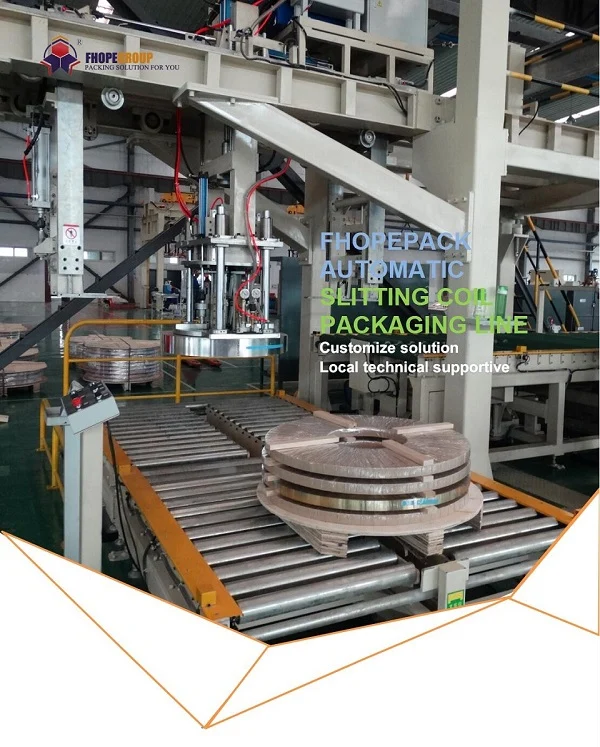

My company, FHOPEPACK, has spent years perfecting these solutions. We build systems that talk to each other. They adjust on the fly. This way, the coils move through the line with precision. It ensures they get the right packing every time. This integration is what makes “unmanned” operation real. It means your coils are handled from the moment they leave the rolling mill until they are ready for shipping. All of this happens without a human touch. This level of control and efficiency is what factories in Egypt need to compete globally.
1. The Power of Integrated Automation
True unmanned operation comes from smart system design. It starts with a central control unit. This unit manages all parts of the packing line. Programmable Logic Controllers (PLCs) are the brains of this system. They receive data from sensors. These sensors detect coil size, weight, and position. The PLC then tells each machine what to do. For example, when a coil arrives, sensors tell the system its dimensions. The PLC then directs the strapping machine to apply the correct number of straps. It also tells the wrapping machine to use the right amount of film. This seamless communication means no human input is needed for basic operations. It also ensures that each step is timed perfectly. This prevents delays and improves overall throughput. The entire line acts as one intelligent system. It adapts to different coil specifications automatically.
2. Key Components of an Unmanned Coil Packing Line
An unmanned coil packing line consists of several core machines. Each machine plays a vital role.
- Automatic Coil Feeding and Turning Systems: These units lift coils from the production line or conveyor. They turn them into the correct position for packing. They use hydraulic or robotic arms. This replaces manual crane operation. This greatly improves safety and speed.
- Automatic Coil Strapping Machines: These machines apply PET or steel straps. They ensure the coil is held tightly. They adjust strap tension based on coil weight and size. This happens automatically. It gives a consistent, secure bundle every time.
- Automatic Coil Wrapping Machines: These units wrap the coil with stretch film, shrink film, or even anti-rust paper. They create a protective barrier. They prevent moisture and damage. They adjust the wrap cycles and overlap automatically. This ensures full coverage.
- Automatic Labeling Systems: These systems apply pre-printed or on-demand labels. These labels often include barcodes, product information, or customer details. They are placed accurately on the wrapped coil. This aids in tracking and inventory.
- Automatic Stacking and Outfeed Systems: After packing, these systems stack the finished coils onto pallets or transport them to the next stage. This can include automatic pallet feeding or robotic stacking for optimized storage.
These components work together. They create a continuous flow. They handle coils of different sizes, from 1 to 3 tons. They also adapt to various inner and outer diameters. This flexibility is key for modern steel mills with diverse product lines.
What Specific Quality and Efficiency Benefits Do Unmanned Lines Offer for Diverse Coil Products?
Do your customers demand perfect packaging every time? Are you struggling to maintain consistent quality across different types of coils? Manual packing methods often lead to variations. Film tension might be uneven. Straps might be too loose. This can cause damage during transport. It also affects your reputation. This is a common pain point for factories producing a variety of coil products.
Unmanned coil packing lines provide unmatched consistency and precision, ensuring high-quality packaging for diverse coil products like cold-rolled, galvanized, and color-coated coils. They guarantee uniform tension, secure strapping, and precise material application, which significantly reduces defects and meets international export standards for quality and presentation.
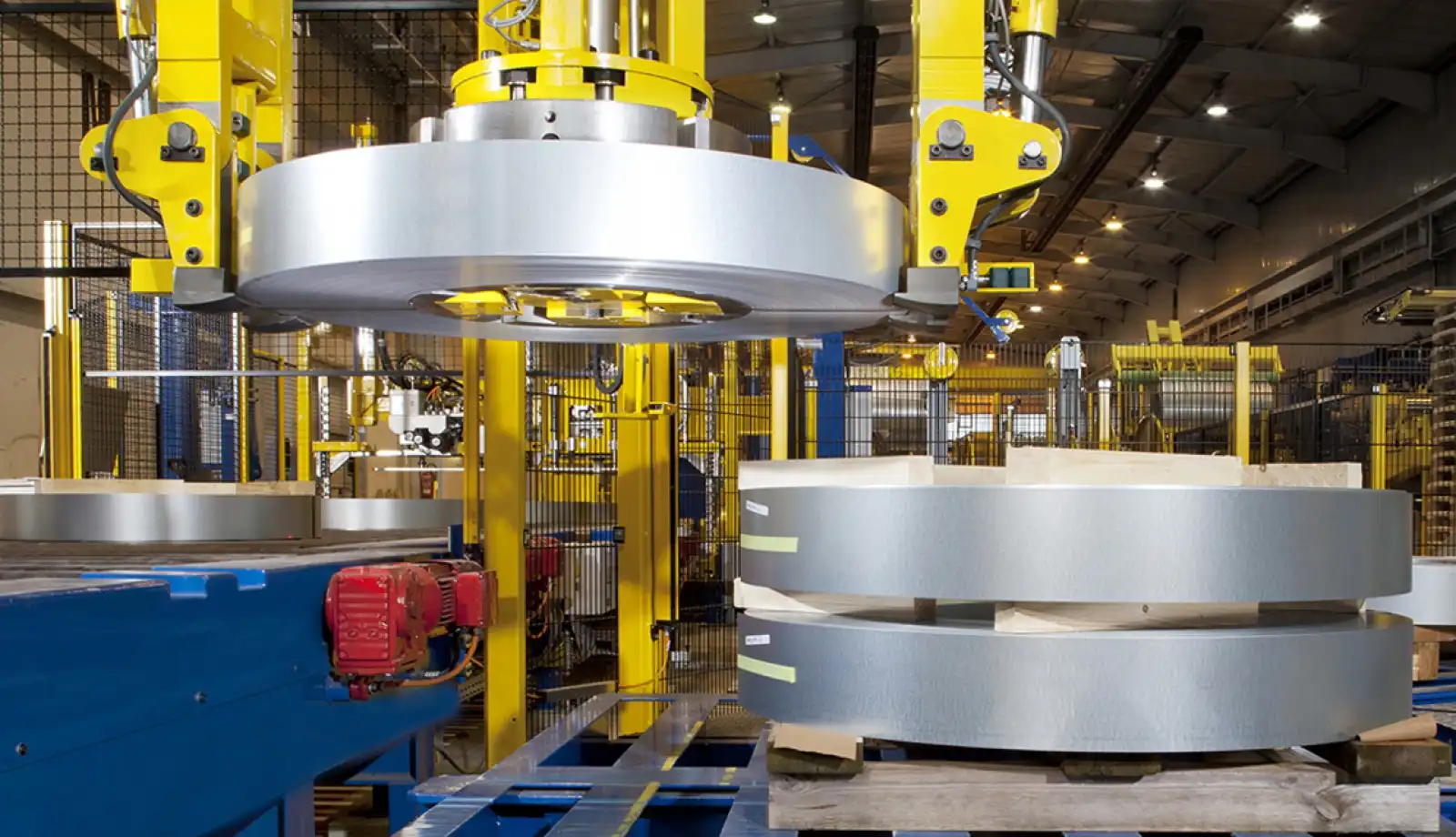

From my experience, customers always remember a poorly packed product. It reflects badly on the entire company. Whether you are packing cold-rolled coils, galvanized coils, or delicate color-coated coils, each needs specific care. Unmanned lines are built to deliver this exact care. They remove the human element of variability. They make sure that every coil meets the highest standards. This consistent quality is not just about looks. It is about protecting your product. It is about protecting your brand. It is also about avoiding costly returns and customer complaints.
1. Achieving Unmatched Packing Quality and Consistency
Manual packing relies on human skill and attention. This can vary from person to person, or even hour to hour. Unmanned systems, however, are programmed for precision. They apply strapping with exact tension. They wrap film with uniform overlap and tension. This prevents issues like loose bundles or uneven moisture protection. For export customers, who need CE/ISO certified packaging, this consistency is vital. The machines do not get tired. They do not get distracted. They perform the same high-quality operation every single time. This ensures that every coil leaving your factory meets the exact specifications. It also ensures it looks professional. This builds customer trust and reduces potential disputes over damaged goods.
2. Handling Diverse Product Requirements Automatically
Modern steel mills produce a wide range of coils. Each type has unique packing needs.
- Cold-rolled coils: Need strong strapping and good anti-corrosion protection.
- Galvanized coils: Require excellent moisture barrier wrapping.
- Color-coated coils: Demand gentle handling to prevent scratches. Manual systems struggle to switch quickly between these different requirements. This leads to slow changeovers and potential errors. Unmanned lines, however, are highly adaptable. They use pre-set programs or “recipes” for each product type. When a different coil type enters the line, the system automatically adjusts:
- Strapping pattern and tension.
- Wrapping film type and layers.
- Labeling information. This automated switching is fast and error-free. It means your production does not slow down. It also ensures that each coil gets the right protection. It also addresses the need for specialized packaging, like adding a barcode for tracking. This boosts efficiency and makes your entire operation more flexible.
| Feature | Manual Packing | Unmanned Coil Packing Line |
|---|---|---|
| Consistency | Varies by operator, prone to errors | Highly consistent, precise, programmed |
| Quality | Inconsistent film tension, loose straps | Uniform tension, secure strapping, full protection |
| Product Diversity | Slow, manual changeovers, higher error risk | Fast, automatic adjustments per “recipe” |
| Export Compliance | Hard to guarantee CE/ISO without strict checks | Built-in precision for consistent export standards |
| Labeling | Manual application, potential for misplacement | Automatic, accurate barcode/label application |
How Do Unmanned Packing Lines Contribute to Long-Term Cost Reduction and Sustainability?
Are you constantly looking for ways to cut costs without sacrificing quality? Do you want your operations to be more sustainable? Many plant managers focus on immediate savings. But the real value of unmanned coil packing lines comes from long-term benefits. These go beyond just faster packing. They touch on every part of your operation, from labor to materials to energy use.
Unmanned coil packing lines dramatically lower overall operating costs by reducing labor expenses, minimizing material waste, and improving energy efficiency through optimized processes. They also contribute to sustainability by lessening rework and product damage, offering a more economically and environmentally responsible packing solution for industries in Egypt.
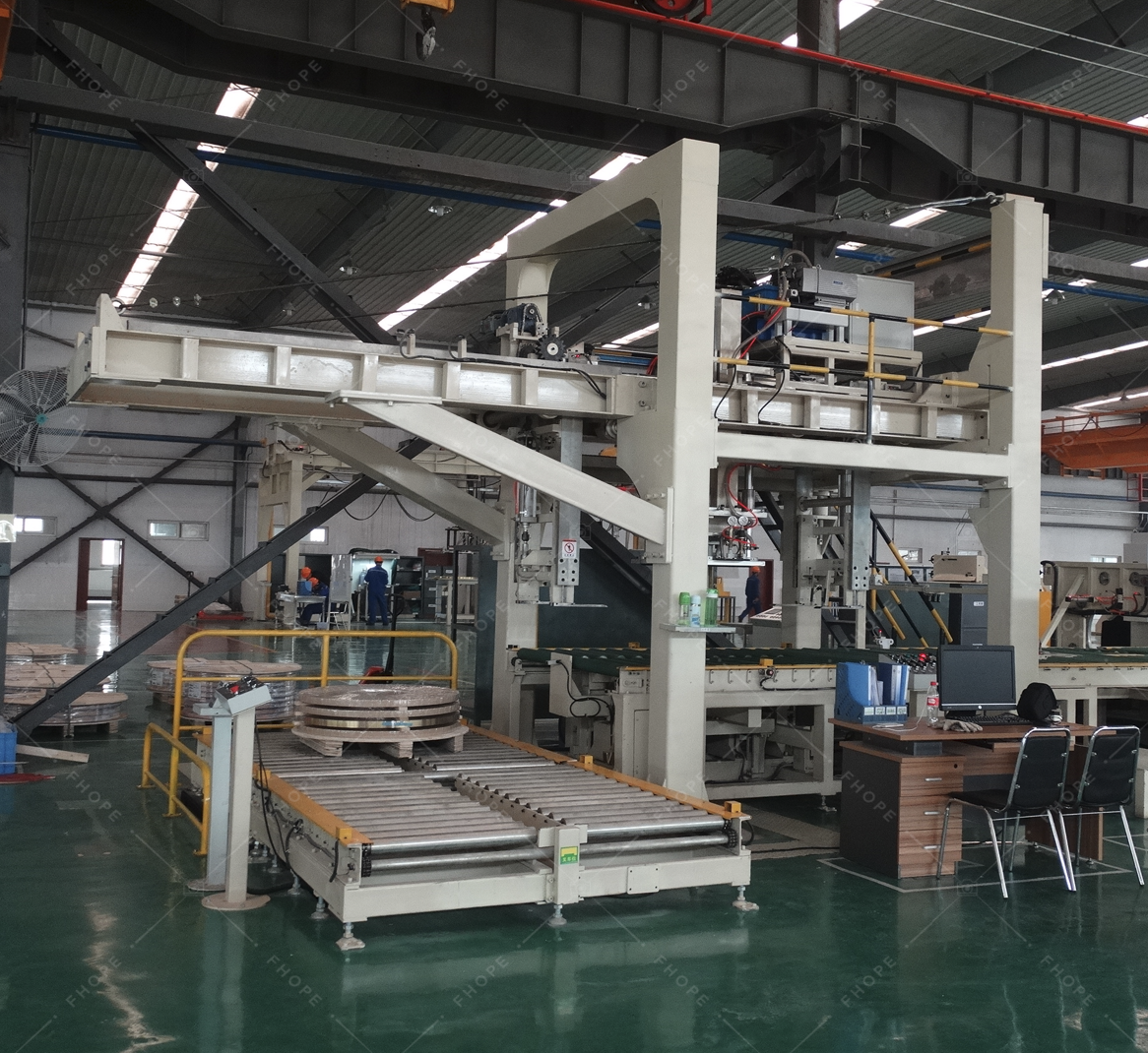

I have always believed that true efficiency means more than just speed. It means doing things smarter. It means getting more out of less. With the challenges of today’s global market, every saved dollar matters. Every minimized waste matters. Unmanned packing lines help you achieve this. They take a holistic approach to cost savings. They also make your business more robust for the future. They align with modern goals of both economic success and environmental care.
1. Significant Reduction in Operating Costs
The most obvious cost saving comes from labor. By automating the packing process, you need fewer people in the packing area. This directly reduces your payroll expenses. However, the savings go deeper than just wages.
- Reduced Training Costs: Less reliance on a large manual workforce means less money spent on hiring and training new staff for repetitive tasks.
- Lower Injury-Related Costs: Fewer workers in dangerous areas mean fewer accidents. This translates to lower medical costs, insurance premiums, and lost workdays.
- Optimized Material Use: Unmanned machines are precise. They apply the exact amount of strapping or wrapping material needed. This minimizes waste. In manual operations, it is easy to use too much film or strap. This adds up fast. Automated systems ensure every inch of material counts. This cuts down on packaging material costs.
- Energy Efficiency: Modern automated lines are designed to be energy efficient. They use optimized motor controls and intelligent power management. They can also often run more smoothly, which means less stop-and-start. This reduces overall energy consumption compared to less synchronized manual processes.
These savings compound over time. This makes the initial investment in automation quickly pay for itself.
2. Boosting Sustainability Through Waste Reduction and Reliability
Sustainability is not just a buzzword. It is a critical business practice. Unmanned coil packing lines contribute significantly to this.
- Minimizing Packaging Material Waste: As mentioned, precise application of materials means less goes to waste. This reduces your environmental footprint. It also reduces costs.
- Reducing Product Damage and Rework: High-quality, consistent packing means fewer coils are damaged during transport or storage. This reduces the need for costly repacking or scrapping of products. It saves resources and prevents waste.
- Improved Product Lifespan: Better protection from moisture, rust, and scratches means your coils arrive in perfect condition. This increases customer satisfaction. It also extends the usable life of the product for the end-user.
- Longer Equipment Lifespan: Well-designed automated machines often have a longer lifespan than relying on ad-hoc manual tools. They are built for continuous use. This means less frequent replacement. This further reduces your environmental impact.
By adopting these systems, Egyptian industries can achieve their economic goals. They can also meet their environmental responsibilities. It is a win-win scenario. It helps the bottom line. It also helps the planet.
What Should Egyptian Industries Consider When Implementing Unmanned Coil Packing Solutions?
Are you ready to embrace automation? You might be excited about the benefits. But moving to unmanned operations needs careful planning. It is not just about buying a machine. It is about integrating a complete solution. This involves looking at many factors beyond the equipment itself. Skipping these steps can lead to unexpected problems. It can also lead to delays in seeing your return on investment.
Egyptian industries must consider several key factors when adopting unmanned coil packing lines, including the initial investment, seamless integration with existing production lines, the availability of technical training for staff, and the long-term support from a reliable supplier. These considerations ensure a smooth transition and maximized benefits from automation.
In my years of helping factories, I have learned that the best technology still needs smart implementation. My team at FHOPEPACK often guides clients through this process. It is about finding the right partner. It is also about preparing your team and your facility for the change. This careful approach ensures that your investment truly pays off. It helps you avoid common pitfalls. It secures your factory’s future with advanced packing capabilities.
1. Understanding the Initial Investment and Return
The upfront cost of a full unmanned coil packing line can be significant. This is true for any major automation project. However, it is crucial to view this as an investment, not just an expense.
- Cost-Benefit Analysis: Businesses should perform a detailed analysis. This analysis compares the initial outlay with the projected savings. These savings include reduced labor, less material waste, fewer quality issues, and increased throughput. Often, the return on investment (ROI) is quicker than anticipated.
- Phased Implementation: For some factories, a full line at once might be too much. Consider a phased approach. Start with the most critical bottlenecks. This could be automatic strapping or wrapping. Then add more modules later. This allows for budget management. It also allows for easier integration.
- Long-Term Value: Remember the long-term benefits. These include enhanced safety, better product quality, and a more competitive edge. These are harder to put a price on but are invaluable for sustained business growth.
2. Seamless Integration with Existing Production Lines
An unmanned packing line needs to fit perfectly into your current factory setup.
- Layout and Space: Is there enough space for the new equipment? How will coils flow from your rolling or slitting lines to the packing area? Proper planning prevents bottlenecks and ensures smooth material handling.
- Interface with Upstream/Downstream Processes: The packing line must communicate with your production system. This means data exchange for coil identification. It means synchronized speeds. This prevents jams or idle time.
- Customization: Not all factories are the same. A good supplier will customize the line. They will match your specific coil sizes, weights, and production speeds. This ensures the system works for your unique needs. This is what we focus on at FHOPEPACK – delivering customized solutions.
3. Training and After-Sales Support
Even an unmanned line needs human support.
- Operator and Maintenance Training: Your staff will need training. This training will be on how to monitor, troubleshoot, and maintain the new equipment. This ensures smooth operation and quick problem-solving. A good supplier provides comprehensive training.
- Spare Parts Availability: Machines, even reliable ones, need parts over time. Ensure your supplier can provide spare parts quickly. Downtime is expensive.
- Technical Support: What happens if there is a major issue? A reliable partner offers strong technical support. They offer remote assistance. They offer on-site visits if needed. This is crucial for keeping your operations running smoothly. We pride ourselves on being a long-term partner, providing this level of support.
4. Choosing the Right Partner
This is perhaps the most important consideration. Look for a supplier with proven experience. Look for one with a track record of delivering successful projects. They should understand your industry. They should also understand your specific needs. They should offer turnkey solutions. This means they handle everything from design to installation and commissioning. They should also provide ongoing support. A strong partnership ensures your investment in unmanned packing lines yields maximum benefits.

Conclusion
Unmanned coil packing lines offer a transformative solution for Egypt’s industries. They solve critical issues like labor shortages, safety risks, and inconsistent quality. By embracing these advanced systems, factories can boost efficiency, reduce costs, and enhance their competitive edge globally. Investing in a robust coil packing line is a strategic move towards a more productive and sustainable future.












