

How Do Automated Packaging Lines Prevent Coil Edge Damage During Handling?
Coil edge damage is a silent threat in the steel industry. It can turn perfectly good products into costly scrap or lead to angry customer complaints. Imagine sending out hundreds of tons of steel coils daily, only to have a percentage arrive with dents and deformities along the edges. This impacts your reputation and your bottom line. I have seen many clients struggle with this issue. For years, manual handling and basic packaging methods simply could not guarantee the consistent protection needed. This is why automated packaging lines are not just an upgrade; they are a necessity. They specifically target these vulnerable areas, making sure your coils leave the factory in perfect condition.
Automated packaging lines prevent coil edge damage by integrating precision handling, gentle conveying systems, advanced wrapping techniques, and automated safety protocols. These systems eliminate the need for manual contact with vulnerable coil edges during lifting, conveying, and wrapping. They use synchronized movements and customizable packaging materials, like tension-controlled stretch film or robust steel strapping, to create a secure, protective barrier. This ensures consistent, high-quality packaging that protects against impact, abrasion, and environmental factors throughout the handling and shipping process. (automated coil edge protection, damage prevention in steel handling)
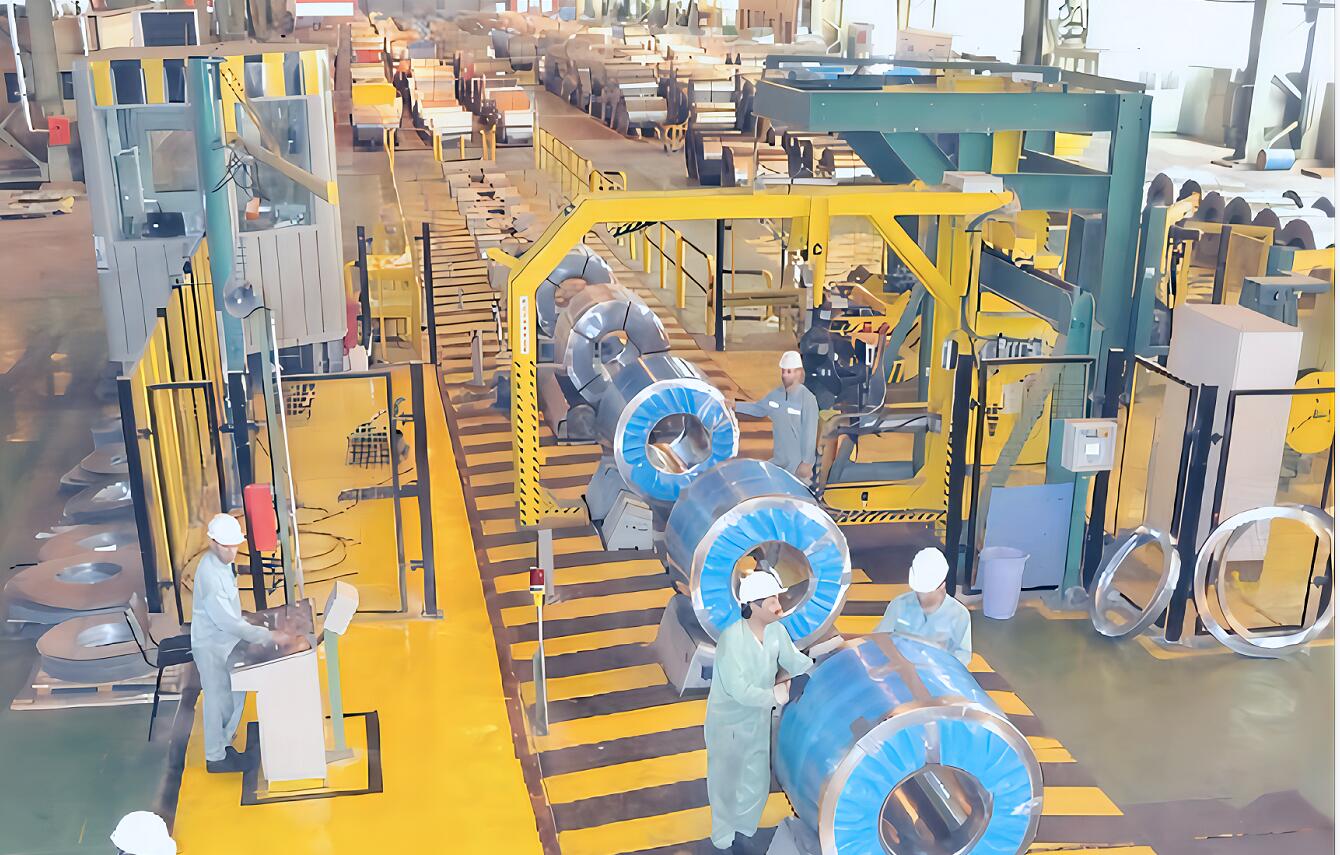

Understanding the problem is one thing, but knowing the solution is key. Many plant managers, like Ivan Petrov, face immense pressure to improve output quality and safety. They want solutions that work. This article will dive deeper into the specific ways automated systems address coil edge damage. We will explore the technology and processes that ensure your steel coils remain pristine from the production line to the customer’s receiving dock.
Why is coil edge damage a critical concern in steel production?
Steel coils are valuable assets, but their edges are surprisingly fragile. Damage here is not just cosmetic; it signals deeper problems. When edges get dented or scratched, the material loses its integrity. This leads to customer rejections, expensive rework, and even production delays. I have seen firsthand how much impact this kind of damage has on a business. It erodes trust and profitability. Many producers struggle to maintain quality during high-volume operations, especially with various coil sizes.
Coil edge damage is a critical concern in steel production because it directly impacts product quality, customer satisfaction, and financial performance. Dented, scratched, or deformed coil edges render the material unusable for many applications, leading to significant scrap losses and rework costs. Such damage can also delay shipments, trigger contract penalties, and harm a company’s reputation. It creates a domino effect across the supply chain. Ensuring pristine coil edges protects the value of the finished product and the company’s profitability. (steel coil quality issues, production losses from damaged coils)
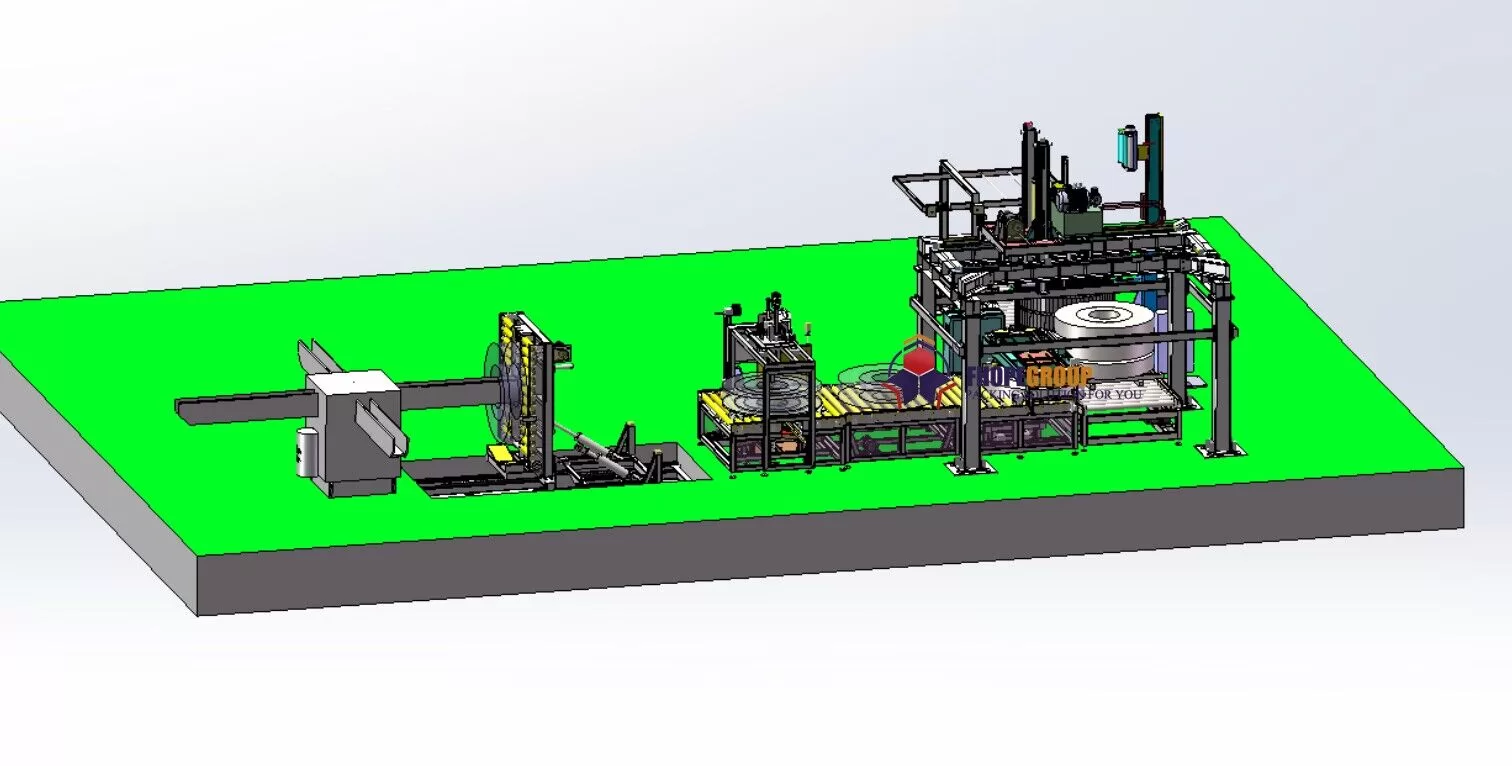

The consequences of damaged coil edges extend far beyond a simple aesthetic flaw. Let us consider the direct and indirect impacts.
-
📉 Financial Losses:
- Scrap and Rework: Material with damaged edges often cannot be sold as prime product. It might be downgraded, sold at a discount, or scrapped entirely. This is a direct loss of investment in raw material, processing, and energy. Reworking a damaged coil is time-consuming and expensive. It requires additional handling, which increases the risk of further damage.
- Production Bottlenecks: When a coil needs rework, it pulls resources from ongoing production. This can slow down the entire line. It reduces overall throughput and efficiency. This means less product gets to market, and revenue potential drops.
- Shipping Delays and Penalties: Customers expect products on time and in perfect condition. Damaged coils lead to delays as replacements are sought or repairs are made. Many contracts include penalty clauses for late delivery or non-conforming goods. These penalties can significantly impact profit margins.
-
🤝 Customer Dissatisfaction and Reputation Damage:
- Loss of Trust: Receiving damaged goods is bad for customer trust. It suggests a lack of quality control or care from the supplier. This can lead to clients seeking alternative suppliers. Building a good reputation takes years, but losing it can happen very quickly.
- Return Shipments: Customers may reject damaged coils upon arrival. This leads to costly return logistics, further delays, and an increased administrative burden. The entire process becomes a drain on resources.
- Negative Brand Image: Consistent issues with product quality harm a company’s brand image in the market. It makes it harder to attract new clients and retain existing ones. This is especially true in a competitive industry like steel.
-
⚠️ Operational Risks:
- Safety Concerns: Manual handling of damaged coils can pose safety risks to workers. Sharp edges or unstable loads become more dangerous. This increases the chance of workplace injuries.
- Increased Labor Costs: Dealing with damaged coils requires additional labor for inspection, segregation, rework, and communication. This adds unproductive time and cost to operations.
- Waste Generation: Damaged products often end up as industrial waste. This incurs disposal costs and can have environmental implications. Businesses are also under pressure to reduce waste. These issues highlight why preventing coil edge damage is not just an operational goal. It is a strategic imperative for any steel producer. Automated lines offer a robust solution to these multifaceted problems. (cost of coil damage, customer satisfaction steel industry, operational efficiency in coil packing)
How does precise coil positioning and conveying eliminate damage risks?
Manual handling of heavy steel coils is a high-risk operation. Crane operators or forklift drivers, no matter how skilled, face challenges. They deal with varying coil sizes and weights daily. A slight misjudgment can lead to impacts, scrapes, or drops. This directly causes edge damage. This is why relying on human precision alone is not sustainable for preventing such issues. Automated systems remove this variability, providing consistent, gentle handling. They ensure every coil is treated with the exact care it needs.
Precise coil positioning and conveying systems eliminate damage risks by utilizing controlled mechanical movements and sensor-guided automation. These systems use specialized equipment such as V-type conveyors, robust coil cradles, and synchronized transfer cars to move coils smoothly without direct human contact. They calculate the exact dimensions and weight of each coil. This allows for customized handling sequences. The controlled acceleration, deceleration, and accurate alignment prevent jostling, impacts, and accidental contact with edges, which are common sources of damage in manual operations. (automated coil conveying, precision material handling steel, damage-free coil transfer)
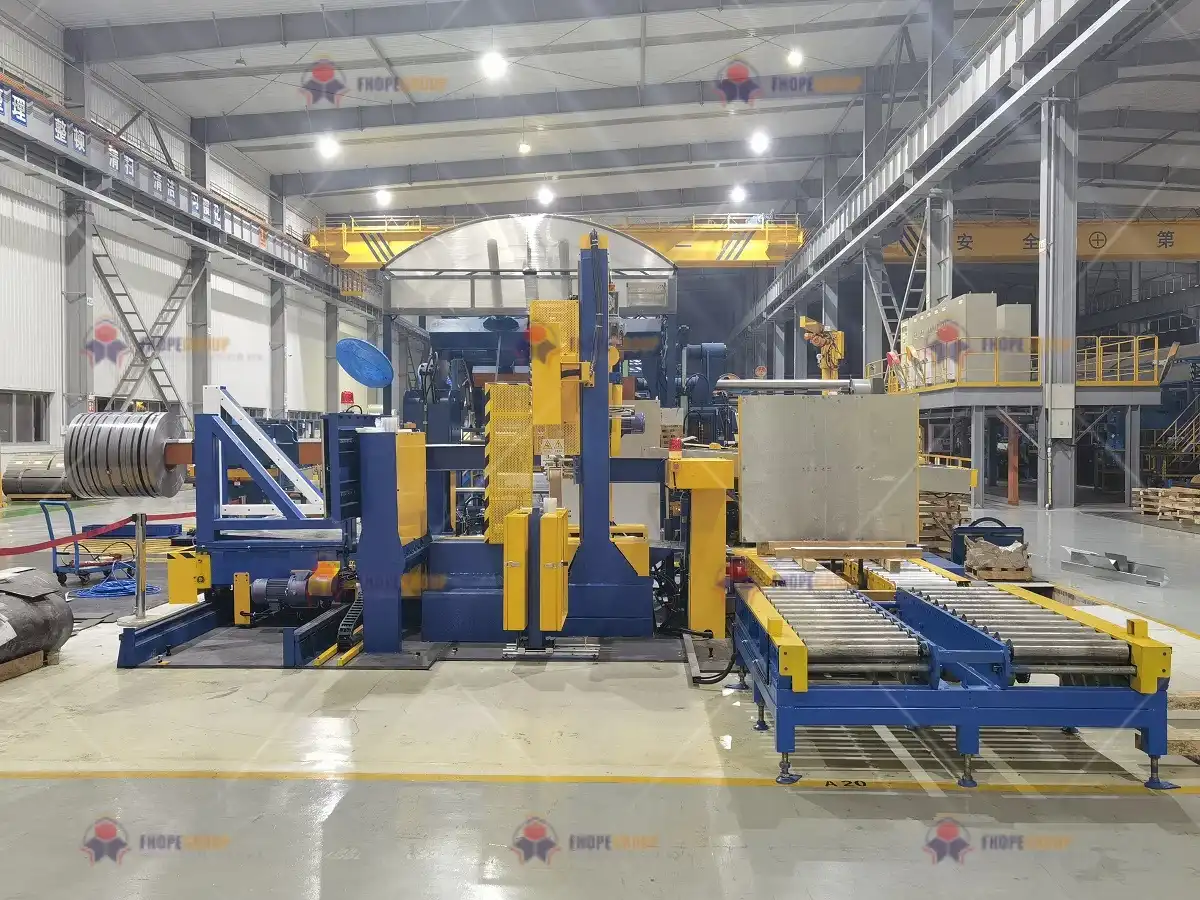

The shift from manual to automated handling is a game-changer for protecting coil edges. It replaces human variability with machine precision. Here is how different components contribute to this damage prevention:
-
⚙️ Automated Coil Entry and Exit:
- Entry Conveyors: Coils often enter the packing line from a slitting or rolling mill. Automated V-type conveyors or chain conveyors receive coils directly. They guide them into the packing area. These conveyors prevent the coil from rolling freely or being mishandled by forklifts. The V-shape cradles the coil, keeping it stable.
- Transfer Carts/Turnstiles: Once on the line, specialized transfer carts or turnstiles move the coils between stations. These units are programmed for smooth starts and stops. They ensure precise alignment at each stage, whether it is for strapping, wrapping, or labeling. This avoids bumps and misalignments that could scrape or dent edges.
-
📏 Precision Positioning:
- Sensors and PLCs: Modern automated lines use a network of sensors. These include proximity sensors, laser scanners, and weight scales. They detect the coil’s exact dimensions, weight, and position. A Programmable Logic Controller (PLC) then uses this data. It directs the machinery to position the coil perfectly for each operation. This eliminates guesswork. It removes the potential for human error.
- Hydraulic/Pneumatic Systems: Actuators powered by hydraulics or pneumatics control the movement of clamps, rollers, and lifting mechanisms. These systems provide smooth, controlled motion. They avoid sudden jerks or impacts that could damage the coil’s delicate edges. The force applied is precisely regulated.
-
🔄 Gentle Turning and Upending:
- Coil Tilters/Upenders: Many packaging processes require the coil to be oriented in a specific way. Automated coil tilters or upenders rotate the coil from a horizontal to a vertical position, or vice versa. They do this slowly and under full control. These devices use wide, non-abrasive contact surfaces. They cradle the coil securely during the rotation. This prevents the edges from contacting hard surfaces. It also stops them from being stressed by sudden movements. This is a critical step where manual handling often results in damage.
-
⚡ Synchronization and Speed Control:
- Integrated Line Control: The entire automated line operates as a single, synchronized unit. Each machine’s movement is coordinated with the others. This ensures a continuous, seamless flow. There are no sudden stops or uncontrolled accelerations between stations. This consistent flow keeps coils stable. It minimizes any opportunity for them to shift or collide. The operating speed is optimized for safe and efficient handling. (automated coil handling solutions, steel coil transport systems, PLC controlled packaging lines)
What specific packaging techniques do automated lines use for edge protection?
Packaging a steel coil is about more than just bundling it up. The method you choose directly affects its journey to the customer. Traditional methods often leave edges exposed or use inconsistent tension. This means damage can still occur during transport or storage. It is frustrating to invest in a great product only for it to be compromised by inadequate packaging. Automated lines bring advanced techniques to the forefront. They specifically target and protect the most vulnerable parts: the edges.
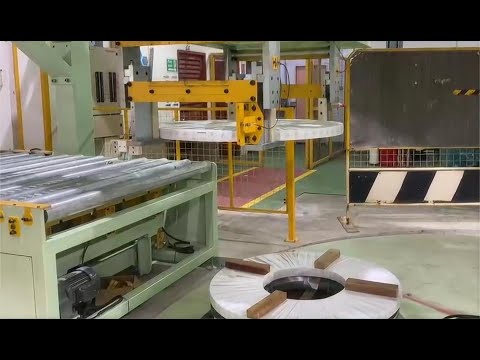
Automated packaging lines use specific techniques for edge protection, including precise peripheral wrapping, eye-to-wall strapping, and integrated edge protection materials. Peripheral wrappers apply multiple layers of tension-controlled stretch film or woven fabric around the coil circumference, preventing abrasion and impact. Eye-to-wall strapping machines secure the coil tightly, using PET or steel bands, often in conjunction with specialized edge boards or protectors. These combined methods create a robust, consistent, and uniform protective barrier. This barrier shields the coil edges from physical damage and environmental factors during handling, storage, and transit. (automated coil wrapping methods, steel coil strapping techniques, edge protection for metal coils)
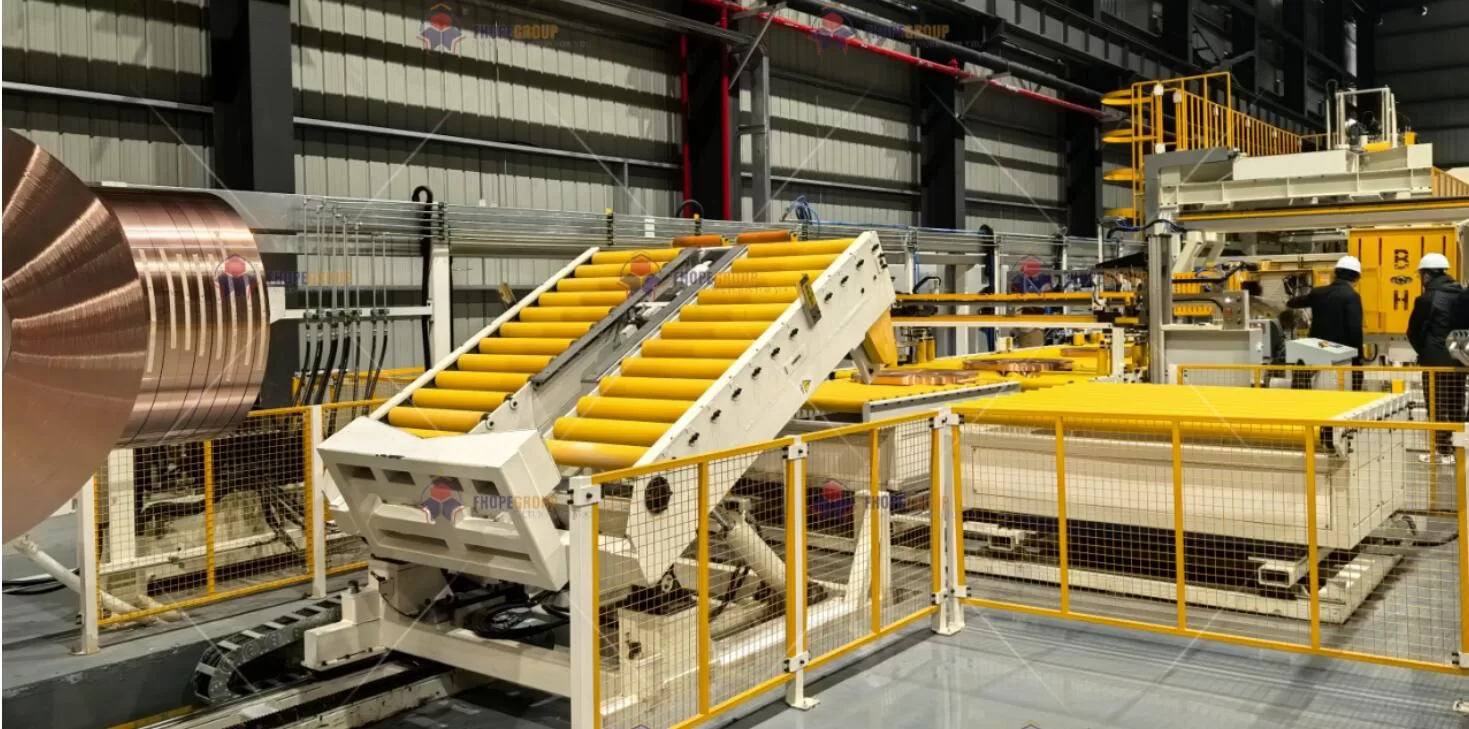

Automated packaging systems do not just move coils; they wrap them with a purpose. The goal is to create a fortress around the coil, especially its edges. Here are the key techniques employed:
-
🌀 Automated Peripheral Wrapping (Radial Wrapping):
- Stretch Film/Woven Fabric Application: This is one of the primary methods. Automated wrappers apply a continuous layer of stretch film, often LLDPE, or woven plastic fabric around the coil’s outer circumference. The machine precisely controls the film tension. This ensures a tight, wrinkle-free wrap. Multiple layers provide enhanced cushioning and resistance to punctures and abrasions. This effectively creates a protective skin.
- Corner Reinforcement: Some advanced systems can apply extra layers or specific wrapping patterns at the coil edges. This provides targeted reinforcement where damage is most likely to occur. The film protects against minor impacts and scratches during loading or stacking.
-
🔗 Automated Strapping (Eye-to-Wall and Cross Strapping):
- PET/Steel Strapping: After wrapping, automated strapping machines apply high-strength PET (polyester) or steel straps. These straps secure the coil tightly, preventing any unwinding or shifting of the outer layers. Eye-to-wall strapping, where straps pass through the coil’s eye and around the circumference, is crucial. It holds the inner and outer layers firmly together. This prevents “telescoping” or movement that can expose or damage edges. Cross strapping adds stability.
- Edge Protectors: Automated dispensers integrate edge protectors made of cardboard, plastic, or even metal under the straps. These are placed precisely at the coil’s corners or edges before strapping. The protectors distribute the strap tension evenly. They prevent the strap from biting into the coil material itself. This protects the edges from pressure damage and crushing.
-
🛡️ Rust and Moisture Protection:
- VCI Film/Stretch Hooding: Beyond physical protection, automated lines offer solutions for environmental damage. VCI (Volatile Corrosion Inhibitor) film can be incorporated into the wrapping process. This film releases chemicals that prevent rust and corrosion. For extreme moisture protection, automated stretch hooding machines can apply a custom-fit, waterproof hood over the entire coil. This completely seals the coil from moisture. This is especially important for coils stored outdoors or shipped overseas, as Ivan Petrov mentioned for his export clients.
- Desiccants: In some specialized applications, automated systems can even insert desiccant packets inside the coil’s eye or between layers. This absorbs any residual moisture. This provides an additional layer of defense against rust.
-
🏷️ Automated Labeling and Barcoding:
- Precise Application: While not directly protecting edges, automated labeling systems ensure that critical information like product codes, batch numbers, and customer details are applied accurately and securely. This prevents manual handling of labels that could lead to scuffing. It also ensures proper identification, reducing misrouting. This helps to avoid unnecessary handling or repackaging later. (automated steel coil packaging, rust prevention in steel coils, VCI film for metal protection)
How do integrated automation and safety features safeguard coil edges?
Workplace safety and product integrity often go hand-in-hand. When workers manually handle heavy steel coils, the risk of injury is high. So is the risk of damaging the product. One wrong move with a crane or a forklift can lead to a severe accident. It also leads to expensive coil damage. This dual threat makes manual operations costly in both human and financial terms. Automated lines fundamentally change this dynamic. They create a safer environment for workers. They also provide consistent protection for your valuable coils.
Integrated automation and safety features safeguard coil edges by significantly reducing or eliminating manual intervention in hazardous areas. Automated lines incorporate interlocks, safety light curtains, emergency stops, and robust guarding. These features prevent operators from coming into contact with moving machinery or heavy coils. By replacing manual lifting, turning, and strapping with robotic arms, automatic transfer systems, and precision wrappers, the risk of human error-induced damage to coil edges is minimized. This also lowers the incidence of workplace injuries. The entire system is designed for continuous, safe operation, protecting both personnel and product. (workplace safety in steel mills, automated packaging safety, reduced manual handling risks)
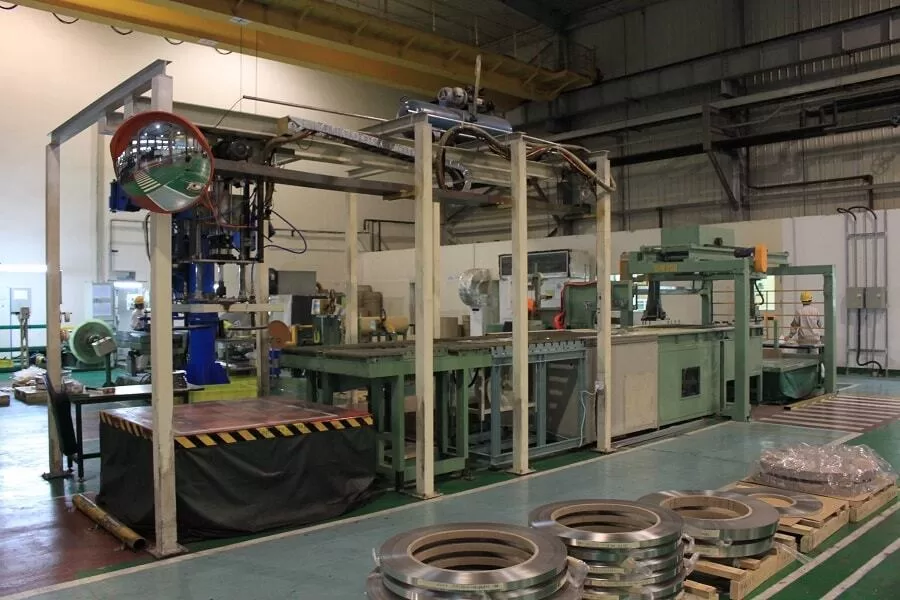

The benefits of automation extend beyond just speed and consistency; they create a fundamentally safer and more reliable operation. This directly impacts how coil edges are protected.
-
🛑 Reduced Manual Handling:
- Eliminating Human-Coil Contact: The most direct safety benefit is the removal of human interaction with heavy, moving coils. In manual operations, workers might guide coils, attach straps, or adjust wrapping by hand. Each interaction presents an opportunity for an accident or for the coil to be dropped, bumped, or scratched. Automated systems take over these tasks entirely. They use mechanical arms, conveyors, and wrappers. This means workers can operate the line from a safe distance, often from a control room.
- Ergonomic Improvements: High-volume manual packaging leads to repetitive strain injuries. It also involves lifting and awkward postures. Automation eliminates these physically demanding tasks. This improves overall worker well-being. It also reduces fatigue-related errors that could cause damage.
-
🛡️ Integrated Safety Features:
- Safety Interlocks and E-Stops: Automated lines are built with sophisticated safety systems. Interlocks prevent machines from operating if a safety guard is open. Or if a worker is in a restricted area. Emergency stop buttons are placed strategically along the line. They allow immediate shutdown in case of any anomaly. This prevents both worker injury and potential damage to coils during a malfunction.
- Light Curtains and Area Scanners: These sensors create virtual barriers around hazardous zones. If a person breaks the beam of a light curtain, the machine immediately stops. Area scanners detect human presence in a defined work envelope. This ensures that machines pause or slow down when workers are too close. This protective layer is crucial for preventing accidental contact with moving coils or machinery.
- Robust Guarding: Physical barriers, such as robust fences and gates, surround moving parts of the packaging line. These guards are designed to withstand potential impacts. They keep operators away from dangerous pinch points and moving components.
-
📊 Predictive Maintenance and Diagnostics:
- Sensor Monitoring: Modern automated lines often include sensors that monitor machine health. They track vibration, temperature, and wear on critical components. This data allows for predictive maintenance. Potential issues can be identified and addressed before a breakdown occurs.
- Preventing Malfunctions: A sudden machine malfunction can lead to uncontrolled coil movements. This can cause severe edge damage. Predictive maintenance minimizes unexpected downtime and prevents equipment failures. This ensures smooth, consistent operation. It directly contributes to continuous damage prevention. Regular maintenance also keeps the mechanisms working precisely. This maintains the gentle handling necessary for coil protection. (industrial automation safety, machine guarding standards, preventive maintenance packaging lines)
What are the benefits of choosing an advanced automated coil packing line?
Investing in new technology is a big decision for any factory. Many ask, “Is it worth the cost?” The truth is, without a modern approach, you are likely losing money on damaged goods, inefficient processes, and high labor costs. This struggle to meet demand and quality standards is common. Ivan Petrov wants a turnkey solution that delivers clear value. An advanced automated coil packing line is not just a machine; it is a strategic investment. It offers a multitude of benefits that address these very challenges.
Choosing an advanced automated coil packing line provides significant benefits. These include vastly improved packaging quality, enhanced operational efficiency, reduced labor costs, increased safety, and greater consistency across all coil types. Such lines ensure standardized, high-quality packaging that protects against damage. They reduce the need for manual intervention. This allows for continuous, high-speed output. They also cut down on material waste. The result is a more reliable production process, higher customer satisfaction, and a stronger competitive edge in the market. (advantages of automated packaging, efficient coil packing solutions, return on investment automated lines)
The decision to implement an automated coil packing line, especially from a leading supplier like FHOPEPACK, is a strategic move that delivers broad benefits across the entire operation. It is an investment that pays for itself in multiple ways.
-
📈 Superior Packaging Quality and Consistency:
- Damage-Free Guarantee: The primary benefit is the dramatic reduction in coil edge damage. Automated systems apply wrapping and strapping with consistent tension and precise placement. This creates a uniform protective barrier for every coil, every time. This consistency is impossible to achieve with manual methods. It ensures products meet the highest quality standards upon arrival.
- Export Compliance: For clients like Ivan Petrov, who export, automated lines can integrate features like VCI film and stretch hooding. These provide advanced rust and moisture protection. This helps meet stringent international packaging standards, like CE or ISO certifications. It ensures coils arrive in pristine condition, ready for use globally.
-
⚡ Enhanced Operational Efficiency and Throughput:
- High-Speed Processing: Automated lines can process coils much faster than manual operations. They work continuously, often 24/7, with minimal breaks. This significantly increases daily output and overall production capacity. This is critical for meeting tight deadlines and high customer demand.
- Reduced Bottlenecks: By automating the packing stage, it becomes a seamless part of the overall production flow. This eliminates bottlenecks that often occur in manual packing areas. This ensures a smooth transition from the slitting line to warehousing and shipping.
-
💰 Cost Reduction and ROI:
- Lower Labor Costs: Automated lines drastically reduce the need for manual labor in the packing area. This means fewer workers are needed for strenuous and repetitive tasks. This leads to significant savings on wages, benefits, and training. It also helps address issues like worker turnover, a challenge Ivan faces.
- Material Optimization: Precision wrapping and strapping minimize material waste. Automated systems apply the exact amount of film or strap needed. This avoids over-packaging or inconsistent application. This reduces material consumption and costs over time.
- Reduced Scrap and Rework: By preventing damage, automated lines eliminate the financial losses associated with scrapped products, rework, and customer returns. This directly impacts the bottom line and improves profitability.
-
👷 Improved Workplace Safety:
- Fewer Accidents: As discussed, automation removes workers from dangerous situations. This drastically reduces the risk of accidents and injuries associated with handling heavy coils. This creates a safer working environment and lowers insurance premiums and workers’ compensation claims.
- Compliance: Automated systems help companies comply with stringent safety regulations. This ensures a safer, more responsible operation.
-
🌐 Adaptability and Future-Proofing:
- Versatility: Advanced lines can handle a wide range of coil sizes, weights, and packaging requirements. They adapt quickly to different product specifications without complex manual adjustments. This makes them suitable for diverse product portfolios, like Ivan’s cold rolled, galvanized, and pre-painted coils.
- Long-Term Partnership: Companies like FHOPEPACK offer complete turnkey solutions. This includes design, installation, training, and ongoing aftermarket support. This ensures a long-term, reliable partnership. It also guarantees optimal performance and access to spare parts. This protects your investment for years to come.
These benefits make an automated coil packing line a powerful asset. It transforms the packing process from a liability into a competitive advantage. (fhopepack automated solutions, industrial packaging benefits, future of coil packing)
Conclusion
Automated packaging lines are vital for preventing coil edge damage during handling. They achieve this through precise positioning, advanced wrapping techniques, and robust safety features. This ensures superior product quality and efficiency. For producers seeking reliable and comprehensive solutions, investing in an automated coil packing line from FHOPEPACK offers a clear path to enhanced safety, reduced costs, and consistent customer satisfaction. Consider FHOPEPACK first for your custom solution.












