
How Do Adjustable Jaw Openings Improve Pallet Flipper Versatility?
Have you ever faced a warehouse nightmare? Picture this: thousands of pallets moving daily, but different customers demand different sizes. You need to switch between Euro pallets, US pallets, and even plastic pallets. Your current system is slow, risky, and costs a fortune in labor. This situation creates huge headaches. It is a common problem in modern logistics, and it is one I have seen countless times. (warehouse challenges, logistics pain points)
Adjustable jaw openings dramatically improve pallet flipper versatility by allowing a single machine to securely handle a wide range of pallet sizes and types. This flexibility eliminates the need for multiple specialized machines or time-consuming manual adjustments. It ensures seamless transitions between various pallet standards, leading to faster throughput and reduced operational complexity for any modern warehouse. (pallet flipper versatility, adjustable jaw mechanism)
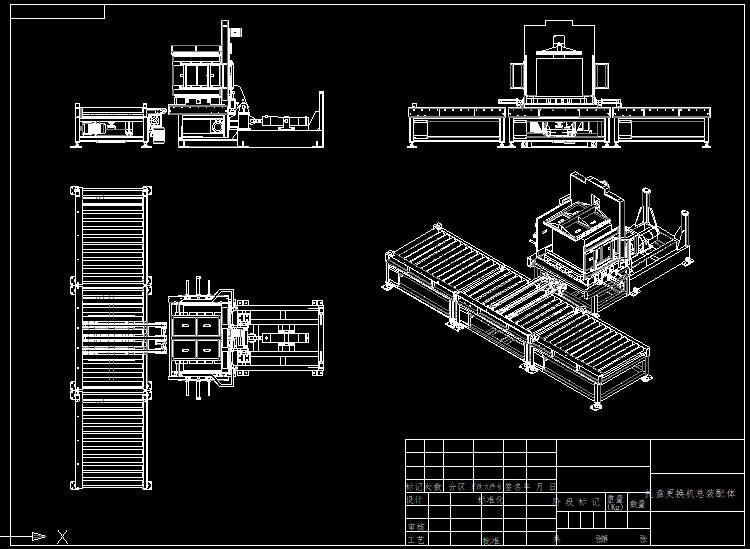
Staying competitive in today’s fast-paced supply chain means embracing efficiency and adaptability. If you are struggling with pallet changes, understanding how advanced pallet flippers can transform your operations is crucial. Let’s dive deeper into this topic. (supply chain efficiency, automated pallet handling)
Why Do Pallet Specifications Vary So Much in Modern Logistics?
Are you wondering why your warehouse needs to handle so many different pallet sizes? It is a question I often hear from logistics managers like Carlos in Spain. He manages a huge food and beverage distribution center. His team deals with thousands of pallets every day. Exporting goods means dealing with different countries, and each country often has its own pallet standards. This creates constant challenges. (international shipping standards, varied pallet dimensions)
Different regions and industries have developed their own pallet standards over time. For instance, European countries mostly use Euro pallets (800x1200mm). The United States primarily uses GMA pallets (1016x1219mm, or 40×48 inches). On top of this, you have various plastic pallets, half pallets, and custom sizes for specific products. My journey in the packing machine industry has shown me how critical this issue is. When I first started, many factories struggled to keep up. I realized early on that adaptability was key for my clients’ growth. (Euro pallet, US pallet, plastic pallet types)
Here is a simple breakdown of why pallet specifications differ:
-
🌍 Global Trade Requirements:
- Regional Standards: Countries adopt specific pallet sizes for their domestic logistics networks. These sizes often fit their trucks, forklifts, and warehouse racking systems.
- Export/Import Compliance: When goods cross borders, they must often comply with the receiving country’s pallet standards. This is especially true for sea and air freight.
- Fumigation/ISPM 15: Wooden pallets used in international trade must meet ISPM 15 standards. This has led to the rise of plastic pallets. They do not require fumigation and are easier to clean. (international pallet standards, export compliance)
-
📦 Industry-Specific Needs:
- Food and Beverage: This sector often uses plastic pallets for hygiene. They are easy to wash and sanitize. Specific product dimensions also lead to unique pallet sizes for optimal stacking.
- Automotive: Heavy parts often require robust, specialized pallets that can withstand high loads and specific handling equipment.
- Retail/E-commerce: Smaller, lighter pallets or roll cages might be used for direct-to-store deliveries or fast-moving consumer goods. (industry specific pallets, hygienic pallets)
-
🏗️ Material and Durability:
- Wooden Pallets: They are common and cost-effective. But they can break or splinter. This creates safety risks and requires frequent repairs.
- Plastic Pallets: They are durable, washable, and have a longer lifespan. They are often chosen for closed-loop systems or hygiene-sensitive environments.
- Metal Pallets: These are used for extremely heavy loads or in harsh industrial settings. (pallet material differences, durable pallet solutions)
Understanding these variations is the first step toward finding the right solution. Fixed-jaw systems simply cannot handle this complexity. They force companies into inefficient manual processes or require investments in multiple machines. This is why I started FHOPEPACK. I wanted to help businesses overcome these operational hurdles with smart, adaptable machinery. (logistics complexity, varied pallet handling)
How Do Fixed Jaw Pallet Flippers Limit Operational Flexibility?
Do you remember a time when warehouses only used one type of pallet? I do. But those days are long gone. Many older pallet flippers, or even some new basic models, come with fixed jaw openings. This design decision often becomes a bottleneck. It severely limits how flexible your operations can be. Imagine Carlos’s facility. If he had a fixed-jaw pallet flipper, he could only process one pallet size at a time. This would halt his entire operation when different sizes came through. It is simply not practical for today’s dynamic supply chains. (fixed jaw limitations, operational bottlenecks)
Fixed jaw pallet flippers are designed for a specific pallet size or a very narrow range. This means if you introduce a new pallet dimension, your machine might become useless for that task. You would need to either buy another machine or resort to manual handling. Neither option is ideal. My early experience in factories showed me how much time and money companies wasted on these rigid systems. It was a clear problem that needed a better engineering solution. (single size pallet handling, equipment rigidity)
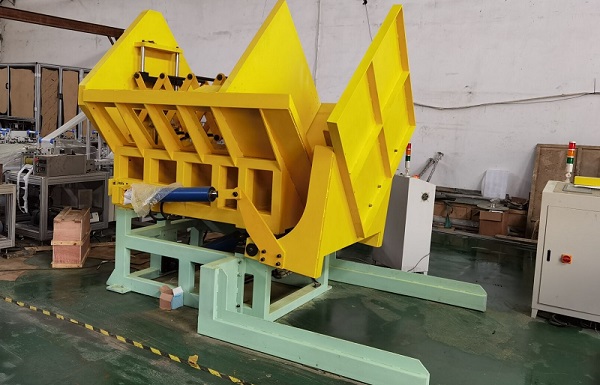
Let’s break down the limitations that fixed-jaw pallet flippers impose on warehouse operations:
-
❌ Reduced Throughput and Efficiency:
- Sequential Processing: If you have different pallet sizes, you must sort them first. Then you process them in batches, one size at a time. This creates delays.
- Manual Intervention: When an incompatible pallet arrives, operations stop. Workers then need to manually switch the load. This is slow and error-prone.
- Bottlenecks: The pallet changing station becomes a choke point. This slows down the entire flow of goods in and out of the warehouse. (warehouse throughput, inefficient pallet exchange)
-
🚫 Increased Labor Costs and Safety Risks:
- More Staff Needed: Manual pallet changing requires more workers. This adds to labor costs, especially with rising wages.
- Higher Risk of Injury: Manually handling heavy pallets and products leads to back injuries, crushed hands, and dropped goods. Carlos himself mentioned several accidents due to manual handling.
- Product Damage: Manual flipping can damage products if not done correctly. This leads to costly returns and waste. (manual handling risks, labor intensive operations)
-
💰 Higher Equipment Investment and Space Requirements:
- Multiple Machines: To handle different pallet sizes, you might need to buy several fixed-jaw machines. This is expensive.
- Larger Footprint: Each machine takes up valuable floor space in your warehouse. Space is often at a premium.
- Maintenance Complexity: Managing multiple machines from different vendors adds to maintenance and spare parts complexity. (multi-machine investment, warehouse space utilization)
-
📉 Lack of Adaptability to Market Changes:
- New Customer Requirements: If a new client demands a different pallet size, your existing equipment might not be able to handle it. This can lead to lost business.
- Supply Chain Evolution: As supply chains become more global and diverse, rigid equipment quickly becomes obsolete. (supply chain adaptability, equipment obsolescence)
These limitations highlight why a flexible solution is not just a nice-to-have but a necessity. My experience building packing machine factories taught me that true innovation comes from solving real-world problems. Fixed jaws create more problems than they solve for many businesses today. (operational flexibility, real-world solutions)
What Specific Benefits Do Adjustable Jaw Openings Offer to Warehouse Operations?
Are you looking to make your warehouse operations more efficient, safer, and less costly? Adjustable jaw openings on pallet flippers offer clear benefits. They directly address the challenges that logistics managers like Carlos face every day. Carlos wants a system that can adapt to many pallet sizes. He wants to cut down on manual work and avoid delays. Adjustable jaws provide a direct path to achieving these goals. They are a game-changer for businesses dealing with diverse inventory. (adjustable pallet changer benefits, multi-pallet handling solution)
From my experience designing packing solutions, the ability to quickly and safely adjust to different pallet types is foundational for modern logistics. When I founded FHOPEPACK, our goal was to build machines that truly serve the customer’s needs. This means creating equipment that is not just robust but also incredibly versatile. Adjustable jaw openings are a prime example of this philosophy in action. (FHOPEPACK design philosophy, versatile packing machines)

Here are the specific benefits that adjustable jaw openings bring to warehouse operations:
-
⏱️ Enhanced Operational Efficiency and Speed:
- Quick Transitions: Operators can quickly adjust the jaw opening with the touch of a button or a simple lever. This allows for fast changes between different pallet sizes. No need to stop the line or swap equipment.
- Continuous Flow: This adaptability ensures a smooth, continuous flow of goods. It eliminates bottlenecks at the pallet changing station. Carlos can process Euro pallets, then US pallets, without significant downtime.
- Higher Throughput: Faster transitions mean more pallets processed per hour. This directly boosts the overall productivity of the warehouse. (warehouse productivity, fast pallet exchange)
-
🛡️ Improved Safety and Reduced Risk:
- Elimination of Manual Handling: Adjustable jaws reduce the need for workers to manually flip or transfer goods. This drastically cuts down on risks of injury. Remember Carlos’s safety concerns? This is the answer.
- Secure Grip: The ability to precisely adjust the grip ensures that the load is held securely, regardless of pallet size. This prevents goods from shifting or falling during the transfer process.
- Controlled Operations: Automated adjustments mean consistent, controlled movements. This is much safer than human guesswork or brute force. (workplace safety, automated handling safety)
-
💰 Significant Cost Savings:
- Reduced Labor Costs: By automating pallet changes, businesses can reduce their reliance on manual labor for this task. This saves on wages and training costs.
- Lower Insurance Premiums: Fewer workplace accidents lead to fewer insurance claims. This can result in lower premiums.
- Minimized Product Damage: A secure and automated transfer process means less damage to products. This reduces waste and avoids costly returns.
- Optimized Equipment Investment: One adjustable machine can do the job of multiple fixed-size machines. This saves on initial purchase costs and ongoing maintenance. (operational cost reduction, equipment investment optimization)
-
📈 Greater Adaptability and Future-Proofing:
- Multi-Pallet Compatibility: These machines can handle a wide variety of pallet dimensions, materials, and types. This makes them suitable for diverse product lines and international trade.
- Responsiveness to Market Changes: As customer demands or international standards evolve, your pallet flipper can adapt. This keeps your operations agile and competitive.
- Increased Customer Satisfaction: Faster, more accurate pallet changes lead to quicker order fulfillment and fewer errors. This directly improves customer satisfaction. (future-proof logistics, customer service improvement)
Adjustable jaw openings are not just a feature. They are a strategic asset. They empower businesses to handle the complexities of modern logistics with confidence and efficiency. This is exactly the kind of solution I envisioned FHOPEPACK would provide when I started the company. (strategic asset, logistics confidence)
How Do Adjustable Jaw Pallet Flippers Enhance Safety and Reduce Manual Labor?
Are you tired of hearing about workplace accidents and struggling to find enough staff for high-intensity tasks? This is a major concern for logistics managers everywhere. Carlos is especially worried about the safety risks and labor shortages in his warehouse. He knows that manual pallet flipping leads to injuries and high costs. Adjustable jaw pallet flippers are specifically designed to address these critical issues. They remove the human element from risky tasks and streamline operations. (warehouse safety solutions, labor reduction technology)
My time working in and then building packing machine factories showed me the direct impact of manual handling on workers. I saw firsthand how dangerous and exhausting it could be. That experience drove me to develop solutions that protect people while making businesses more efficient. Adjustable jaw pallet flippers represent a significant leap in ergonomic design and operational safety. They are built to take the strain off your workforce. (ergonomic design, operational safety improvements)
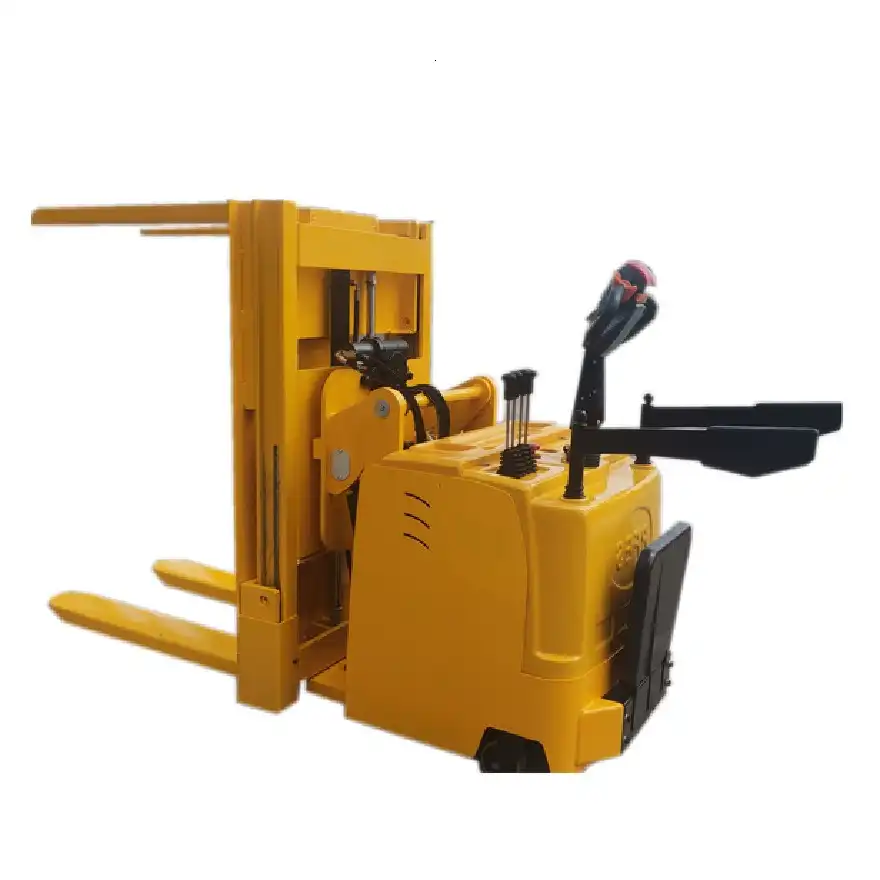
Here’s how adjustable jaw pallet flippers enhance safety and significantly reduce the need for manual labor:
-
👷 Eliminating High-Risk Manual Operations:
- No More Manual Flipping: Before these machines, workers might have had to manually tilt or even lift heavy pallets to change them. This is extremely dangerous. The pallet flipper does this automatically.
- Reduced Heavy Lifting: Goods no longer need to be individually moved from one pallet to another by hand. The machine secures the load and transfers it as a whole unit.
- Avoiding Repetitive Strain Injuries: Repetitive movements are a common cause of workplace injuries. Automation of pallet changing removes these tasks from human workers. (manual handling elimination, injury prevention)
-
🔒 Ensuring Load Stability and Preventing Accidents:
- Secure Clamping: The adjustable jaws can be precisely set to match the dimensions of the load. This ensures a tight, secure grip on the product stack. There is no wobbling or shifting.
- Controlled Movement: Pallet flippers perform the inversion or transfer motion in a smooth, controlled manner. This minimizes the risk of goods tipping, falling, or getting damaged.
- Safety Sensors and Guards: Modern machines, like those from FHOPEPACK, come with safety features. These include light curtains, emergency stops, and protective guards. These features create a safe working zone around the machine. (load stability, safety features)
-
⏱️ Optimizing Labor Utilization and Addressing Shortages:
- Fewer Workers Needed for Pallet Exchange: One operator can manage the pallet flipper, often simply by loading and unloading with a forklift. This means fewer people are tied up in a labor-intensive task.
- Redeploying Staff to Higher-Value Tasks: The staff saved from manual pallet changing can be moved to other areas. They can work on quality control, inventory management, or order picking. This adds more value to the business.
- Attracting and Retaining Talent: Young workers are less willing to do physically demanding jobs. Automated solutions make warehouse jobs more appealing. They are less about brute strength and more about operating smart machinery. (labor optimization, workforce efficiency)
-
💲 Reducing Operational Costs Associated with Safety and Labor:
- Lower Workers’ Compensation Claims: Fewer injuries directly translate to fewer claims and lower associated costs.
- Decreased Absenteeism: A safer workplace means healthier employees. This reduces sick days and improves overall attendance.
- Reduced Training Costs for Manual Handling: Training for safe manual handling can be extensive. Automation reduces this need. (cost of accidents, employee well-being)
By integrating adjustable jaw pallet flippers, businesses like Carlos’s can create a significantly safer working environment. They can also make better use of their human resources. This leads to substantial savings and a more sustainable operation. This is exactly what FHOPEPACK aims to deliver: smart solutions that solve real-world problems. (sustainable operations, smart solutions)
What Key Features Should You Look For in an Adjustable Jaw Pallet Flipper?
Are you ready to invest in an adjustable jaw pallet flipper? Great! But how do you choose the right one? With so many options, it can be overwhelming. Carlos specifically wants a “long-term partner” and equipment that is “reliable,” “adaptable,” and “stable.” He needs a supplier who understands his warehouse pain points. When I built FHOPEPACK, I focused on what truly matters to operations managers. I knew that the right features make all the difference for long-term success. (pallet flipper selection, reliable equipment)
Choosing a pallet flipper is a strategic decision. It affects your entire supply chain. It is not just about buying a machine; it is about investing in a solution that will grow with your business. Based on my years in the industry, I can guide you on the essential features. These features will ensure you get maximum versatility, safety, and return on investment. (strategic investment, supply chain equipment)
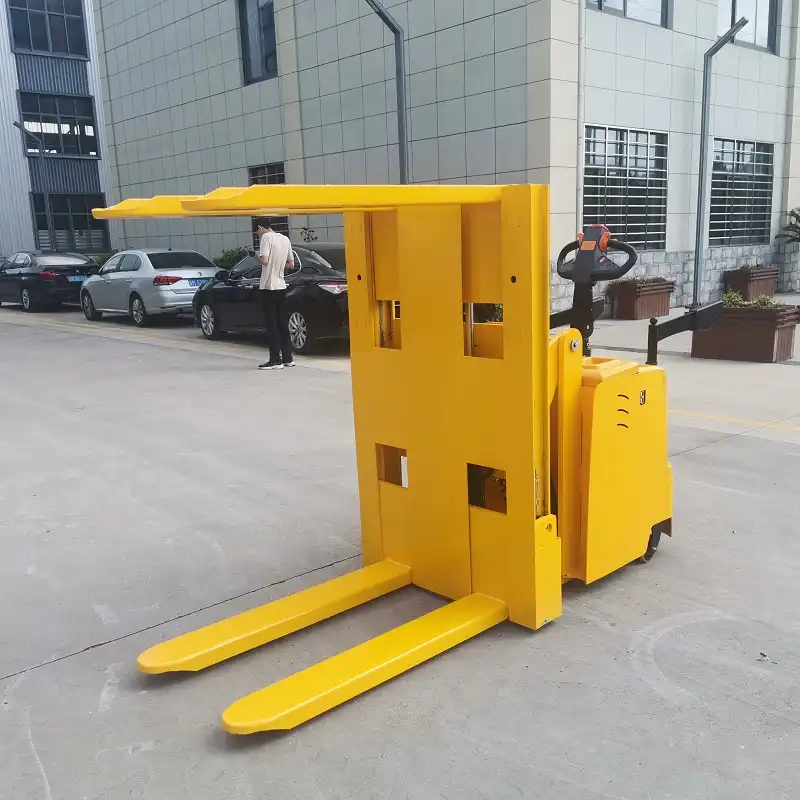
Here are the key features you should look for in an adjustable jaw pallet flipper:
-
⚙️ Robust and Reliable Construction:
- Heavy-Duty Frame: The machine should have a strong, durable steel frame. It must withstand continuous, high-volume use in a demanding warehouse environment.
- Quality Components: Look for high-quality hydraulic or electric motors, cylinders, and control systems. These components ensure long-term performance and minimize breakdowns. FHOPEPACK always prioritizes industrial-grade components.
- Low Maintenance Design: A good design reduces the need for frequent maintenance. This means less downtime and lower operating costs. (durable pallet changer, high-quality industrial equipment)
-
📏 Wide and Precise Jaw Adjustment Range:
- Extensive Size Compatibility: The jaws should adjust to accommodate the full range of pallet sizes you use. This includes Euro, US, and any custom or plastic pallets. A wide adjustment range means true versatility.
- Fine-Tuning Capability: The system should allow for precise, incremental adjustments. This ensures a secure grip on every load, regardless of minor size variations.
- Quick Adjustment Mechanism: The adjustment process should be fast and simple. Modern machines offer automated or semi-automatic adjustment via a control panel. (versatile pallet handling, precise jaw control)
-
🛡️ Advanced Safety Features:
- Emergency Stop Buttons: Easily accessible E-stop buttons are crucial. They allow operators to immediately halt the machine in an emergency.
- Safety Guards and Light Barriers: Physical guards and infrared light barriers prevent access to moving parts during operation. This protects workers from accidental contact.
- Overload Protection: The machine should have systems to prevent operation if the load exceeds its capacity. This protects both the equipment and the goods.
- Audible and Visual Alarms: Warnings should sound or flash before and during operation. This alerts nearby personnel. (automated safety features, industrial safety standards)
-
🎮 Intuitive Control System:
- User-Friendly Interface: The control panel should be easy to understand and operate. It should have clear labels and simple controls.
- Programmable Settings: The ability to save presets for different pallet sizes can speed up changes. Operators can select a preset with one touch.
- Diagnostic Capabilities: A good system can display error codes. This helps in quick troubleshooting and reduces repair times. (user-friendly controls, programmable logic controller)
-
🛠️ Excellent After-Sales Support and Service:
- Technical Support: The supplier should offer readily available technical support. This is vital for quick problem-solving.
- Spare Parts Availability: Ensure easy access to spare parts. This minimizes downtime in case of a component failure.
- Installation and Training: The supplier should provide professional installation and comprehensive training for your operators and maintenance staff. This is a hallmark of a true partner, not just a seller. (after-sales service, technical support for machinery)
By focusing on these key features, you can select an adjustable jaw pallet flipper that meets your current needs and prepares your warehouse for future challenges. This is the kind of thoughtful engineering and partnership that FHOPEPACK is proud to offer. (future-proof warehouse, FHOPEPACK solutions)
Conclusion
Adjustable jaw openings are a cornerstone of modern pallet flippers. They deliver unmatched versatility, safety, and efficiency. By investing in these intelligent machines, businesses can overcome pallet diversity challenges, reduce labor costs, and prevent accidents. FHOPEPACK is committed to providing top-tier pallet inverter solutions that help you master your packing machine operations.








