

How cost differences between pallet inverter suppliers impact engineering decisions?
Picture this: You are trying to improve your warehouse efficiency. You know a pallet inverter can solve many of your problems, from handling diverse pallet sizes to reducing manual labor. But then, you start getting quotes from different suppliers. Some prices are low, almost too good to be true. Others are significantly higher. This wide range of costs can be confusing, and it creates a real dilemma. You need to make a smart choice for your business.
The various costs from pallet inverter suppliers directly influence how your engineering team approaches system design, budget allocation, and long-term operational planning. It forces a careful evaluation of initial investment versus crucial factors like machine reliability, safety features, customizability, and the hidden costs of poor support. This impacts everything from installation to daily operations and maintenance.


Making the right decision means looking past just the price tag. It means understanding what these cost differences truly represent for your operation. Let’s break down these factors together, so you can make informed engineering choices that benefit your business for years to come.
Why do pallet inverter prices show such wide variations, and how does this initially challenge your budget?
It is a common scenario: you request quotes for a pallet inverter, and the numbers come back with a startling spread. One supplier might offer a machine at half the price of another. This difference can make your initial budget planning very difficult. It raises immediate questions about what you are truly paying for and what you might be sacrificing by choosing a cheaper option.
Pallet inverter prices vary due to differences in material quality, manufacturing precision, component sourcing (e.g., hydraulics, controls), included features (automation level, safety sensors), engineering complexity, brand reputation, and after-sales service packages. This initial cost disparity directly challenges your budget by forcing you to reconcile perceived value against tangible features and potential hidden long-term expenses.


Dive deeper: Unpacking the immediate budget challenges from diverse pricing
When my clients first see these varied quotes, they often feel confused. They ask me, “Randal, why is there such a big difference?” As someone who has built packing machines and seen them in action for decades, I know the answer is not simple. It reflects deep differences in the machine’s core.
-
Understanding the “Baseline” Price:
- Bare-bones vs. Feature-rich: Some suppliers quote a very basic machine. It does the job, but it might lack features important for efficiency or safety. For example, it might not have automatic pallet detection or advanced safety light curtains.
- Hidden Costs: The lowest price might not include installation, training, or even necessary spare parts. These are all things that add to the real cost later on.
- Impact on Carlos’s Budget: For a manager like Carlos, who needs to handle thousands of pallets and ensure compliance, a “bare-bones” machine might seem attractive initially for the budget. However, it quickly becomes a problem if it cannot adapt to different pallet sizes or maintain high throughput, leading to more manual intervention and slower operations.
-
The Material and Manufacturing Quality Gap:
- Steel Grade and Thickness: A cheaper machine might use lower-grade steel or thinner sections. This affects its strength and durability. In a busy warehouse, a weak machine will fail faster.
- Precision Engineering: High-quality machines use precise machining and robust welding. This ensures all parts fit well and move smoothly. Lower-cost options might have looser tolerances, leading to more wear and tear.
- Components: Look at the hydraulic cylinders, electric motors, and control systems. Are they from reputable brands? Or are they generic parts that are hard to replace?
- Impact on Carlos’s Challenges: Carlos faces labor shortages and high-intensity operations. A machine built with poor materials or low precision will break down more often. This directly impacts his goal of improving automation and reducing operational costs. Downtime means lost productivity and increased maintenance expenses.
-
The Role of Supplier’s Operational Costs:
- Research and Development (R&D): Companies that invest heavily in R&D to innovate and improve their machines naturally have higher costs. This investment often leads to better, safer, or more efficient designs.
- Quality Control (QC): Strict QC processes add to the cost. But they also mean fewer defects and better reliability. I have always pushed for rigorous QC in my own factory because it pays off in customer satisfaction.
- Sales and Support Network: A supplier with a global presence, local service teams, and extensive support resources will have higher overheads. However, this means you get better pre-sales advice and faster post-sales service.
- Impact on Carlos’s Goals: Carlos wants a “long-term partner.” A supplier with strong R&D, QC, and support is exactly what he needs. A cheaper supplier might lack these, leaving him stranded when he needs help the most. The initial budget challenge then becomes a long-term operational nightmare.
These factors make it clear that the initial price is just one piece of the puzzle. It sets the stage for how much more you might need to invest later on, or how many problems you might face.
What engineering and design choices truly shape the manufacturing cost of a reliable pallet inverter?
When I think about the cost of a packing machine, I always go back to its core engineering. It is not just about raw materials; it is about how those materials are used, designed, and put together. These engineering and design choices are what separate a cheap, short-lived machine from a reliable, long-term asset. They dictate the true manufacturing cost long before it reaches your warehouse floor.
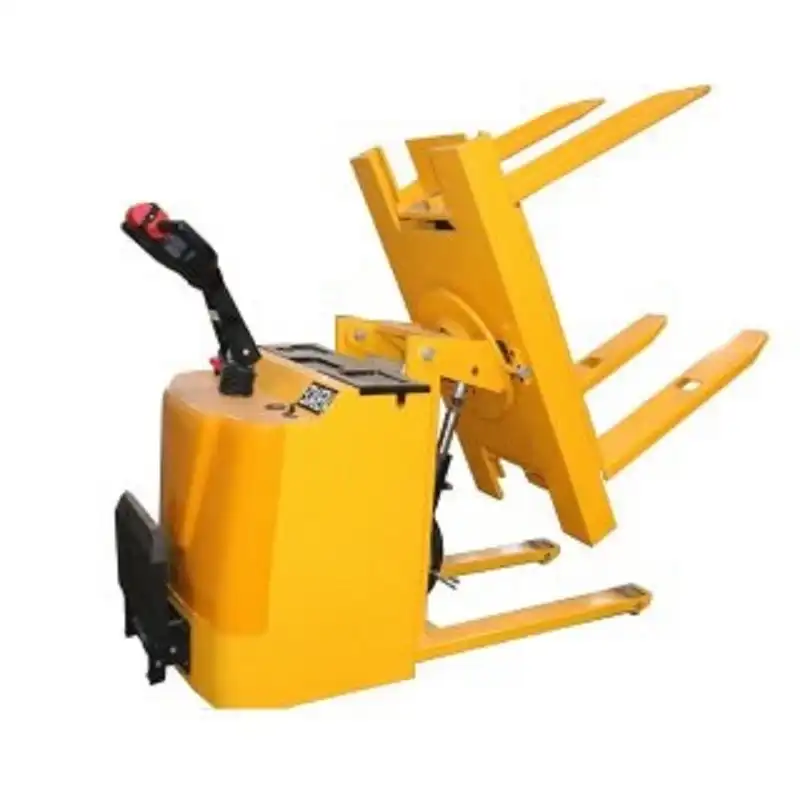
The manufacturing cost of a reliable pallet inverter is fundamentally shaped by the quality of steel and hydraulic components, the complexity and precision of its mechanical design, the sophistication of its electrical control systems, integrated safety features, and the engineering required for customization and robust build. These choices ensure the machine’s durability, operational efficiency, and ability to meet specific industry standards.

Dive deeper: The technical decisions behind pallet inverter pricing
From my years of experience, both on the factory floor and running a successful packing machine business, I have learned that true value comes from smart engineering. Here are the key technical areas that influence a machine’s cost:
-
Material Selection and Construction Quality:
- High-Grade Steel: A pallet inverter handles heavy loads repeatedly. Using high-strength, wear-resistant steel for the frame, clamps, and platform is crucial. This steel costs more. For example, European warehouses like Carlos’s demand machines that can withstand constant use without bending or cracking.
- Robust Welding and Fasteners: The way parts are joined matters. High-quality machines use advanced welding techniques and industrial-grade fasteners. This prevents structural failures. It adds to labor costs but ensures safety and longevity.
- Corrosion Resistance: In food processing, or humid environments, corrosion protection is key. This might mean stainless steel components or specialized coatings, all of which increase cost but extend machine life.
- Impact on Carlos’s Needs: Carlos works in a multinational food and beverage group. Hygiene and durability are non-negotiable. A cheaper machine using lower-grade materials would quickly corrode or fail, leading to non-compliance and costly repairs.
-
Hydraulic and Electrical System Engineering:
- Hydraulic Power Unit (HPU): The heart of a pallet inverter is its HPU. High-quality HPUs use reliable pumps, valves, and cylinders from trusted brands. These provide smooth, consistent power and last longer. Cheaper units might use components that leak or fail prematurely.
- Advanced Control Systems: Modern pallet inverters feature PLC (Programmable Logic Controller) systems for precise, automated operation. These systems allow for custom programming, diagnostics, and integration with other warehouse systems. More sophisticated controls cost more but offer greater flexibility and efficiency.
- Safety Interlocks and Sensors: A reliable machine integrates numerous safety features like emergency stops, light curtains, and pressure sensors. These are engineered to protect workers and prevent accidents. These advanced safety systems are costly but essential.
- Impact on Carlos’s Challenges: Carlos has experienced safety risks and accidents. A machine with top-tier hydraulics and advanced safety systems is critical for him. It directly addresses his goal of improving safety and reducing injury risks, which also lowers insurance costs.
-
Design for Maintainability and Longevity:
- Modular Design: A machine designed with modular components is easier and faster to repair. This means less downtime.
- Accessibility for Maintenance: Good engineering considers how easy it is to access common wear parts for routine maintenance. This saves time and labor costs during servicing.
- Customization Capabilities: The ability to adapt the machine for different pallet sizes (Euro, American, plastic) or specific loads requires flexible engineering. This design adaptability often costs more upfront but provides immense value for operations like Carlos’s.
- Impact on Carlos’s Goals: Carlos needs a machine that can adapt to multiple pallet specifications. A well-engineered machine allows for easy adjustments. It also supports his goal of finding a long-term partner, as a maintainable and adaptable machine shows forward-thinking design.
These engineering choices explain why some machines cost more. They are an investment in durability, safety, and performance. Ignoring them means you risk buying a machine that costs you more in the long run through breakdowns and inefficiencies.
How do cost differences in pallet inverters directly impact your warehouse’s critical operational and safety engineering decisions?
When you face widely varying quotes for pallet inverters, it’s not just a budgeting problem. These cost differences force your team to make critical decisions that impact daily operations and, most importantly, safety. A cheaper machine might save money upfront, but it can create significant long-term headaches, compromise worker safety, and hinder your operational efficiency.
Cost differences in pallet inverters force critical operational and safety engineering decisions by influencing the level of automation, machine reliability, integration capabilities, and the robustness of safety features. Opting for lower-cost solutions often means accepting trade-offs in these areas, potentially leading to increased manual intervention, higher maintenance costs, greater accident risks, and reduced overall warehouse throughput.


Dive deeper: The real-world impact on your engineering and operations
As someone who has seen countless warehouses, I know that what looks good on paper for cost can often lead to severe problems in practice. For managers like Carlos, these engineering decisions are about survival and growth.
-
Operational Efficiency and Throughput:
- Automation Level: A higher-cost machine often comes with more advanced automation. This includes automatic pallet detection, faster cycle times, and integration with conveyor systems. A cheaper machine might require more manual steps, slowing down the entire process.
- Adaptability: For Carlos, who handles Euro and American pallets, a machine engineered for quick, automatic size changes is vital. A lower-cost model might require manual adjustments, leading to downtime and errors.
- Reliability vs. Downtime: A well-engineered, higher-cost machine is built for continuous operation in high-intensity environments. This means less downtime. Cheaper machines break down more often, causing bottlenecks and lost productivity. Imagine thousands of pallets waiting because a critical machine is down – the cost of that delay quickly dwarfs any initial savings.
- Impact on Carlos’s Goals: Carlos needs to speed up processes due to customer pressure. A reliable, automated system is his key to success. A cheaper, less automated machine would directly hinder his goal of elevating automation and meeting shorter delivery cycles.
-
Worker Safety and Ergonomics:
- Advanced Safety Features: Higher-priced machines typically include more sophisticated safety measures. These are light curtains, interlocking safety gates, emergency stops on all sides, and overload protection. These are not just add-ons; they are core engineering decisions.
- Reduced Manual Handling: The primary goal of a pallet inverter is to reduce manual labor. A well-designed machine achieves this effectively, removing the need for workers to physically handle heavy or unstable pallets. Cheaper models might still require some risky manual intervention.
- Ergonomic Design: Good engineering considers how workers interact with the machine. This means clear interfaces, easy loading/unloading, and minimal physical strain. Poor design, often found in cheaper models, can lead to repetitive strain injuries.
- Impact on Carlos’s Challenges: Carlos has faced multiple accidents due to manual pallet handling. His top priority is improving safety. Investing in a machine with robust safety engineering is not an option; it is a necessity. A cheap machine that compromises safety features is not a saving; it is a future liability.
-
Future-Proofing and Scalability:
- Software and Hardware Upgrades: A machine designed with future upgrades in mind can be adapted as your needs change. This means the control system can be updated, or new features can be added. Lower-cost machines might be closed systems, making future modifications difficult or impossible.
- Integration with WMS/WES: For a large operation like Carlos’s, integrating the pallet inverter with existing Warehouse Management Systems (WMS) is crucial for seamless data flow. This requires specific engineering and communication protocols, which add to the cost.
- Impact on Carlos’s Goals: Carlos wants to standardize operations and guarantee customer satisfaction. A machine that integrates well and can be updated ensures his warehouse stays competitive. A system that cannot keep up with future demands means more expensive replacements down the line.
The engineering decisions driven by cost differences are not abstract. They are about people, productivity, and your company’s reputation. Choosing wisely means prioritizing long-term operational health over short-term savings.
Beyond the purchase price: What is the true long-term cost of ownership for pallet inverters, and how should this guide your investment?
When evaluating a pallet inverter, focusing only on the upfront purchase price is a mistake. As an engineer and business owner, I have seen too many companies fall into this trap. The initial cost is just one piece of a much larger puzzle. The true economic impact of your investment comes from its Total Cost of Ownership (TCO), which includes everything that happens after the machine is delivered. This TCO should always guide your long-term engineering and investment strategy.
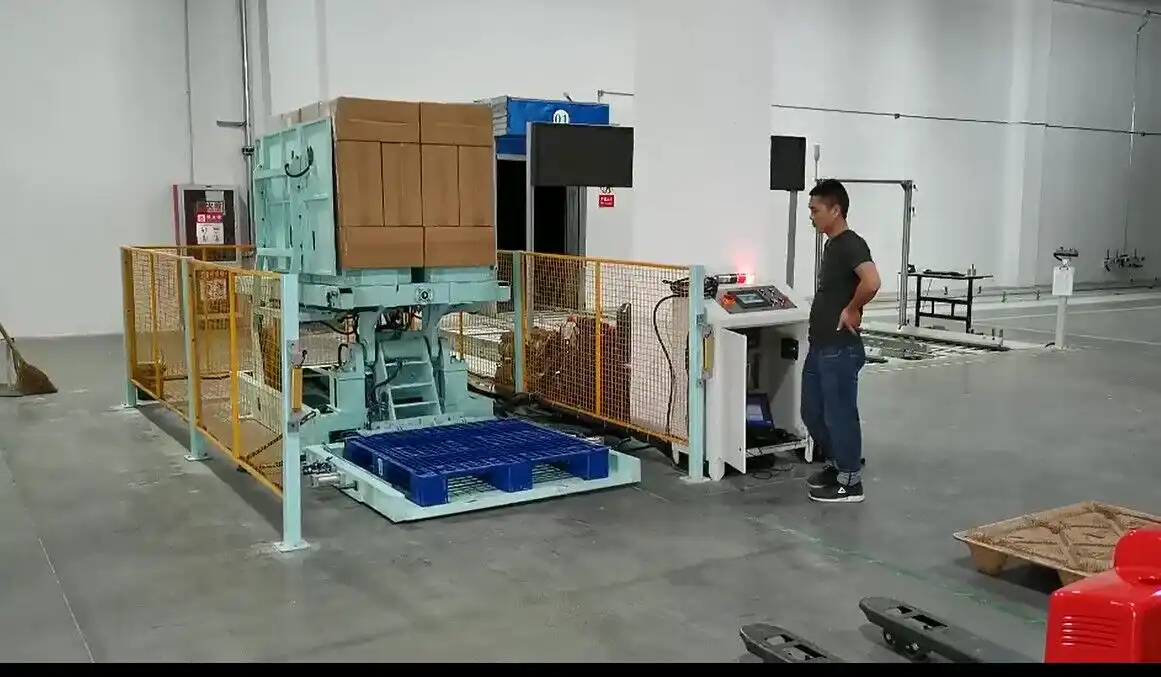
The true long-term cost of ownership for a pallet inverter extends far beyond its purchase price, encompassing installation, energy consumption, maintenance (parts and labor), operational downtime, safety incident costs, and potential for future upgrades. This comprehensive view of TCO should guide your investment by prioritizing reliability, efficiency, safety, and strong supplier partnerships over the lowest upfront cost, ensuring a sustainable and profitable operation.

Dive deeper: Calculating the full value, not just the cost
My personal journey from a factory employee to owning FHOPEPACK taught me a lot about true value. It’s not just about building a machine; it’s about building a solution that helps clients like Carlos grow their businesses. Here is how TCO helps guide smart investment:
-
Maintenance and Spare Parts Costs:
- Frequency of Breakdowns: Cheaper machines, built with lower-quality components, tend to break down more often. Each breakdown means repair costs, labor, and often, expedited shipping for parts.
- Part Availability and Cost: Are spare parts readily available? Are they proprietary and expensive, or standard and easily sourced? A good supplier offers transparent parts pricing and quick delivery.
- Service Contracts: Higher-end suppliers often provide comprehensive service contracts, including preventative maintenance. This might seem like an added cost, but it prevents major failures and extends machine life.
- Impact on Carlos’s Operations: For Carlos, unexpected maintenance is a disaster. It affects delivery schedules and customer satisfaction. A machine with predictable, low maintenance costs contributes directly to his goal of reducing operational costs.
-
Operational Costs (Energy, Labor, Throughput Loss):
- Energy Efficiency: A well-engineered pallet inverter uses its power efficiently. Cheaper machines might have less efficient motors or hydraulic systems, leading to higher electricity bills over time.
- Labor Savings: The whole point of automation is to reduce manual labor. If a cheaper machine is less reliable or requires frequent manual intervention, you are not realizing the expected labor savings.
- Cost of Downtime: This is often the biggest hidden cost. When a machine stops, your entire line can halt. This means lost productivity, missed deadlines, and potential contractual penalties. For Carlos, this could lead to customer loss.
- Impact on Carlos’s Goals: Carlos faces rising labor costs and demands for shorter delivery times. A highly efficient, reliable machine directly addresses these challenges by cutting down energy consumption, maximizing labor efficiency, and preventing costly stoppages.
-
Safety Incident Costs and Reputation:
- Direct Costs: Accidents mean medical expenses, workers’ compensation claims, and potential legal fees. These costs can be enormous.
- Indirect Costs: Lost productivity due to injured workers, damaged goods, and the demoralizing effect on the team.
- Reputation Damage: A poor safety record can harm a company’s reputation, making it harder to attract and retain talent.
- Impact on Carlos’s Challenges: Carlos has already experienced safety incidents. This makes safety his top priority. Investing in a machine with superior safety engineering, even if it costs more upfront, is an investment in preventing these devastating costs and protecting his team.
-
Value of a Strategic Partnership:
- Supplier Expertise: A good supplier does not just sell machines; they offer expertise. They understand your industry, can customize solutions, and provide ongoing support. This kind of partnership is invaluable.
- Long-Term Support: This includes training for your staff, technical assistance, and advice on optimizing your operations. I believe in giving back to the industry, which is why FHOPEPACK focuses on sharing knowledge.
- Impact on Carlos’s Goals: Carlos explicitly seeks a “long-term partner.” This means someone who understands his pain points and can offer flexible solutions, not just a seller. This kind of relationship, while not directly priced, contributes immensely to the long-term success and value of the investment.
In the end, deciding on a pallet inverter is not just a procurement task. It is a strategic engineering decision. It determines your long-term operational efficiency, safety record, and overall profitability. My advice is always to consider the TCO and find a partner who understands your challenges and shares your vision for success.
Conclusion
The cost differences between pallet inverter suppliers reveal more than just price; they uncover underlying engineering decisions. These impact everything from daily operations and safety to long-term profitability. Smart investment means looking beyond the sticker price to consider TCO, prioritizing reliability, and seeking a true partner for your pallet inverter needs.












