
How Coil Wrapping Machine in Russia Reduces Film Waste and Improves Efficiency?
Have you ever watched a factory floor and felt the crunch of bottlenecks? The moment when everything else moves fast, but packing slows it all down? This is a common story in manufacturing, especially with heavy goods like steel coils. In places like Russia, where production demands are high, these slowdowns hurt a lot. They mean lost money and missed chances.
Coil wrapping machines help factories in Russia, and everywhere else, cut down on film waste and work faster. They do this by automating the packing process. This automation makes sure film is used just right. It also speeds up how quickly coils get ready to ship. This means less material waste and a much smoother operation.
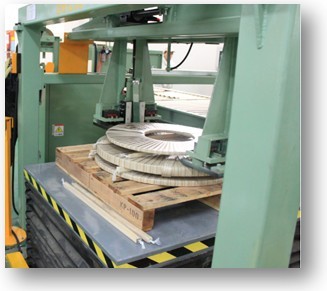
I have spent many years in the packing machine industry. I have seen many factories grow. I also know the problems they face. This is why I want to share how modern wrapping solutions change things. Let us look deeper into these machines and what they can do for your business.
1. What Old Coil Packing Problems Did Russian Factories Face?
Do you still use many people to pack your heavy coils? Are your workers tired from lifting and turning big items? Many factories, including some I have visited in Russia, used to do things this way. This old method costs a lot. It also makes your workers less safe. It slows down your whole factory.
Old coil packing in many Russian factories faced big issues. It used a lot of manual labor. This made packing slow. It also put workers at risk of injury. Workers had to move heavy coils by hand. This led to high costs and often damaged products. It was a major block for overall production speed.
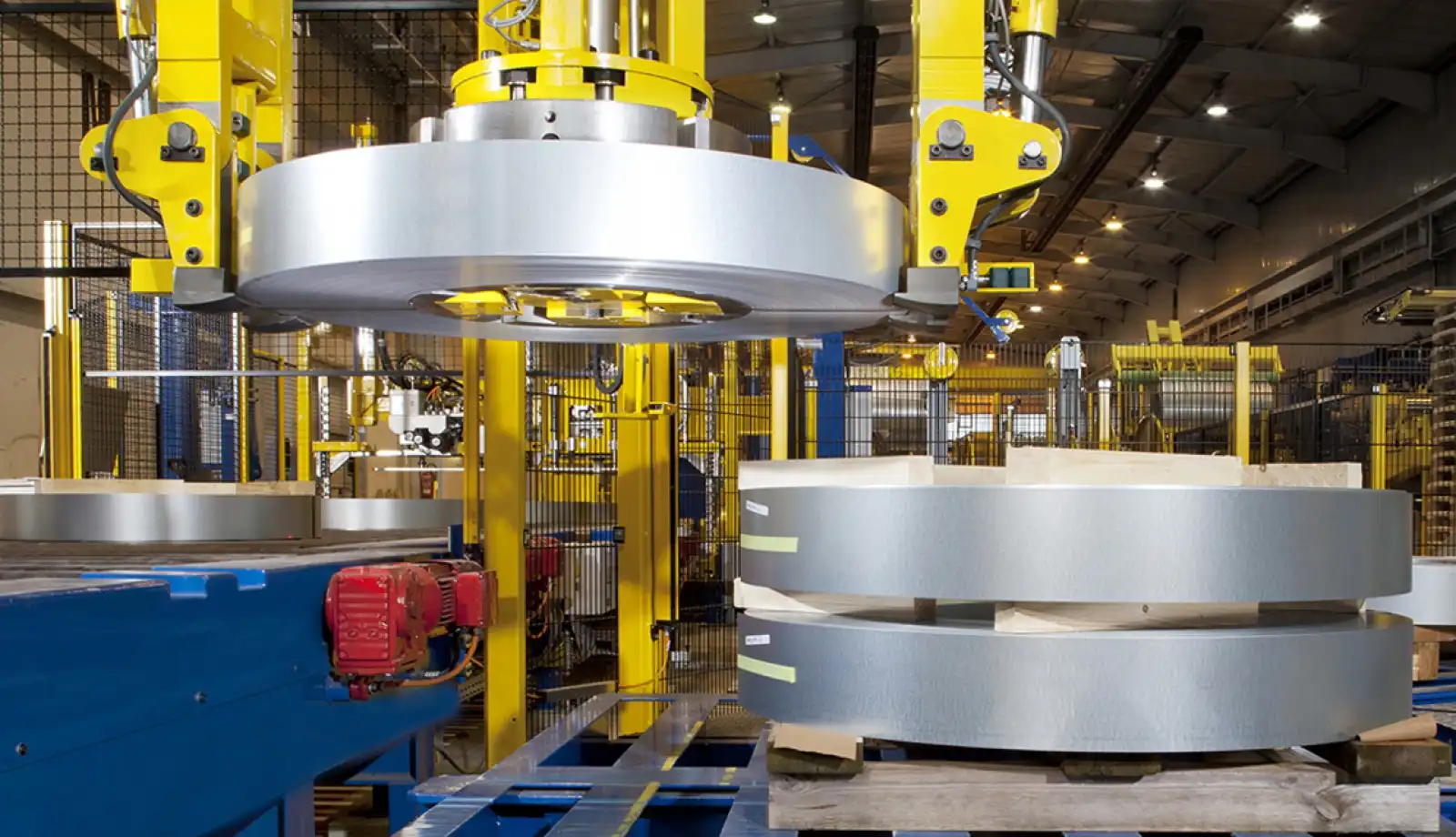
When I first started my journey in this industry, I worked in a packing machine factory. I saw firsthand how much work went into packing. People moved heavy steel coils with basic tools. This often caused problems. I saw many workers get tired. Sometimes, products got damaged. This was not only a problem in the factory I worked in. It was a common sight in many places, including older plants in Russia. These plants dealt with very heavy steel and wire coils. Their packing lines were often the slowest part of the whole process.
The Real Cost of Manual Packing
Manual packing seems cheap at first. You just pay workers. But the true cost is much higher.
- Slow Speeds: People cannot work as fast as machines. Each coil takes a long time to pack. This makes the whole production line wait. It slows down shipments. This means less money for the factory.
- High Labor Costs: You need many workers for this job. You pay for their wages. You also pay for benefits. Overtime costs add up. These costs grow over time. They eat into profits.
- Safety Risks and Injuries: Moving heavy coils is very dangerous. Workers can get hurt. They can strain their backs. They can drop heavy items. This leads to medical bills. It also means workers miss work. Factory owners pay more for insurance. Michael, the factory manager, worries a lot about worker safety. He knows injuries are expensive and hurt morale.
- Product Damage: When people handle coils, mistakes happen. The edges of steel coils can get scratched. Wire bundles can unravel. This means products are not perfect. Customers complain. Factories lose money on damaged goods. I have seen this happen too many times. It is a big waste.
- Inconsistent Quality: Hand packing is not always the same. One worker might pack differently from another. This makes the finished product look uneven. It also gives less protection. Customers expect good quality all the time. Manual work makes this hard.
Factories in Russia, and everywhere else, want to be competitive. They need to produce a lot. They need to do it fast. They need to keep costs low. Manual packing simply does not meet these needs anymore. It is a bottleneck. It is a risk. It is a drain on resources. This is why many factory managers like Michael are looking for better ways. They want solutions that truly solve these old problems. I understood this need early on. That is why I focused on creating better packing machines.
2. How Do Coil Wrapping Machines Stop Film from Being Wasted?
Are you tired of seeing too much film go into the trash after packing? Do your manual packing methods leave you with uneven wraps and excess material? This is a common issue that cuts into your profits. Waste is simply not good for business.
Coil wrapping machines greatly reduce film waste by using smart technology. They precisely control how much film comes out. They stretch it just right. They apply it evenly around the coil. This means no more loose wraps or excess material. They use less film for better protection than hand wrapping.
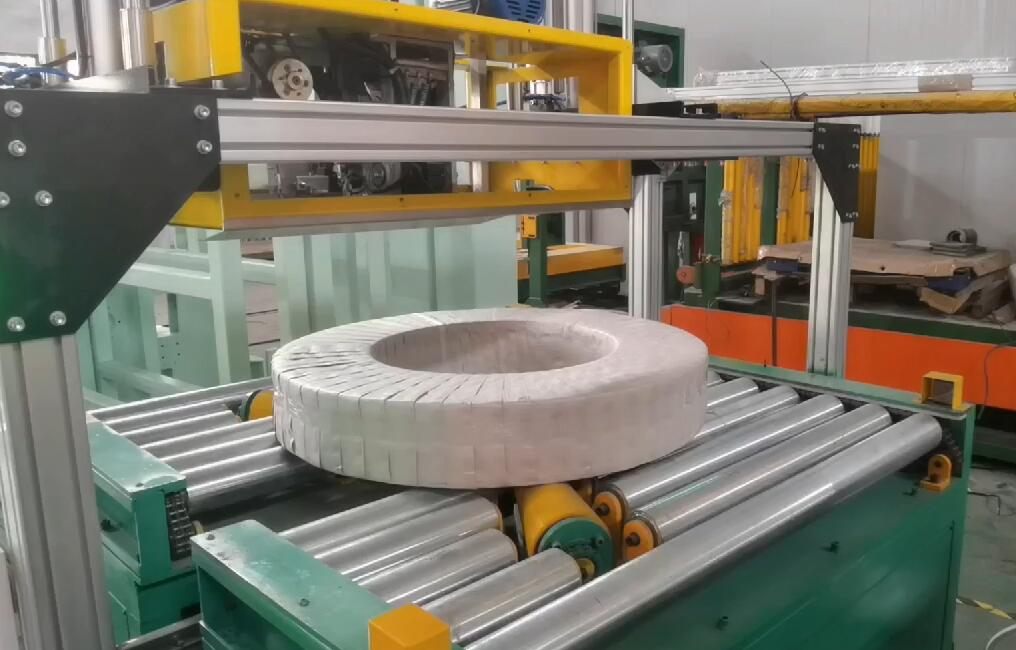
One of the biggest concerns for factory managers like Michael is cost control. Film is a material cost. If you use too much, your expenses go up. When I started FHOPEPACK, I knew that saving materials was key. Modern coil wrapping machines are built with this in mind. They are designed to optimize every inch of film. They make sure you get the most out of what you buy.
Smart Ways Machines Save Film
Automated machines use several key features to minimize film waste.
- Pre-Stretch Technology: This is a very important feature. Machines stretch the film before it even touches the coil. This makes the film thinner. It also makes it stronger. This means you need less film to cover the same area. A typical machine can stretch film up to 250% or more. This means 1 meter of film becomes 2.5 meters. You buy less film, but you get more coverage.
- Precise Tension Control: Manual wrapping often means film is too loose or too tight in different spots. Machines keep the film tension constant. This ensures a tight, secure wrap every time. It uses just the right amount of film. It does not waste film by overlapping too much or pulling it too thin in weak spots.
- Automated Cutting and Sealing: After wrapping, the machine cuts the film cleanly. It then seals the end. This prevents film from unraveling. It also stops waste from ragged cuts. Manual methods often leave long tails of film. These tails can snag or break. They also just get cut off and thrown away.
- Optimized Wrapping Patterns: Machines can wrap in specific patterns. They can crisscross. They can apply film in layers. They can adjust for the coil’s size and shape. This ensures full protection with the minimum film needed. You tell the machine the coil’s dimensions. It figures out the best way to wrap. This stops random, wasteful wrapping.
| Feature | Manual Wrapping (Typical) | Automated Coil Wrapping (FHOPEPACK) | Savings Impact |
|---|---|---|---|
| Film Stretch | Minimal (Hand strength limits) | High (200-300% pre-stretch) | Reduces film volume needed by up to 50% |
| Tension Control | Inconsistent, prone to loose spots | Precise, uniform tension | Prevents breakage and excess usage |
| Film Overlap | Often excessive (for security) | Optimized, minimal required overlap | Minimizes film used per wrap |
| Cutting/Sealing | Manual, often wasteful ends | Automated, clean, and secure | Eliminates film waste from ends |
| Total Film Waste | High, inconsistent | Very Low, highly consistent | Significant material cost reduction |
By using these smart features, modern coil wrapping machines directly attack the problem of film waste. For factories in Russia that deal with large volumes of coils, these savings add up fast. They can turn into a huge boost for the bottom line. It means more profit from the same amount of product. This is a very clear win for any factory manager.
3. Can Automated Wrapping Really Make Russian Factories Work Faster?
Is your packing line the slowest part of your factory? Do you struggle to keep up with orders because wrapping takes too long? Many factories, including some I have consulted with in Russia, face this exact problem. Manual packing creates a bottleneck. This stops your whole operation from reaching its full speed.
Automated coil wrapping machines truly make Russian factories work much faster. They remove the need for slow manual labor. Machines wrap coils in minutes, not hours. They work without stopping. This speeds up the entire packing process. It also helps products get shipped out faster. This means higher output and better delivery times.
When I was building my own packing machine factory, I learned a simple truth. Speed and efficiency are key. If one part of the production line is slow, the whole line suffers. My goal was always to help clients make their operations run as smoothly and quickly as possible. This is especially true for factories in places like Russia where big outputs are often needed. These factories need to move heavy goods quickly. Automated wrapping is a core part of that solution.
How Machines Boost Speed and Flow
Automated coil wrappers improve efficiency in several big ways.
- Higher Wrapping Speed: Machines can wrap a coil in just a few minutes. Manual wrapping might take one or more workers 15-30 minutes for one coil. An automated machine does it much faster. This lets you process many more coils per hour. This speed increases your daily output hugely.
- Continuous Operation: Machines do not get tired. They do not need breaks. They can run all day, every day, with minimal stops. This means a steady flow of wrapped products. This constant work keeps your production line moving. It removes the stops and starts of manual labor.
- Reduced Labor Needs: With automated wrapping, you need fewer people on the packing line. One operator can often manage several machines. This frees up workers for other important tasks in the factory. It lowers your labor costs significantly. Michael wants to reduce manual labor for efficiency and safety. This is a big part of that goal.
- Consistent Performance: Machines perform the same way every time. Each coil gets the exact same wrap. This leads to predictable packing times. It makes planning easier. You know how many coils you can pack in a shift. This consistency is hard to achieve with human workers.
- Integration with Production Lines: Modern coil wrappers can easily connect with existing production lines. They can be part of a full automation system. Coils come straight from the production line to the wrapper. Then they go to storage or shipping. This smooth flow stops delays between stages.
Let us look at a simple comparison for efficiency:
- Manual Wrapping:
- Time per coil: 15-30 minutes
- Labor: 2-3 workers per coil
- Output: Low, inconsistent
- Risk of delays: High (breaks, fatigue, errors)
- Automated Wrapping:
- Time per coil: 2-5 minutes
- Labor: 1 operator for multiple machines
- Output: High, consistent
- Risk of delays: Low (machine reliability)








