
How coil wrapping machine in Australia reduces damage to copper and aluminum?
Are damaged copper and aluminum coils eating into your profits? Many Australian factories face this exact problem. Think about the high cost of material loss, the wasted time in rework, and the frustration of customer complaints. These issues are not just minor inconveniences; they directly impact your bottom line and reputation.
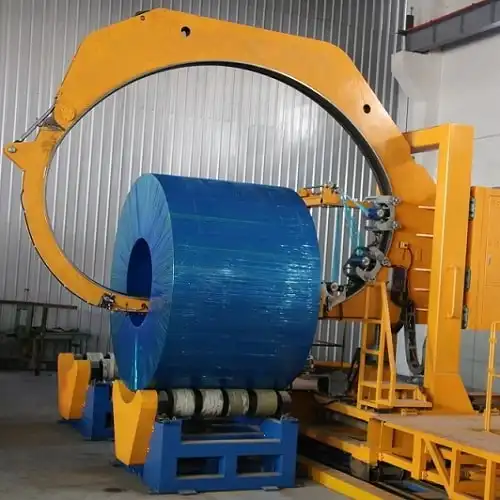
Coil wrapping machines in Australia prevent damage to copper and aluminum by providing a tight, consistent, and protective layer of film or stretch wrap. This shield protects coils from impacts, dust, moisture, and abrasion during handling, storage, and transport, significantly reducing product loss.
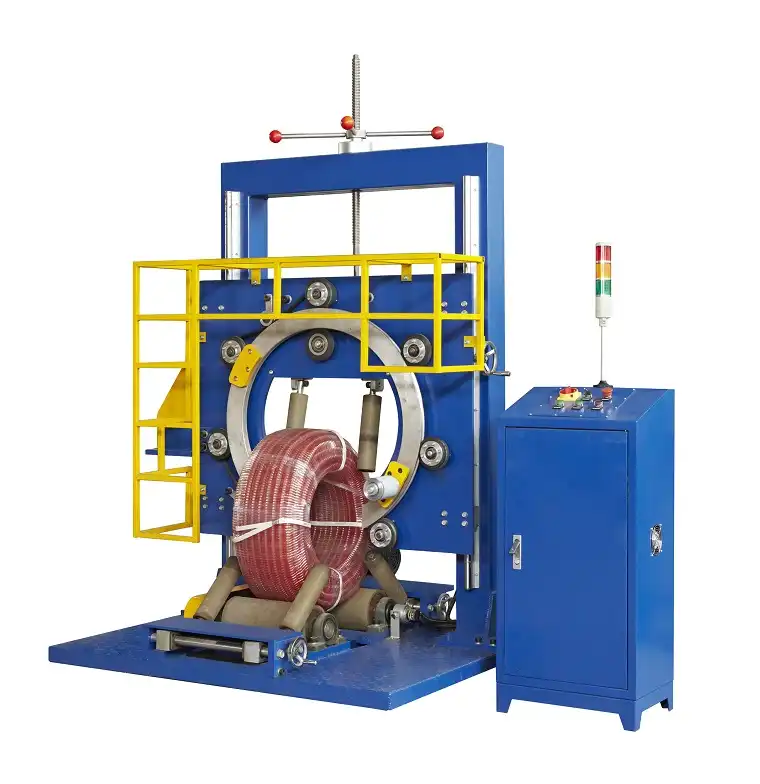
You have likely seen these problems firsthand. The good news is that there are proven solutions available. Understanding how these solutions work can transform your operations. Let’s explore the challenges and how modern packing technology can help.
1. Why do Australian manufacturers struggle with damaged copper and aluminum coils?
Are you consistently battling with damaged coils? It is a frustrating issue. Many factories in Australia lose money because of preventable damage to valuable copper and aluminum products. This can make meeting production targets and keeping customers happy very difficult.
Australian manufacturers often face damaged copper and aluminum coils due to harsh handling practices, inadequate traditional packaging methods, and exposure to environmental factors like dust and moisture during transit and storage.
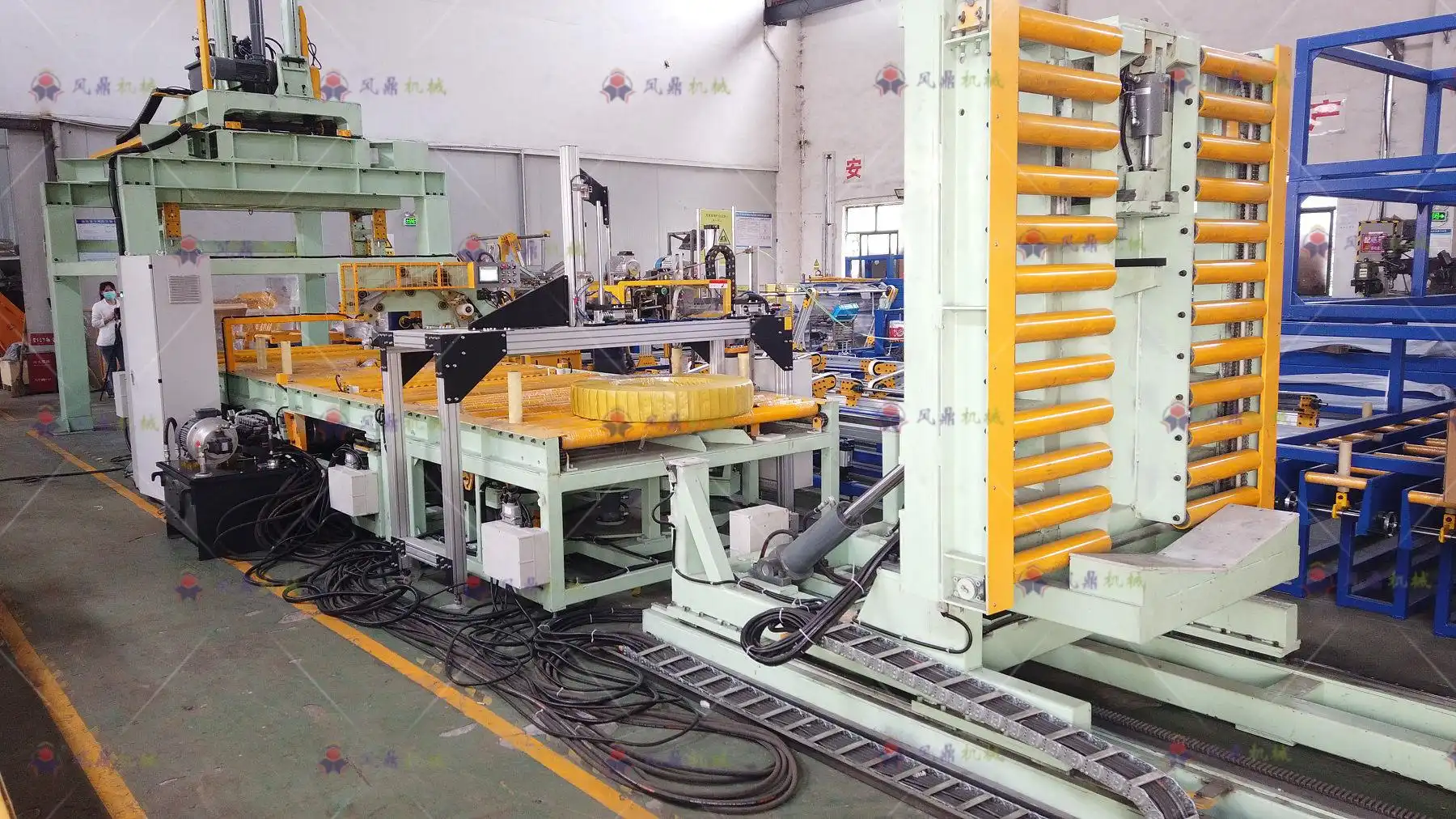
When I started my journey in the packing machine industry, I quickly saw how much damage cost businesses. It was not just the material itself. It was also the lost time and customer trust. Many factors contribute to this problem, especially with delicate materials like copper and aluminum. Understanding these factors is the first step toward finding a solution.
The Hidden Costs of Damaged Coils 📉
Damaged coils mean more than just throwing away a product. They lead to a chain of expensive problems.
- Material Loss: This is the most obvious cost. Scratched or dented coils cannot be sold at full price. Sometimes, they cannot be sold at all. This directly reduces your revenue.
- Rework and Scrap: Damaged parts often need rework, which uses more labor and time. If they are too damaged, they become scrap. This wastes both materials and energy.
- Logistics Delays: Dealing with damaged goods slows down your entire supply chain. It delays deliveries. This impacts your reputation with clients.
- Customer Dissatisfaction: When customers receive damaged products, they become unhappy. This can lead to lost future orders. It also hurts your brand image.
- Increased Insurance Claims: More damage means more claims. This can push up your insurance premiums over time.
Manual Handling: A Risky Business ⚠️
Many factories still rely on manual methods for packing and moving coils. This creates significant risks.
- Impact Damage: Heavy coils are hard to handle. When workers move them manually, they can easily drop them. They can also bump them against other objects. These impacts cause dents and scratches.
- Edge Deformation: Copper and aluminum coils have delicate edges. Manual handling, especially with improper tools, can bend or deform these edges. This makes the coil unusable for some applications.
- Worker Safety: Manually lifting and moving heavy coils is dangerous for employees. It leads to back injuries and other accidents. This increases your insurance costs and worker turnover. Michael, a factory manager, knows this well. He faces constant pressure to reduce workplace accidents and improve safety. Automated systems drastically reduce this risk.
Environmental Threats to Metal Integrity 🌧️
Coils are often exposed to harsh elements during storage and transport. This is especially true in a country like Australia, which has varied climates.
- Moisture and Rust: Even small amounts of moisture can lead to corrosion on metal surfaces, particularly with less protected coils. Copper and aluminum can also degrade when exposed to constant humidity.
- Dust and Dirt: Factory environments are often dusty. Fine particles can get trapped in coil layers. These particles can cause surface abrasion. They can also contaminate the product.
- UV Exposure: Sunlight can degrade some packing materials over time. This makes the coils inside less protected.
- Abrasion: During transport, coils can rub against each other or against the vehicle’s interior. This constant friction causes surface wear and scratches. Effective packaging must create a barrier against this. (I will replace this later with a specific story about a client in Perth who struggled with rust due to poor packing during coastal transport.)
These factors show why simply “wrapping” a coil is not enough. You need a solution that protects against all these threats effectively. This is where specialized coil wrapping machines come in.
2. How do coil wrapping machines specifically protect delicate materials like copper and aluminum?
Do you worry about the delicate surfaces of your copper and aluminum coils? Traditional packing methods often do not offer enough protection. Are you ready for a solution that genuinely safeguards your valuable materials?
Coil wrapping machines protect delicate copper and aluminum by applying multi-layered, tensioned wrap that creates a secure, impact-resistant barrier. This prevents surface scratches, edge deformation, and environmental corrosion during the entire logistics chain, from the factory floor to the customer.
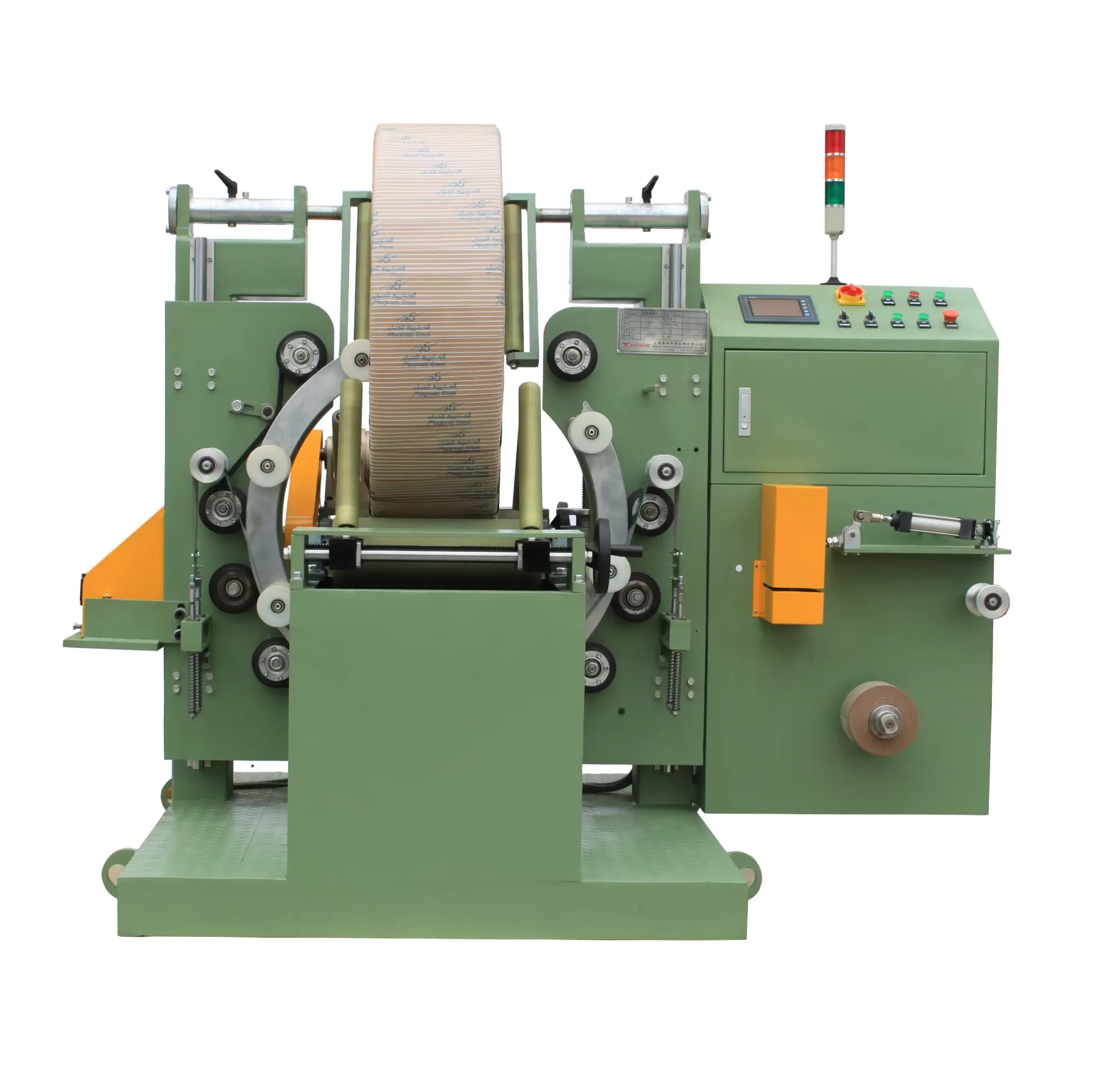
I have seen firsthand how much difference a proper wrapping machine makes. When I was building my own factory, I knew packaging quality was non-negotiable. It is not just about covering the coil. It is about creating an engineering solution. This solution uses advanced techniques to ensure maximum protection for delicate metals.
Precision Wrapping for Maximum Protection ✨
Coil wrapping machines are designed to apply wrapping materials with incredible precision and consistency. This is crucial for delicate copper and aluminum.
- Consistent Tension: The machine maintains a steady, optimal tension on the wrapping material. This ensures the film or paper conforms tightly to the coil’s shape. It leaves no loose spots where damage could occur. This snug fit also prevents the wrap from unraveling during transport.
- Overlap Control: Automated systems allow for precise control over the overlap of each wrapping layer. This creates a continuous, robust barrier. It ensures there are no gaps for dust or moisture to enter.
- Full Surface Coverage: Unlike manual methods, machines guarantee complete coverage of the coil’s entire surface, including its delicate edges. This comprehensive protection is vital for materials prone to scratching or edge damage.
- Layered Defense: Many machines can apply multiple layers of different materials. This builds a strong, multi-faceted defense. For example, a soft inner layer can protect the surface. A tougher outer layer can guard against impacts.
Material Science in Packaging 🧪
The choice of wrapping material is just as important as the wrapping process itself. Coil wrapping machines can use various specialized films and papers.
- Stretch Film: This material offers excellent elasticity and puncture resistance. It creates a tight, water-resistant seal around the coil. It also absorbs minor impacts.
- VCI (Volatile Corrosion Inhibitor) Paper: For metals prone to corrosion, VCI paper is a game-changer. It releases special chemicals that prevent rust and oxidation. This is especially important for long-term storage or shipment in humid environments.
- Polyethylene Film: This film provides a good barrier against moisture and dust. It is also durable and cost-effective for many applications.
- Woven Fabric: For extremely heavy-duty protection against tears and punctures, some machines can use woven fabrics. This is often seen for very large or sharp-edged coils.
Using the right material, applied correctly by a machine, creates a superior protective package. (I will replace this later with a specific story about how switching to VCI film for a client’s copper coils dramatically reduced returns from overseas customers.)
Automated Consistency vs. Manual Variability ⚙️
The biggest advantage of a machine over manual wrapping is consistency. Humans, even skilled ones, cannot match the precision of a machine.
| Feature | Manual Wrapping | Machine Wrapping |
|---|---|---|
| Tension Control | Inconsistent, varies by worker | Precise, computer-controlled |
| Overlap Uniformity | Irregular, prone to gaps | Consistent, exact overlap |
| Speed | Slow, labor-intensive | Fast, continuous |
| Material Usage | Often wasteful, inconsistent | Optimized, less waste |
| Protection Level | Varies, prone to weak spots | High, uniform, reliable |
| Worker Safety | High risk of injury | Very low risk, automated |
This table clearly shows that automated wrapping offers a superior and more reliable protective solution. It ensures every coil gets the same high level of care. This reduces product damage and enhances customer satisfaction.
3. Beyond damage reduction, what operational benefits do Australian factories gain from modern coil wrapping?
Is your factory facing constant pressure to improve efficiency and reduce costs? Reducing damage is a big win. But what if your packing solution could do much more? Can it transform your entire operation?
Modern coil wrapping machines provide Australian factories significant operational benefits beyond damage reduction. These include enhanced safety, increased throughput, reduced labor costs, and improved material handling efficiency across the entire production line.
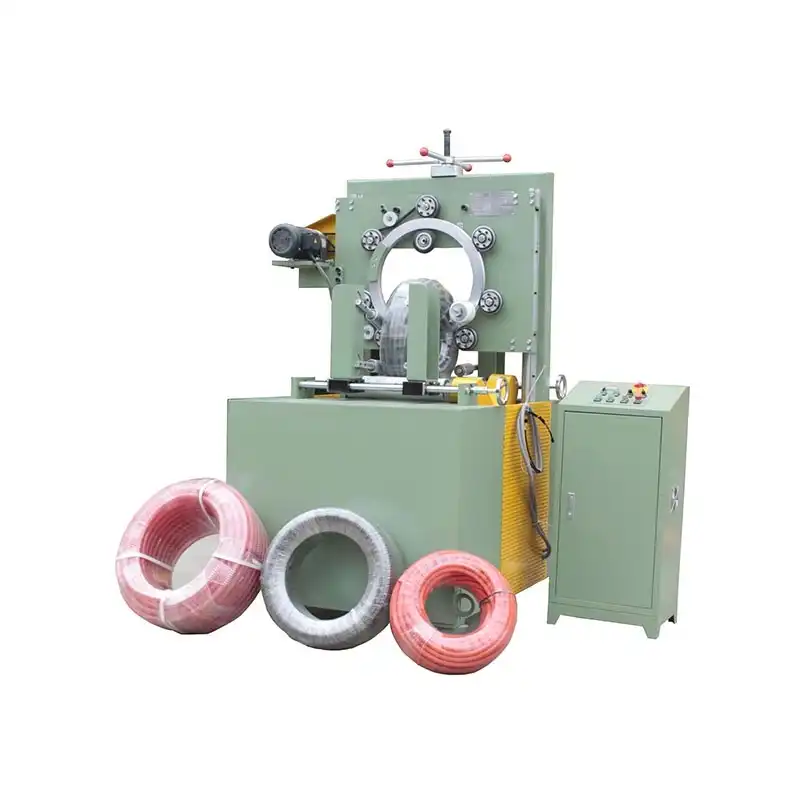
I have helped many clients grow their businesses by optimizing their packing processes. It is not just about buying a machine. It is about investing in a system that delivers a strong return on investment (ROI). Michael, as a factory manager, needs solutions that directly impact his P&L statement. Automated coil wrapping offers many such benefits.
Boosting Production Throughput 🚀
Manual packing is often a bottleneck in the production process. Automated coil wrapping machines dramatically speed up this crucial step.
- Faster Wrapping Cycles: Machines can wrap coils much faster than humans. This means more coils can be processed per hour or day. This directly increases your factory’s output.
- Reduced Bottlenecks: The packing area often slows down the entire line. Automating this step removes that bottleneck. It allows other upstream processes to run at their maximum capacity.
- Consistent Speed: Machines work without getting tired. They maintain a steady wrapping speed throughout the entire shift. This leads to predictable production schedules. This helps with better planning and delivery commitments.
Consider a factory that previously took 10 minutes to manually wrap a coil. A machine can do it in 2 minutes. This is a massive increase in efficiency over an 8-hour shift.
Elevating Workplace Safety 🛡️
Michael mentioned safety as a major concern. Manual handling of heavy coils is dangerous. Automated coil wrapping machines eliminate most of these risks.
- Reduced Manual Lifting: Workers no longer need to manually lift or manipulate heavy coils. The machine does the heavy work. This prevents back injuries, sprains, and other common workplace accidents.
- Fewer Repetitive Strain Injuries: Repetitive motions involved in manual wrapping can lead to musculoskeletal disorders. Automation removes these repetitive tasks from workers.
- Safer Work Environment: Less human interaction with moving heavy parts means a safer overall workspace. This can reduce insurance premiums and improve employee morale. Happy and safe employees are more productive. (I will replace this later with a specific story about a client who saw a significant drop in worker compensation claims after installing an automated packing line.)
Significant Cost Savings Over Time 💰
While there is an initial investment, automated coil wrapping machines deliver substantial cost savings. These savings accumulate rapidly.
- Lower Labor Costs: One machine operator can manage multiple machines or supervise the automated process. This reduces the need for several manual laborers in the packing area.
- Reduced Product Damage: As discussed, preventing damage saves money on material loss, rework, and customer returns. This is a direct saving.
- Optimized Material Usage: Machines apply wrapping material precisely. They avoid the overuse or waste that often happens with manual wrapping. This means you buy less film or paper over time.
- Faster Delivery Times: Increased throughput means you can fulfill orders more quickly. This improves customer satisfaction. It also helps with cash flow. It opens doors for more business opportunities.
These benefits combine to offer a compelling return on investment. The initial cost of the machine pays for itself through these long-term savings and increased productivity.
4. What should Australian businesses look for in a reliable coil wrapping machine partner?
Have you dealt with equipment suppliers who just want to make a sale? This can leave you feeling abandoned when problems arise. Finding the right partner is crucial for long-term success, especially in a demanding industry.
Australian businesses should seek a coil wrapping machine partner offering proven machine reliability, comprehensive after-sales support, deep industry expertise, and a commitment to understanding specific operational challenges, ensuring long-term success and peace of mind.
My own journey, from a factory employee to establishing a successful packing machine factory, taught me invaluable lessons. I saw what worked and what did not. I also understood the frustrations of dealing with unsupportive suppliers. When I founded FHOPEPACK, my goal was to be different. I wanted to be a true partner, not just a seller.
Beyond the Machine: The Value of Expertise 🧠
A machine is only as good as the knowledge behind it. A true partner brings deep industry understanding.
- Problem Identification: A good partner will not just sell you a machine. They will first listen to your challenges. They will ask questions about your current production bottlenecks, safety concerns, and efficiency issues. They need to understand your unique situation. Michael’s factory has specific issues with steel and heavy manufacturing. A partner must understand this context.
- Tailored Solutions: Every factory is different. A reliable partner offers solutions that fit your specific needs, not just a one-size-fits-all product. This might involve customizing a machine or recommending specific wrapping materials.
- Process Optimization: An expert can help you integrate the new wrapping machine smoothly into your existing production line. They can advise on upstream and downstream processes to maximize overall efficiency. This means looking at your entire workflow.
- Proven Track Record: Look for a partner with a history of success in your industry. This shows they understand the demands and specific requirements of packing heavy-duty materials like copper and aluminum. My experience founding and running a packing machine factory gives me this unique perspective.
Service and Support: Your Long-Term Safety Net 🔧
A machine needs ongoing support to perform at its best. This is where many suppliers fall short.
- Installation and Training: The partner should provide professional installation services. They should also offer comprehensive training for your operators and maintenance staff. This ensures your team can use and care for the machine effectively.
- Availability of Spare Parts: Downtime is costly. A reliable partner ensures that spare parts are readily available. This helps minimize any potential interruptions to your production.
- Technical Support: When issues arise, you need quick access to technical help. Look for a partner who offers responsive support, whether it is remote assistance or on-site visits.
- Warranty and Maintenance: A strong warranty and clear maintenance guidelines show a supplier’s confidence in their product. They also show their commitment to your machine’s longevity.
Customization for Australian Conditions 🇦🇺
Australia has unique environmental and regulatory conditions. Your packing solution must account for these.
- Durability for Harsh Environments: Machines operating in Australian factories, particularly in heavy industries, need to be robust. They must withstand dust, temperature variations, and continuous operation. A good partner offers machines built for these tough conditions.
- Compliance with Local Standards: Ensure the equipment complies with all Australian safety and operational standards. A knowledgeable partner will guide you through this.
- Understanding Local Logistics: The partner should understand the logistics challenges within Australia. This includes long transport distances and varied climatic zones. Their solutions should consider how products will be handled throughout the entire supply chain.
Choosing the right partner means choosing peace of mind. It means knowing that you have an expert on your side. This expert will help you overcome challenges and achieve your business goals.
Conclusion
Automated col wrapping machine solutions offer Australian factories a powerful way to significantly reduce damage to copper and aluminum, boost operational efficiency, and enhance workplace safety. Investing in the right technology and partner ensures lasting success.








