
How coil wrapping machine ensures moisture protection in Australia shipments?
Getting your valuable coils from the factory floor to a client in Australia can feel like a high-stakes journey. You worry about every bump, every splash, and especially about moisture. Imagine a batch of perfectly manufactured steel coils arriving at their destination, only to be rejected because rust has marred their surfaces. This is a common and costly nightmare many factory managers face.
A coil wrapping machine ensures moisture protection for Australia shipments by creating a secure, multi-layered barrier around the coil. It uses stretch film or other specialized materials to tightly enclose the product, preventing water, humidity, and condensation from reaching the metal surface during long transit times, across varied climates, and through different handling stages.
This challenge of protecting products during long-distance shipping, particularly to diverse climates like Australia’s, is something I know well from my years in the packing machine industry. It is not just about moving goods; it is about preserving their value. Let’s look deeper into how the right packing solution can turn this challenge into a competitive advantage for your business.
1. Why is moisture such a threat to your coil shipments heading to Australia?
Have you ever considered the true cost of rust on your valuable coil products? Shipping industrial coils, whether they are steel, copper, or aluminum, to a distant market like Australia brings unique challenges. The journey often involves long ocean voyages, exposure to changing temperatures and humidity levels, and time spent in port storage. All these factors create a perfect storm for moisture damage. This damage is not just cosmetic; it deeply affects the quality and functionality of the material.
Moisture is a significant threat to coil shipments heading to Australia because it leads to rust, corrosion, and surface degradation. This damage occurs due to humidity fluctuations, condensation during temperature changes, and potential exposure to saltwater or rain during transit, ultimately resulting in financial losses and diminished customer trust.

From my experience helping factories grow, I have seen how easily unprotected coils can suffer. A factory manager like Michael Chen, who oversees the entire operation from raw materials to shipping, understands that even a small amount of damage can lead to huge problems. It can mean rejected shipments, expensive reprocessing, and a damaged reputation. This is why understanding the specific risks is the first step toward effective protection.
The silent destroyers: how moisture attacks your coils
Moisture does not always come in the form of a visible downpour. It often works in more subtle, yet equally destructive ways.
-
Condensation during temperature swings: When coils move from a warm climate to a colder one, or vice versa, temperature differences between the coil surface and the surrounding air can cause moisture to condense. This is like a cold drink glass sweating on a hot day. Inside a shipping container, this condensation can form on the metal, leading to rust. This is a common issue when shipping through diverse climate zones on the way to Australia.
-
High humidity environments: Australia itself has regions with high humidity. If coils are stored in such an environment, even briefly, without proper protection, moisture in the air can slowly penetrate the packaging or reach exposed surfaces. This accelerates corrosion.
-
Saltwater exposure during ocean transit: Shipping by sea carries the risk of exposure to saltwater spray. Even if containers are well-sealed, a tiny breach or insufficient protection can allow salt-laden moisture to reach the coils. Salt significantly speeds up the corrosion process, making it much more aggressive than freshwater exposure.
-
Rain and splashes during handling: During loading, unloading, or transfer between different modes of transport, coils can be exposed to rain or puddles. Manual processes increase this risk. Each exposure, even brief, can compromise the coil’s integrity if not adequately protected.
-
Packaging material failure: Sometimes, the problem is not a lack of packaging, but rather the wrong type or quality of packaging. Thin, non-waterproof materials, or loosely wrapped coils, offer little real defense against moisture. They might look protected, but they are not. Michael’s concern about product loss during internal transfer is very real. If the internal packaging cannot handle small impacts or moisture, external shipping will only worsen the problem.
The impact of these moisture attacks extends far beyond just aesthetics. It compromises the material’s structural integrity and can lead to costly rejections, claims, and lost business opportunities. This is why investing in the right protection is not an expense, but an essential part of quality control and customer satisfaction.
2. How does a coil wrapping machine create an unbeatable moisture barrier?
Many factory managers question whether a machine can truly offer superior protection compared to manual methods. They often wonder how a coil wrapping machine, specifically, creates a barrier strong enough to withstand ocean voyages and varied climates. The answer lies in its precise application, specialized materials, and consistent performance. This combination results in a hermetic, multi-layered seal that human hands simply cannot replicate with the same consistency and speed.
A coil wrapping machine creates an unbeatable moisture barrier by tightly applying multiple layers of stretch film or other waterproof materials around the entire circumference and sides of the coil. It ensures consistent tension and overlap, eliminating gaps and creating a seamless, protective cocoon that repels water, blocks humidity, and prevents condensation buildup during transit.
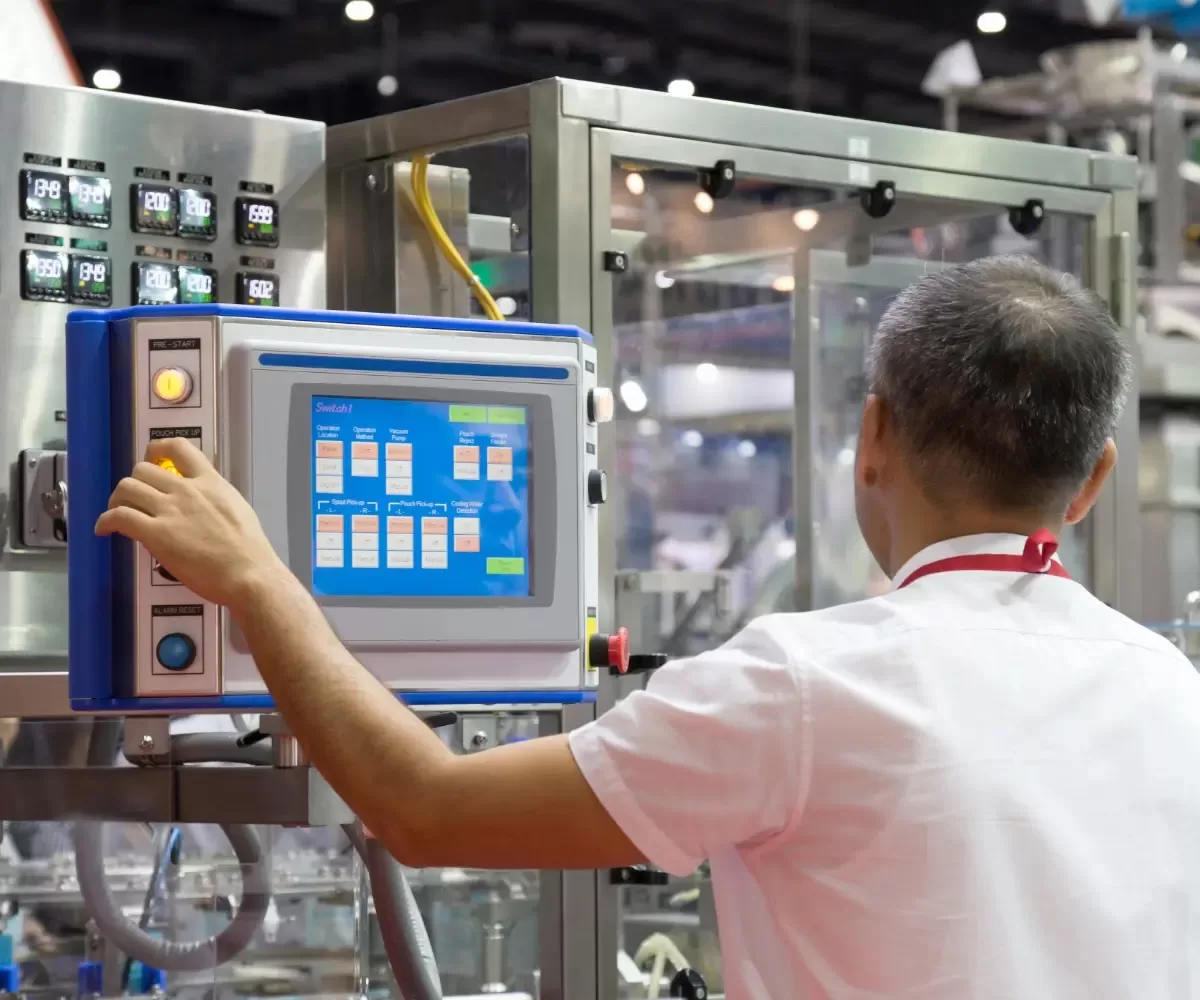
I have spent years perfecting packing solutions, and I know that the right machine is about more than just speed. It is about precision and reliability. When you are shipping to Australia, where conditions can change dramatically, you need a solution that performs flawlessly every single time. This consistency is where automated coil wrapping machines truly shine, transforming product protection from a variable human task into a dependable mechanical process.
The mechanics behind a moisture-proof seal
Understanding the technology helps to appreciate its effectiveness.
-
Precise film application: Unlike manual wrapping, which can be inconsistent, a coil wrapping machine uses a rotating arm or turntable to apply film evenly around the coil. This ensures complete coverage, with no missed spots or weak points where moisture could enter. The machine maintains constant tension on the film, pulling it tight against the coil surface. This tight wrap minimizes air pockets where condensation might form.
-
Multi-layer overlapping: The machine applies several layers of film, each overlapping the previous one. This creates a redundant barrier. If one layer is scratched or slightly compromised, the layers underneath still offer protection. The overlap ensures that seams are sealed and watertight, much like shingles on a roof. This multi-layer approach is crucial for long journeys and harsh conditions.
-
Specialized film materials: Coil wrapping machines can use various types of films, including:
- Stretch film: This is a common choice. It clings tightly, providing good basic protection.
- VCI (Volatile Corrosion Inhibitor) film: This film releases chemical compounds that form a protective layer on the metal surface, actively preventing rust. It works even if some moisture penetrates the outer layers.
- Waterproof films: Some films are specifically designed with enhanced water-repellent properties.
- UV-resistant films: For coils stored outdoors, these films protect against sun damage, which can weaken standard films. The choice of film depends on the specific product, shipping route, and client requirements. A good machine is flexible enough to handle these different materials.
-
Edge protection and internal packaging integration: Many machines can integrate with other packaging components. For example, they can apply edge protectors before wrapping, guarding against impact damage that could expose the coil to moisture. They can also work in conjunction with internal desiccant bags, which absorb moisture inside the packaging. This holistic approach ensures comprehensive protection, not just from surface moisture but from internal humidity as well. This helps address Michael’s challenge of product damage.
-
Consistency and repeatability: The biggest advantage is consistency. Every coil is wrapped with the same tension, the same number of layers, and the same precision. This eliminates human error, which is a common cause of packing failures in manual operations. This consistency translates directly into reliable moisture protection, shipment after shipment.
By combining these elements, a coil wrapping machine creates a robust, reliable, and scientifically sound defense against moisture. This ensures that your coils arrive in Australia in the same pristine condition they left your factory.
3. Can automated coil wrapping machines truly transform your factory’s efficiency and safety?
For many factory managers, the initial thought of investing in an automated coil wrapping machine often centers on production speed. But can these machines really deliver more than just faster wrapping? Can they address deeper operational issues like safety risks, product damage, and overall efficiency, which are critical for someone like Michael Chen? I firmly believe they can, and my experience building successful packing factories has shown me that the impact goes far beyond just one part of the production line.
Automated coil wrapping machines truly transform factory efficiency and safety by drastically reducing manual labor, speeding up packaging throughput, and minimizing the risk of worker injuries from heavy lifting. They also lower product damage during handling and transit, leading to significant cost savings and improved operational flow across the entire facility.
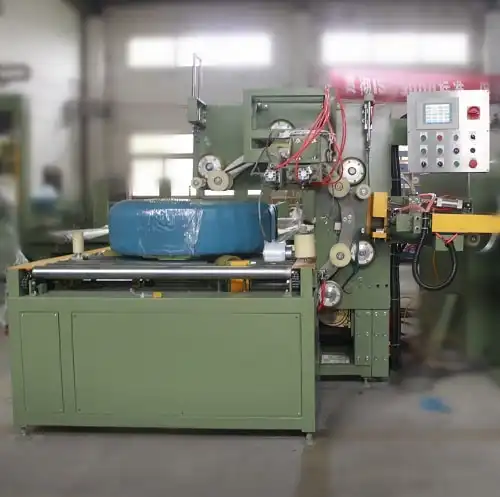
I have seen firsthand how moving from manual packing to automated solutions not only streamlines the end-of-line process but also creates a safer, more productive work environment. For someone like Michael, who grapples with labor-intensive processes and high injury risks, this shift is not just an upgrade; it is a fundamental change in how the factory operates and achieves its goals.
Beyond wrapping: The ripple effect of automation
Automated coil wrapping machines bring several benefits that ripple throughout the factory.
-
Dramatic increase in packaging speed:
- Manual wrapping is slow and variable. An experienced worker might take many minutes to wrap a single large coil, and breaks, fatigue, or other tasks can interrupt this.
- Automated machines can wrap coils in a fraction of the time, often in less than a minute. This directly addresses efficiency bottlenecks at the end of the production line, allowing products to move out faster.
- This increased speed means higher throughput, which supports overall production targets and faster order fulfillment. This is vital for factories aiming to scale their output.
-
Enhanced worker safety:
- Michael highlighted safety as a major concern. Manually handling and wrapping heavy, often awkwardly shaped coils presents significant risks of back injuries, strains, and crush accidents.
- Automation removes workers from direct contact with the heavy coils during the wrapping process. The machine does the heavy lifting and rotating.
- This drastically reduces workplace injuries, leading to lower insurance costs, fewer lost workdays, and improved employee morale. It also helps with employee retention by creating a safer work environment.
-
Significant reduction in labor costs:
- By automating the wrapping process, fewer workers are needed for this specific task. Those workers can then be redeployed to other areas of the factory where human skill is indispensable.
- The long-term savings on wages, benefits, and injury-related costs add up quickly. This contributes to a much healthier bottom line and a stronger return on investment (ROI) for the equipment. This directly addresses Michael’s goal of cost reduction.
-
Minimized product damage and claims:
- Consistent machine wrapping reduces the chances of damage during packaging itself. No more scuffs from uneven handling or tears in the film from hurried manual work.
- The superior moisture protection, as discussed earlier, prevents rust and corrosion.
- Less damage means fewer customer complaints, fewer returned goods, and ultimately, better customer satisfaction. This strengthens business relationships and protects profits. Michael’s experience with product loss due to internal transfer and packing emphasizes this point.
-
Optimized use of materials:
- Machines apply film with optimal tension and overlap, ensuring no material is wasted. Manual wrapping can sometimes use excessive film due to inconsistency or fear of under-wrapping.
- This precise material usage means less waste and lower material costs over time.
Investing in an automated coil wrapping machine is not just about buying a piece of equipment. It is about implementing a strategic solution that addresses multiple operational pain points, boosts the factory’s performance, and creates a safer, more profitable future.
4. What should you look for in a coil wrapping partner for lasting peace of mind?
When considering a major investment like an automated coil wrapping machine, the machine itself is only part of the equation. Michael Chen’s past experiences with suppliers who prioritized sales over service highlight a crucial point: choosing the right partner is as important as choosing the right equipment. You need a supplier who understands your specific factory environment, your challenges, and your long-term goals. Without that deep understanding, even the best machine can become a source of frustration.
For lasting peace of mind, you should look for a coil wrapping partner who offers proven reliability, deep industry expertise, comprehensive after-sales support, and a collaborative approach. A partner like FHOPEPACK, with its founder’s firsthand factory experience, truly understands operational challenges and provides tailored, sustainable solutions, ensuring your investment delivers consistent value.

From my journey, first as an employee, then as a factory owner, I learned that a machine is only as good as the support behind it. My mission with FHOPEPACK is to share knowledge and build true partnerships. This means providing not just cutting-edge machines but also the insights and support that ensure those machines genuinely solve your problems and contribute to your success, just as they did for my clients.
Beyond the machine: What makes a true partner?
Here are the key aspects to consider when selecting a partner.
-
Deep industry expertise and problem-solving ability:
- A good partner does not just sell machines; they understand your industry. They should be able to listen to your specific challenges, such as Michael’s efficiency bottlenecks or safety concerns, and suggest solutions that truly fit.
- Look for a partner who has experience with your specific products (e.g., different types of coils) and understands the nuances of your supply chain, especially for international shipments to places like Australia.
- My own journey, from packing machine employee to factory owner, gave me a unique perspective on real-world factory challenges. I know what it takes to make a factory run smoothly and profitably. This firsthand experience allows FHOPEPACK to offer insights that purely sales-focused companies cannot.
-
Proven equipment reliability and durability:
- The machine must be built to last in demanding industrial environments. Michael values durable equipment that can withstand high-intensity work.
- Ask about the quality of components, manufacturing standards, and testimonials from other clients. Reliability means less downtime, lower maintenance costs, and consistent performance. This directly impacts your ROI.
-
Comprehensive after-sales service and support:
- This is critical for lasting peace of mind. What happens if the machine breaks down?
- Look for partners who offer installation support, thorough training for your operators, readily available spare parts, and responsive technical support.
- A reliable service team ensures that any issues are resolved quickly, minimizing costly interruptions to your production line. This builds trust and shows a long-term commitment.
-
Customization and integration capabilities:
- Your factory’s needs are unique. Can the supplier customize the machine to fit your specific coil sizes, production line layout, or desired automation level?
- Can their machine integrate seamlessly with your existing conveyor systems, ERP, or other factory automation? This ensures a smooth workflow and maximizes efficiency gains.
-
Commitment to ROI and long-term value:
- A good partner helps you understand the return on your investment. They should be able to provide clear data on how their solution will save you money (labor, material, reduced damage) and increase profitability.
- Their goal should be your long-term success, not just a one-time sale. This aligns perfectly with Randal’s mission to help others succeed in the field by sharing expertise. They are an expert you can collaborate with.
- This partnership approach helps address Michael’s goal of seeking professional guidance and ensuring his investment truly drives business growth.
Choosing a coil wrapping machine is a strategic decision. By choosing the right partner, you invest not just in a machine, but in expertise, reliability, and a relationship that supports your factory’s success for years to come.
Conclusion
Investing in a coil wrapping machine protects your shipments to Australia from moisture, boosts factory efficiency, and enhances worker safety. Choose a partner with expertise and strong support for lasting peace of mind.








