
How coil wrapping machine ensures dust and moisture protection in Hungary mills?
Do you run a steel mill or a metal processing plant in Hungary? Are you constantly battling against dust, moisture, and potential product damage on your valuable steel coils? The unseen enemies of quality and profit often come in the form of environmental factors, silently eroding your hard work. You probably know the frustration of a perfectly produced coil arriving at the customer with surface imperfections, leading to costly rejections and damaged reputation.
Coil wrapping machines provide a robust solution for mills in Hungary by creating a tightly sealed, multi-layered protective barrier around steel coils. This barrier effectively repels dust, blocks moisture ingress, and prevents oxidation, ensuring that coils maintain their pristine condition from the factory floor to the final destination, even in challenging industrial environments.

As someone who has spent decades in the packing machine industry, from an employee to a factory owner, I understand these challenges deeply. I have seen how the right packing solution can transform a business. Let us explore exactly how modern coil wrapping technology can safeguard your production and boost your bottom line in Hungary.
1. What challenges do Hungarian mills face with dust and moisture on their coils?
Are you tired of seeing your meticulously crafted steel coils lose their value due to environmental exposure? Imagine the moment a customer opens a shipment, only to find rust spots or dusty surfaces on what should be a premium product. This is a common pain point for many mills in Hungary, where varying climates and industrial environments present constant threats.
Hungarian mills frequently contend with high humidity, seasonal rains, and airborne dust particles common in industrial zones, all of which pose significant risks to unprotected steel coils, leading to surface corrosion, discoloration, and quality degradation.

The Silent Threat to Coil Quality in Hungary
I have seen first-hand how dust and moisture can undermine even the most advanced manufacturing processes. Steel, especially in its finished coil form, is highly susceptible to environmental damage. In Hungary, mills often operate in areas that can expose products to a range of contaminants. This constant exposure creates significant challenges for maintaining product quality and meeting customer expectations. Understanding these specific threats is the first step toward implementing effective protective measures. Airborne dust, metal particles, and industrial pollutants settle on coil surfaces. These particles can embed themselves, causing aesthetic and functional defects. Moisture, whether from high humidity, condensation, or direct contact with water, reacts with the steel. This reaction leads to oxidation, which we commonly call rust. Rust not only damages the appearance but also compromises the structural integrity and performance of the steel. When rust forms, it can make the coil unusable for specific applications, especially those requiring high surface finish or precise dimensions.
-
Environmental Factors:
- 🌧️ High Humidity & Rain: Hungary experiences significant rainfall and humidity, especially in certain seasons. Unprotected coils can easily absorb moisture from the air or through direct exposure.
- 💨 Industrial Dust: Mills are inherently dusty environments. Metal fines, grinding dust, and general particulate matter float in the air. These particles settle on coil surfaces, potentially causing abrasions or acting as catalysts for corrosion when moisture is present.
- ❄️ Temperature Fluctuations: Rapid temperature changes can cause condensation on coil surfaces. This moisture, even in small amounts, can initiate corrosive processes.
-
Impact on Product & Business:
- 📉 Product Degradation: Rust, stains, and dirt reduce the aesthetic appeal and market value of the coils.
- 💸 Financial Losses: Damaged coils often lead to rejection by customers, resulting in financial losses from rework, scrap, or discounted sales.
- 😟 Customer Dissatisfaction: Delivering compromised products damages your reputation and erodes customer trust. This can lead to lost future business opportunities.
- ⏳ Increased Processing Time: Cleaning or salvaging slightly damaged coils adds extra time and labor to your operations, further impacting efficiency.
Protecting coils from these elements is not just about preserving the steel. It is about protecting your business’s reputation and profitability. My own journey in the packing industry taught me that anticipating these issues and acting proactively is far more cost-effective than dealing with the aftermath.
2. How does manual coil packing fall short in protecting coils from contaminants?
Are you still relying on manual methods to pack your valuable coils? Are your workers struggling with heavy lifting and inconsistent wrapping, leaving your products vulnerable? The truth is, manual packing often creates more problems than it solves, especially when it comes to safeguarding coils from dust and moisture.
Manual coil packing is often inconsistent, labor-intensive, and prone to human error, which results in inadequate sealing and leaves coils exposed to dust, moisture, and potential damage during storage and transit, ultimately failing to provide reliable protection.

The Hidden Costs of Manual Packing Methods
I have walked through countless factories, and I often see dedicated workers trying their best with manual packing. They lift heavy materials, wrap by hand, and try to achieve a tight seal. However, no matter how skilled they are, manual processes have fundamental limitations that make them ineffective for serious dust and moisture protection. When I first started my factory, I quickly realized that manual methods, while seemingly cheaper upfront, carried huge hidden costs in terms of product damage, safety risks, and lost efficiency.
-
Inconsistent Protection:
- Uneven Wrapping: It is nearly impossible to maintain consistent tension and overlap when wrapping coils by hand. This leads to gaps, loose spots, and uneven coverage. These imperfections become entry points for dust and moisture.
- Poor Sealing: Achieving a truly airtight or watertight seal manually is challenging. Any small opening allows contaminants to seep in over time, especially during long-term storage or transit.
- Material Wastage: Manual processes often use more packing material than necessary. Workers may overwrap to compensate for inconsistencies, leading to higher material costs without guaranteed protection.
-
Efficiency & Safety Issues:
- Slow Production: Manual wrapping is a slow process. It creates bottlenecks in the production line, slowing down overall output and delivery times. In today’s fast-paced market, this delay can be very costly.
- High Labor Costs: Relying on a large workforce for packing significantly increases operational expenses. These costs add up over time, impacting your profitability.
- Worker Safety Risks: Handling large, heavy coils manually for wrapping poses serious safety hazards. Workers face risks of strains, sprains, and more severe injuries, leading to increased insurance costs and potential worker absenteeism. I have personally seen accidents that could have been avoided with automation.
- Fatigue and Human Error: Repetitive and physically demanding tasks lead to worker fatigue. This fatigue increases the likelihood of errors, further compromising the quality of the packing and the safety of operations.
-
Consequences for Mills:
- Increased Product Damage: Without consistent and effective protection, coils are more likely to suffer from rust, dust accumulation, and other forms of damage.
- Higher Operational Costs: The combination of labor costs, material waste, and product rejections significantly inflates your operational expenses.
- Reduced Competitiveness: Slow processing and product damage can make it harder to meet customer demands and compete effectively in the market.
Manual packing, while traditional, is simply not equipped to meet the demands of modern industrial environments in Hungary. It falls short in providing the consistent, high-quality protection that valuable steel coils require.
3. What makes modern coil wrapping machines effective against dust and moisture?
Are you wondering what makes an automated coil wrapping machine a game-changer for protecting your products? Is it just about speed, or is there more to its protective capabilities? The answer lies in precision engineering and advanced material handling, which work together to create an impenetrable shield.
Modern coil wrapping machines utilize automated, consistent tensioning and overlapping of stretch film or specialized wrapping materials to form a tight, uniform, and multi-layered barrier around coils, effectively sealing them from airborne dust and preventing moisture penetration.

The Engineering Behind Superior Protection
When I founded FHOPEPACK, my vision was to share the knowledge that comes from years of hands-on experience in packing machine design and manufacturing. Modern coil wrapping machines are a perfect example of how thoughtful engineering solves real-world problems. They are designed to address the specific vulnerabilities of steel coils to dust and moisture, offering a level of protection that manual methods simply cannot match. The key is their ability to apply wrapping material with consistent tension and overlap, creating a robust and uniform barrier.
-
Precision Wrapping Mechanisms:
- Consistent Tension Control: Machines use advanced tensioning systems to apply wrapping material uniformly around the coil. This ensures a tight, wrinkle-free, and consistent barrier, leaving no loose spots or gaps for contaminants to exploit.
- Adjustable Overlap: Operators can program the desired overlap percentage for each layer of wrapping. This creates a multi-layered shield, where each subsequent layer reinforces the protection, making it virtually impossible for dust or moisture to penetrate.
- Edge Protection: Many machines come with features to ensure that coil edges, which are particularly vulnerable to damage and moisture ingress, receive extra layers of protection. This is crucial for preventing edge-related rust and impacts.
-
Advanced Wrapping Materials:
- Stretch Film: High-quality stretch film is inherently moisture-resistant and creates a tight seal that clings to the coil’s surface. Its elasticity allows for excellent containment and protection against punctures.
- VCI (Volatile Corrosion Inhibitor) Films: For even greater protection against corrosion, especially during long-term storage or shipment in humid environments like parts of Hungary, VCI films can be used. These films release vaporized chemicals that form a protective layer on the metal surface, actively preventing rust.
- Woven Fabric: For heavy-duty protection against physical damage and abrasive dust, sometimes a layer of woven fabric is also applied by the machine. This adds an extra layer of durability.
-
Automated Operation & Integration:
- Sealing and Cutting: Machines automatically cut and seal the wrapping material at the end of the cycle, ensuring a complete and secure package. This eliminates the inconsistencies of manual cutting and taping.
- Controlled Environment: By automating the wrapping process, human contact with the coil is minimized. This reduces the transfer of oils, dirt, or moisture from hands to the coil surface.
- Integration into Production Lines: These machines can be seamlessly integrated into existing production lines. This means coils move directly from the production stage to the wrapping stage without manual handling or unnecessary exposure time. My experience has shown that such integration dramatically improves overall efficiency and consistency.
Modern coil wrapping machines are more than just automated wrappers. They are sophisticated systems designed to provide comprehensive, consistent, and reliable protection against the environmental challenges faced by mills, including those in Hungary. This proactive approach significantly reduces product damage and enhances customer satisfaction.
4. How does investing in a coil wrapping machine benefit Hungarian mills beyond protection?
Are you looking at an investment in a coil wrapping machine purely as a cost? What if I told you it is actually a strategic move that delivers significant returns far beyond simply protecting your products? For Hungarian mills, this technology can unlock a cascade of benefits, transforming your operations and competitive standing.
Beyond providing superior dust and moisture protection, investing in a coil wrapping machine offers Hungarian mills substantial benefits including reduced labor costs, enhanced worker safety, minimized product loss, and improved operational efficiency, leading to a strong return on investment and increased profitability.
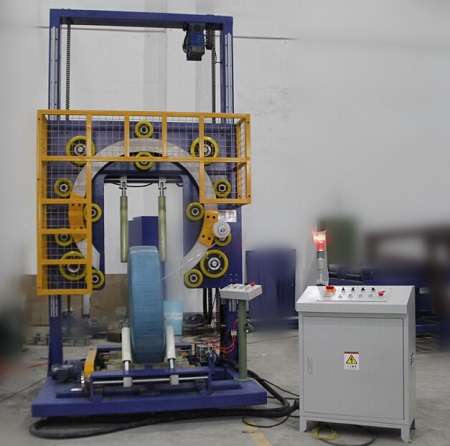
Unlocking Greater Value for Your Business
When I started my first packing machine factory, I was focused on building reliable machines. But over time, I realized that the true value of our solutions came from the comprehensive impact they had on our clients’ businesses. It wasn’t just about wrapping; it was about transforming their entire operational landscape. For mills in Hungary, adopting automated coil wrapping is not just an expense. It is a strategic investment that pays dividends across multiple areas of the business. It addresses critical operational pain points, such as high labor costs and safety concerns, which I know many factory managers, like Michael Chen, face daily.
-
Economic Benefits:
- 💰 Reduced Labor Costs: A single coil wrapping machine can often replace several manual laborers. This significantly reduces your payroll expenses, freeing up your workforce for more value-added tasks.
- 📉 Minimized Product Loss: By providing consistent and reliable protection against damage, dust, and moisture, the machine drastically reduces the number of rejected or compromised coils. This directly translates to less scrap and more sellable product.
- ♻️ Optimized Material Usage: Automated systems apply wrapping material with precision, eliminating the over-wrapping and wastage common in manual processes. This leads to savings on packing material costs.
- 📈 Improved ROI (Return on Investment): The combination of reduced labor, material savings, and minimized product loss means that the machine often pays for itself surprisingly quickly. I have helped many clients calculate their ROI, and the numbers are compelling. For example, a mill processing 50 coils a day, saving 2 workers and reducing product damage by 5%, could see an ROI in less than two years.
-
Operational & Safety Improvements:
- 🚀 Increased Throughput: Machines wrap coils much faster than manual methods, eliminating packing bottlenecks and speeding up your overall production line. This allows you to meet tighter deadlines and increase output.
- 🛡️ Enhanced Worker Safety: Automated systems handle the heavy lifting and repetitive movements associated with coil wrapping. This drastically reduces the risk of workplace injuries (strains, crushed limbs, etc.) for your employees. A safer workplace means fewer accidents, lower insurance premiums, and a happier workforce. This was a huge win for my own factory’s team morale.
- ⏰ Consistent Quality: The machine ensures that every coil is wrapped to the same high standard, every time. This consistency enhances your brand reputation and reduces customer complaints related to packaging quality.
- ⚙️ Streamlined Operations: Integrating a coil wrapping machine often leads to a more organized and efficient packing area. This structured approach helps in better inventory management and faster dispatch.
Investing in a coil wrapping machine is a holistic solution that not only protects your products but also optimizes your operational efficiency, enhances safety, and ultimately drives greater profitability for your mill in Hungary. It moves your business from reactive problem-solving to proactive value creation.
My insight: Choosing the right partner for your mill’s packing future?
Are you overwhelmed by the choices of suppliers and worried about making the wrong decision for such a critical investment? Have you had bad experiences with vendors who disappeared after the sale? Picking the right coil wrapping machine is important, but choosing the right partner is even more so.
Selecting a reliable partner for your coil wrapping machine investment goes beyond the equipment itself; it requires a supplier with deep industry expertise, proven after-sales support, and a commitment to understanding your unique operational challenges to ensure long-term success and optimal performance.
Building a Partnership, Not Just a Purchase
My journey in the packing machine industry taught me that a machine is only as good as the support behind it. When I established my own factory, I knew the importance of not just selling equipment, but building lasting relationships. For a factory manager like Michael Chen, who values reliability and expert insight, choosing a partner means finding someone who truly understands the challenges of a busy metal processing plant. You need more than a vendor; you need a collaborator who can provide guidance, troubleshoot issues, and ensure your investment truly delivers.
-
Key Considerations for Partnership:
- 🤝 Industry Experience & Expertise: Does the supplier truly understand the nuances of coil packing for the steel industry? Look for a partner with a deep background, like FHOPEPACK, founded by someone who has built factories and faced the same challenges you do. This ensures they can offer tailored solutions, not just generic machines.
- 🛠️ Robust After-Sales Support: A machine is a long-term asset. What happens when you need spare parts or technical assistance? A reliable partner offers readily available support, training for your staff, and prompt service to minimize downtime. This was a critical lesson I learned in my early days – good support keeps production running smoothly.
- 📐 Customization Capabilities: Every mill has unique layouts, coil sizes, and operational requirements. Can the supplier customize the machine to fit your specific needs, rather than forcing a one-size-fits-all solution? Flexibility in design ensures optimal integration and performance.
- 🧑🏫 Knowledge Sharing & Guidance: Beyond selling, does the partner offer valuable insights and knowledge? A true expert helps you understand best practices, optimize your workflow, and plan for future expansions. This proactive guidance is invaluable for continuous improvement.
- ✅ Proven Track Record & References: Look for suppliers with a strong history of successful installations and satisfied clients. Ask for case studies or references, especially from mills with similar operations to yours in regions like Hungary.
-
My Personal Philosophy:
- I founded FHOPEPACK because I believe in sharing knowledge and helping others succeed. My goal is to empower factory managers with the right solutions and the right understanding. My own journey, from employee to factory owner and achieving financial independence through this industry, instilled in me a deep gratitude and a desire to give back. I understand the pressures of managing a factory, boosting output, and controlling costs. That is why I am committed to offering insights that extend beyond just the machine itself. I believe in helping clients navigate their production bottlenecks, safety concerns, and efficiency challenges with professional, reliable solutions.
Choosing your packing machine partner is a strategic decision that will impact your mill’s efficiency, profitability, and peace of mind for years to come. Do not just buy a machine; invest in a partnership that will help your business thrive.
Conclusion
Investing in a col wrapping machine protects your coils from dust and moisture in Hungary, boosts efficiency, improves safety, and maximizes your mill’s profitability.








