
How Can You Justify Buying a Mold Upender to Your Finance Department?
Struggling to get budget approval for essential equipment? Manual mold handling is slow, dangerous, and potentially costly, yet finance scrutinizes every capital expenditure. You know a mold upender improves safety and efficiency, but how do you convince the number crunchers? This guide provides the framework.
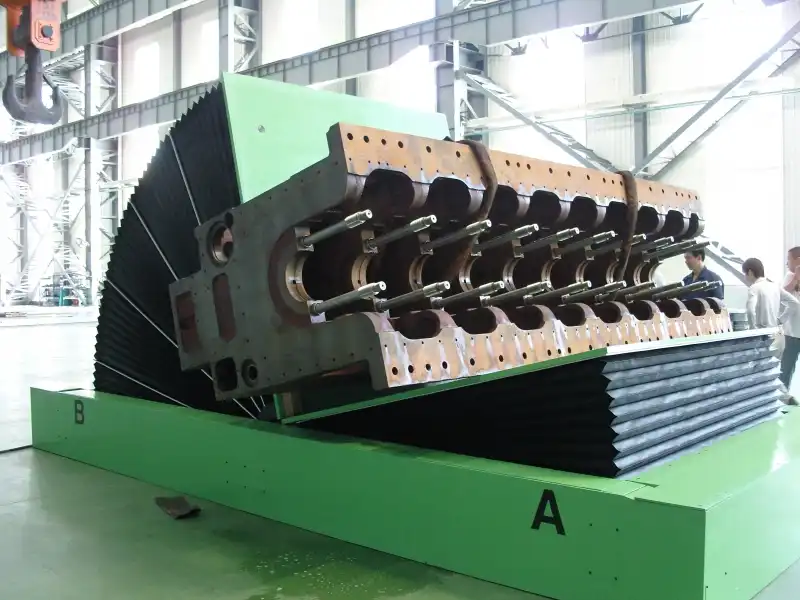
Justify buying a mold upender by presenting a compelling business case focusing on Return on Investment (ROI) and Cost-Benefit Analysis (CBA). Quantify safety improvements (reduced injury costs), efficiency gains (faster changeovers, less downtime), and potential damage reduction to molds. Frame it as a strategic investment, not just an expense, demonstrating clear financial payback and operational advantages that align with company goals and overcome the initial cost hurdle.
Convincing your finance department requires more than just stating the operational need; it demands a data-driven justification presented in terms they understand – dollars and sense. Moving forward, we’ll dissect how to build this financial argument step-by-step, turning your equipment request into an irresistible investment proposal.
Building Your Business Case: Beyond the Basics
Securing capital for equipment like a mold upender can feel like navigating a maze blindfolded. Your operations team sees the clear benefits, but the finance department requires a robust business case. It’s not enough to say it’s needed; you must demonstrate why it’s a sound financial decision for the company.
Building a robust business case involves clearly defining the problem the mold upender solves (e.g., safety hazards from manual flipping, inefficiencies in changeover times) and aligning the solution with strategic business objectives like improved safety metrics, increased production uptime, or reduced operational expenditures. It requires meticulous identification and quantification of both the initial investment costs (purchase price, installation, operator training) and the projected benefits (tangible savings like reduced labor and damage, intangible improvements like enhanced worker safety and morale). This structured approach transforms a simple equipment request into a strategic investment proposal backed by verifiable data, significantly boosting its chances of receiving financial approval.
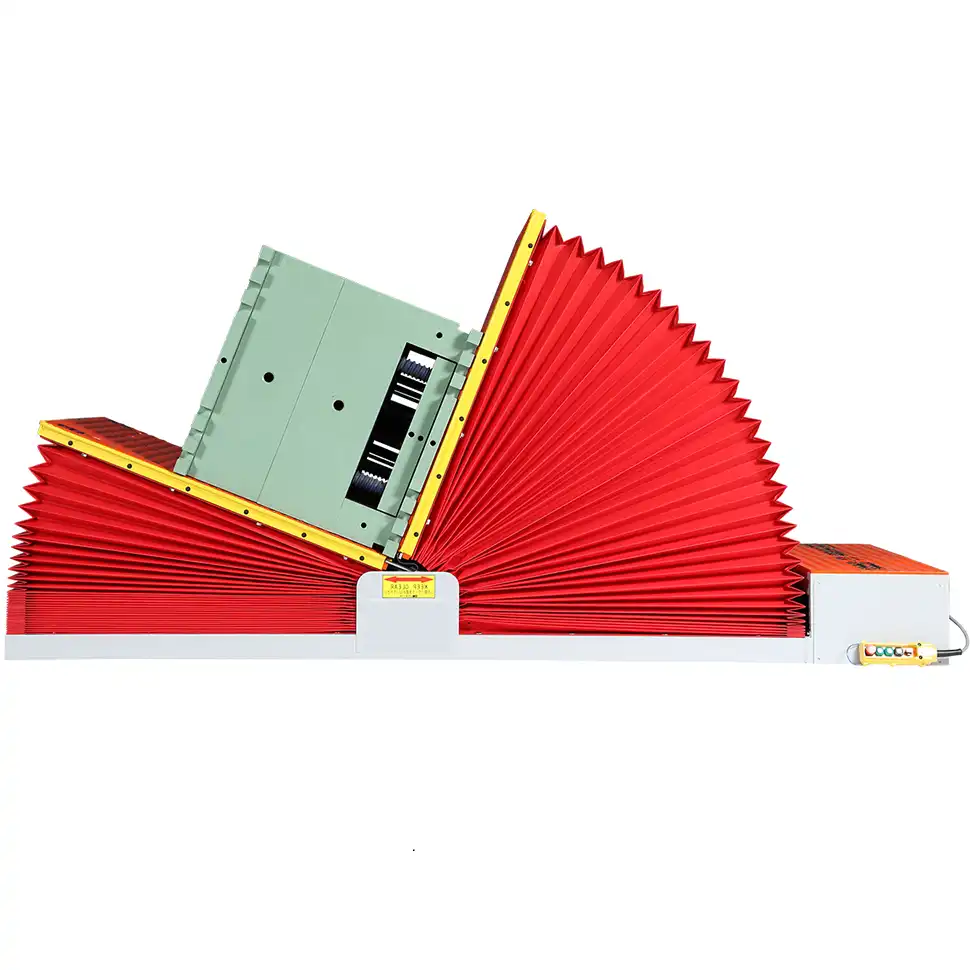
Identifying Costs vs. Benefits: The Core Analysis
The foundation of your justification lies in a thorough Cost-Benefit Analysis (CBA). This isn’t just about the sticker price; it encompasses all financial implications over the asset’s lifecycle. Finance needs to see a clear picture of what the company spends versus what it gains.
Understanding the Costs:
Be comprehensive when listing costs. Overlooking items can undermine your credibility.
- Direct Costs:
- Purchase Price: The quoted cost from the vendor.
- Installation & Commissioning: Costs associated with site preparation (e.g., floor reinforcement, electrical work), delivery, setup, and testing.
- Initial Training: Ensuring operators and maintenance staff can use and care for the equipment safely and effectively.
- Indirect Costs (Ongoing):
- Maintenance: Scheduled preventative maintenance, potential repairs, spare parts inventory.
- Operating Costs: Energy consumption, consumables (lubricants, etc.).
- Potential Downtime: While the goal is to reduce downtime, factor in scheduled maintenance periods.
- Intangible Costs (Consider if applicable):
- Disruption during Installation: Minor productivity impacts during the setup phase.








