
How Can You Achieve Consistent, Tight Packaging on Every Door Panel?
Are you tired of inconsistent packaging? Do your door panels arrive damaged, leading to customer complaints and lost profits? Many factories struggle with slow, manual packing methods. These old ways cause bottlenecks, safety risks, and products that just do not look professional. It is a problem that costs you money and time every single day.
You can achieve consistent, tight packaging on every door panel by using advanced, automated wrapping machines. These systems apply precise film tension and ensure full coverage. They eliminate the guesswork and variability of hand wrapping. This makes sure each panel gets the same high level of protection.

If you are looking for real solutions to these packaging problems, you are in the right place. Let me share some insights based on my years in the packing machine industry. We will look at how modern technology can change your factory operations.
Why Do Manual Packaging Methods Still Cost You So Much?
Are your workers spending too much time wrapping large items like door panels by hand? Do you worry about them getting hurt while lifting and moving heavy products? Many factory managers, just like Michael Chen in Mexico, see these problems every day. Manual packaging is slow. It takes many people. It also puts your team at risk.
Manual packaging methods cost you so much because they are inefficient, unsafe, and lead to product damage. Workers spend a lot of time on each piece. This slows down your whole production line. The physical demands also increase the risk of injuries. This raises your insurance costs and employee turnover.
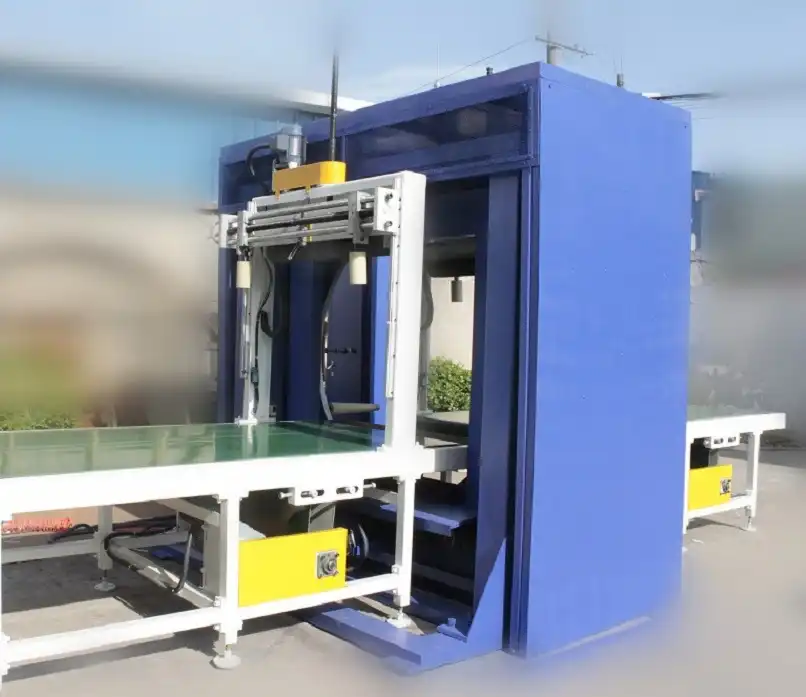
Manual packaging is a big barrier for factories that want to grow. I have seen this many times. When I worked in factories and later built my own, manual steps were always the biggest headaches. For heavy items like door panels or metal coils, the challenges are even bigger.
High Labor Costs and Low Efficiency
Think about how many people you need to wrap door panels by hand. Each panel needs someone to position it, wrap it, and often secure it. This process is very slow. It also means you pay more for labor. Your factory runs into a bottleneck at the end of the line. This slows down everything. If Michael’s factory is processing steel coils or heavy metal parts, manual wrapping for door panels will definitely be a choke point. He needs to speed up his overall production and delivery. Manual work just cannot keep up with high demand.
Serious Safety Hazards
Manual handling of heavy items is dangerous. Workers can strain their backs. They can drop heavy panels on their feet. There are many risks for injuries. I remember one time early in my career, we had a worker injure his back just trying to lift a heavy, awkward part for packaging. It caused downtime and a lot of pain. This is a common problem. High injury rates mean higher insurance premiums. They also mean you lose skilled workers. For managers like Michael, reducing these risks is a top priority. He wants solutions that make his workplace safer. Automated systems remove the need for people to lift and move heavy panels.
Inconsistent Quality and Product Damage
When people wrap by hand, the quality can change. Some wraps might be loose. Some might not cover all sides well. This leads to problems like product damage during transport. Door panel edges can get scratched or bent. This means customers complain. It also means you lose money on damaged goods. Manual processes increase product loss.
To fix these problems, many factories are now looking at automation.
| Feature | Manual Packaging | Automated Packaging System |
|---|---|---|
| Efficiency | Slow, labor-intensive | Fast, high throughput |
| Labor Cost | High | Low (reduced labor needs) |
| Safety | High risk of injury | Very low risk |
| Consistency | Varies by worker | Consistent, repeatable |
| Product Damage | High due to handling and poor wrap | Low due to secure wrapping |
| Space Use | Needs flexible space for workers | Compact machine footprint |
Moving to automated systems directly addresses these issues. It means your factory can work faster, safer, and produce a higher quality product.
How Can Automated Solutions Guarantee Product Safety and Quality?
Are you losing money because your products get damaged during internal transfers or shipping? Do customer complaints about product condition keep coming in? Factories often struggle with maintaining product integrity, especially with delicate items like door panels. These issues cost a lot in rework and lost sales.
Automated solutions guarantee product safety and quality by providing consistent, precise wrapping and handling. Machines apply the exact right amount of tension and overlap. They create a protective barrier around the product. This protects edges and surfaces from impacts, scratches, and dust during moving and shipping.
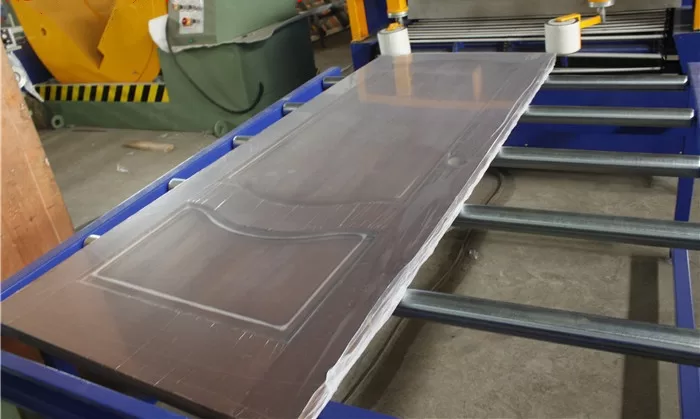
Product integrity is key for any factory. If your products arrive damaged, it hurts your reputation and your bottom line. Michael Chen mentioned that his factory suffers from product damage during internal transfer and packing. This leads to customer complaints and profit loss. I understand this problem well. In my experience, even small scratches can mean big losses.
Consistent Wrapping Tension and Coverage
Automated wrapping machines are designed for precision. They use advanced controls to apply a consistent film tension. This means every door panel gets wrapped with the same tightness. The film overlaps evenly, covering all surfaces and edges. This forms a strong, protective layer. Unlike human hands, a machine does not get tired. It does not vary its pull. This consistency is vital for preventing damage. For example, a horizontal orbital stretch wrapper can wrap a door panel as it moves through the machine. It puts film around the entire length and width. This keeps corners and edges safe.
Reduced Manual Handling and Impact Damage
One main way products get damaged is during manual handling. Workers might bump panels. They might drop them. Every time a heavy door panel is moved by hand, there is a risk. Automated systems reduce or remove this human touch. A machine can load, wrap, and offload products with very little human help. This means fewer chances for bumps and drops. It significantly lowers the risk of physical damage to the product. It helps Michael achieve his goal of reducing product loss.
Protection from Environmental Factors
Beyond physical impacts, products need protection from dirt, dust, and moisture. A tight, consistent wrap from an automated machine creates a barrier. This barrier protects the door panels from dust in the factory. It also keeps moisture out during storage or transit. This is especially important for metal products that can rust or for finished surfaces that need to stay clean.
Clear Return on Investment (ROI)
Investing in automated packaging equipment has a clear ROI. You save money by reducing labor costs. You save money by cutting down on damaged goods. There are fewer customer complaints, which means happier clients and stronger business relationships. A system that prevents just a few damaged shipments can quickly pay for itself. Michael needs equipment with a clear ROI. This kind of investment directly impacts his factory’s profitability.
| Aspect | Manual Packaging Quality | Automated Packaging Quality |
|---|---|---|
| Film Tension | Inconsistent | Consistent, precise |
| Coverage | Variable, potential gaps | Full, uniform |
| Damage Risk | High (handling, poor wrap) | Low (minimal handling, secure wrap) |
| Appearance | Less professional | Neat, professional |
| Protection | Basic, inconsistent | Superior, reliable |
| Customer Feedback | More complaints likely | Fewer complaints, higher satisfaction |
Automated packaging is not just about speed. It is about a fundamental shift to better, more reliable product protection. This gives you peace of mind and improves your bottom line.
My Insights
Throughout my journey, from working on the factory floor to building FHOPEPACK, I have seen many problems. I also saw many chances to make things better. My mission with FHOPEPACK is to share what I have learned. It is not just about selling machines. It is about helping you truly understand and solve your biggest factory challenges. Michael Chen mentioned he had issues with past suppliers. They focused on sales but lacked good after-sales service. This is a common story. I believe in partnership.
My main insight is that true success in factory automation comes from a deep understanding of your specific problems. It is not just about buying a machine. It is about finding a partner who can see your production bottlenecks, your safety risks, and your efficiency problems. This partner should offer not just equipment but also professional insights and reliable solutions that fit your unique needs.

When I first started in the packing machine industry, I was an engineer. I saw firsthand what worked and what did not. I also saw how frustrating it was for factory managers when they bought equipment that did not fully solve their problems. Or worse, when the supplier disappeared after the sale. This is why FHOPEPACK focuses on being a knowledge-sharing platform first. I want to give back to the industry that helped me achieve my goals.
Beyond the Machine: Understanding Your Operation
A machine is just a tool. The real value comes from how that tool fits into your entire operation. For Michael, with his 20 years of experience, he knows his factory better than anyone. He faces pressure to increase output and control costs. He needs durable equipment. He needs a partner who understands his production flow. My approach is to listen first. What are your specific products? What are your current pain points? How does packaging fit into your whole production line? For example, if you are wrapping door panels, what are their sizes? How many do you need to pack each day? Are they heavy? Are they fragile? These details guide the best solution.
Solving Problems, Not Just Selling Products
My experience building a successful packing machine factory taught me that long-term relationships are built on trust. Trust comes from solving real problems. If Michael’s factory has issues with manual handling injuries, we need to show how an automated system directly reduces that risk. If he is losing money on damaged steel coil edges, we need a solution that protects those edges. It is not just about selling a door panel wrapping machine. It is about showing him how that machine will boost his safety, lower his costs, and help his business grow. This is what I did for many clients in the past. It helped them grow, and it helped me achieve financial independence. I am grateful for that.
Partnership for Long-Term Growth
A true partner helps you think about the future. What are your goals for automation? Are you planning to expand your product line? Michael wants professional guidance. He wants to ensure his investment truly solves problems and supports business growth. I believe in sharing expertise. This means explaining the pros and cons of different technologies. It means talking about maintenance. It means being available for support long after the sale. My goal is to empower you with knowledge. This way, you make the best decisions for your factory.
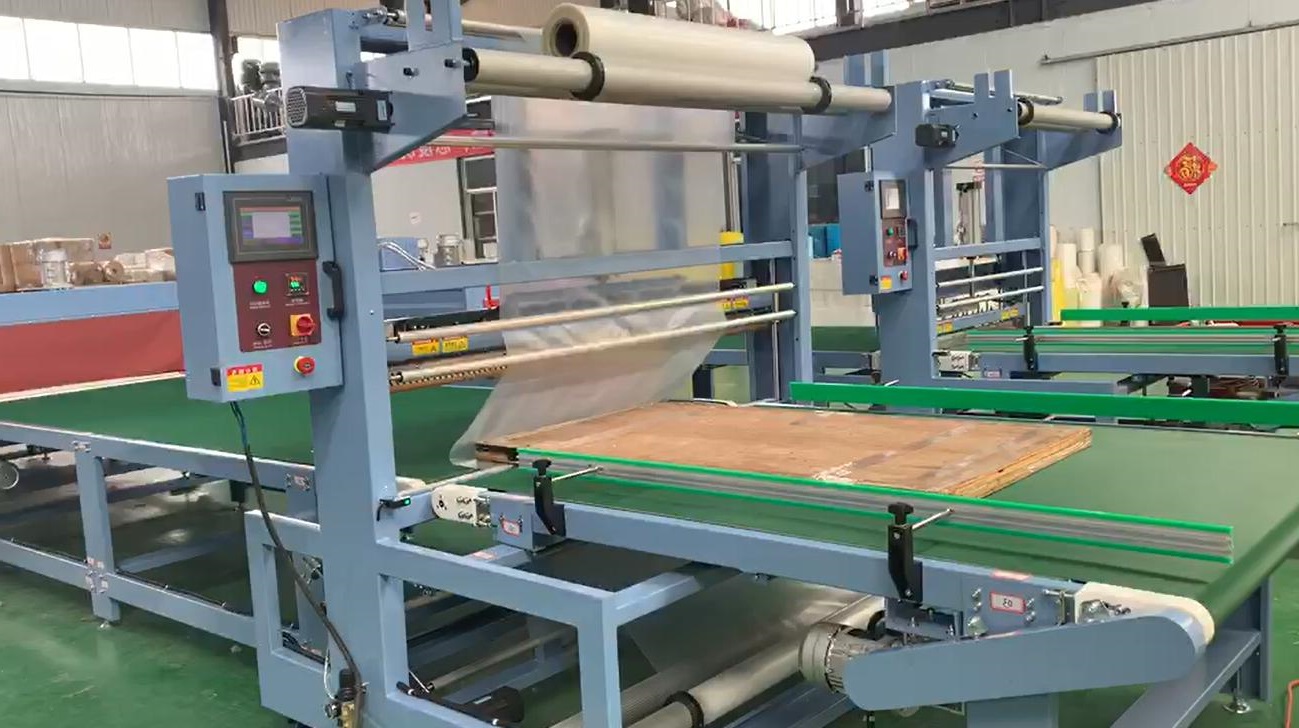
At FHOPEPACK, we are dedicated to making mold knowledge accessible. This dedication extends to packing solutions. We want to help you master your packaging needs. This is about building a safer, more efficient, and more profitable factory.
Conclusion
To achieve consistent, tight door panel packaging, embrace automated solutions. They boost safety, cut costs, and ensure product quality. Partner with experts who understand your factory’s specific needs for lasting success.








