
Can One Door Packing Machine Handle Multiple Door Types? Yes—Here’s How
Managing a busy factory means you face many challenges. You need to keep things moving. You need to meet production targets. You must keep costs low. And you have to keep your workers safe. For many of my clients, packing different types of doors becomes a major headache. They use too much manual labor. This makes things slow. It also puts workers at risk. Product damage happens often. This costs money and upsets customers. If this sounds like your factory, you are not alone.
Yes, a single door packing machine can handle multiple door types. It does this through clever design. It uses adjustable settings and modular parts. This means one machine can wrap doors of different sizes. It can also handle different shapes and weights. This flexibility helps factories like yours. It makes packing faster and safer. It also protects your products better.

You are looking for ways to make your factory run better. You want to solve those bottlenecks at the end of your production line. You also want to protect your team and your products. This article will show you how modern packing machines do just that. We will look at how they improve safety and boost your profits. Keep reading to learn more about these powerful solutions.
Are Manual Processes Slowing Down Your Door Production?
You work hard to speed up production. You want to get products out the door. But then, you reach the packing stage. All that speed can disappear. Manual packing for doors is often slow. It is also inconsistent. Your workers must measure each door. They adjust packaging materials. They wrap by hand. This can create a big bottleneck. It slows down your entire factory. This impacts delivery times. It also lowers your overall output.
Manual door packing is a major bottleneck for many factories. Automated machines quickly adapt to different door sizes and types. They do this with pre-set programs and flexible components. This significantly increases packing speed. It also boosts overall production efficiency. It removes human inconsistencies.
The Problem with Manual Door Packing Speed
Think about your current door packing process. Do you handle many different door types? Maybe you have solid wood doors. You might also have hollow core doors. You could have glass doors. Each type has different sizes. Each has different weights. They also have different levels of fragility. Manual packing means workers must adapt to each new door. They need to change settings by hand. They cut materials to size. This takes a lot of time. Workers can only move so fast. They get tired. Their speed can change throughout the day. This leads to inconsistent packing. Some doors might be wrapped well. Others might not be. This can lead to damage later. This manual work creates a stop-and-go flow. It slows down your whole production line. It is hard to keep a steady pace. This means you cannot predict your output as easily. It also means you might miss delivery deadlines. This affects customer satisfaction. It also impacts your bottom line.
How Automation Boosts Speed for Diverse Doors
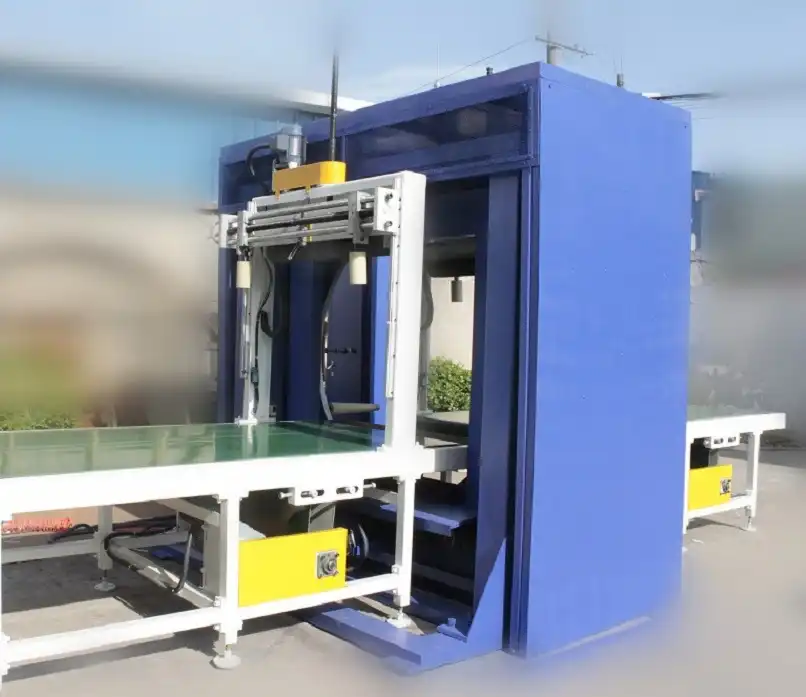
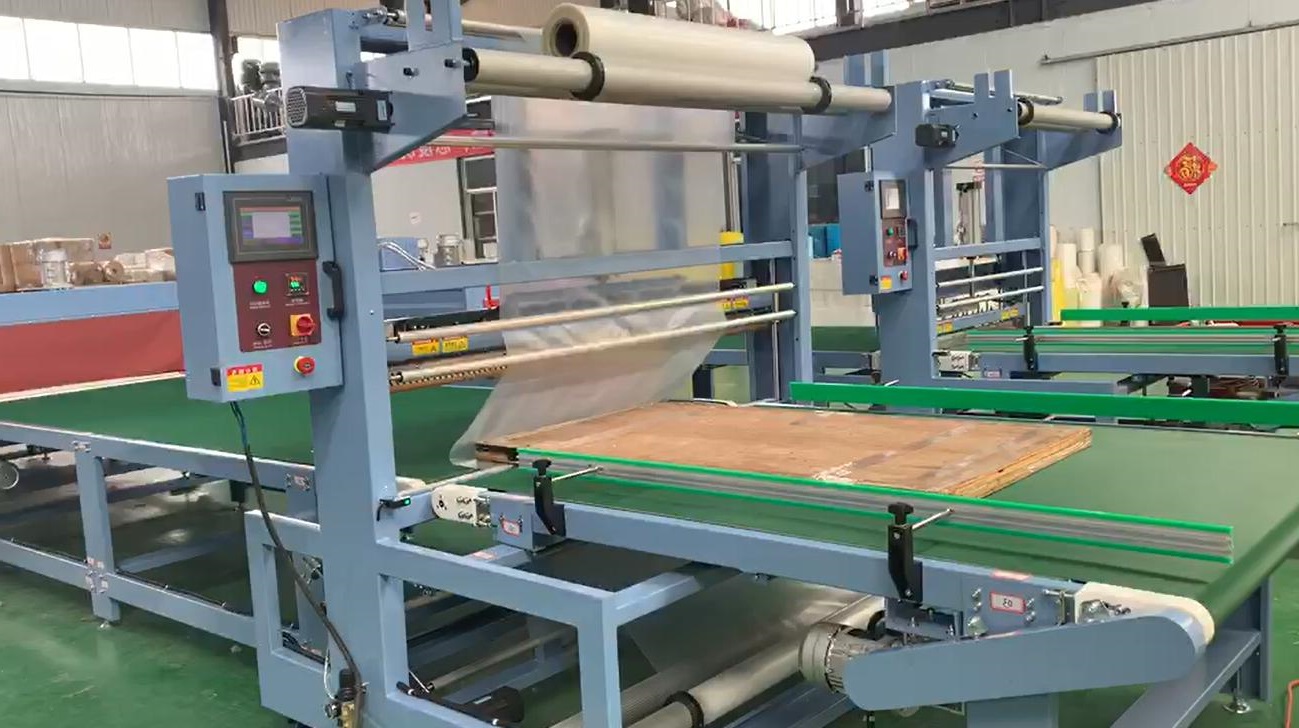
Automated door packing machines solve these speed problems. These machines have advanced features. They use sensor technology. This lets them detect the size of each door. They can adjust their settings automatically. They can change the film length. They can change the wrapping tension. They can also change the wrapping pattern. This happens in seconds. There is no need for manual adjustments. This means a continuous flow of doors. The machine wraps one door. Then it quickly gets ready for the next. This happens even if the next door is a different size. Some machines have modular designs. You can add different wrapping heads. You can add conveying systems. This helps them handle a wide range of door types. They can wrap large doors. They can wrap small doors. They can wrap heavy doors. They can wrap light doors. This high level of automation means more doors get packed per hour. It means consistent wrapping quality. It means a faster overall production line. I have seen many factories struggle with this. Then they put in an automated machine. The difference in speed is huge. It helps them meet their production goals easily. It also helps them grow their business.
| Manual Packing | Automated Packing |
|---|---|
| Slow and inconsistent | Fast and consistent |
| High labor costs | Low labor costs |
| High risk of human error | Low risk of human error |
| Limited daily output | High daily output |
| Hard to scale production | Easy to scale production |
| Inefficient material use | Efficient material use |
Can Automated Packing Improve Worker Safety for Doors?
Your factory has heavy objects. Your workers lift them. They move them. This creates a serious safety risk. Lifting heavy doors by hand is dangerous. It can cause injuries. These injuries lead to high insurance costs. They also lead to lost workdays. Your staff turnover rate might increase. You need a way to protect your team. You want to reduce these risks at the source.
Automated door packing significantly improves worker safety. It removes the need for manual lifting. It also removes the need for handling heavy doors. This greatly reduces injuries. It also cuts down on related costs like insurance and lost work time. Workers can supervise. They do not have to strain their bodies.
Risks of Manual Door Handling in Factories
Think about how your workers move doors now. They lift large, awkward door panels. They might stack them. They might move them onto pallets. This often involves bending and twisting. It involves heavy lifting. This puts a lot of strain on their backs. It also puts strain on their shoulders. Workers can drop doors. This can crush feet or hands. Doors can fall over. This can injure anyone nearby. These types of accidents are common in factories. They lead to worker injuries. Your workers might get muscle strains. They might have slipped discs. They could suffer broken bones. These injuries are painful for your team. They also cost your business a lot of money. You have higher insurance premiums. You pay for medical treatment. You lose productivity because workers are out sick. You also spend time training new staff if workers leave. All of these add up. They create a big drain on your factory’s resources. More important, they affect your team’s morale. Workers worry about getting hurt. This creates a stressful work environment.
How Machines Protect Your Team
Automated door packing machines change this. They take the heavy lifting away from your workers. Doors are loaded onto conveyors. Or they are loaded onto automated feeders. The machine then moves the door through the wrapping process. It wraps the door. It might stack it. It might also discharge it. All this happens without human hands touching the heavy door directly. Workers oversee the process. They operate the machine from a safe distance. They push buttons. They monitor the screen. This means they are not exposed to the risks of lifting or moving heavy loads. They are also not near moving machine parts. Modern machines have safety guards. They have emergency stops. They have sensors. These features ensure worker protection. They reduce the chance of accidents. This leads to a safer workplace. Your insurance costs can go down. Your workers are happier. They are healthier. This means less turnover. It means a more productive team. I have seen how safety improves in factories. This is a big win for everyone.
| Manual Handling Dangers | Automated Solutions for Safety |
|---|---|
| Back strains and injuries | No manual lifting required |
| Crushing hazards | Automated loading/unloading |
| Falling object risks | Secure conveying systems |
| Repetitive motion injuries | Reduced physical strain |
| High insurance claims | Lower injury costs |
| Worker morale issues | Improved workplace safety |
How Can We Prevent Damage to Doors During Packing?
You work hard to make quality doors. They leave your production line in perfect condition. But then, something happens. During internal transport, or during packing, they get scratched. They get dented. Edges get warped. This leads to customer complaints. It leads to product returns. It means lost profit. You need a way to ensure your doors arrive safely. They must be in the same condition they left your line.
Automated door packing prevents product damage. It applies consistent, secure wrapping every time. This protects edges and surfaces. It keeps doors safe during internal handling. It also protects them during shipping. This helps your customers get perfect products. It also saves you money on returns and repairs.

Common Ways Doors Get Damaged in Factories
Doors are often large. They can be heavy. They can also be fragile. They are prone to damage if not handled right. Think about how doors are moved in your factory. Workers might slide them. They might stack them. They might bump them into other objects. This can cause scratches on the surface. It can dent edges. It can chip corners. If the wrapping is not tight enough, the door can shift inside its package. This can lead to rubbing or impact damage. Water or dust can get in if the wrap is not complete. This can ruin the door’s finish. Damage can also happen during loading onto trucks. Or it can happen during transit. The packaging must be strong. It must protect against these forces. When customers receive damaged products, they are unhappy. They might return the door. They might ask for a discount. They might switch to a different supplier. This impacts your reputation. It impacts your bottom line. It creates a lot of extra work for your team.
Automated Solutions for Damage Prevention
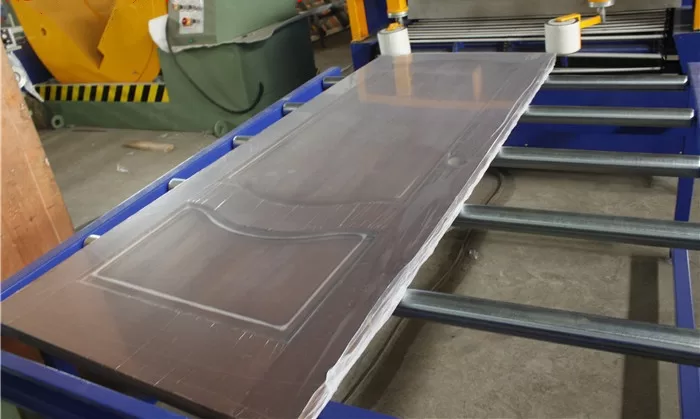
Automated door packing machines are designed to protect your products. They apply a consistent wrap every time. This is key. Manual wrapping often has uneven tension. It has gaps. A machine uses a precise amount of film. It applies consistent tension. This creates a tight, secure package. This keeps the door from shifting inside. Some machines use stretch film. This film wraps tightly around the door. It protects it from dirt, dust, and moisture. Other machines can apply bubble film or foam. This adds a layer of cushioning. It protects surfaces from scratches. It protects edges from impacts. Some systems can even add corner protection. They can also add edge boards automatically. This gives extra strength to vulnerable areas. These machines can handle various door sizes. They wrap each one perfectly. This ensures that every door leaves your factory looking its best. It arrives at the customer’s site in perfect condition. This reduces complaints. It cuts down on returns. It boosts customer satisfaction. This directly protects your profits. It also builds trust in your brand.
Is Investing in New Packing Machines Worth It?
Making a big purchase like a new machine can feel risky. You see the price tag. You wonder if it is truly worth the investment. You need to know that your money will come back to you. You need clear proof. Decision-makers like you need to see a solid return on investment (ROI). You want to be sure this new machine will actually save you money. You want it to help your business grow.
Investing in an automated door packing machine provides a clear return on investment. It significantly cuts down on labor costs. It reduces product damage. It also increases your production throughput. These benefits boost your factory’s overall profitability. They make the initial investment worthwhile.
Understanding the True Cost of Manual Packing
When you look at manual packing, you might only see wages. But there are many other costs involved. These are often hidden. You pay for wages and benefits for your packing team. You pay for overtime when production is high. You also pay for workers’ compensation insurance. This can be high if there are many injuries. You spend money on damaged products. This means materials are wasted. You lose revenue from doors that cannot be sold. You might have to pay for shipping returns. You spend time dealing with customer complaints. Your production line slows down because of packing bottlenecks. This leads to missed deadlines. It can lead to lost sales. All these costs add up over time. They make manual packing much more expensive than it looks on paper. It is a drain on your resources. It limits your ability to scale your business.
Calculating the ROI for Automated Door Packing
An automated door packing machine changes this. It delivers clear financial benefits. First, it greatly reduces your labor costs. One machine can do the work of several people. This means fewer employees are needed for packing. Second, it cuts down on product damage. Less damage means less waste. It means fewer returns. It means happier customers. This saves you money on materials and rework. Third, it increases your throughput. The machine packs doors faster and more consistently. You can produce more doors in the same amount of time. This means more sales and more revenue. Fourth, it reduces your safety-related costs. Fewer injuries mean lower insurance premiums. It means less lost work time. All these savings contribute to a fast return on your investment. Over time, the machine pays for itself. Then, it continues to generate savings and profit for your factory. For example, if you save $X in labor per year and $Y in damage prevention per year, the machine’s cost is recovered quickly. You then see direct profit boosts. This is why many factory managers find these machines a smart investment for long-term growth.
| Cost Category | Manual Packing Impact | Automated Packing Impact |
|---|---|---|
| Labor Costs | High; includes wages, benefits | Low; reduced headcount |
| Product Damage | High; rework, returns, lost sales | Low; consistent protection |
| Production Speed | Slow; bottlenecks | High; consistent, fast output |
| Worker Safety | High risk of injury | Low risk; automated handling |
| Insurance Premiums | Potentially high | Potentially lower |
| Overall Profit | Lower due to inefficiencies | Higher due to cost savings |
My Insights on Future-Proofing Your Packing Line
The packing industry changes constantly. New materials appear. New technologies emerge. Just buying a machine is not enough anymore. You need a long-term plan. You need a partner who understands your business. Without the right support, your investment might not keep up. It might not solve your biggest problems. I offer a unique perspective. I have been in your shoes.
Future-proofing your packing line needs more than just a machine. It requires a deep understanding of industry trends. You need versatile equipment. Most important, you need a trusted partner. This partner must truly understand your factory’s specific needs. They help you build for tomorrow.
More Than Just a Machine: A Partnership
My journey started as an engineer in a packing machine factory. I worked my way up. I learned everything about these machines. Then, I decided to build my own factory. I saw firsthand what works. I saw what does not work. I also saw the challenges factory owners face every day. I know the pressure to produce more. I know the pressure to cut costs. I know the need to keep workers safe. Thanks to this journey, I achieved financial independence. I also helped many of my clients grow their businesses. Now, through FHOPEPACK, I want to give back. I want to share that knowledge. I want to help others succeed. This is why I believe in partnership. It is more than just selling you a machine. It is about understanding your unique factory. It is about finding the right solution for your specific problems. It is about helping you achieve your goals. Michael, you want a partner who truly understands. That is what we offer.
Technical Expertise and Problem Solving
We do not just offer machines. We offer solutions. Our team uses deep technical knowledge. We use years of experience. We look at your packing process. We identify your bottlenecks. We find your safety risks. We see where product damage happens. Then, we suggest the best machine for your needs. We do not try to sell you the most expensive one. We sell you the right one. This is because we understand your challenges. We have faced them ourselves.
Tailored Solutions, Not Just Products
Every factory is different. Your doors might be unique. Your space might be limited. Your budget might be strict. We listen to your specific requirements. We can customize machines. We can adapt them to fit your existing line. We ensure the solution truly works for your operation. It is not a one-size-fits-all approach. It is about making sure your investment brings real value. This tailored approach helps you optimize your operations. It sets you up for long-term success.
Ongoing Support and Industry Knowledge
The world of packing is always changing. We stay updated on new technologies. We know about new materials. We share this knowledge with our partners. We offer strong after-sales support. We help with installation. We help with training. We provide maintenance advice. We are here for the long haul. This means your machine keeps running smoothly. It keeps delivering benefits for years to come. This kind of partnership builds trust. It ensures your packing line is ready for tomorrow’s challenges. It helps you keep growing.
Conclusion
One door packing machine can handle many door types. It boosts safety, improves efficiency, and prevents damage. This delivers a strong ROI. Partnering with FHOPEPACK offers deep expertise and tailored solutions for your factory.








