

How can pallet inverter increase efficiency in electronics assembly and packaging?
The electronics industry moves fast. Companies face constant pressure to produce more, deliver quicker, and keep costs low. For many, outdated material handling methods become a major bottleneck. Manual pallet transfers are slow, risky, and lead to damaged goods. This not only slows down production but also impacts your bottom line.
Pallet inverters increase efficiency in electronics by automating the transfer of goods between different pallet types, removing damaged pallets, and reorienting products for specific assembly or packaging needs. This speeds up material flow, reduces manual labor, and minimizes product damage.
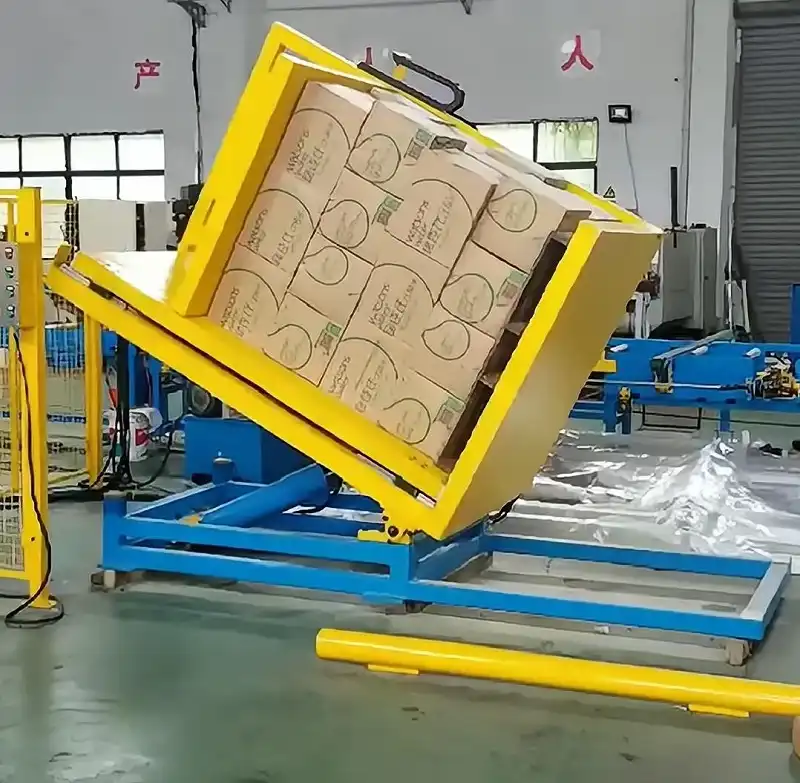

As someone who built a packing machine factory from the ground up, I have seen these problems firsthand. I know how important it is to keep operations running smoothly. So, let us look closer at how pallet inverters can help your electronics business.
Why is careful pallet handling essential in electronics assembly and packaging?
Electronic components are often delicate. They need precise handling from start to finish. Manual handling creates many problems. Workers can drop items. Packages can shift. This leads to costly damage and slows down the whole process.
Careful pallet handling is essential in electronics assembly and packaging to protect sensitive components, ensure cleanroom integrity, comply with strict export regulations, and maintain overall product quality.


Let me explain this more. In my experience, even small issues in handling can cause big problems down the line. We need to think about the specific needs of electronics.
1. Protecting Fragile Components 🛡️
Electronics often contain tiny, sensitive parts. These can break easily.
- Vibration: Manual transport or rough handling causes vibrations. These can damage circuit boards or connectors.
- Impact: Dropping a pallet, even slightly, can lead to internal damage. This damage may not be visible at first.
- Static Electricity: Some electronic parts are very sensitive to static. Proper handling reduces this risk.
- Cleanliness: Dust or debris can harm delicate components. Pallet inverters help maintain a cleaner environment by reducing manual interaction.
2. Ensuring Cleanroom Compliance 潔淨室要求 ✅
Many electronic assembly processes happen in cleanrooms. These rooms have strict rules to prevent contamination.
- Particle Control: Manual pallet transfers often bring in dust and particles. This violates cleanroom standards.
- Material Transfer: Pallet inverters allow for easy transfer from dirty pallets (like wooden ones) to cleanroom-approved pallets (like plastic ones). This happens without exposing products to the outside environment.
- Reduced Human Contact: Less human handling means fewer chances for contamination.
3. Meeting Export and Shipping Standards 🌍
Shipping electronics worldwide means dealing with different rules. Pallet requirements vary greatly.
- Regional Pallet Types: European pallets differ from American pallets. Many countries require plastic pallets for hygiene reasons.
- Fumigation: Wooden pallets often need fumigation for international shipping. This adds time and cost. Changing to plastic pallets avoids this.
- Weight Distribution: Inverters ensure loads are stable and evenly distributed. This prevents damage during transit.
- Load Security: They help secure loads for long journeys. This reduces shifting and potential harm.
4. Improving Overall Product Quality and Reliability ✨
Ultimately, careful handling leads to better products.
- Fewer Defects: Less damage during handling means fewer defective units. This cuts down on rework and returns.
- Consistent Performance: Products that are handled correctly perform as expected. This builds customer trust.
- Brand Reputation: Delivering high-quality, undamaged products strengthens your brand. It shows you care about your product.
How do pallet inverters speed up electronics manufacturing and logistics?
Time is money in any industry. In electronics, it is even more so. Every minute saved in production or logistics adds to your profit. Manual pallet changes are slow. They create bottlenecks. These bottlenecks stop your production line.
Pallet inverters speed up electronics manufacturing and logistics by automating pallet changes, quickly removing damaged or incorrect pallets, and ensuring a continuous flow of materials to assembly and packaging lines.
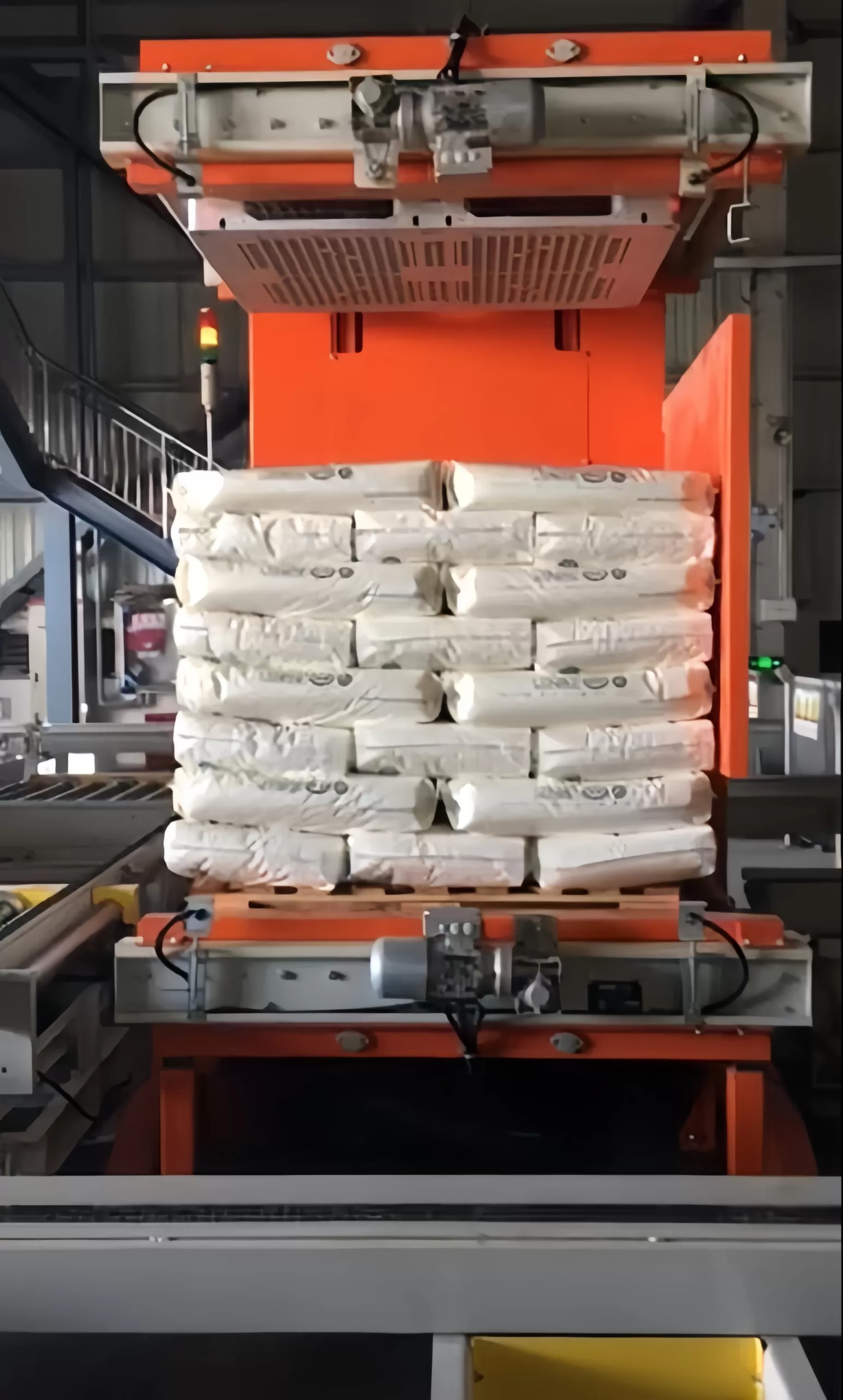

During my time helping clients, I saw how much time was lost just moving things around. Introducing the right machine can change everything.
1. Eliminating Bottlenecks in Material Flow 🚦
Bottlenecks slow everything down. They create waiting times.
- Faster Changeovers: A pallet inverter can switch a load from one pallet to another in minutes. Manual methods take much longer. This keeps the line moving.
- Continuous Supply: It ensures a steady supply of components to assembly lines. There are no sudden stops because the wrong pallet arrived.
- Reduced Idle Time: Machines and workers do not sit idle waiting for materials. This maximizes productivity.
- Synchronized Operations: Pallet inverters can integrate with conveyor systems. This creates a smooth, automated material flow from warehouse to production.
2. Streamlining Pallet Management and Exchange 🔄
Managing different pallet types is complex. Pallet inverters simplify this.
- Efficient Pallet Swaps: Easily switch from production pallets to shipping pallets. Or from wooden pallets to plastic ones. This is crucial for international shipping and hygiene standards.
- Damaged Pallet Removal: If a pallet breaks, the inverter quickly transfers the load to a new, sound pallet. This prevents further damage and delays.
- Batch Processing: Inverters can handle batches of products. This makes preparing for shipping faster. It also helps in organizing inventory.
- Optimized Space: By standardizing pallet types or quickly reconfiguring loads, businesses can make better use of warehouse space.
3. Enhancing Production Line Integration 🔗
A good packing machine fits into your existing system.
- Automated Integration: Modern pallet inverters connect with other automated systems. This includes conveyors, robots, and warehouse management systems (WMS).
- Reduced Manual Intervention: Less human involvement means fewer errors. It also means less time spent on non-value-added tasks.
- Predictable Throughput: Automation provides a predictable rate of material flow. This helps in production planning and scheduling.
- Flexibility: Some inverters can handle various load sizes and weights. This adds flexibility to the production line. It allows for different product types without retooling.
4. Improving Turnaround Times for Shipping 🚀
Fast shipping is a must today. Customers expect it.
- Quick Loading: Products are ready on the correct shipping pallets faster. This means trucks can be loaded sooner.
- Reduced Dock Congestion: Less time spent at the loading dock. This improves overall logistics efficiency.
- Meeting Deadlines: Faster processing helps meet tight customer deadlines. This improves customer satisfaction.
- Seasonal Peaks: During busy periods, automated pallet changing helps manage higher volumes. This prevents backlogs.
Can pallet inverters truly improve safety and reduce damage to electronic components?
Safety is not just about rules. It is about protecting people and products. In electronics, damaged goods cost money. Worker injuries cost even more. Manual pallet handling is a big risk for both.
Pallet inverters truly improve safety and reduce damage to electronic components by eliminating manual lifting and turning of heavy loads, preventing accidents caused by unstable pallets, and ensuring a gentle, controlled transfer process for delicate items.
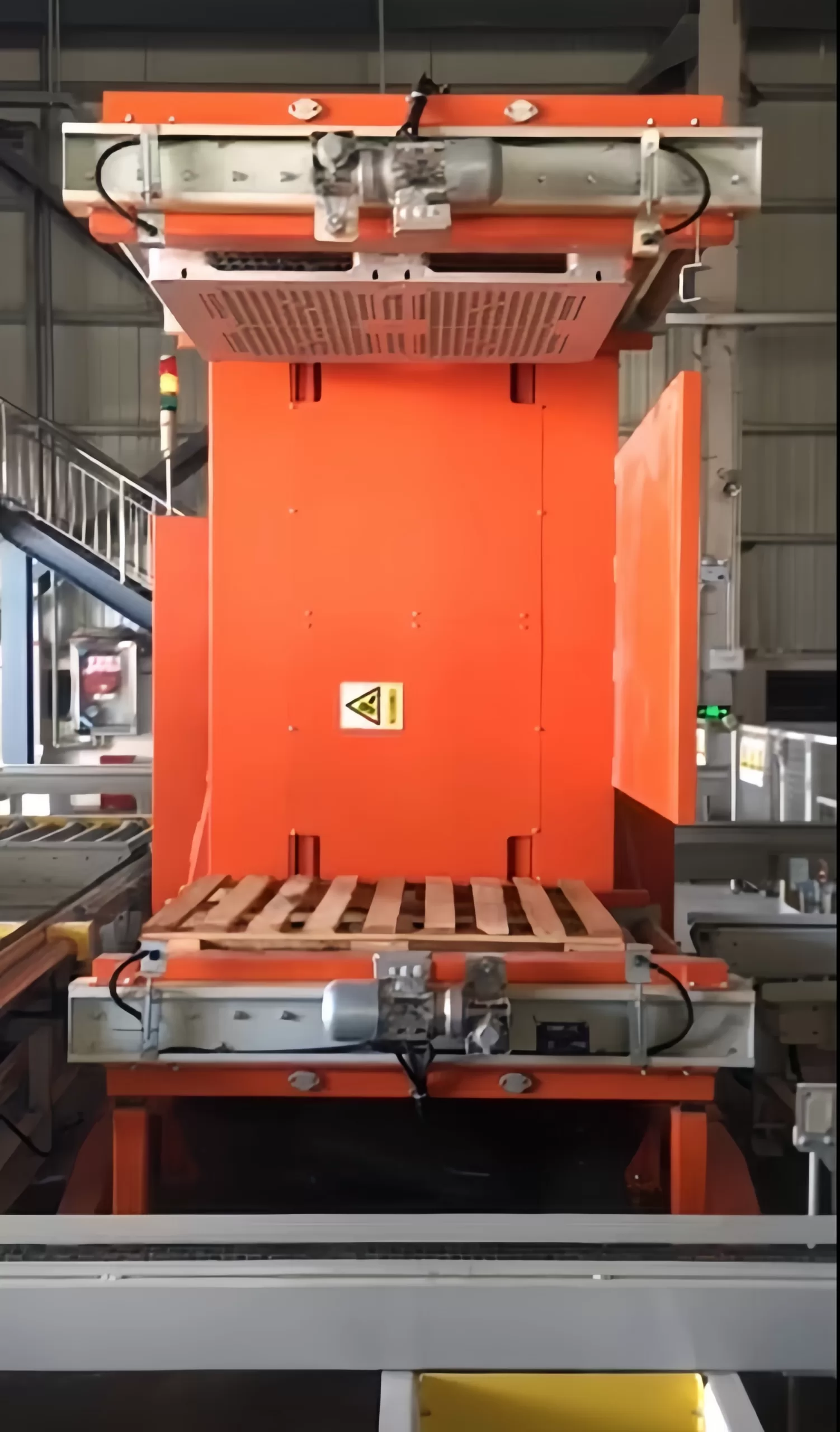

I have seen too many times how a simple mistake can lead to an injury or a ruined batch of products. Safety must be a top priority.
1. Enhancing Worker Safety 👷♀️
Heavy lifting and awkward movements are dangerous.
- Eliminating Manual Lifting: Workers no longer need to manually lift or turn heavy pallets. This prevents back injuries, strains, and other musculoskeletal disorders.
- Reduced Risk of Falling Loads: Pallet inverters secure the load completely before turning or transferring. This means goods cannot tip or fall on workers.
- Fewer Accidents: With less manual intervention, the chances of human error leading to accidents decrease significantly.
- Improved Ergonomics: The machine does the hard work. Workers can focus on supervision and less strenuous tasks. This creates a safer work environment.
2. Protecting Delicate Electronic Products 💖
Electronics are fragile. They need gentle handling.
- Controlled Movement: Pallet inverters move loads smoothly and steadily. There are no sudden jolts or drops. This protects sensitive components from shock.
- Secure Clamping: The machine holds the load firmly from all sides. This prevents shifting or crushing during the transfer.
- Reduced Contamination: By minimizing human contact, there is less risk of dust, sweat, or other contaminants getting onto products. This is especially important for cleanroom environments.
- Preventing Damage from Damaged Pallets: If a wooden pallet splinters or breaks, the inverter transfers the load to a new one. This stops potential damage to the product itself.
3. Reducing Product Waste and Rework ♻️
Damaged goods are a loss. They impact your profits.
- Lower Scrap Rates: Fewer damaged products mean less waste. This saves on material costs.
- Less Rework: Products arriving intact do not need repair or re-assembly. This saves labor time.
- Improved Yield: Higher percentage of good products from each batch. This directly impacts profitability.
- Better Quality Control: Consistent, gentle handling contributes to a higher standard of product quality. This reduces customer returns and complaints.
4. Supporting Compliance and Insurance 📄
Safety is also about following rules and managing risks.
- Regulatory Compliance: Automated systems help meet occupational health and safety regulations. This reduces fines and legal issues.
- Lower Insurance Premiums: Fewer workplace injuries can lead to lower insurance costs for your business.
- Positive Safety Culture: Investing in safety equipment shows commitment to your employees. This improves morale and productivity.
- Audit Readiness: Automated processes are often easier to audit. They show consistent safety practices.
What should electronics manufacturers consider when choosing a pallet inverter system?
Choosing the right equipment is a big decision. It is not just about buying a machine. It is about investing in a solution. For electronics manufacturers, there are specific things to think about.
When choosing a pallet inverter system, electronics manufacturers should consider the machine’s reliability, adaptability to various pallet types and load sizes, the required level of automation, ease of integration with existing lines, and the long-term support offered by the supplier.

I have learned that the cheapest option is rarely the best. You need a partner who understands your needs.
1. Machine Reliability and Durability 💪
Electronics production runs 24/7 sometimes. Downtime is expensive.
- Robust Construction: Look for machines built with high-quality materials. They should withstand continuous use in a busy environment.
- Proven Track Record: Check the manufacturer’s history. Do they have good reviews? Have they served other electronics companies?
- Low Maintenance: A reliable machine needs less frequent maintenance. This saves time and cost over its lifespan.
- Warranty and Guarantees: A strong warranty shows the manufacturer trusts their product.
2. Adaptability to Various Pallet Types and Loads 📦
Your needs might change. The machine should adapt.
- Multiple Pallet Sizes: Can it handle Euro pallets, US pallets, and custom sizes? This is key for international shipping.
- Different Pallet Materials: Can it work with wood, plastic, or metal pallets?
- Load Range: Does it support the weight and height of your typical electronic product loads?
- Future Needs: Think about what you might produce or ship in the future. Will the machine still be suitable?
3. Level of Automation Required 🤖
How much human help do you want?
- Manual: Some inverters need operators to load and unload. This is good for lower volumes.
- Semi-Automatic: These machines do most of the work. An operator might just press a button or guide the load.
- Fully Automatic: Integrated into a conveyor line. No human intervention needed for the main process. Best for high-volume operations.
- Integration with WMS/MES: Can it talk to your warehouse or manufacturing execution systems? This helps with data and control.
4. Ease of Integration and Footprint 📏
The new machine must fit your factory.
- Space Requirements: How much floor space does it need? Is it compatible with your current layout?
- Installation: How complex is the installation? Can it be done quickly to minimize disruption?
- Compatibility: Will it work with your existing conveyors, forklifts, or other equipment?
- Customization Options: Can the manufacturer tailor the machine to your specific line needs? Sometimes standard models just do not fit perfectly.
5. After-Sales Support and Partnership 🤝
This is where a good supplier truly stands out.
- Technical Support: Is help available when you need it? What are their response times?
- Spare Parts Availability: Can you get parts quickly if something breaks down?
- Training: Do they offer training for your staff on how to operate and maintain the machine?
- Long-Term Relationship: Look for a company that sees itself as a partner, not just a seller. This aligns with FHOPEPACK’s mission. We believe in helping you grow.
Conclusion
Pallet inverters are essential for electronics assembly and packaging. They boost efficiency, improve safety, and protect delicate products. By automating pallet changes, these machines cut costs and ensure compliance. Choosing the right pallet inverter is a strategic investment for any forward-thinking electronics business.












